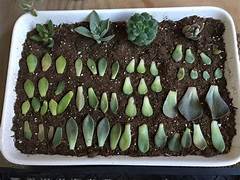
Succulents have become a favorite among plant enthusiasts for their unique appearance, low maintenance, and incredible ability to thrive in various environments. One of the most rewarding aspects of growing succulents is their ease of propagation, allowing you to expand your collection or share plants with friends. Whether you’re a seasoned gardener or a beginner, this guide will walk you through the steps to successfully propagate succulents.
Why Propagate Succulents?
Propagating succulents has several benefits:
- Cost-Effective: Instead of buying new plants, you can create new ones from your existing collection.
- Gift-Giving: Homegrown succulents make thoughtful and unique gifts.
- Plant Health: Regular propagation can help manage the size and health of your succulent plants.
- Sustainability: Propagation encourages recycling and reducing waste by using plant parts that would otherwise be discarded.
Methods of Propagation
There are several methods to propagate succulents, including leaf cuttings, stem cuttings, and offsets. Each method is suitable for different types of succulents and can be chosen based on your plant’s characteristics.
1. Propagating from Leaf Cuttings
This method is ideal for succulents like echeverias, sedums, and jade plants.
Steps:
- Select a Healthy Leaf: Choose a mature, healthy leaf from the parent plant. Gently twist the leaf from the stem, ensuring a clean break. A clean break is crucial for successful propagation.
- Let it Callous: Place the leaf in a dry, shaded area for a few days to a week. This allows the cut end to callous over, preventing rot when planted.
- Prepare the Soil: Use a well-draining succulent or cactus mix. Fill a shallow tray or pot with the soil mix.
- Plant the Leaf: Place the calloused end of the leaf on top of the soil. Do not bury it, as this can lead to rot.
- Water Sparingly: Mist the soil lightly with water. Keep the soil slightly moist but not soggy. Overwatering can cause the leaf to rot.
- Provide Indirect Light: Place the tray in a location with indirect sunlight. Too much direct sunlight can scorch the leaf.
- Wait for Roots and Pups: After a few weeks, roots will start to develop from the cut end of the leaf, followed by small baby plants (pups). Once the pups are large enough, they can be transplanted into their own pots.
2. Propagating from Stem Cuttings
This method works well for succulents like crassulas, aeoniums, and kalanchoes.
Steps:
- Select a Healthy Stem: Choose a healthy, mature stem with several leaves. Use a clean, sharp knife or scissors to cut a section of the stem.
- Let it Callous: Allow the cut end of the stem to callous over for a few days in a dry, shaded area.
- Prepare the Soil: Fill a pot with well-draining succulent or cactus soil mix.
- Plant the Stem Cutting: Insert the calloused end of the stem into the soil. Ensure that at least one node (where leaves were attached) is below the soil surface.
- Water Sparingly: Water the soil lightly, keeping it slightly moist but not wet. Avoid overwatering.
- Provide Indirect Light: Place the pot in a location with indirect sunlight. Direct sunlight can be too intense for the cutting initially.
- Wait for Roots: Roots will begin to develop from the buried nodes within a few weeks. Once the roots are established, new growth will start to appear.
3. Propagating from Offsets (Pups)
This method is suitable for succulents like hens and chicks (sempervivums) and aloe vera.
Steps:
- Identify Offsets: Look for small, rosette-shaped offsets growing around the base of the parent plant. These are clones of the parent plant.
- Remove the Offset: Gently separate the offset from the parent plant using a clean knife if necessary. Ensure that the offset has some roots attached.
- Let it Callous: Allow the offset to callous over for a day or two if the cut was made.
- Prepare the Soil: Fill a small pot with well-draining succulent or cactus soil mix.
- Plant the Offset: Place the offset in the soil, ensuring the roots are covered. Firm the soil around the plant.
- Water Sparingly: Water the soil lightly, keeping it slightly moist but not wet.
- Provide Indirect Light: Place the pot in a location with indirect sunlight. Over time, the offset will grow and establish itself as a new plant.
Tips for Successful Succulent Propagation
- Patience is Key: Succulent propagation can take several weeks to months. Be patient and give your plants time to develop.
- Avoid Overwatering: Overwatering is a common mistake that can lead to rot. Water sparingly and ensure good drainage.
- Use Clean Tools: Always use clean, sharp tools to prevent disease and infection.
- Provide Adequate Light: While indirect light is best for cuttings, established plants thrive in bright, indirect to direct light.
In conclusion propagating succulents is a fun and rewarding process that allows you to expand your collection and share plants with others. By following these steps and tips, you’ll be able to propagate succulents successfully and enjoy the beauty and diversity these hardy plants bring to your home. Happy gardening!
 The-Dirty-Hoe.com