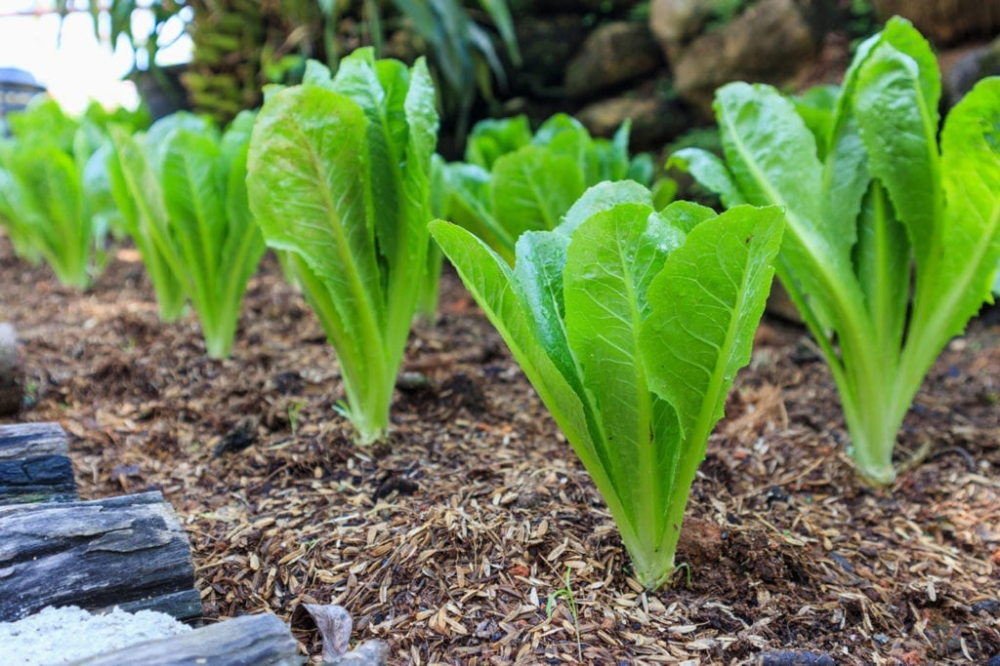
Lettuce is a fantastic addition to any garden, providing fresh, crisp greens for salads, sandwiches, and more. Whether you’re a seasoned gardener or a beginner, growing lettuce from seeds is straightforward and rewarding. Follow these easy steps to plant lettuce seeds and learn when and how to harvest them.
Step 1: Choose the Right Time and Location
- Timing: Lettuce is a cool-weather crop. The best time to plant lettuce seeds is in early spring or late summer, as it thrives in temperatures between 60°F and 70°F (15°C and 21°C). If you live in a warmer climate, consider planting lettuce in the fall or winter.
- Location: Select a spot in your garden that gets partial to full sun. Lettuce can tolerate some shade, especially in warmer climates.
Step 2: Prepare the Soil
- Soil Type: Lettuce grows best in loose, well-draining soil rich in organic matter. If your soil is heavy clay or sandy, amend it with compost to improve texture and fertility.
- Soil pH: Aim for a soil pH between 6.0 and 6.8. You can test your soil with a home testing kit and adjust the pH if necessary by adding lime to raise it or sulfur to lower it.
Step 3: Planting Lettuce Seeds
- Seed Depth: Plant lettuce seeds about 1/4 inch deep. You can sow them directly in the garden or start them indoors 4-6 weeks before the last frost date and transplant the seedlings.
- Spacing: For loose-leaf varieties, space seeds about 1 inch apart, thinning to 4-6 inches apart once they sprout. For head lettuce, space seeds 12-18 inches apart.
- Watering: Keep the soil consistently moist but not waterlogged. Water gently to avoid displacing seeds.
Step 4: Care and Maintenance
- Watering: Regular, even watering is crucial for lettuce. Aim for about 1 inch of water per week, adjusting based on rainfall and temperature.
- Mulching: Apply a layer of mulch around the plants to retain moisture, suppress weeds, and keep the soil cool.
- Thinning: Thin seedlings if necessary to ensure proper spacing. This allows each plant enough room to grow and reduces competition for nutrients and water.
- Fertilizing: Lettuce is a fast grower and may benefit from a balanced, water-soluble fertilizer every two weeks, especially if your soil is not particularly rich.
Step 5: Harvesting Lettuce
- Timing: Harvest time depends on the type of lettuce you’re growing:
- Loose-leaf varieties: These can be harvested as soon as the leaves are large enough to eat, usually about 4-6 weeks after planting.
- Head varieties: Harvest when heads are firm and reach the desired size, usually about 8-10 weeks after planting.
- Method:
- For loose-leaf lettuce: You can either pick individual leaves as needed, starting with the outer leaves, or cut the entire plant about an inch above the soil to encourage regrowth.
- For head lettuce: Use a sharp knife to cut the head off at the base, or gently twist and pull to remove the whole plant.
- Storage: After harvesting, rinse the lettuce leaves or heads with cool water to remove any soil or debris. Pat dry and store in the refrigerator in a plastic bag or container. Freshly harvested lettuce can last up to a week.
Tips for a Successful Lettuce Crop
- Succession Planting: For a continuous supply of fresh lettuce, plant seeds every 2-3 weeks.
- Pest Control: Watch out for common pests like aphids and slugs. Use organic pest control methods, such as neem oil or hand-picking, to keep them at bay.
- Bolt Prevention: Lettuce tends to bolt (flower and go to seed) in hot weather, which makes the leaves bitter. To prevent this, provide shade during the hottest part of the day and keep the soil consistently moist.
By following these simple steps, you’ll be able to enjoy a bountiful harvest of homegrown lettuce. Happy gardening!
 The-Dirty-Hoe.com