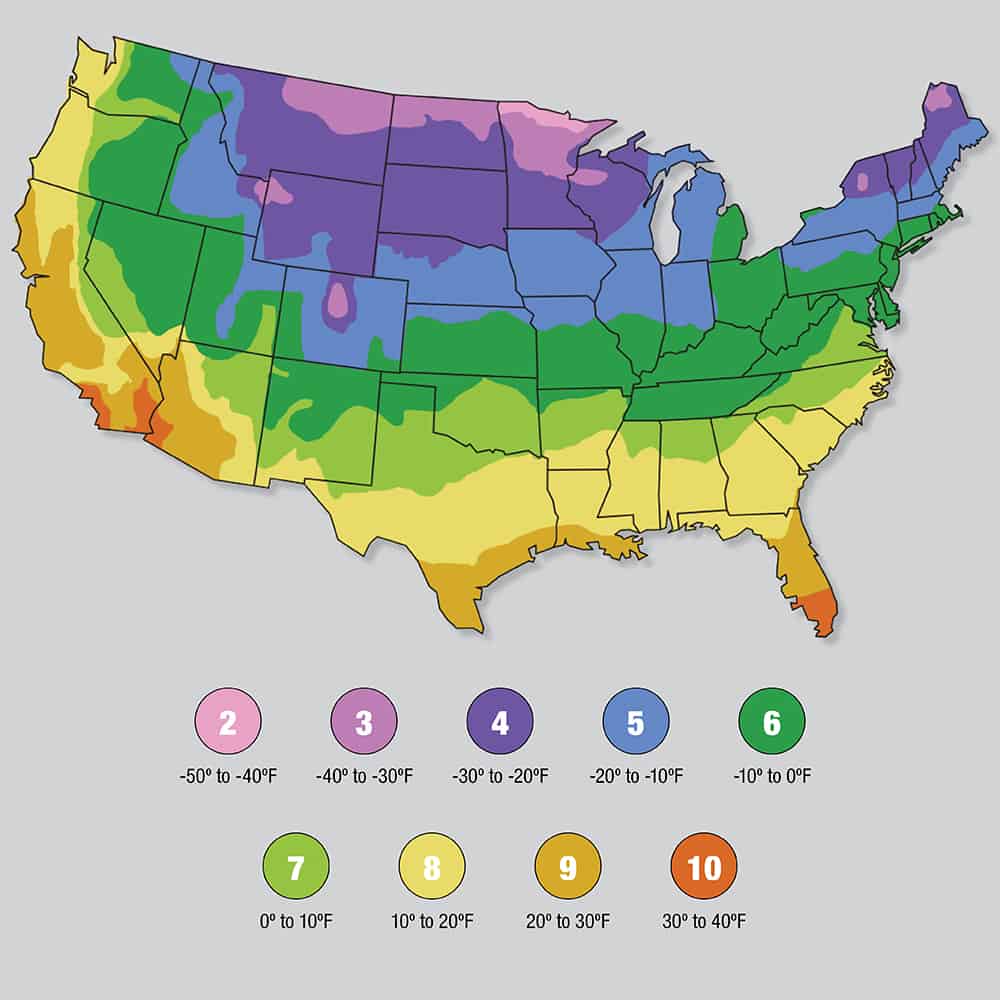
As the summer heat begins to wane and the days start to shorten, many gardeners look forward to the cooler temperatures of fall. Fall gardening can be incredibly rewarding, offering a variety of crops that thrive in the cooler weather. Depending on your USDA Plant Hardiness Zone, the best vegetables to plant in the fall can vary. Here, we will explore the top fall vegetables for Zones 6, 7, and 8, along with some states that fall into each zone.
Zone 6
Zone 6 typically experiences a longer growing season than the northern zones but still has to contend with the first frosts arriving in October. This zone includes parts of the following states:
- MissouriKansasOhio Top Fall Vegetables for Zone 6:
- Kale: This hardy green thrives in cooler temperatures and can even withstand a light frost, which can make its leaves taste sweeter.Brussels Sprouts: Another frost-tolerant vegetable, Brussels sprouts actually improve in flavor after a frost. Plant them in mid to late summer for a fall harvest.Carrots: Carrots can be planted in late summer for a fall harvest. They benefit from the cooler temperatures, which enhance their sweetness. Zone 7
Zone 7 enjoys a milder climate with a longer growing season, allowing for a wide variety of fall vegetables. States in Zone 7 include:
- VirginiaTennesseeNorth Carolina Top Fall Vegetables for Zone 7:
- Spinach: Spinach is an excellent choice for fall planting in Zone 7. It grows quickly and can be harvested well into the cooler months.Broccoli: Broccoli prefers cooler weather and can be planted in late summer for a fall harvest. It is also frost-tolerant.Beets: Beets grow well in the fall and can be harvested before the first hard frost. Both the roots and the greens are edible and nutritious. Zone 8
Zone 8 has a relatively long growing season with mild winters, making it possible to grow many vegetables year-round. States in Zone 8 include:
- GeorgiaTexasAlabama Top Fall Vegetables for Zone 8:
- Lettuce: Lettuce varieties such as romaine and butterhead thrive in the cooler temperatures of fall. They can be planted in late summer and harvested throughout the fall.Cauliflower: Cauliflower prefers cooler temperatures and can be planted in late summer for a fall harvest. It is also relatively frost-tolerant.Radishes: Radishes grow quickly, making them an excellent choice for fall planting. They can be harvested in as little as three to four weeks after planting. Tips for Successful Fall Gardening
- Prepare the Soil: Before planting, make sure your soil is well-prepared. Remove any leftover summer crops and weeds, and add compost or organic matter to enrich the soil.Watering: Fall can sometimes bring less rainfall, so make sure your garden is adequately watered. Consistent moisture is key for healthy growth.Frost Protection: Keep an eye on the weather forecast for early frosts. Use row covers or frost cloths to protect your plants if necessary.Succession Planting: To extend your harvest, consider succession planting. This means planting crops at intervals so that you have a continuous harvest throughout the fall.
By choosing the right vegetables for your zone and following these tips, you can enjoy a bountiful fall harvest. Happy gardening!
 The-Dirty-Hoe.com