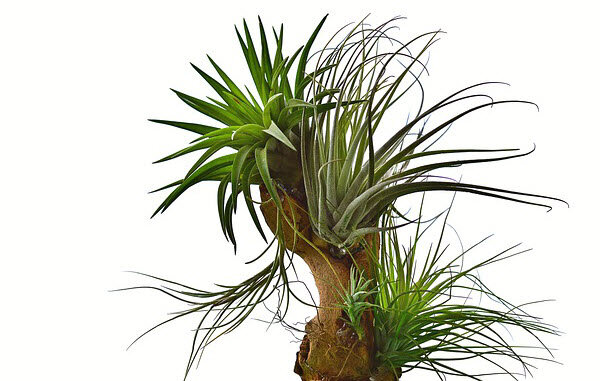
Tillandsia Care Guide
Tillandsia are plants like no other. They don’t need soil, water and nutrients through their leaves. Plus, in the wild, they can grow perfectly well hanging onto the bark of trees.
Also known as an ‘air plant,’ they say it’s one of the easiest plants to grow. Though, you should spare some time to learn about this plant. This guide will answer your questions on how to care for Tillandsia. People might call it an air plant, but Tillandsia requires more than just fresh air. They need special care and attention if you want them to live a healthy life. Take care of your Tillandsia properly, and it can live for several years and provide you with “pups” for even more years of enjoyment.
How Much Water Does a Tillandsia Need?
If you keep your air plant indoors, you only need to water it once a week. If you use air conditioners or heaters in your home, you might need to water your Tillandsia more often. You can also mist your plants regularly. Place the plant face down in a bowl of water and let it soak for 8-10 minutes. When you remove it, make sure you shake it to disperse any excess water. If you allow your plant to sit in water, especially overnight it can cause rot or kill the plant. Best water to use is rainwater, but you can also use bottle water. As a last resort, opt for water from a tap but allow it to stand for several hours so any chemicals in it can dissipate. Never use distilled or artificially-softened water.
How Much Light Does a Tillandsia Need?
Your Tillandsia needs light to survive, so if you’re keeping it indoors, make sure it’s near an adequate light source. Place it near a window or an artificial light source, but don’t allow it to get too much direct sun.
Artificial light should be fluorescent, and your plant placed no farther than 36 inches from the light source. Set the amount of light with a timer, and aim for 12 hours per day.
Tillandsias kept outside prefer a shaded area that doesn’t receive full sun.
The Life Cycle of a Tillandsia
Tillandsia grow to maturity, bloom, and then die. Before, during, or shortly after blooming, the air plant produces offsets, known as pups. It’s typical for them to produce between two and eight pups. (1)
Tillandsia only bloom once in their lifetime, but each pup means Tillandsia get another chance to grow and bloom.
The flowers produced can last from just one day through to several months, depending on the type. Different species bloom at different times of the year, but the blooms can also depend on the plant’s environment and care.
Removing Pups From the Mother
Allow the pups to grow to at least one-third or one-half the size of the mother plant. When the pups are ready, remove them by gently twisting towards the ground. It should come away easily. If it doesn’t, you must remove the pup by cutting downward.
This isn’t the end for the mother plant, as she may continue producing pups for several years.
Where Can You Grow a Tillandsia?
You can grow it pretty much anywhere. — in a seashell, on coral, in a glass bowl, pottery, ceramic, or on rocks. You can also find unique planters just for air plants at http://www.printhousedesign.com When you’re deciding where to grow it, remember you have to water it, and it has to get enough light. The best type of container is one that doesn’t hold water. For your Tillandsia to be healthy, it needs to dry out. If you want to keep it in a glass bowl, you can get around the issue by emptying any excess water when you’ve finished watering the plant.
Possible Problems With a Tillandsia
From time to time, you may experience a few problems with your Tillandsia. For example, it’s very common to get a few brown leaves and dry tips. These are a sure sign your Tilly needs more moisture. Another sign is leaves curving in excessively or turning grayer or yellowish.
You can tackle problems caused by drying with some grooming. Trim any dry leaves with scissors or peel them off by hand. After its grooming, increase your watering schedule or increase the humidity with either a water tray or humidifier.
Follow the tips we’ve shared, and your Tillandsias will stay healthy for many years and provide new pups to add to your collection.
 The-Dirty-Hoe.com