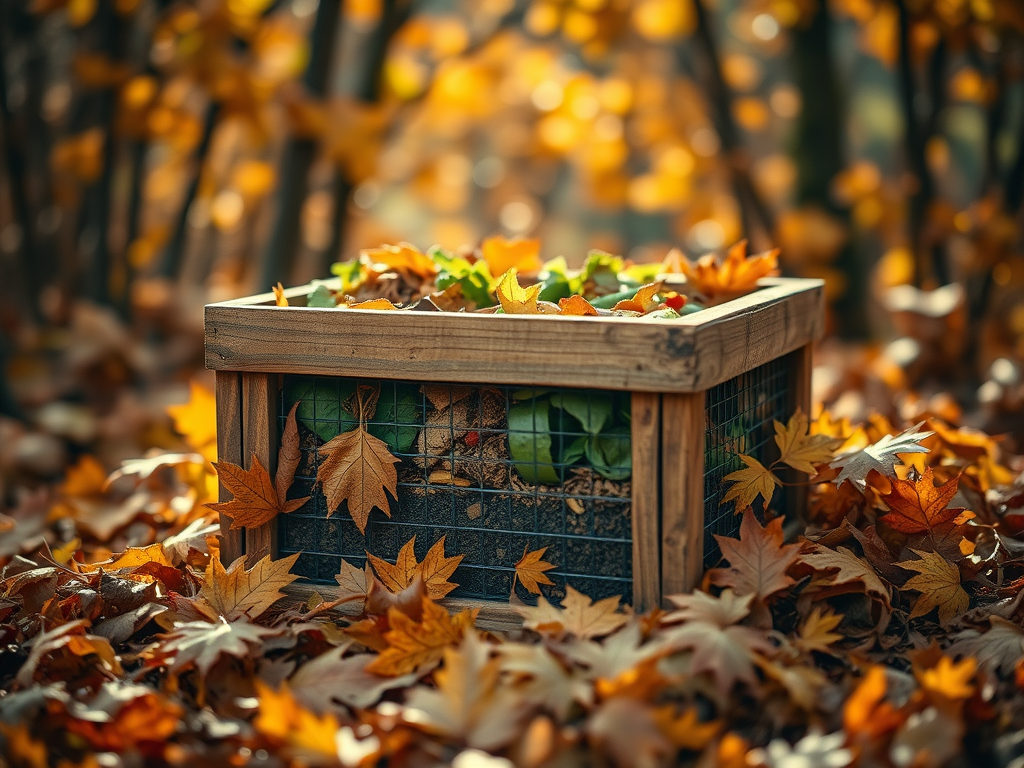
Starting a small compost in the fall is a fantastic way to reduce waste and create nutrient-rich soil for your garden. Here’s a step-by-step guide:
1. Choose a Compost Bin or Pile
- Compost Bin: Opt for a small compost bin, tumbler, or build your own with wooden pallets or wire mesh. Bins help contain the pile and keep out animals.
- Compost Pile: If you have space, simply start a compost pile in a corner of your yard. Be sure it’s in a well-drained spot with some shade.
2. Select a Location
- Pick a spot that’s accessible but away from your house. Make sure it’s close to your garden so you can easily use the compost once it’s ready.
- Place your compost bin or pile on bare soil. This allows beneficial organisms to enter and helps with drainage.
3. Gather Materials
- Greens: Collect fresh, moist materials rich in nitrogen like fruit and vegetable scraps, coffee grounds, grass clippings, and tea bags.
- Browns: Stock up on dry, carbon-rich materials like fallen leaves (fall is perfect for this!), straw, newspaper, and small branches.
- Avoid: Meat, dairy, oily food, and pet waste as they can attract pests or slow decomposition.
4. Layer Materials
- Start your compost with a layer of coarse materials (small branches or twigs) to help with air circulation.
- Add alternating layers of greens and browns. A general rule is to aim for a ratio of 2-3 parts browns to 1 part greens.
5. Maintain Moisture
- Keep the compost pile moist like a wrung-out sponge. If it’s too dry, add water or fresh greens. If it’s too wet, add more browns or turn the pile to increase aeration.
6. Turn the Compost
- Every couple of weeks, use a garden fork or shovel to turn your compost pile. This helps aerate the pile and speeds up decomposition.
- For a bin, some are designed to be turned, making it easy to mix the contents.
7. Keep Adding Materials
- Throughout the fall, keep adding your kitchen scraps and fallen leaves. Fall is ideal since leaves are abundant and can balance out any green kitchen scraps you add.
8. Check for Progress
- Compost typically takes a few months to a year to break down fully, depending on conditions. Finished compost is dark, crumbly, and smells earthy.
- If you start in fall, you should have a good batch ready by spring for planting.
9. Use Your Compost
- Once your compost is ready, spread it in your garden beds, mix it into potting soil, or use it as mulch around trees and shrubs to enrich your soil naturally.
Starting in the fall ensures you’ll have plenty of brown materials like leaves, which are crucial for balancing out green kitchen scraps, and by spring, you’ll have a nutrient-rich compost for your garden! Let me know if you have a compost!
 The-Dirty-Hoe.com