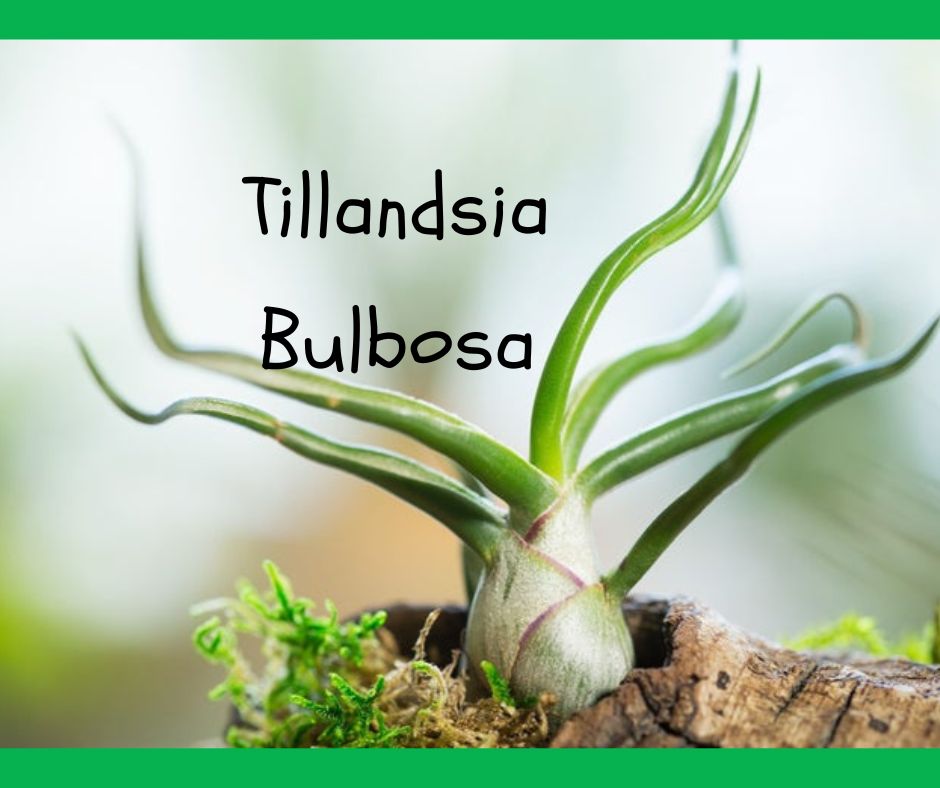
Air plants, or Tillandsia, have become popular for their versatility and ease of care. One standout among the air plants is Tillandsia bulbosa, an exotic and fascinating species that’s often admired for its alien-like tendrils and vibrant green hue. But how do you care for this striking plant? Let’s dive into the essentials, including its blooming habits and how to propagate it.
Appearance
Tillandsia bulbosa has a distinctive appearance that sets it apart from other air plants. Its long, tubular leaves twist and curl in unpredictable directions, giving it an almost whimsical look. This plant can reach up to 8 inches in height and prefers indirect light, making it an ideal addition to any indoor space or terrarium.
Care Tips
Caring for a bulbosa air plant isn’t difficult, but it does require attention to a few key factors:
1. Light
Bulbosa air plants thrive in bright, indirect light. A spot near a window with filtered sunlight is ideal. Avoid placing it in direct sunlight for long periods, as this can cause the plant to dry out and scorch.
2. Watering
The bulbosa plant prefers a bit more moisture than some of its air plant cousins, thanks to its native tropical habitat. Here’s how to water your bulbosa air plant properly:
- Soak the plant in room-temperature water for 15-20 minutes about once a week.
- If your climate is particularly dry, you might want to mist it lightly every few days.
- Make sure to shake off any excess water after soaking, as stagnant water can lead to rot. Allow it to dry upside down or in a place with good air circulation.
3. Humidity
This air plant enjoys humidity, so if you live in a dry environment, consider placing your bulbosa near a humidifier or misting it regularly. Humid bathrooms can also be a great spot for these plants.
4. Temperature
Bulbosa air plants thrive in temperatures between 50-90°F (10-32°C). Avoid exposing them to frost or freezing temperatures, as this can damage the plant.
5. Fertilization
While not essential, feeding your air plant with a bromeliad or air plant fertilizer once a month during its growing season (spring to summer) can encourage growth and flowering.
Does Bulbosa Air Plant Bloom?
Yes! One of the most exciting aspects of the Tillandsia bulbosa is that it does bloom. When it’s mature, the bulbosa will produce a stunning red or purple flower spike, often accompanied by bright violet or blue flowers. This bloom is a spectacular display, though it only happens once in the plant’s lifetime. After flowering, the plant will slowly begin to die, but this doesn’t mean the end!
Propagation
Once the bloom cycle is complete, your bulbosa air plant will start producing offsets, also known as “pups.” These baby plants grow at the base of the mother plant. You can either leave the pups attached to create a larger cluster or gently separate them once they are about one-third the size of the mother plant.
To propagate:
- Carefully twist the pup away from the mother plant, ensuring it comes off cleanly without damaging either.
- Care for the pup in the same way you care for the adult plant. With time, it will mature and may eventually bloom on its own.
Displaying Your Bulbosa
Thanks to its quirky shape, Tillandsia bulbosa can be displayed in a variety of creative ways. It looks great perched on driftwood, nestled in a glass terrarium, or mounted on a decorative surface. Just ensure it has good air circulation.
Conclusion
The Tillandsia bulbosa is a beautiful and intriguing air plant that rewards you with minimal care and an eventual bloom. Whether you’re a seasoned plant enthusiast or new to air plants, this species is sure to bring an exotic touch to your collection. With its striking appearance and easy-to-follow care routine, the bulbosa will thrive in your home—and when it does bloom, you’ll be treated to a rare and vibrant spectacle!
Happy planting!
 The-Dirty-Hoe.com