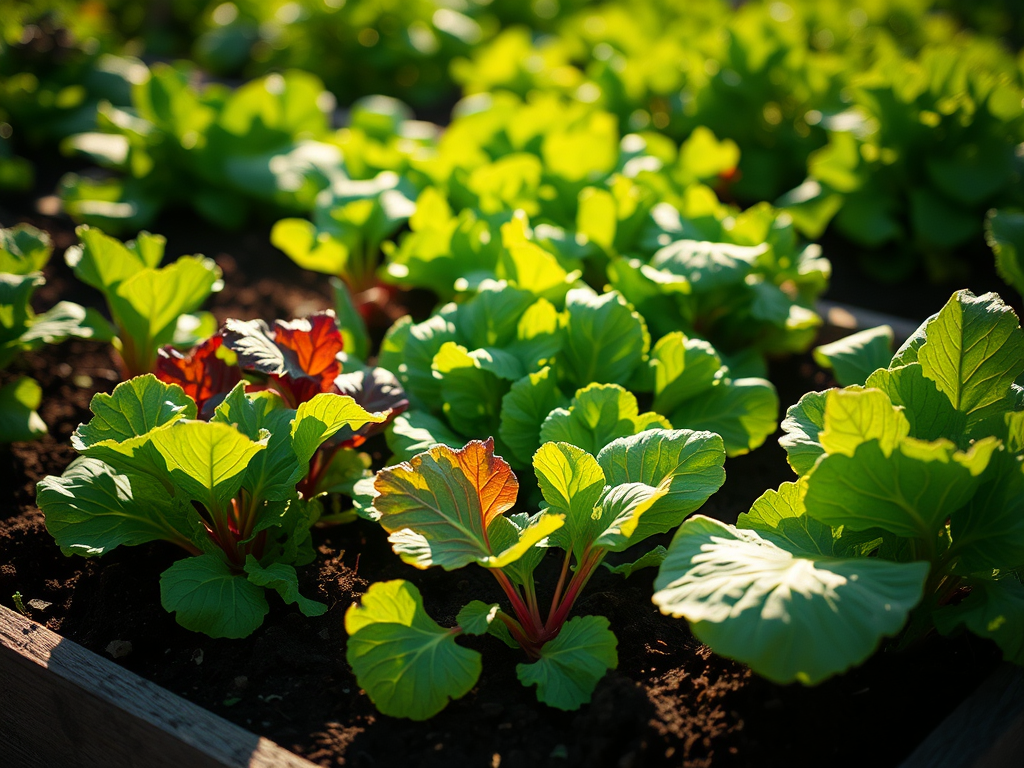
A fresh salad garden is a rewarding and simple way to enjoy homegrown greens right from your backyard or patio. There are six delicious varieties: Swiss chard, arugula, and butter head lettuce. You can also grow spinach, iceberg lettuce, and dwarf kale. You’ll have the makings of vibrant, healthy salads all season long. Here’s how to get started:
1. Choose the Perfect Location
- Sunlight: All these greens thrive in at least 4–6 hours of sunlight per day. Pick a spot with morning sun and afternoon shade to protect them from overheating.
- Soil: Loose, well-draining soil is ideal. If you’re working with garden beds or containers, enrich the soil with compost or organic matter to give nutrients.
2. Prepare Your Garden Space
- Garden Beds: Clear out weeds and loosen the soil about 6 inches deep.
- Containers: Use pots or planter boxes with drainage holes. Fill them with high-quality potting soil mixed with compost.
3. Plant Your Seeds
Each seed has slightly different needs, but they all grow well in cool weather and can be sown directly into the soil.
- Swiss Chard:
- Sow seeds ½ inch deep and 12 inches apart.
- Thin seedlings to about 6 inches apart for smaller leaves, or let them grow larger for mature leaves.
- Arugula:
- Sow seeds ¼ inch deep in rows or scatter them for a wild look.
- Thin seedlings to 6 inches apart once they sprout.
- Butter head Lettuce:
- Sow seeds ¼ inch deep, 6–8 inches apart.
- For baby leaves, plant closer together.
- Spinach:
- Sow seeds ½ inch deep, about 4–6 inches apart.
- Spinach grows quickly, so stagger planting every 2 weeks for a continuous harvest.
- Iceberg Lettuce:
- Sow seeds ¼ inch deep and 12 inches apart.
- Iceberg takes a little longer to form heads, so be patient!
- Dwarf Kale:
- Sow seeds ¼ inch deep and 12 inches apart.
- Kale thrives in cool temperatures and gets sweeter after a frost.
4. Watering and Care
- Watering: Keep the soil consistently moist but not soggy. Water in the morning to allow leaves to dry out, reducing the risk of disease.
- Thinning: Remove excess seedlings once your plants sprout, so each has room to grow.
5. Pest Management
- Check for common pests like aphids or slugs. Handpick them or use natural deterrents like neem oil.
- Row covers can protect your plants from bugs while allowing sunlight through.
6. Harvest Time
Your salad garden will grow fast, so harvest regularly to enjoy tender leaves:
- Swiss Chard: Start harvesting outer leaves once they’re 6–8 inches long.
- Arugula: Pick leaves when they’re young (2–3 inches) for a mild flavor.
- Butter head Lettuce: Harvest whole heads or pluck individual leaves.
- Spinach: Harvest when leaves are 3–6 inches long.
- Iceberg Lettuce: Cut the head at the base once it feels firm.
- Dwarf Kale: Pick leaves as needed, starting with the oldest outer leaves.
7. Extend Your Harvest
- Plant every 2–3 weeks for continuous crops.
- Use shade cloth in hot weather to keep greens from bolting (going to seed).
8. Enjoy Your Salad Creations!
Mix your homegrown greens with your favorite toppings, dressings, or herbs. This makes salads that are fresher and tastier than anything from the store.
With care and attention, your salad garden will flourish and become a source of pride—and plenty of delicious meals!
 The-Dirty-Hoe.com