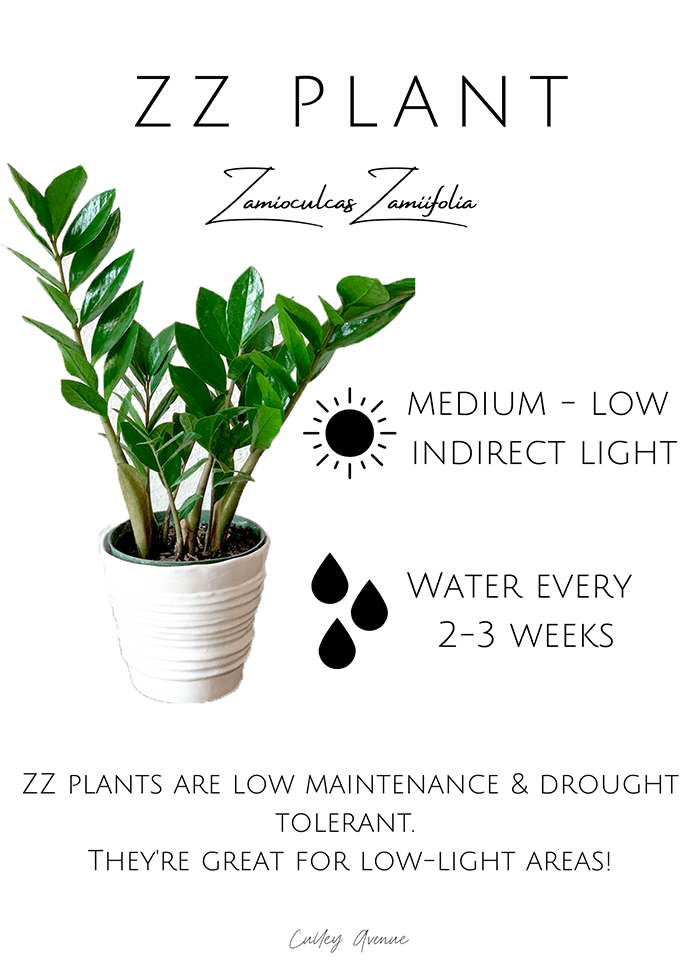
The ZZ plant, or Zamioculcas zamiifolia, is a favorite among indoor gardeners for its striking, glossy leaves and low-maintenance nature. Whether you’re a beginner or a seasoned plant enthusiast, this hardy houseplant can thrive with minimal care. Here’s a comprehensive guide to ZZ plant care and tips for ensuring it stays healthy through the winter months.
General Care for ZZ Plants
1. Light Requirements
ZZ plants are versatile and can tolerate a range of light conditions. Ideally, they prefer bright, indirect light but can also adapt to low-light environments, making them perfect for offices and dimly lit spaces. Avoid placing them in direct sunlight, as this can scorch their leaves.
2. Watering Needs
The ZZ plant is drought-tolerant and stores water in its rhizomes, so it’s better to underwater than overwater. Follow these guidelines:
- Allow the top 2-3 inches of soil to dry out between waterings.
- Use well-draining soil to prevent root rot.
- Water sparingly, especially if the plant is in a low-light area.
3. Temperature and Humidity
ZZ plants thrive in average household temperatures ranging from 65°F to 75°F (18°C to 24°C). They prefer moderate humidity but can adapt to drier air, making them ideal for most indoor settings.
4. Soil and Fertilizer
- Soil: Use a well-draining potting mix, such as one formulated for succulents or cacti.
- Fertilizer: Feed your ZZ plant with a balanced, water-soluble fertilizer once a month during the growing season (spring and summer). Reduce or stop feeding during fall and winter.
5. Pruning and Propagation
- Prune yellowing or damaged leaves to keep your ZZ plant looking its best.
- Propagate by dividing the rhizomes or rooting leaf cuttings in water or soil.
Winter Care for ZZ Plants
Winter can be challenging for houseplants, but the resilient ZZ plant requires only slight adjustments to its care routine during the colder months.
1. Adjust Watering
During winter, ZZ plants enter a period of slower growth and require less water. Overwatering is the most common mistake during this time. Ensure the soil is completely dry before watering, and reduce the frequency to once every 3-4 weeks, depending on your home’s humidity and temperature.
2. Monitor Temperature
Keep your ZZ plant away from cold drafts, heaters, and windowsills where temperatures can drop significantly. Aim to maintain a consistent indoor temperature above 60°F (15°C) to keep your plant comfortable.
3. Provide Adequate Light
Shorter days mean less natural light. If your ZZ plant is in a dimly lit area, consider moving it closer to a window with indirect light or using a grow light to supplement the reduced daylight hours.
4. Avoid Fertilizing
ZZ plants don’t need fertilizer during their dormant period. Resume feeding in the spring when new growth begins.
5. Maintain Humidity
Indoor heating can make the air dry, so consider placing a humidifier near your ZZ plant or using a pebble tray to maintain adequate moisture levels. However, the ZZ plant is naturally tolerant of low humidity, so this is optional.
Common Winter Issues and Solutions
- Yellowing Leaves: Overwatering is often the culprit. Check the soil and reduce watering frequency.
- Drooping Stems: This may indicate insufficient light or prolonged drought. Move your plant to a brighter spot and ensure it’s watered appropriately.
- Pests: Although rare, ZZ plants can attract pests like spider mites in winter. Inspect the leaves regularly and wipe them down with a damp cloth or use insecticidal soap if necessary.
Conclusion
The ZZ plant is a durable and forgiving houseplant that brings greenery and elegance to any indoor space. By following these simple care tips and adjusting your routine slightly during the winter months, your ZZ plant will continue to thrive year-round. Have you had success growing a ZZ plant? Share your experience and tips in the comments below!
 The-Dirty-Hoe.com