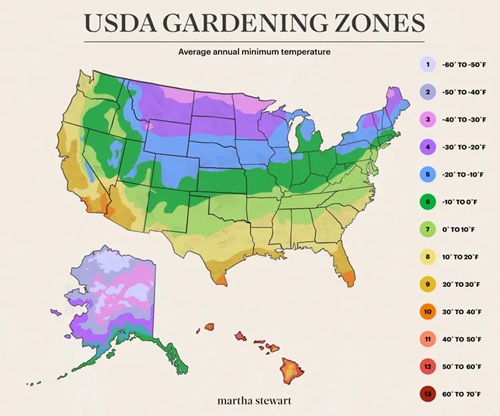
Starting your first garden can feel a little like learning a new language. Seed packets have numbers, plant tags mention “zones,” and suddenly everyone’s talking about maps. The good news? Once you understand the gardening or planting zone map, everything else gets so much easier—and your plants will thank you for it.
Let’s break it down step by step.
What Is a Gardening / Planting Zone Map?
A gardening zone map (often called a USDA Hardiness Zone Map) shows which plants are most likely to thrive in your area based on average winter temperatures.
The map divides the country into numbered zones, usually ranging from Zone 1 (coldest) to Zone 13 (warmest). Each zone represents a 10°F difference in winter lows.
👉 Think of your zone as your garden’s climate personality.
How to Find Your Planting Zone
Finding your zone is simple:
- Search online for “USDA Planting Zone Map”
- Enter your ZIP code
- Your zone number will pop up (for example: Zone 7b)
That’s it! Write it down or save it—you’ll use this number often when choosing plants.
How to Read the Map (Without Overthinking It)
Each zone may have a letter (like 7a or 7b).
For beginners, the number matters most.
- Lower numbers = colder winters
- Higher numbers = milder winters
When a plant label says:
Hardy in Zones 6–9
That means it can survive winters in those zones. If your zone falls in that range, you’re good to grow it!
How to Use Your Zone to Pick the Best Flowers 🌸
Choosing flowers that love your zone sets you up for success—more blooms, less stress.
Cooler zones (Zones 3–6):
- Coneflowers
- Black-eyed Susans
- Peonies
- Lupine
- Calendula
Milder to warm zones (Zones 7–9):
- Zinnias
- Cosmos
- Sunflowers
- Salvias
- Marigolds
Warm zones (Zones 9–10+):
- Lantana
- Pentas
- Celosia
- Portulaca
✨ Tip: Annual flowers (those grown from seed each year) are especially forgiving for first-time gardeners and bloom fast.
Using Your Zone to Grow Flavorful Herbs 🌿
Herbs are beginner-friendly and perfect for small gardens, containers, or windowsills.
Hardy herbs (great for many zones):
- Chives
- Thyme
- Oregano
- Mint (best in pots!)
Warm-weather favorites:
- Basil
- Cilantro
- Dill
Perennial herbs (come back each year in the right zones):
- Rosemary (Zones 7–10)
- Lavender (Zones vary by type—check labels)
- Sage
Your zone helps you know:
- Which herbs can survive winter outdoors
- Which ones should be grown as annuals or brought inside
A Quick Reminder for New Gardeners
Your planting zone tells you about cold tolerance, not everything about your garden.
Also consider:
- Sunlight (full sun, part shade, shade)
- Soil type
- Water needs
When you match zone + sunlight + water, plants thrive—and gardening becomes way more fun.
Final Gardening Encouragement 🌼
Learning your planting zone is like unlocking a garden shortcut. It saves time, money, and frustration—and helps you grow flowers that burst with color and herbs that taste amazing.
Start small, grow what works for your zone, and remember: every gardener was a beginner once.
Happy planting! 🌱
 The-Dirty-Hoe.com
A very informative article.
Being a very experienced gardener, there wasn’t anything I didn’t already know, but it would all be extremely helpful to those just starting out.
LikeLike
I’m right on the borderline between the shades of green.
LikeLike