
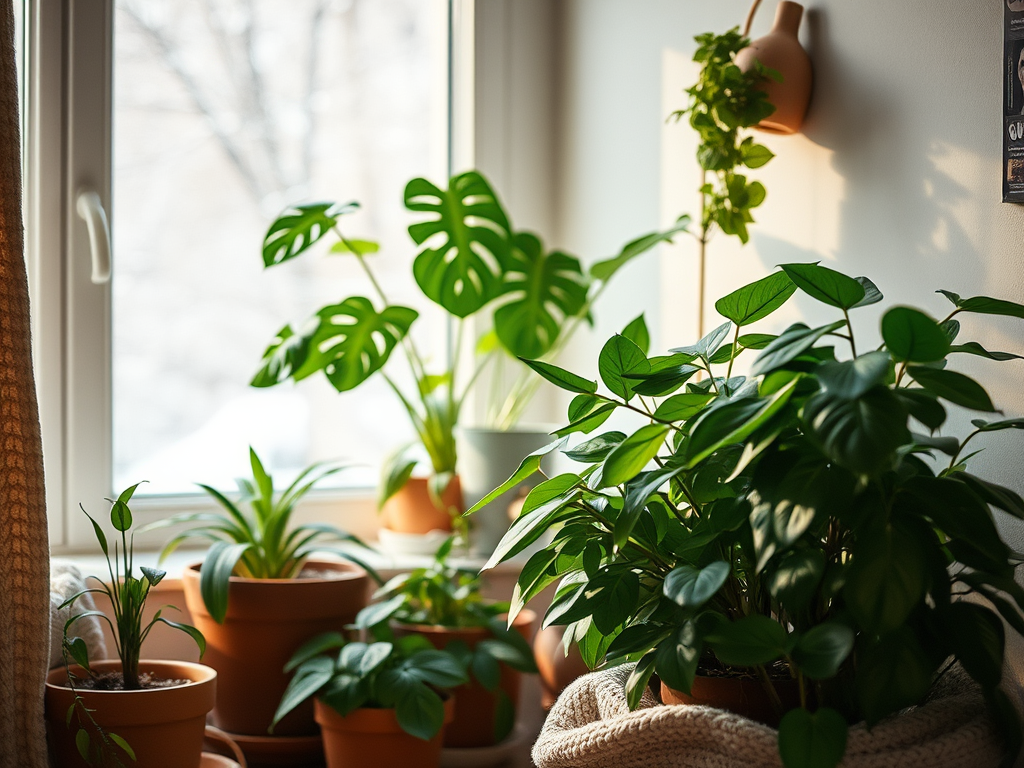
Winter Gardening Hacks: Keeping Your Plants Happy in the Cold Winter may seem like a quiet season for gardeners, but it’s an opportunity to focus on protecting your plants and preparing for a flourishing spring. Whether you’re caring for indoor houseplants or outdoor perennials, here are some essential winter gardening hacks to ensure your plantsContinue reading “Winter Gardening Hacks”
Author Archives: The-Dirty-Hoe
How to Start a Honeybee Garden with 8 Buzz-Worthy Flowers

Creating a honeybee garden is a wonderful way to support pollinators while adding beauty to your outdoor space. Bees play a crucial role in pollination, and by planting a diverse selection of bee-friendly flowers, you’re giving them a safe haven to thrive. Here’s a guide on planting and caring for eight perfect flower seeds toContinue reading “How to Start a Honeybee Garden with 8 Buzz-Worthy Flowers”
Beginner’s Guide: Planting a Fresh Salad Garden
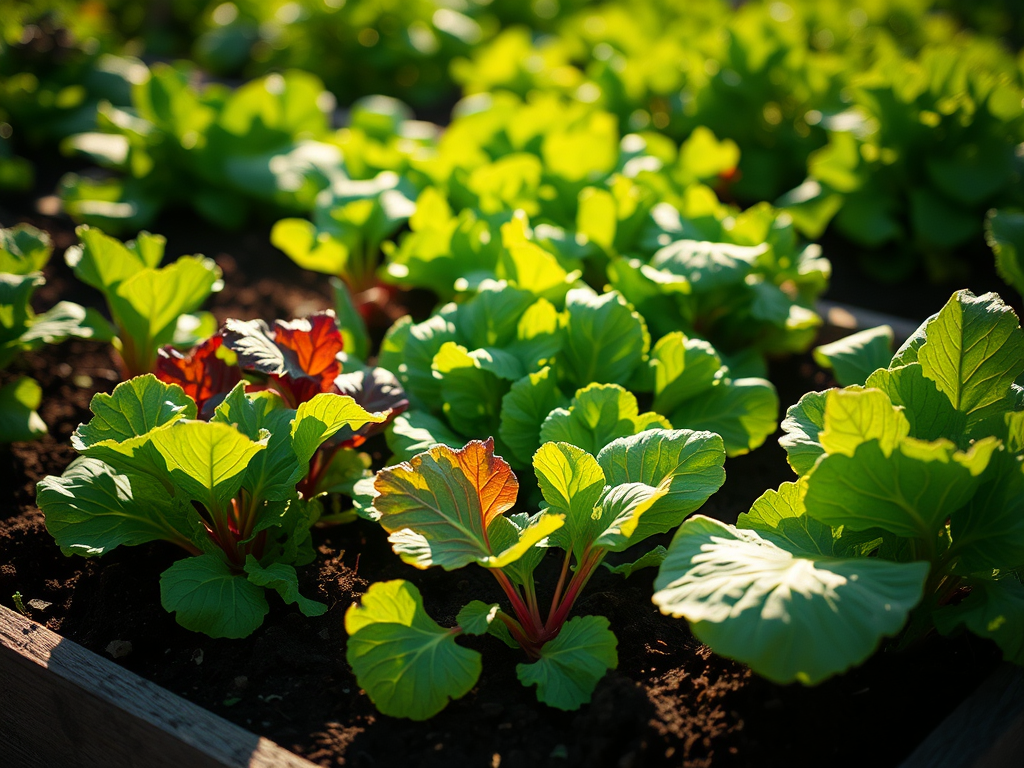
A fresh salad garden is a rewarding and simple way to enjoy homegrown greens right from your backyard or patio. There are six delicious varieties: Swiss chard, arugula, and butter head lettuce. You can also grow spinach, iceberg lettuce, and dwarf kale. You’ll have the makings of vibrant, healthy salads all season long. Here’s howContinue reading “Beginner’s Guide: Planting a Fresh Salad Garden”
Start Culinary Kitchen Herb Garden

Growing Your First Culinary Kitchen Herb Garden: A Beginner’s Guide Starting a kitchen herb garden is one of the most rewarding ways to step into gardening. Fresh herbs not only enhance your cooking but also bring life and greenery to your home. If you’re new to gardening, this guide will help you grow eight versatileContinue reading “Start Culinary Kitchen Herb Garden”
Children’s Garden Collection

A children’s Guide to Growing a Fun and Colorful Garden Gardening is a fantastic way for kids to explore nature, get their hands dirty, and learn about how plants grow. If you’ve ever wanted to start a garden, you’re in luck! Today, we’re planting seeds that are easy to grow, colorful, and fun to takeContinue reading “Children’s Garden Collection”

