Crafting a Small Herb Wreath for Your Kitchen: A Step-by-Step Guide

f you love cooking with fresh herbs and appreciate a touch of natural decor, a small herb wreath for your kitchen is the perfect project. Not only does it bring a delightful aroma, but it also offers an aesthetically pleasing way to access your favorite herbs. Follow this guide to create a beautiful and functional herb wreath.

Materials You’ll Need:

  • Herb sprigs: Choose a variety of your favorite culinary herbs such as rosemary, thyme, sage, oregano, and bay leaves.
  • A small wreath frame: You can use a metal or wooden frame, or even make one from a flexible vine.
  • Floral wire: Thin wire to secure the herbs to the frame.
  • Ribbon or twine: For hanging the wreath.
  • Scissors: For trimming the herbs and wire.
  • Optional decorations: Dried flowers, small garlic bulbs, or chili peppers for added color and texture.

Step-by-Step Instructions:

1. Prepare Your Herbs

Start by cutting your herbs into manageable sprigs, about 5-6 inches long. Wash them gently and pat them dry with a paper towel. If you prefer, you can let them air dry for a bit, but don’t let them dry out completely as fresh herbs are easier to work with.

2. Arrange the Base Layer

Begin by selecting a few sprigs of your primary herb, like rosemary or thyme, which will form the base layer of your wreath. Place the sprigs along the wreath frame, overlapping them slightly to cover the frame completely. Secure each sprig to the frame using small pieces of floral wire, wrapping the wire tightly around both the herb and the frame.

3. Add More Layers

Once your base layer is secure, start adding other herbs. Mix different textures and colors to create visual interest. Continue overlapping the herbs and securing them with floral wire. Make sure to cover any visible wire from previous layers to keep the wreath looking natural and lush.

4. Incorporate Optional Decorations

If you’re adding decorative elements like dried flowers, small garlic bulbs, or chili peppers, now is the time to attach them. Use floral wire to secure these items, tucking the ends of the wire into the foliage to hide them.

5. Trim and Tidy

Once you’ve attached all your herbs and decorations, take a moment to trim any excessively long stems or stray leaves to give your wreath a tidy, uniform appearance.

6. Attach the Hanging Ribbon

Cut a length of ribbon or twine and loop it around the top of the wreath frame. Tie a secure knot and then create a loop for hanging. Ensure the loop is strong enough to hold the wreath’s weight.

7. Hang Your Wreath

Find a suitable spot in your kitchen to hang your herb wreath. It could be on a wall, a cabinet door, or even from a hook near your cooking area. Ensure it’s within easy reach so you can snip off fresh herbs as needed.

Tips for Maintaining Your Herb Wreath

  • Regular Trimming: Regularly snip herbs from your wreath to encourage fresh growth and prevent them from drying out too quickly.
  • Hydration: Mist the wreath lightly with water every few days to keep the herbs fresh.
  • Avoid Direct Sunlight: Hang your wreath away from direct sunlight and heat sources to prolong its freshness.

Creating a small herb wreath is a rewarding project that combines functionality with beauty. It not only enhances your kitchen’s décor but also provides a convenient source of fresh herbs to elevate your culinary creations. Enjoy the process and the wonderful aromas that will fill your kitchen!

Growing Cilantro: A Comprehensive Guide from Seed to Harvest

Cilantro, also known as coriander, is a versatile herb beloved by chefs and home cooks alike for its bright, citrusy flavor. Whether you want to add a fresh kick to your salsas, curries, or salads, growing your own cilantro can be both rewarding and cost-effective. Here’s a step-by-step guide to help you plant cilantro seeds, care for the plants, and harvest them for maximum flavor and yield.

1. Planting Cilantro Seeds

Choosing the Right Location

Cilantro thrives in cool weather and prefers full sun to partial shade. It’s best to plant cilantro in early spring or late summer to avoid the hottest part of the season.

Soil Preparation

Cilantro prefers well-drained soil rich in organic matter. Aim for a slightly acidic to neutral pH (6.2 to 6.8). Before planting, work compost or aged manure into the soil to improve fertility and drainage.

Planting Seeds

  • Timing: Plant cilantro seeds directly outdoors after the last frost in spring or in late summer for a fall harvest.
  • Spacing: Sow seeds about 1/4 inch deep and space them 6 to 8 inches apart to allow room for the plants to grow.
  • Germination: Cilantro seeds typically germinate in 7 to 10 days. Keep the soil consistently moist but not waterlogged during this period.

2. Caring for Cilantro Plants

Watering

Cilantro prefers evenly moist soil. Water regularly, especially during dry periods, but avoid overwatering as cilantro does not like soggy soil.

Fertilizing

Cilantro doesn’t need heavy fertilization. If you have enriched your soil with compost, additional feeding is usually unnecessary. However, if your soil is poor, you can use a balanced organic fertilizer once during the growing season.

Thinning

Once seedlings are a few inches tall, thin them to about 6 inches apart to ensure proper air circulation and reduce competition for nutrients.

Mulching

Apply a layer of organic mulch, such as straw or shredded leaves, around the plants to retain moisture, suppress weeds, and keep the soil cool.

Pest and Disease Control

Cilantro is relatively pest-resistant but can be susceptible to aphids, whiteflies, and spider mites. Use insecticidal soap or neem oil if infestations occur. Good air circulation helps prevent fungal diseases like powdery mildew.

3. Harvesting Cilantro

Harvesting Leaves

Cilantro leaves can be harvested once the plants are about 6 inches tall. To harvest, use sharp scissors or garden shears to cut the outer leaves near the base of the plant. Regular harvesting encourages the plant to produce more foliage.

Harvesting Seeds

If you want to harvest coriander seeds, allow some of your cilantro plants to flower and set seeds. Once the seeds turn brown, cut the seed heads and place them in a paper bag. Hang the bag in a cool, dry place until the seeds fully dry. Shake the bag to release the seeds, then store them in an airtight container.

Continuous Harvest

To ensure a continuous supply of fresh cilantro, sow seeds every 2 to 3 weeks. This succession planting will keep you well-stocked with fresh herbs throughout the growing season.

4. Tips for Success

  • Avoid Bolting: Cilantro tends to bolt (flower and go to seed) quickly in hot weather. To extend the harvest period, plant cilantro in a shady spot during the hottest months or use shade cloth to protect the plants.
  • Companion Planting: Cilantro is a good companion for many vegetables, including tomatoes, peppers, and spinach. It can help deter pests and improve the overall health of your garden.
  • Container Gardening: Cilantro grows well in containers. Choose a pot at least 12 inches deep to accommodate its long taproot, and ensure it has good drainage.

By following these guidelines, you’ll be well on your way to growing a thriving cilantro crop. Enjoy the fresh, vibrant flavors of homegrown cilantro in your cooking all season long!

How to Propagate Succulents: A Step-by-Step Guide

Succulents have become a favorite among plant enthusiasts for their unique appearance, low maintenance, and incredible ability to thrive in various environments. One of the most rewarding aspects of growing succulents is their ease of propagation, allowing you to expand your collection or share plants with friends. Whether you’re a seasoned gardener or a beginner, this guide will walk you through the steps to successfully propagate succulents.

Why Propagate Succulents?

Propagating succulents has several benefits:

  1. Cost-Effective: Instead of buying new plants, you can create new ones from your existing collection.
  2. Gift-Giving: Homegrown succulents make thoughtful and unique gifts.
  3. Plant Health: Regular propagation can help manage the size and health of your succulent plants.
  4. Sustainability: Propagation encourages recycling and reducing waste by using plant parts that would otherwise be discarded.

Methods of Propagation

There are several methods to propagate succulents, including leaf cuttings, stem cuttings, and offsets. Each method is suitable for different types of succulents and can be chosen based on your plant’s characteristics.

1. Propagating from Leaf Cuttings

This method is ideal for succulents like echeverias, sedums, and jade plants.

Steps:

  1. Select a Healthy Leaf: Choose a mature, healthy leaf from the parent plant. Gently twist the leaf from the stem, ensuring a clean break. A clean break is crucial for successful propagation.
  2. Let it Callous: Place the leaf in a dry, shaded area for a few days to a week. This allows the cut end to callous over, preventing rot when planted.
  3. Prepare the Soil: Use a well-draining succulent or cactus mix. Fill a shallow tray or pot with the soil mix.
  4. Plant the Leaf: Place the calloused end of the leaf on top of the soil. Do not bury it, as this can lead to rot.
  5. Water Sparingly: Mist the soil lightly with water. Keep the soil slightly moist but not soggy. Overwatering can cause the leaf to rot.
  6. Provide Indirect Light: Place the tray in a location with indirect sunlight. Too much direct sunlight can scorch the leaf.
  7. Wait for Roots and Pups: After a few weeks, roots will start to develop from the cut end of the leaf, followed by small baby plants (pups). Once the pups are large enough, they can be transplanted into their own pots.

2. Propagating from Stem Cuttings

This method works well for succulents like crassulas, aeoniums, and kalanchoes.

Steps:

  1. Select a Healthy Stem: Choose a healthy, mature stem with several leaves. Use a clean, sharp knife or scissors to cut a section of the stem.
  2. Let it Callous: Allow the cut end of the stem to callous over for a few days in a dry, shaded area.
  3. Prepare the Soil: Fill a pot with well-draining succulent or cactus soil mix.
  4. Plant the Stem Cutting: Insert the calloused end of the stem into the soil. Ensure that at least one node (where leaves were attached) is below the soil surface.
  5. Water Sparingly: Water the soil lightly, keeping it slightly moist but not wet. Avoid overwatering.
  6. Provide Indirect Light: Place the pot in a location with indirect sunlight. Direct sunlight can be too intense for the cutting initially.
  7. Wait for Roots: Roots will begin to develop from the buried nodes within a few weeks. Once the roots are established, new growth will start to appear.

3. Propagating from Offsets (Pups)

This method is suitable for succulents like hens and chicks (sempervivums) and aloe vera.

Steps:

  1. Identify Offsets: Look for small, rosette-shaped offsets growing around the base of the parent plant. These are clones of the parent plant.
  2. Remove the Offset: Gently separate the offset from the parent plant using a clean knife if necessary. Ensure that the offset has some roots attached.
  3. Let it Callous: Allow the offset to callous over for a day or two if the cut was made.
  4. Prepare the Soil: Fill a small pot with well-draining succulent or cactus soil mix.
  5. Plant the Offset: Place the offset in the soil, ensuring the roots are covered. Firm the soil around the plant.
  6. Water Sparingly: Water the soil lightly, keeping it slightly moist but not wet.
  7. Provide Indirect Light: Place the pot in a location with indirect sunlight. Over time, the offset will grow and establish itself as a new plant.

Tips for Successful Succulent Propagation

  • Patience is Key: Succulent propagation can take several weeks to months. Be patient and give your plants time to develop.
  • Avoid Overwatering: Overwatering is a common mistake that can lead to rot. Water sparingly and ensure good drainage.
  • Use Clean Tools: Always use clean, sharp tools to prevent disease and infection.
  • Provide Adequate Light: While indirect light is best for cuttings, established plants thrive in bright, indirect to direct light.

In conclusion propagating succulents is a fun and rewarding process that allows you to expand your collection and share plants with others. By following these steps and tips, you’ll be able to propagate succulents successfully and enjoy the beauty and diversity these hardy plants bring to your home. Happy gardening!

The Fascinating World of Air Plants: Types and Care Tips

Air plants, or Tillandsia, are unique members of the bromeliad family that have captivated plant enthusiasts with their intriguing forms and minimalistic care requirements. Unlike traditional plants, air plants don’t require soil to thrive, making them a versatile and decorative addition to any home. Let’s explore the different types of air plants and how to take care of them to ensure they flourish in your indoor garden.

Types of Air Plants

Air plants come in various shapes, sizes, and colors, each with its own unique charm. Here are some popular types:

  1. Tillandsia Ionantha
    • Description: One of the most popular varieties, Tillandsia ionantha is known for its vibrant green leaves that turn red or pink when about to bloom. It produces beautiful purple flowers.
    • Size: Small, typically 1-2 inches in height.
    • Care Level: Easy.
  2. Tillandsia Xerographica
    • Description: Often referred to as the “King of Air Plants,” this type has silvery-green, curly leaves that form a stunning rosette shape. It’s one of the larger air plants.
    • Size: Can grow up to 3 feet in diameter.
    • Care Level: Moderate.
  3. Tillandsia Caput-Medusae
    • Description: With its tentacle-like leaves, this plant is reminiscent of Medusa’s head, hence the name. The leaves twist and turn, giving it a whimsical appearance.
    • Size: Medium, around 6-8 inches.
    • Care Level: Easy to moderate.
  4. Tillandsia Bulbosa
    • Description: This type has smooth, bulbous bases with long, curly leaves that can create an almost alien-like look. It produces tubular flowers.
    • Size: Medium, about 4-7 inches.
    • Care Level: Easy.
  5. Tillandsia Tectorum
    • Description: Known for its fluffy, white appearance, this plant has fine trichomes (small hairs) that give it a soft texture. It’s adapted to very dry environments.
    • Size: Small to medium, around 3-5 inches.
    • Care Level: Moderate.

How to Care for Air Plants

Taking care of air plants is relatively straightforward, but they do have specific needs to keep in mind. Here’s a guide to ensure your air plants thrive:

  1. Light Requirements
    • Bright, Indirect Light: Air plants thrive in bright, indirect light. Place them near a window with filtered sunlight or use artificial light if natural light is insufficient.
    • Avoid Direct Sunlight: Direct sunlight can scorch their delicate leaves.
  2. Watering
    • Soaking: Submerge your air plants in room-temperature water for 20-30 minutes once a week. In dry environments, consider soaking them more frequently.
    • Misting: In addition to soaking, mist your air plants 2-3 times a week to maintain humidity, especially in dry climates.
    • Drying: After watering, shake off excess water and place the plants upside down to dry completely to prevent rot.
  3. Air Circulation
    • Good Ventilation: Ensure your air plants have good air circulation. Avoid placing them in closed terrariums or containers without ventilation.
    • No Standing Water: Never let air plants sit in standing water as this can lead to rot.
  4. Temperature and Humidity
    • Ideal Temperature: Air plants prefer temperatures between 50-90°F (10-32°C). They can tolerate brief periods of colder temperatures but should not be exposed to frost.
    • Humidity: They thrive in environments with at least 50% humidity. Use a humidifier if needed, especially during winter months when indoor air can be dry.
  5. Fertilization
    • Monthly Feeding: Fertilize air plants once a month with a bromeliad or air plant-specific fertilizer diluted to half strength. This promotes blooming and growth.
  6. Pruning and Propagation
    • Removing Dead Leaves: Trim any dead or dried leaves from the base to keep your plant healthy.
    • Pups: Air plants produce pups, or offsets, which can be separated from the parent plant once they are about half its size. Carefully remove and plant them in a new location to propagate.

Creative Display Ideas

One of the most exciting aspects of air plants is their versatility in display. Here are a few creative ideas:

  • Terrariums: Create a miniature landscape using open terrariums.
  • Hanging Planters: Use wire, string, or macramé hangers to display air plants in mid-air.
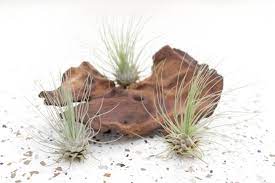
  • Mounted on Driftwood: Attach air plants to driftwood or other natural materials for a rustic look.
  • Glass Globes: Place air plants in glass globes that can hang in windows or rest on shelves.
  • Wall Frames: Create a living wall by attaching air plants to a framed wire grid.

In conclusion air plants are an excellent choice for those looking to add a touch of greenery to their home without the fuss of traditional houseplants. By understanding the different types of air plants and providing them with proper care, you can enjoy their unique beauty and enhance your living space. Happy planting!

Natural Solutions for Garden Pest and Disease Control

Maintaining a thriving garden requires careful attention to the health and well-being of your plants. However, pesky pests and insidious diseases can often thwart your gardening efforts. While chemical pesticides and fungicides may offer a quick solution, they can also pose risks to human health, pets, and the environment. Fortunately, there are natural alternatives that are both effective and safe.

In this guide, we’ll explore three home remedies that can help you combat garden pests and diseases while prioritizing the well-being of your plants, family, and furry friends.

1. Neem Oil Spray for Pest Control: Neem oil, derived from the seeds of the neem tree (Azadirachta indica), has long been revered for its insecticidal and fungicidal properties. When properly diluted, neem oil can effectively control a wide range of garden pests, including aphids, mites, and caterpillars, while also combating fungal diseases like powdery mildew and rust. Unlike synthetic pesticides, neem oil is biodegradable and poses minimal risk to beneficial insects, wildlife, and the environment.

2. Garlic and Chili Pepper Spray for Pest Deterrence: Harnessing the power of nature’s own repellents, a homemade garlic and chili pepper spray can help deter common garden pests without harming beneficial insects or plants. Garlic contains sulfur compounds that repel insects, while chili peppers contain capsaicin, which acts as a natural insect deterrent. By blending these ingredients with water and applying the solution to vulnerable plants, you can create a barrier against pests while promoting a healthy garden ecosystem.

3. Baking Soda Solution for Fungal Diseases: Fungal diseases like powdery mildew and black spot can quickly spread among garden plants, causing unsightly damage and diminished yields. Baking soda, a pantry staple, offers a simple yet effective solution for controlling fungal infections. When mixed with water and a small amount of liquid soap, baking soda creates an alkaline environment on plant surfaces, inhibiting the growth of fungi without harming plants or beneficial microorganisms.

By incorporating these natural remedies into your gardening routine, you can effectively manage pests and diseases while minimizing risks to your health, pets, and the environment. Remember to always follow application guidelines and observe any precautions to ensure optimal results and a flourishing garden.

Home is Where the Boat Is

Potting, Puttering & Pontooning

Cats and Trails and Garden Tales

Musings on cats, travel, gardens and life

Leaf And Twig

Where observation and imagination meet nature in poetry.

phillipsplace

A new beginning, mobile home living, adding our style inside and out.

Ruth E. Hendricks

Daily Journal of Life in Pittsburgh

The Haute Mommy Handbook

Motherhood Misadventures + Creative Living

Suzanne's Mom's Blog

Arts, Nature, Good Works, Luna & Stella Lockets & Birthstones

𝑻𝒐𝒓𝒏𝒂𝒅𝒐 𝑶𝒇 𝑪𝒉𝒂𝒐𝒔 🌪

Thoughts, experiences and learnings in a turbulent time

Sarah Rajkotwala - Author & Spiritual Teacher blog

Gardening Fairies Flowers Spirituality Angels Love Joy

Ideas and Advice for How To Live a Joyful and Empowered Life.

All Things Empowering - Healing Ourselves & Earth, Self-Sufficiency, Food Forests, Gardening, Art, Road Trips, Preserving, Foraging, Permaculture, Homesteading and More!

AmericaOnCoffee

We’re just inviting you to take a timeout into the rhythmic ambiance of our breakfast, brunch and/or coffee selections. We are happy whenever you stop by.

Heart to Hearth Cookery

Sharing my Experimental Archaeology of Food

The Herb Society of America Blog

Learn • Explore • Grow