Share your Planting Plans

Hey there, fellow garden enthusiasts!

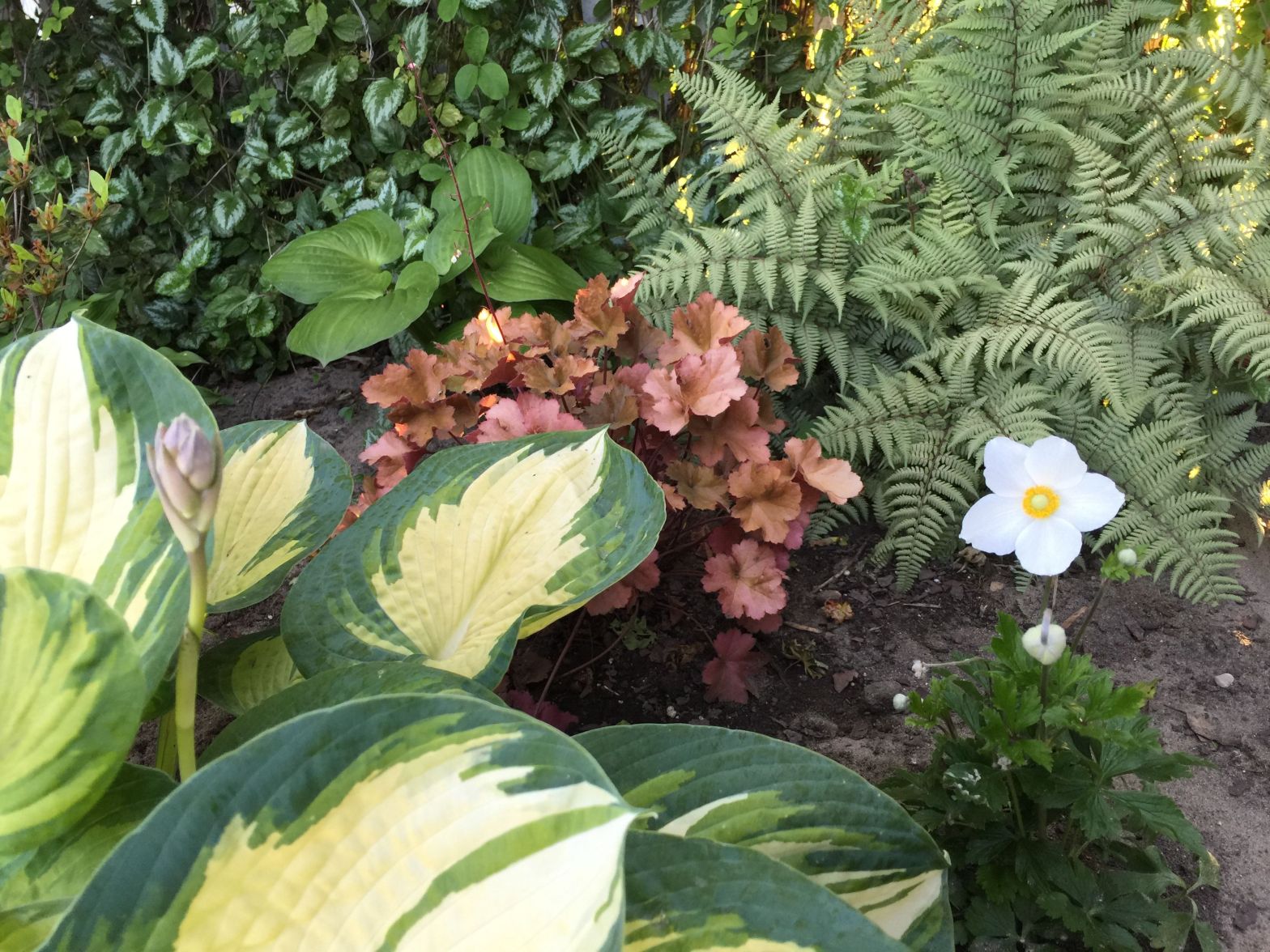
As the vibrant colors of spring start to blossom, so does our excitement for another fruitful gardening season. Whether you’re an experienced green thumb or just starting out, there’s something undeniably special about nurturing plants and watching them flourish. And what better way to celebrate this shared passion than by sharing in the comments what you have been planting!

We invite you to be a part of our garden journey this year by sharing what you’ve planted or plan to plant in your flower or vegetable garden. Whether it’s a single potted plant on your windowsill or an elaborate backyard oasis, every garden tells a unique story.

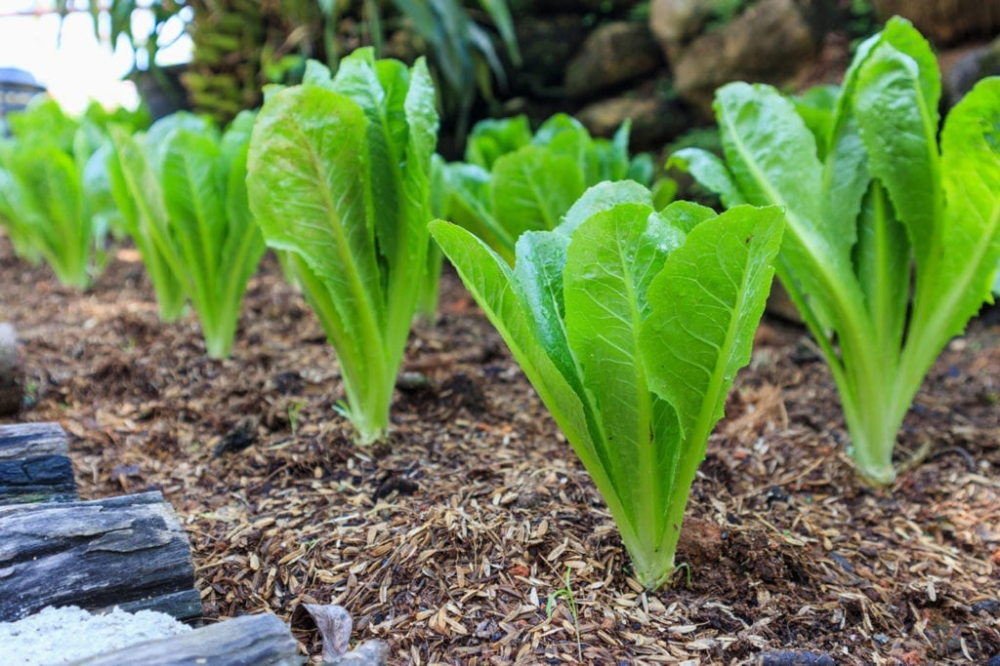
To kick things off, here’s a glimpse into what we’ve been up to in our own little corner of green paradise. We’ve started our raised garden beds with an assortment of delights: potatoes, spinach, mint, tomatoes, eggplants, celery, corn, okra, squash, and an array of aromatic herbs. The sight of these vibrant greens is enough to make our mouths water and our hearts sing with anticipation for the harvest to come.

But enough about us—now we want to hear from you! What are you growing this year? Are you experimenting with new varieties, sticking to old favorites, or perhaps trying your hand at gardening for the very first time? Whether it’s a sprawling vegetable patch or a charming window box of blossoms, we’d love to hear all about your gardening adventures.

Join our garden community by dropping a comment below and sharing your planting plans, tips, and triumphs. Let’s inspire and support each other as we cultivate beauty and bounty in our own little patches of earth.

Happy gardening!

Maximizing Your Mid-Spring Vegetable Garden

As the warmth of spring settles in and daylight hours lengthen, our vegetable gardens burst with life. Mid-spring is a critical time for nurturing those hardy seedlings and planting new varieties that thrive in the changing conditions. Here’s a guide to what to do in your vegetable garden during mid-spring and how to care for your precious plants.

1. Nurturing Hardy Seedlings:

By mid-spring, your seedlings have likely developed strong roots and sturdy stems. Now, it’s all about maintaining their growth and ensuring they continue to flourish. Here are some tips:

  • Watering: Consistent watering is key. Aim for deep, thorough watering rather than frequent shallow watering to encourage deep root growth.
  • Mulching: Mulch around your seedlings to retain moisture, suppress weeds, and regulate soil temperature.
  • Support: Stake tall or vining plants like tomatoes, cucumbers, and beans to keep them upright and prevent them from sprawling.

2. Choosing Mid-Spring Veggies:

Mid-spring is the perfect time to expand your vegetable garden with new varieties that thrive in the warmer weather ahead. Consider these options:

  • Tomatoes: Plant tomato seedlings once the threat of frost has passed. Choose varieties suited to your climate and consider using cages or stakes for support.
  • Peppers: Both sweet and hot pepper varieties can be planted in mid-spring. Ensure they receive adequate warmth and sunlight.
  • Cucumbers: Start cucumber seeds directly in the ground or transplant seedlings. Provide them with a trellis or support structure for vertical growth.

3. Caring for Mid-Spring Veggies:

Once your mid-spring vegetables are planted, proper care is essential to ensure a bountiful harvest. Here’s what you need to do:

  • Fertilizing: Feed your plants with a balanced fertilizer to provide essential nutrients for growth and development.
  • Pruning and Thinning: Regularly prune away diseased or damaged foliage to promote airflow and reduce the risk of pests and diseases. Thin crowded seedlings to give each plant ample space to grow.
  • Pest Control: Keep an eye out for common garden pests such as aphids, caterpillars, and slugs. Employ organic pest control methods such as handpicking, companion planting, or introducing beneficial insects.
  • Weed Management: Regularly remove weeds to prevent them from competing with your vegetable plants for nutrients and sunlight.

By following these tips, you can make the most of your mid-spring vegetable garden and enjoy a season filled with delicious, homegrown produce. Happy gardening!

Creating a Sensory Garden for Kids

In today’s tech-savvy world, children often find themselves immersed in screens, disconnected from the vibrant world around them. However, there’s a simple yet profound way to reconnect them with nature and stimulate their senses – by creating a sensory garden. A sensory garden is a space designed to engage all five senses, offering a hands-on, immersive experience that fosters curiosity, creativity, and a deeper connection to the natural world. Here, we’ll explore how to craft a sensory garden specifically tailored to children, with a focus on four delightful ideas for a flower garden that will enchant and inspire young minds.

  1. The Rainbow Garden: Embrace the vibrant hues of the rainbow by curating a flower garden bursting with color. Choose a variety of flowers in different shades, from the fiery red of poppies to the sunny yellow of daffodils, the soothing blue of forget-me-nots, and the regal purple of lavender. Plant them in color-coordinated clusters or create a rainbow spectrum winding through the garden beds. Encourage children to explore the garden and identify colors, fostering their visual perception and appreciation for nature’s palette.
  2. The Fragrance Haven: Engage the sense of smell by cultivating a garden filled with fragrant blooms. Select flowers renowned for their captivating scents, such as roses, jasmine, lavender, and sweet peas. Arrange them strategically along pathways or in raised beds, allowing children to brush against the foliage and release intoxicating aromas. Encourage them to close their eyes and inhale deeply, identifying different scents and associating them with specific flowers. This sensory experience not only heightens their olfactory senses but also instills a lifelong love for fragrant flora.
  3. The Texture Trail: Stimulate tactile exploration with a texture-rich flower garden that invites touch and exploration. Incorporate a diverse array of plants with varying textures, from the velvety petals of pansies to the fuzzy leaves of lamb’s ear and the smooth, waxy surfaces of magnolia blooms. Create tactile stations where children can feel and compare different textures, encouraging them to use adjectives like “soft,” “rough,” and “smooth” to describe what they encounter. This hands-on approach not only deepens their sensory awareness but also fosters an appreciation for the intricacies of plant life.
  4. The Pollinator Paradise: Foster an appreciation for biodiversity and ecological harmony by establishing a pollinator-friendly flower garden. Choose nectar-rich flowers that attract bees, butterflies, and hummingbirds, such as sunflowers, coneflowers, bee balm, and butterfly bush. Create a haven for pollinators by planting clusters of these flowers together, providing a vital food source for these essential creatures. Encourage children to observe pollinators in action, noting their behavior and role in the garden ecosystem. By cultivating a pollinator paradise, you not only enrich the sensory experience but also instill a sense of environmental stewardship in young gardeners.

In a world dominated by screens and synthetic stimuli, the simple joys of a sensory garden offer a refreshing antidote, awakening children’s senses and nurturing their connection to the natural world. Whether it’s exploring a rainbow of colors, inhaling the sweet fragrance of blooms, or feeling the textures of petals and leaves, every moment spent in the sensory garden is an opportunity for discovery and wonder. By embracing these four enchanting ideas for a flower garden, you can cultivate a space where children can explore, learn, and connect with the beauty and magic of nature. So roll up your sleeves, dig in the dirt, and watch as your sensory garden blossoms into a sanctuary of sensory delights for children of all ages to enjoy.

Dollar Store Glass Garden Mushrooms

Create a fun gardening décor in your flower beds or on your front porch! This project is super quick to make and easy on any budget.  It’s a great way to add a little decoration and color to the garden:

Materials:

– Colored glass vases

– 5 inch glass bowls

– Bag of river rocks

– E6000 glue

1st: Clean your vases and bowls to make the sparkle clean.

2nd: Add river rocks to each vase until one third full

3rd: Run a line of the glue over the top edge of each vase

4th: Set upside down bowl on top of each vase, being careful that it is 

straight and wait for the glue to dry and cure.

5th: Place them out in the garden and enjoy the added whimsy.

Share in the comments any DIY gardening that you have created!

Gardening books

Gardening books can offer a wealth of knowledge and insight into the intricate world of cultivating plants and nurturing outdoor spaces. Within their pages, enthusiasts and novices alike discover a treasure trove of wisdom, ranging from practical tips on soil preparation and plant care to the artistry of landscape design. These books not only impart essential techniques but also foster a deeper appreciation for the natural world and its processes. As readers immerse themselves in the texts, they embark on a journey of discovery and gaining the confidence to transform their own patches of land into vibrant, flourishing gardens. Whether seeking guidance on growing vegetables, cultivating ornamentals, or simply seeking solace in the beauty of botanical prose, gardening books offer a window into a world of endless possibilities, where every page holds the promise of growth and inspiration.

I have listed below a few gardening books that I love to use with my kids and for myself. Each of these books can be found on Amazon. ( I have provided the link for each book)

The Ultimate Raised Bed & Container Gardening Guide For Beginners: Grow Your Own Vegetables, Herbs, Fruits, and Cut Flowers with this Amazing Handbook by Olivia Phillips (guide offers step-by-step instructions to set up your own raised beds and containers, demonstrating how to create a fertile environment for your plants no matter the size of your gardening space. It helps you select the right containers, soil, and tools, ensuring that your green endeavors are off to a promising start.

The book delves into the specifics of growing a variety of vegetables, herbs, fruits, and cut flowers. Learn how to plant:

  • Tomatoes
  • Cucumbers
  • Basil
  • Strawberries
  • Roses
  • Link to the book :

https://amzn.to/49ijFSC

Let’s Get Gardening Hardcover – by DK (Packed with step-by-step activities, this book teaches children ages 5-8 how to grow garden staples like tomatoes, pumpkins, and zucchini with photographic examples. Each project includes a complete materials list, planting guide, and tips on harvesting your fruits and vegetables, providing plenty of support for kids from start to finish. The book also offers advice on creating creature-friendly spaces within your garden, such as a bee hotel, a ladybug sanctuary, and a home for frogs and toads.  Link to book:

https://amzn.to/3VBbMV3

Easy Peasy: Gardening for Kids Hardcover – Picture Book, May 21, 2019

by Little Gestalten

An introduction to easy gardening so you can grow everywhere and anywhere. Whether you live in the city or the countryside, there are plenty of places you can plant and grow. For a new generation of green fingers there are different ways to bring nature into the home. Make your own pots, build balcony boxes, create your own bird feeders and even get friendly with worms! Each activity has been carefully chosen to create living, renewable and sustainable environments for kids and their families. 

Link to book:

https://amzn.to/3VA8p0C

Companion Planting for Beginners: Pair Your Plants for a Bountiful, Chemical-Free Vegetable Garden Paperback by Brian Lowell 

Companion planting is the ideal way to avoid using chemicals, while still increasing the efficiency of your garden. Expert organic gardener Brian Lowell will teach you how to use plants to create a beautiful, vibrant vegetable garden that will be free of toxic chemicals.

Here’s what you’ll find inside:

  • Handy companion planting pairings for all of the most common garden vegetables
  • Practical, simple photography and colorful illustrations for dozens of beneficial planting configurations
  • Expert advice from a master gardener that is specifically designed for beginners
  • Loads of troubleshooting tips for fixing common issues with companion-planted gardens
  • Tips for setting up the perfect vegetable garden, including practical advice on watering, soil management, and troubleshooting
  • link to book:

https://amzn.to/3vwcYyp

So, if you are looking for a new book to help improve your gardening skills, try at least one of these for this season!

Home is Where the Boat Is

Potting, Puttering & Pontooning

Cats and Trails and Garden Tales

Musings on cats, travel, gardens and life

Leaf And Twig

Where observation and imagination meet nature in poetry.

phillipsplace

A new beginning, mobile home living, adding our style inside and out.

Ruth E. Hendricks

Daily Journal of Life in Pittsburgh

The Haute Mommy Handbook

Motherhood Misadventures + Creative Living

Suzanne's Mom's Blog

Arts, Nature, Good Works, Luna & Stella Lockets & Birthstones

𝑻𝒐𝒓𝒏𝒂𝒅𝒐 𝑶𝒇 𝑪𝒉𝒂𝒐𝒔 🌪

Thoughts, experiences and learnings in a turbulent time

Sarah Rajkotwala - Author & Spiritual Teacher blog

Gardening Fairies Flowers Spirituality Angels Love Joy

Ideas and Advice for How To Live a Joyful and Empowered Life.

All Things Empowering - Healing Ourselves & Earth, Self-Sufficiency, Food Forests, Gardening, Art, Road Trips, Preserving, Foraging, Permaculture, Homesteading and More!

AmericaOnCoffee

We’re just inviting you to take a timeout into the rhythmic ambiance of our breakfast, brunch and/or coffee selections. We are happy whenever you stop by.

Heart to Hearth Cookery

Sharing my Experimental Archaeology of Food

The Herb Society of America Blog

Learn • Explore • Grow