How to expand the growth of Xerographica air plants

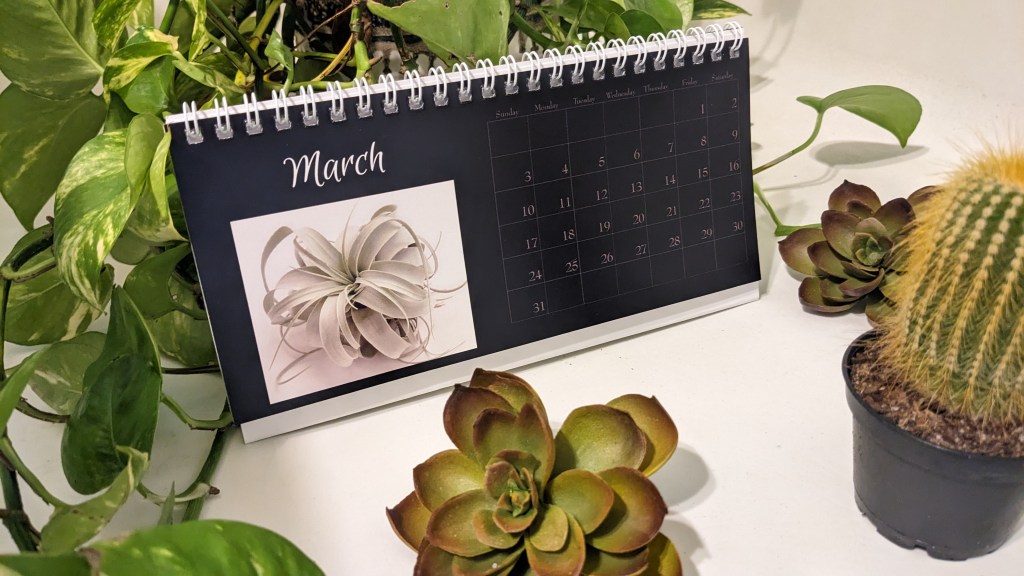
Xerographica air plants (Tillandsia xerographica) are unique and stunning plants that can be a great addition to your indoor plant collection. Here are some tips to help you expand the growth of Xerographica air plants:

  • Light: Xerographica air plants thrive in bright, indirect light. Place them near a window with filtered sunlight. Avoid direct sunlight, as it can scorch their leaves.
  • Air Circulation: Air plants need good air circulation to prevent moisture from accumulating on their leaves, which can lead to rot. Ensure proper ventilation in the room or use a fan to keep the air moving.
  • Watering: Watering is crucial for air plants, but they have unique needs. Mist your Xerographica air plant with water 2-3 times a week, or soak it in water for about 20-30 minutes every 1-2 weeks. After watering, ensure the plant has a chance to dry within 4 hours. Excess moisture can lead to rot.
  • Water Quality: Use purified or filtered water for misting or soaking. Tap water containing chlorine or other chemicals can harm the plant. If using tap water, let it sit out for a day to allow 
  • chlorine to dissipate.
  • Fertilization: Feed your Xerographica air plant with a diluted, balanced liquid fertilizer once a month during the growing season (spring to early fall). Look for a fertilizer specifically formulated for air plants or epiphytic plants.
  • Temperature: Xerographica air plants prefer temperatures between 50°F and 90°F (10°C to 32°C). Protect them from extreme cold or hot conditions.
  • Grooming: Gently remove any dead or dried leaves from the plant to promote healthy growth and prevent pests.
  • Mounting: Xerographica air plants can be mounted on various surfaces like driftwood, rocks, or decorative holders. Ensure the mounting material is dry and allows air to circulate around the plant.
  • Avoid Soil: Air plants do not need soil to grow. They are epiphytic, which means they naturally attach themselves to other surfaces and obtain nutrients from the air and water.
  • Regular Inspection: Keep an eye on your Xerographica air plants for any signs of pests or diseases. If you notice any issues, address them promptly to prevent the spread.

Remember that the key to success with Xerographica air plants is to recreate their natural habitat as closely as possible. With proper care, you can enjoy the unique beauty and growth of these fascinating plants.

How to fix stretched out succulent?

If your succulent has become stretched out or “etiolated,” it’s a sign that it’s not receiving enough light. Etiolation occurs when a succulent doesn’t get sufficient sunlight and starts to grow taller with larger gaps between its leaves. To fix this issue and help your succulent regain its compact and healthy form, follow these steps:

  • Increase Sunlight Exposure: Succulents thrive in bright, indirect sunlight. Place your succulent in a location where it receives at least 6 hours of sunlight per day. If you’re growing it indoors, consider placing it near a south-facing window. If growing outdoors, choose a spot with adequate sunlight.
  • Gradual Transition: If your succulent has been indoors for a while and is not used to direct sunlight, introduce it to direct sunlight gradually. Sudden exposure to intense sunlight can damage the leaves. Start by placing it in a spot with filtered sunlight, and over the course of a week or two, move it to a location with more direct sunlight.
  • Prune and Propagate: If the stretched growth is too extensive, you might consider pruning your succulent to encourage new growth. Use clean, sharp scissors or pruning shears to carefully trim the elongated stems. After pruning, you can propagate the cuttings to grow new succulent plants. Allow the cuttings to dry and callus for a day or two, then plant them in well-draining soil.
  • Replanting: If your succulent’s lower leaves are healthy, you can also try replanting it deeper in the soil. Gently remove the succulent from its pot and bury the lower stem deeper into the soil. This will encourage new growth from the base and help the plant become more compact.
  • Proper Watering: Adjust your watering routine to match the increased light exposure. With more sunlight, the soil will dry out faster. Water your succulent thoroughly but allow the soil to dry out completely between waterings. Overwatering can lead to root rot, which further stresses the plant.
  • Use Proper Soil: Make sure you’re using a well-draining succulent or cactus mix. This prevents water from accumulating around the roots and causing rot.
  • Fertilize While proper nutrition is important, avoid over-fertilizing your succulent. Use a diluted, balanced liquid fertilizer during the active growing season (spring and summer) and reduce or stop fertilizing in the dormant season (fall and winter).

Remember that it might take some time for your succulent to recover and return to its compact form. Be patient and consistent in providing the right care, and your succulent should gradually improve.

Guide to Tillandsia Bulbosa Care

Imagine a plant that defies traditional notions of cultivation, a botanical wonder that thrives without soil, surviving solely on air and a touch of moisture. Tillandsia bulbosa, a remarkable epiphytic air plant that has captivated the hearts of plant enthusiasts worldwide. In this blog, we will delve into the intriguing world of Tillandsia bulbosa, uncovering its unique characteristics and providing insights into how to care for this extraordinary plant.

Unveiling Tillandsia Bulbosa

Tillandsia bulbosa, also known as the Bulbous Air Plant or the Bulbosa Air Plant, is a member of the Bromeliaceae family, which includes thousands of species of epiphytic plants. Native to parts of Central America, northern South America, and the Caribbean, Tillandsia bulbosa stands out for its distinctive appearance. Unlike conventional plants that rely on roots for anchorage and nutrient absorption, this air plant secures itself to tree branches, rocks, or other surfaces using its wiry roots, while its striking appearance adds a touch of mystique to any space.

Physical Characteristics

One of the most intriguing features of Tillandsia bulbosa is its bulbous base, from which its name is derived. This bulbous structure not only serves as a reservoir for water but also imparts a visually unique and aesthetically pleasing quality to the plant. The leaves of Tillandsia bulbosa are thin, green, and curl outwards, creating a mesmerizingly intricate form. Depending on the variety and conditions, the leaves can take on shades ranging from vibrant green to deep red or even purple.

Caring for Tillandsia Bulbosa

While Tillandsia bulbosa is relatively low-maintenance compared to traditional potted plants, it still requires some specific care to thrive and display its stunning beauty to the fullest. Here’s a comprehensive guide to help you provide the ideal conditions for your Tillandsia bulbosa:

1. Light: Place your Tillandsia bulbosa in bright, indirect sunlight. These plants thrive in natural light but should be protected from direct, intense sunlight, as it can cause the leaves to burn.

2. Water: Tillandsia bulbosa’s unique water storage capability allows it to survive without soil. Mist the plant with water using a spray bottle every 1-2 weeks, ensuring that water reaches the base of the leaves and the bulbous structure. If your environment is particularly dry, you might need to mist it more frequently. Avoid water stagnation in the leaf crevices, as this can lead to rot.

3. Air Circulation: True to their name, air plants require good air circulation. Ensure that your Tillandsia bulbosa is placed in a location where air can circulate freely around the plant. This helps prevent excess moisture buildup and maintains overall plant health.

4. Temperature: Tillandsia bulbosa prefers moderate temperatures, typically ranging from 50°F to 90°F (10°C to 32°C). Avoid exposing the plant to extreme cold or heat, as it can be detrimental to its health.

5. Fertilization: Feed your Tillandsia bulbosa once a month with a diluted, balanced, water-soluble fertilizer during the growing season (spring through early fall). Use a fertilizer specially formulated for air plants or bromeliads, and ensure that it doesn’t contain copper, as copper can be toxic to these plants.

6. Display: Get creative with your display options! You can place Tillandsia bulbosa in decorative containers, hang them in glass terrariums, or mount them on driftwood or rocks. Just make sure that your chosen display method allows for proper air circulation and drainage.

Tillandsia bulbosa stands as a testament to the diverse beauty of the plant kingdom. Its unique appearance, combined with its air-purifying properties and minimal care requirements, makes it a wonderful addition to any indoor space. By following the care guidelines outlined in this blog, you can enjoy the ethereal elegance of Tillandsia bulbosa and embark on an enchanting journey into the world of air plants.

Benefit to planting flowers

Planting flowers not only adds beauty to your surroundings but also offers a range of healthful benefits that can positively impact your physical, mental, and emotional well-being. Here are some of the benefits:

  • Stress Reduction: Being around nature and beautiful flowers has been shown to reduce stress and promote relaxation. The colors and scents of flowers can have a calming effect on the mind, helping to lower cortisol levels and ease tension.
  • Mood Enhancement: Flowers have the power to lift your mood and enhance feelings of happiness. The vibrant colors and pleasant fragrances trigger the release of endorphins, the body’s natural feel-good chemicals.
  • Improved Air Quality: Many plants, including flowers, help improve indoor and outdoor air quality by absorbing pollutants and releasing oxygen. They can also remove toxins from the air, creating a healthier environment to breathe in.Planting flowers encourages a deeper connection to nature. 
  • Engaging in gardening and nurturing plants can foster a sense of purpose and a feeling of being connected to the natural world. Gardening, including planting and tending to flowers, provides a moderate form of physical exercise. Digging, planting, watering, and weeding can help improve muscle strength, flexibility, and overall fitness.
  • Cognitive Benefits: Gardening and taking care of flowers can stimulate cognitive functions such as problem-solving, attention to detail, and creativity. Planning and arranging a garden layout or choosing complementary flower colors can challenge the brain in a positive way.Spending time in a garden or tending to flowers encourages mindfulness—being present in the moment. This can lead to relaxation and reduced anxiety as you focus on the task at hand.
  • Boosted Creativity: The act of designing and arranging flowers can stimulate your creativity. Experimenting with different colors, shapes, and arrangements allows you to express your artistic side.
  • Social Interaction: Gardening and participating in community gardening events can provide opportunities for social interaction. Sharing tips, experiences, and even exchanging flowers with neighbors or friends can foster connections.Planting flowers involves learning about different plant species, their growth requirements, and gardening techniques. This continuous learning process can enhance your knowledge and skills.
  • Natural Healing: Horticultural therapy, which involves working with plants and nature, has been used to aid in the healing process for individuals recovering from physical or mental health challenges. 
  • Flowers play a significant role in this therapeutic approach.

Incorporating flowers into your environment, whether it’s through gardening or simply placing potted plants indoors, can offer a variety of healthful benefits that contribute to your overall well-being.

Let’s get dirty

Dear beloved readers,

Exciting news! I am thrilled to announce the launch of our brand new monthly newsletter – a green paradise for all plant enthusiasts! This newsletter will be your exclusive gateway to discover the best-kept secrets of plant care, indulge in thrilling DIY plant projects, and access fabulous monthly coupons to elevate your gardening experience. Whether you’re a seasoned plant parent or just starting your journey into the world of plants, this newsletter promises to be a source of inspiration, knowledge, and savings. Join our community of like-minded green thumbs, and let’s embark on a botanical adventure together. Don’t miss out on the chance to cultivate your plant passion to new heights. Subscribe now and let the green magic begin!

Follow the link to sign up

https://printhousedesign.aweb.page/p/0af57b2b-75b6-4703-9e77-27ae244cd9e3

Home is Where the Boat Is

Potting, Puttering & Pontooning

Cats and Trails and Garden Tales

Musings on cats, travel, gardens and life

Leaf And Twig

Where observation and imagination meet nature in poetry.

phillipsplace

A new beginning, mobile home living, adding our style inside and out.

Ruth E. Hendricks

Daily Journal of Life in Pittsburgh

The Haute Mommy Handbook

Motherhood Misadventures + Creative Living

Suzanne's Mom's Blog

Arts, Nature, Good Works, Luna & Stella Lockets & Birthstones

𝑻𝒐𝒓𝒏𝒂𝒅𝒐 𝑶𝒇 𝑪𝒉𝒂𝒐𝒔 🌪

Thoughts, experiences and learnings in a turbulent time

Sarah Rajkotwala - Author & Spiritual Teacher blog

Gardening Fairies Flowers Spirituality Angels Love Joy

Ideas and Advice for How To Live a Joyful and Empowered Life.

All Things Empowering - Healing Ourselves & Earth, Self-Sufficiency, Food Forests, Gardening, Art, Road Trips, Preserving, Foraging, Permaculture, Homesteading and More!

AmericaOnCoffee

We’re just inviting you to take a timeout into the rhythmic ambiance of our breakfast, brunch and/or coffee selections. We are happy whenever you stop by.

Heart to Hearth Cookery

Sharing my Experimental Archaeology of Food

The Herb Society of America Blog

Learn • Explore • Grow