How to water Air Plants

Watering Air Plants IS SIMPLE AND SUPER EASY! 

Welcome to the exciting world of air plants! Congratulations on your recent purchase of these unique and fascinating botanical wonders. Air plants, scientifically known as Tillandsia, are a captivating addition to any indoor or outdoor space, requiring minimal care and offering maximum beauty.

As your air plant settles into its new environment, it’s essential to understand its water requirements to ensure it thrives and maintains its stunning appearance. Unlike traditional potted plants, air plants absorb water through their leaves, making the watering process quite different. Finding the right balance between underwatering and overwatering is the key to their success.

In this introduction, we’ll explore the best practices for watering your air plant, how to gauge its hydration needs, and essential care tips to ensure your new botanical companion stays healthy and vibrant for years to come. So, let’s dive into the wonderful world of air plants and learn how to provide the nurturing they need to flourish!

TWO options on watering for your amazing plant: 

  • Mist the Air Plant: Fill a spray bottle with clean, chlorine-free water ( rain water collected or bottled water)and mist the air plant’s leaves thoroughly. Do this 2-3 times a week, depending on the humidity of your environment. The leaves will absorb the water through their trichomes, which are small, hair-like structures that cover the plant’s surface.
  • Soak the Air Plant: Submerge the air plant in a bowl or sink filled with rain or bottle collected  water for about 8-10 minutes every week. Ensure the water is at room temperature. After soaking, gently shake the excess water off the plant and let it dry upside down to avoid water pooling at the base.

In my opinion I love using the soaking method because it works and my plants have flourished over time.  Have I ever left my plant in the water longer than those precious minutes? – Yes (lol) and my plant died, so when doing the soaking method MAKE SURE YOU SET A TIMER! 

Overall, taking care of your air plant is an enriching journey that fosters a sense of mindfulness, appreciation for nature’s wonders, and a more vibrant and sustainable living space. With proper care and love, your air plant will continue to flourish, providing you with endless joy and satisfaction in return.
Making a Kokedama

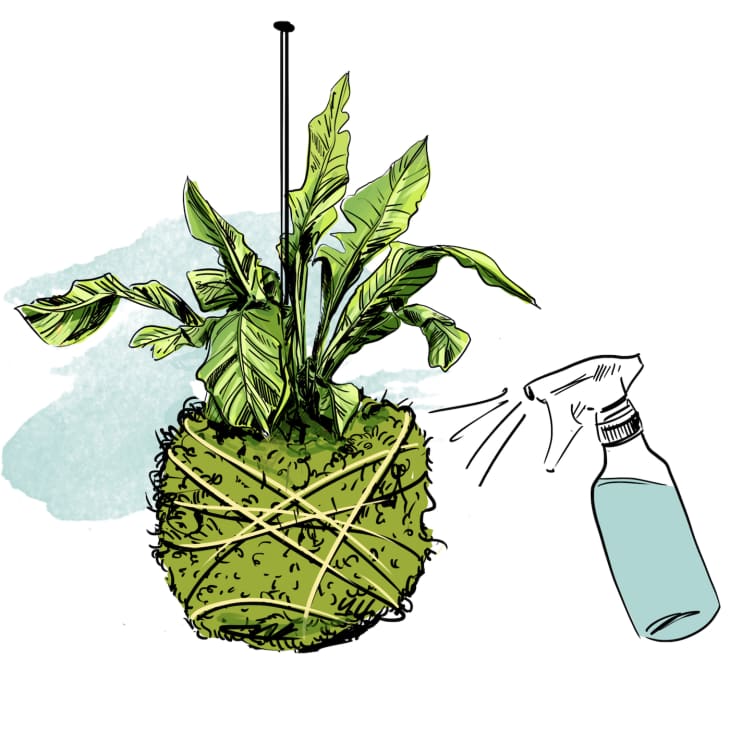
A Kokedamaβ€”a Japanese moss ballβ€”let me introduce you to the ultimate small-space garden. Floating in midair, these plants don’t take up surface space, or even wall space. Plus, you don’t have to shell out money for a pretty container, as each plant is contained in its own moss-covered pod and is suspended from the ceiling using inexpensive twine. If you’re as convinced as we are that this is the gardening solution our tiny homes have been waiting for, follow these steps to make your own.  Choosing a plant for your hanging string garden, pick one that doesn’t require full sun, because moss prefers a shady environment. A plant with a small roots system is also best. Here are some varieties that won’t mind hanging out in a shady spot.

  • Many varieties of fern, including maidenhair ferns and bird’s nest ferns
  • Staghorn ferns
  • Jade
  • Pothos
  • Philodendron
  • Begonias
  • Succulents
  • Spider plants

What You’ll Need

  • A small plant (see our note on picking the right plants, below)
  • Bonsai soil (like this stuff)
  • Peat moss (like this from Home Depot)
  • Clay (such as Bentonite clay, which works as a binding agent)
  • Sheet moss (found at Home Depot)
  • Twine

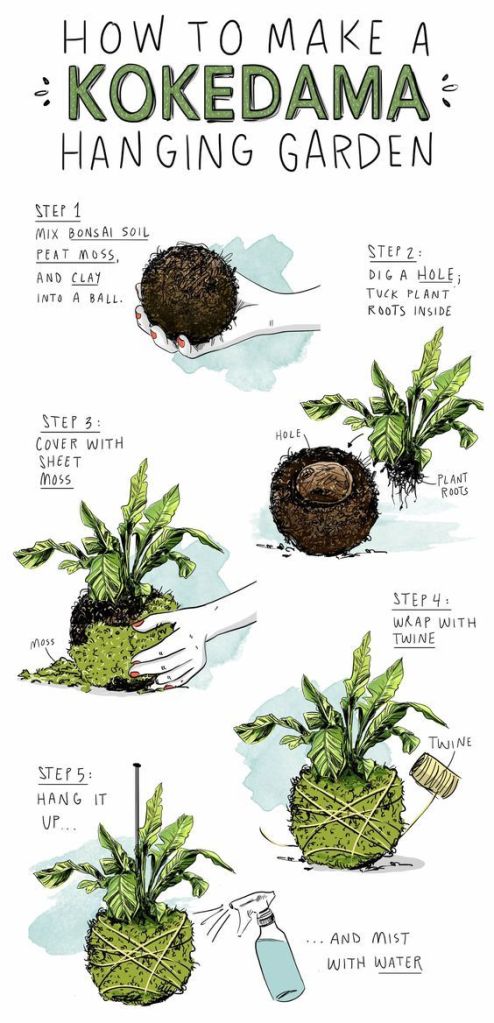
1. Mix the bonsai soil, peat moss and clay into a ball, following an approximate ratio of 70% bonsai soil and 30% peat moss-clay mixture. Moisten the mix with water so that all of the elements bind together. Creating a soil that won’t fall about, yet isn’t so dense that the plant roots can’t breathe is important for your kokedama to thrive.

2. Using your thumbs, dig out a small hole in the center of the soil ball. Brush any excess soil off the plant roots before tucking them into the hole and molding the soil around the roots.

3. Cover the ball with sheet moss, gently pressing sections of moss into the soil. Don’t worry if it doesn’t stick firmly in place at this pointβ€”wrapping with twine (step 4) will help.

4. Wrap the ball with twine, making sure to cover all sides, including the bottom, before securing with a knot. To hang up the kokedama, cut another long piece of twine and tie it onto both sides of the ball.

5. Hang up the Kokedama in a slightly shady spot and mist with water. When it’s time to water your plant, submerge the moss ball in a bucket of water, plant side-up, and allow it to soak up the water for 5 to 10 minutes. Then enjoy!

Plants to grow for cats

Instead of seeing your favorite plants suffer the fate of the curious claw, try growing plants especially appealing to cats, with attractive aromas, chemical curiosities and all-around interest for a cat on the hunt for your houseplants.

Catnip

This member of the mint family has earned its reputation as a favorite for cats. Although its intoxicating effects only affect about 50% of cats, those who love it are sure to let you know. Catnip is nontoxic, easy to grow and drives many cats to joyful frenzy.

Valerian

Its clustered white flowers will attract pollinators to the yard and its root is sometimes employed as a calmative and sleep aid in humans, but this pungent plant is also a stimulant for cats and triggers a response similar to that of catnip. Although valerian is sometimes used in perfumes, some find the odor objectionable.

Cat Thyme

This slow-grower is another surprisingly feline stimulant and is often effective with cats for which catnip has no impact. Blooms in summer with strong-scented pink flowers. 

Licorice Root

Cats love the taste of this familiar root, but it also happens to be very good for their health. An anti-inflammatory, licorice root can sooth an arthritic animal, promotes liver health and can help resolve digestive issues. 

Cat Grass

Cat grass refers to any number of cat-friendly grasses, including wheat, oat and barley grasses. Although these grasses are not stimulants like catnip, cats are drawn to occasionally eat small amounts. Good for digestion, an aid in resolving hairballs and providing nutrients less common in pet foods, cat grass is a easy and attractive way to support kitty health.

Lemongrass

A mild stimulant that offers the same benefits of some of the other cat-appropriate grasses, lemongrass is a favorite to have around for cats and humans alike. Easy to cultivate indoors or out.

Mint

Cats love the smell of mint and mint plants are easy and prolific growers, making it a popular choice when feline destruction is at hand. Cats are more likely to sniff and roll around in mint than eat it, but peppermint may cause an upset tummy in cats if eaten in large amounts. 

By cultivating these plants, cat owners can create an enriching and enjoyable space for their furry friends, promoting their physical and mental stimulation. Moreover, the act of gardening and tending to these plants can be a therapeutic and fulfilling activity for humans as well. Overall, growing catnip, lemon grass, and mint is a wonderful way to enhance the lives of cats and their owners while fostering a deeper connection with nature.

Creating an Enchanting Indoor Fairy Garden with Small Plants

 Imagine bringing the whimsical beauty of a fairy garden indoors, transforming a small corner of your home into a magical oasis. Creating an indoor fairy garden with small plants is a delightful and creative project that can captivate both children and adults alike. In this blog, we will guide you through the steps to design and craft your very own enchanting miniature world.

Step 1: Planning and Designing Before you begin, take some time to envision the layout and design of your indoor fairy garden. Consider the space you have available, whether it’s a windowsill, a tabletop, or a dedicated shelf. Sketch out your ideas or create a mood board to help visualize the overall concept.

Step 2: Selecting the Container Choose a suitable container for your fairy garden. It could be a shallow planter, a decorative tray, a terrarium, or even a repurposed container like an old teacup or a wooden box. Ensure that the container has drainage holes or a layer of rocks at the bottom to prevent waterlogging.

Step 3: Gathering Materials Collect an assortment of materials to create a magical atmosphere. These may include small pebbles or gravel, moss, miniature accessories such as fairy figurines, tiny furniture, and decorative elements like tiny fences, stepping stones, or fairy lights. You can find a variety of miniature garden supplies at local garden centers or online retailers.

Step 4: Choosing the Perfect Plants Selecting the right plants is crucial for an indoor fairy garden. Opt for small plants that will stay compact and can thrive in indoor conditions. Succulents, such as Echeveria, Haworthia, or Sedum, are excellent choices as they require minimal care and add a unique texture to the garden. Other suitable options include miniature ferns, ivy, and small flowering plants like African violets or primroses.

Step 5: Creating the Fairy Landscape Begin by filling the container with well-draining potting soil. Consider adding a layer of activated charcoal to keep the soil fresh. Next, position your plants strategically, leaving enough space for pathways and focal points. Place the taller plants towards the back and the smaller ones towards the front for a layered effect.

Step 6: Adding Magical Touches Now comes the exciting partβ€”adding enchanting details to bring your fairy garden to life. Use small pebbles or gravel to create winding paths, and arrange moss or lichens to resemble a lush carpet. Introduce miniature accessories like a tiny arbor, a miniature bench, or a birdbath. Consider incorporating natural elements such as seashells, pinecones, or twigs for an authentic touch. You can also add battery-powered fairy lights to create a mesmerizing nighttime ambiance.

Step 7: Maintenance and Care To keep your indoor fairy garden flourishing, it’s essential to provide proper care. Ensure that your plants receive adequate sunlight or artificial light if needed. Water the garden sparingly, allowing the soil to dry out slightly between waterings. Be mindful not to overwater, as it may lead to root rot. Trim and prune the plants as necessary to maintain their compact form.

Creating an indoor fairy garden with small plants is a delightful way to infuse magic and whimsy into your living space. By following these steps, you can design a captivating miniature world that will transport you to an enchanting realm. Remember to personalize your garden with unique accessories and let your creativity flourish as you bring your vision to life. Get ready to embark on a journey filled with imagination, nature, and a touch of fairy dust!

“Maximizing Your Garden’s Potential: Planting with the USDA Plant Hardiness Zone Map”

What is the USDA Plant Hardiness Zone Map and how do you use it to help plant flowers? These 2 questions are asked frequently and I thought I could help answer these special questions  before you start planting your plants/flowers this season. 

The USDA Plant Hardiness Zone Map is a tool used by gardeners and growers to determine which plants are most likely to thrive in a given location. It divides the United States into 13 zones based on average annual minimum temperatures.

To use the USDA Plant Hardiness Zone Map to help plant flowers, you’ll need to determine your location and then look up your zone on the map. Once you know your zone, you can use it to choose flowers that are likely to be well-suited to your climate.

For example, if you live in a zone with cold winters and short growing seasons, you may want to choose flowers that are hardy and can tolerate colder temperatures, such as pansies, snapdragons, and chrysanthemums. Conversely, if you live in a warm zone with long growing seasons, you may want to choose flowers that thrive in hot, sunny conditions, such as zinnias, marigolds, and sunflowers.

By selecting flowers that are well-suited to your zone, you can increase your chances of having a successful garden and enjoying beautiful blooms throughout the year.

When selecting plants for your garden, it’s important to pay attention not only to your hardiness zone but also to other factors such as soil type, sun exposure, and water availability. You can often find this information on the plant’s label or by doing some research online.

In addition to choosing plants that are well-suited to your zone, you can also use the zone map to plan when to plant them. By knowing the average last frost date in your area, you can determine the best time to start planting in the spring. Similarly, by knowing the average first frost date in the fall, you can plan when to harvest your crops or protect your plants from the cold.

It’s important to keep in mind that the zone map is just a guide, and there are many other factors that can affect plant growth and survival. Microclimates, for example, can create small areas within a zone that have different growing conditions than the surrounding area. In addition, extreme weather events such as droughts, heat waves, or cold snaps can damage or kill plants even if they are considered hardy for your zone.

Overall, the USDA Plant Hardiness Zone Map is a useful tool for gardeners and growers, but it should be used in conjunction with other resources and careful observation of your own garden’s conditions. By selecting plants that are well-suited to your zone and paying attention to other factors that affect plant growth, you can increase your chances of having a successful garden and enjoying beautiful flowers year after year.

You can follow this link to the USDA Plant Hardiness zone to find out when to start planting! https://planthardiness.ars.usda.gov/

Home is Where the Boat Is

Potting, Puttering & Pontooning

Cats and Trails and Garden Tales

Musings on cats, travel, gardens and life

Leaf And Twig

Where observation and imagination meet nature in poetry.

phillipsplace

A new beginning, mobile home living, adding our style inside and out.

Ruth E. Hendricks

Daily Journal of Life in Pittsburgh

The Haute Mommy Handbook

Motherhood Misadventures + Creative Living

Suzanne's Mom's Blog

Arts, Nature, Good Works, Luna & Stella Lockets & Birthstones

Sarah Rajkotwala - Author & Spiritual Teacher blog

Gardening Fairies Flowers Spirituality Angels Love Joy

Ideas and Advice for How To Live a Joyful and Empowered Life.

All Things Empowering - Healing Ourselves & Earth, Self-Sufficiency, Food Forests, Gardening, Art, Road Trips, Preserving, Foraging, Permaculture, Homesteading and More!

AmericaOnCoffee

We’re just inviting you to take a timeout into the rhythmic ambiance of our breakfast, brunch and/or coffee selections. We are happy whenever you stop by.

Heart to Hearth Cookery

Sharing my Experimental Archaeology of Food

The Herb Society of America Blog

Learn β€’ Explore β€’ Grow