Vintage Gardening

Decorating with vintage pottery and vintage glass flower vases is a great way to add a touch of charm and character to your home. Whether you are looking to create a cozy and eclectic living space or a rustic and country-inspired kitchen, vintage pottery and glass flower vases can help you achieve the desired look. From antique vases with intricate details to colorful and vibrant pottery pieces, vintage decor is a timeless way to create a warm and inviting atmosphere in your home.

One way to incorporate vintage pottery into your home decor is by displaying a collection of pottery pieces on a shelf or a mantel. You can mix and match different shapes, sizes, and colors of pottery to create an eye-catching display that showcases your unique style. Vintage glass flower vases can also be used in a similar way, either on their own or as part of a floral arrangement. These vases can add a pop of color and texture to any room, and can be easily swapped out to create a new look for each season or occasion. Overall, vintage pottery and glass flower vases are versatile and timeless decor items that can help you create a welcoming and stylish home.

Our etsy shop has pretty vintage pottery vases, vintage Japanese vases, and colorful vintage glass vases to display your beautiful flower buds. 

Follow the links to see the different one of a kind vintage gardening decor 

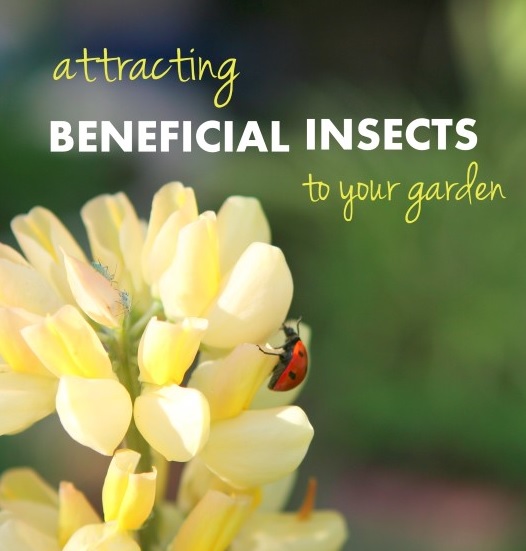
Attract beneficial insects to the Garden

How do I attract beneficial insects to my garden?

Attracting beneficial insects to your garden can help control pest populations and pollinate your plants. Here are a few tips to attract them:

  1. Plant native flowers and herbs: Many beneficial insects are attracted to native plants, which provide nectar, pollen, and shelter. Research which plants are native to your area and plant them in your garden.
  2. Provide a water source: Beneficial insects need water, so provide a shallow dish or birdbath filled with water.
  3. Create a diverse habitat: Plant a variety of flowers, shrubs, and trees to create a diverse habitat that attracts a range of beneficial insects.
  4. Avoid pesticides: Pesticides not only kill harmful insects but also beneficial ones. Avoid using pesticides or use them sparingly and only when necessary.
  5. Leave some areas of your garden undisturbed: Beneficial insects need shelter, so leave some areas of your garden undisturbed to create a habitat for them.
  6. Use companion planting: Planting certain plants together can help repel pests and attract beneficial insects. For example, planting basil alongside tomato plants can repel pests and attract beneficial insects like bees and butterflies.

Did you know there is a database to look up native plants that grow well in your area? You can use the https://www.nwf.org/nativeplantfinder/plants link to search what plants will grow best in your by searching within your zip code. 

By following these tips, you can attract beneficial insects to your garden and create a healthy ecosystem that benefits both your plants and the environment.

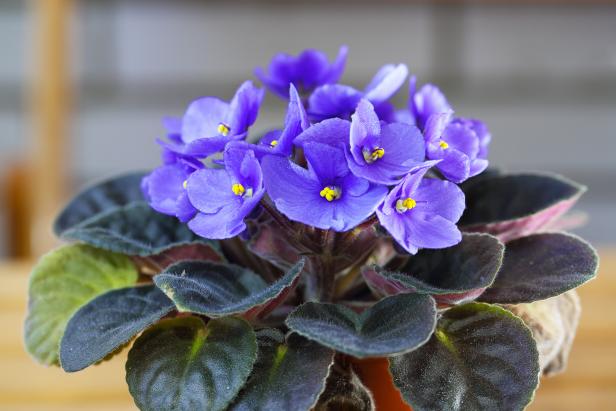
Growing Violets

Growing violets is relatively easy and can be done both indoors and outdoors. Also these beautiful plants are packed with antioxidants!

Here are some general steps for growing violets:

  1. Choose a planting location: Violets prefer a location that is shaded or partly shaded. They also like moist, well-drained soil. If you are growing them indoors, choose a spot near a window that receives bright, indirect light.
  2. Prepare the soil: If you are planting violets in the ground, amend the soil with compost or well-rotted manure to improve its texture and fertility. If you are growing them in containers, use a potting mix that is well-draining.
  3. Plant the violets: Plant the violets at the same depth they were growing in their nursery pots. Water thoroughly after planting.
  4. Water and fertilize: Keep the soil evenly moist, but not waterlogged. Water when the top inch of soil feels dry to the touch. Fertilize violets once a month during the growing season with a balanced fertilizer.
  5. Prune and deadhead: To keep violets blooming, deadhead spent flowers regularly. You can also trim back leggy or straggly growth to encourage bushier growth.
  6. Protect from pests and diseases: Violets can be susceptible to pests like aphids and diseases like powdery mildew. Keep an eye out for any signs of trouble and take action promptly.

By following these general steps, you should be able to successfully grow violets.

Violet’s leaves are a traditional nutritive spring tonic, high in vitamin A and C and soluble fiber. They are heart-friendly, as they are full of antioxidants and their soluble fiber helps to reduce cholesterol levels in the body (similar to oatmeal).

I enjoy them in salads, stir-fries, quiche, and as an ingredient in wild greens pesto. They can be added to soups as a healthy thickener. Medicinally, violet leaves are a traditional cleansing herb and remedy for dry hacking cough, as the demulcent (mucilaginous) leaves are soothing to irritated mucus membranes. They can be eaten or prepared as tea.

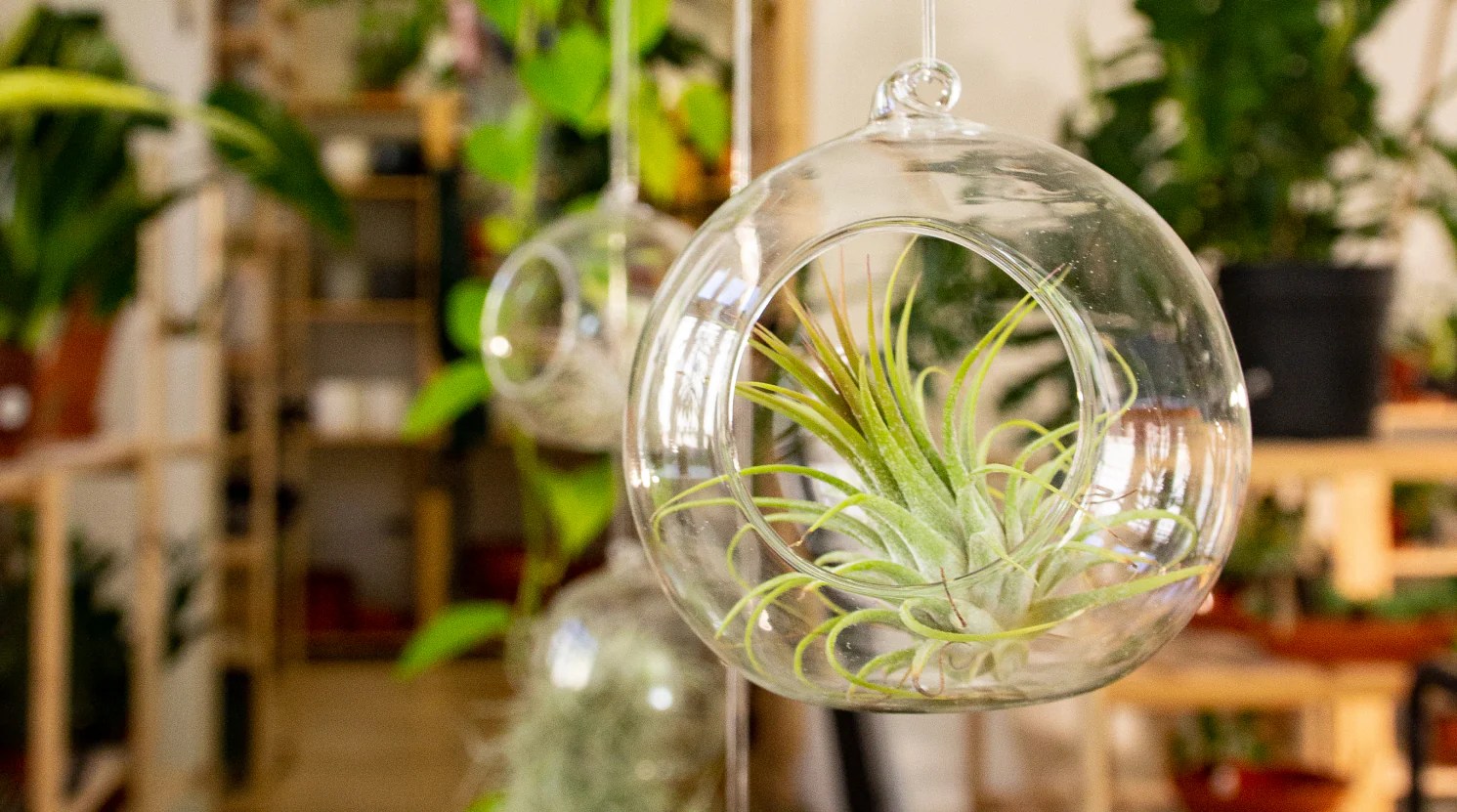
Tillandsia Air Plant

There are over 650 species of air plants, also known as epiphytes, belonging to the Tillandsia genus. These plants are called “air plants” because they absorb moisture and nutrients from the air rather than from soil, and they are often used in home decor and terrariums. In addition to Tillandsia, there are many other genera of air plants, such as Vriesea and Bromeliad, which include additional species.

How to take care of tillandsia 

Tillandsias, also known as air plants, are unique plants that do not require soil to grow. They absorb water and nutrients through their leaves and are easy to care for. Here are some tips on how to take care of Tillandsia plants:

  1. Watering: Mist your Tillandsia plants once a week, or soak them in water for 30 minutes every two weeks. Make sure to shake off any excess water to prevent rotting.
  2. Light: Tillandsias prefer bright, indirect light. Place them near a window with filtered sunlight or under grow lights.
  3. Air circulation: Tillandsias require good air circulation to prevent rotting. Place them in an area with good ventilation, or use a fan to provide air movement.
  4. Fertilizer: Feed your Tillandsia plant once a month with a bromeliad or air plant fertilizer. Use a weak solution and spray it on the leaves.
  5. Temperature: Tillandsias prefer temperatures between 50-90°F (10-32°C). Keep them away from drafts and extreme temperatures.
  6. Grooming: Remove any dead or brown leaves from your Tillandsia plant to maintain its appearance and health.

By following these tips, you can ensure that your Tillandsia plant thrives and adds a unique touch to your indoor or outdoor space.

Etsy Shop with ChatGPT

What Is ChatGPT

ChatGPT is a language model chatbot developed by OpenAI. It’s capable of surprisingly human-like conversations. It’s also capable of answering complex questions and requests. It’s much more powerful than previous AI tools.

One of the features of ChatGPT is that it remembers what you said earlier in the conversation. That means it allows you to modify or build on top of previous answers. We will go through examples of this later in this guide.

AI is growing every year and ChatGPT is the latest breakthroughs. Because it’s here to stay, Etsy sellers like you and me should take advantage of this opportunity and use it to grow our Etsy shops.

In this article, you’ll see how you can use this revolutionary tool to speed up your workflow by automating tasks like writing listing description and customer messages.

Here are a few ways that you can use ChatGPT with your Etsy shop:

Marketing: You can use ChatGPT to run marketing campaigns for your Etsy shop. ChatGPT can suggest product descriptions, titles, and tags that are more likely to attract customers. It can also help you write compelling social media captions, emails, and blog posts.

Write Product Description For Etsy Listings

Prompt:

I sell (describe your product) on Etsy. Can you write a product description for me?

One of the ways you can use ChatGPT is to write your Etsy listing description. In general, it follows good copywriting best practices:

  • Uses ‘you’ to address customers directly
  • Focuses on the benefits of the products

The first product description it generates could be a bit generic as it addresses multiple potential products. In your follow-up prompt, you can ask it to write for a specific product. Make sure to give it more details about the product like its style, color, flavor, size, etc. ChatGPT will adjust the product description accordingly to fit your product using a similar structure to the first answer.

 Customer service:

Reply To Customer Messages

Prompt:

Write a reply for this customer question about (describe the product): “(message from customer)” The answer should be: (your stance, decision in point form).

ChatGPT can also be a capable customer service assistant. It can help you reply to your customer enquiries when using the right prompts.

If you want the best results, I recommend giving it some key points to work with. If not, it’s possible that ChatGPT would generate an answer that contradicts your intended decision.

You can further modify the response with follow-up prompts like:

  • “Add (information) in your answer”
  • “Add at the end (the action you want the customer to take)”

Description for your Listings/ Listing Tags

Prompt:

I sell (describe your product). List 20 potential questions that my customers on Etsy would ask me.

This is a good way to anticipate some general questions that your customers may ask you. You can use these questions to set up the Etsy message saved replies. This way you can speed up the day-to-day process of running your Etsy shop. You can even ask ChatGPT to answer specific questions with follow up prompts.

Overall, ChatGPT can help you save time and effort by automating various tasks related to your Etsy shop, improving your customer experience, and helping you grow your business.

Home is Where the Boat Is

Potting, Puttering & Pontooning

Cats and Trails and Garden Tales

Musings on cats, travel, gardens and life

Leaf And Twig

Where observation and imagination meet nature in poetry.

phillipsplace

A new beginning, mobile home living, adding our style inside and out.

Ruth E. Hendricks

Daily Journal of Life in Pittsburgh

The Haute Mommy Handbook

Motherhood Misadventures + Creative Living

Suzanne's Mom's Blog

Arts, Nature, Good Works, Luna & Stella Lockets & Birthstones

𝑻𝒐𝒓𝒏𝒂𝒅𝒐 𝑶𝒇 𝑪𝒉𝒂𝒐𝒔 🌪

Thoughts, experiences and learnings in a turbulent time

Sarah Rajkotwala - Author & Spiritual Teacher blog

Gardening Fairies Flowers Spirituality Angels Love Joy

Ideas and Advice for How To Live a Joyful and Empowered Life.

All Things Empowering - Healing Ourselves & Earth, Self-Sufficiency, Food Forests, Gardening, Art, Road Trips, Preserving, Foraging, Permaculture, Homesteading and More!

AmericaOnCoffee

We’re just inviting you to take a timeout into the rhythmic ambiance of our breakfast, brunch and/or coffee selections. We are happy whenever you stop by.

Heart to Hearth Cookery

Sharing my Experimental Archaeology of Food

The Herb Society of America Blog

Learn • Explore • Grow