Air Plant Care

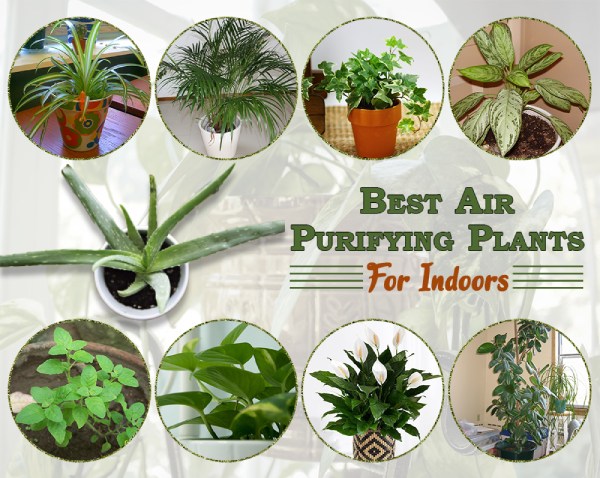
An air plant, also known as Tillandsia, is a type of plant that grows without soil. Instead, they derive their nutrients from the air, moisture, and debris in their surroundings. Air plants have specialized scales on their leaves called trichomes that absorb water and nutrients from the air. They come in a variety of shapes, sizes, and colors, and can be grown in a range of environments, including on trees, rocks, or in containers. They are low-maintenance and make great indoor plants, as they do not require soil and only need occasional watering. There can be different methods to watering an air plant to keep it healthy and flourishing after you bring it home from the garden shop.

Soak method: Soak your air plants in a bowl of water for 15-20 minutes once a week. 

Mist method: Mist your air plants with water 1-2 times a week.

Drip method: Place your air plants in a tray of water and let them absorb moisture through the bottom for about 30 minutes.

Also ensure good drainage: Remove excess water from the base of the plant after watering to prevent root rot. Consider the environment: The frequency of watering will vary depending on the environment, such as temperature and humidity levels.

It is best to use rainwater or distilled water: Tap water can contain minerals that can build up in the leaves of the air plant over time.Fertilize occasionally: Air plants can benefit from a light application of fertilizer, especially during the growing season.

Using these tips and a little knowledge about air plants can help you along the way to a successful plant.

You can find live air plants at your local garden shop or at our Etsy shop: http://www.printhousedesign.com

How to build Raised garden bed

Its almost time to think about creating a garden. One type of garden you can create is a raised garden bed. It can be used to grow a wide variety of plants, as they provide good drainage and control over soil quality. Some plants that tend to do well in raised beds include:

  • Vegetables: tomatoes, peppers, cucumbers, eggplants, leafy greens, and root vegetables such as carrots and radishes.
  • Herbs: basil, thyme, rosemary, and chives.
  • Flowers: sunflowers, zinnias, marigolds, and daisies. It is important to note that the best plants for your specific raised bed will depend on factors such as the size of the bed, the amount of sunlight it receives, and the specific climate you live in. In general, it’s a good idea to choose plants that are well-suited to the growing conditions in your area. Building a raised garden bed is a simple and effective way to grow a variety of plants, vegetables, and herbs. Here are the basic steps to build a raised garden bed:
  • Choose a location: Select a spot in your yard that gets plenty of sunlight and has good drainage.
  • Measure and mark the area: Measure out the area where you want to build the raised bed and mark the perimeter with stakes and string.
  • Prepare the soil: Remove any weeds or grass from the area and loosen the soil with a spade or garden fork.
  • Build the frame: You can use a variety of materials to build the frame, such as wood, stone, or brick. If using wood, make sure to use rot-resistant lumber, such as cedar or redwood.
  • Fill the bed with soil: Once the frame is in place, fill the bed with a mixture of topsoil, compost, and any other soil amendments you may need, such as peat moss or perlite.
  • Plant your plants: Once the bed is filled with soil, you can start planting your plants, seeds, or seedlings.
  • Water and maintain: Water the plants regularly and add compost or other soil amendments as needed to keep the soil healthy and nourished.
  • That’s it! With these basic steps, you can build a raised garden bed and start growing your own plants, vegetables, and herbs.

Sowing seeds for 2023

One question that I get asked a lot from our shop customers is …

Can I use leftover seeds from last year?

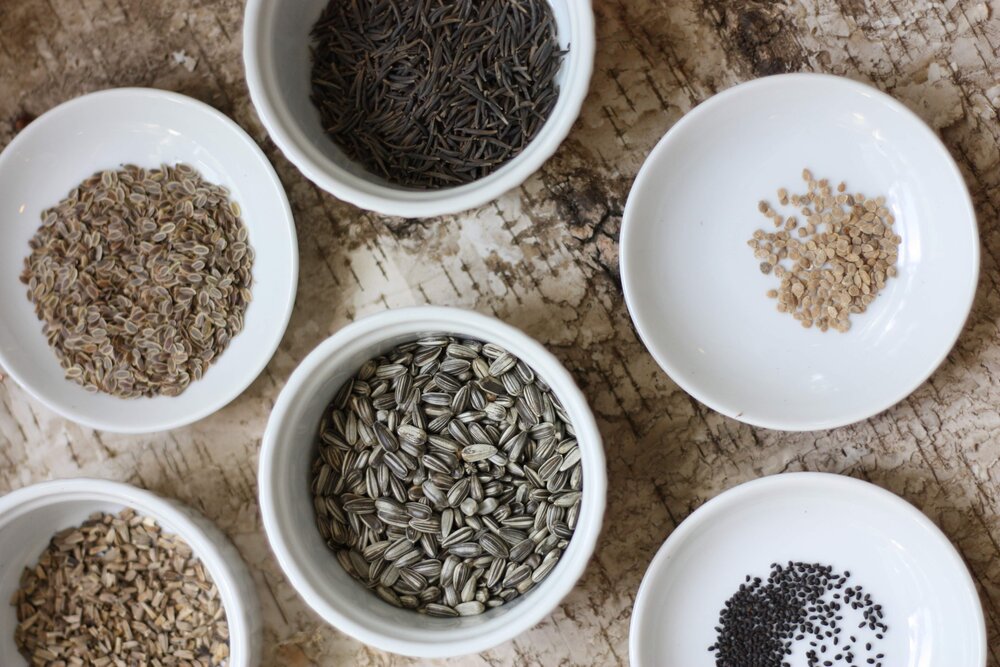
 So the answer is Yes, you can use leftover seeds to plant this year as long as they are still viable. The viability of seeds decreases over time, so it’s important to check their viability before planting. There are a few ways you can do this:

  1. The “float test”: Place the seeds in a cup of water. If they sink, they are still viable. If they float, they may not be viable.
  2. The “fold test”: Take a small sample of seeds and fold them in a damp paper towel. Place the towel in a plastic bag and leave it in a warm place for a few days. If most of the seeds have sprouted, they are still viable.
  3. The “germination test”: Plant a small number of seeds in soil or a seed starting mix and keep them moist. If most of the seeds germinate, the rest of the seeds are likely still viable.

If the seeds pass one of these tests, you can plant them as you would any other seeds. It’s a good idea to plant a few extra seeds to compensate for any that may not germinate.

You can follow our shop link to see herb and flower seed packets: http://www.printhousedesign.com

Planting Vegetables in January

There are a variety of vegetables that you can plant in January, depending on your location and climate. Some vegetables that are well-suited for planting in January include:

  1. Arugula: This cool-season leafy green can be sown directly in the garden.
  2. Radishes: Radishes are fast-growing and can be sown directly in the garden.
  3. Carrots: Carrots can be sown directly in the garden in January in most climates.
  4. Beets: Beets can be sown directly in the garden in January in most climates.
  5. Greens: Many types of greens, such as lettuce, spinach, and kale, can be sown directly in the garden in January.
  6. Peas: Peas can be sown directly in the garden in January in most climates.

It’s always a good idea to check your local gardening zone and consult a gardening calendar or guide specific to your region to determine the best vegetables to plant in January.

What is a garden zone?

A gardening zone, also known as a planting zone or hardiness zone, is a geographically defined area in which a specific type of plant is capable of growing, as defined by the USDA Plant Hardiness Zone Map. The map is based on the average annual minimum winter temperature, divided into 10-degree F zones. The gardening zones are useful for determining which plants will survive the winter in a particular location and can also be used as a guide for selecting plants that will thrive in a specific location. For example, if you live in a region with a gardening zone of 5a, you will be able to grow plants that are hardy in zones 4-5.

Follow the link to see what garden zone your location could be: https://planthardiness.ars.usda.gov/

Adding fall flowers

Add 2 fall favorite plants to your patio this season! After a steamy summer, autumn’s cooler air temperatures are easier on both plants and gardeners, but the soil is still warm enough to allow roots to grow until the ground freezes. 

One of my  fall favorites, Mums aka Chrysanthemums are available in a wide variety of colors, including orange, red, purple, yellow and white. They are easy to take care of and are perennial, so you never need to worry about them not returning the next season. Mums are also fragrant and make great centerpiece flowers. Mums are actually quite easy to grow. They grow best in sunny spots, with well drained soil. I mix compost into the soil, both nourishing the plant and helping to retain moisture near the roots. Although Chrysanthemums do not like to sit in water, they do require deep watering a couple of times a week.

The second fall favorite, Pansy plants (Viola) are cheerful, blooming flowers, among the first of the season to offer winter color in many areas. Growing pansies are commonly seen in late fall and early spring in more northern areas of the United States, while in subtropical areas, pansies bloom throughout the winter. Pansies like full or partial sun, but need cooler temperatures to thrive. The ideal planting site will get morning sun but avoid the heat of the late afternoon. For pansies in containers, if the temperatures are warm, they may even need to be watered twice a day. Always check the soil if in doubt. If the top inch of the soil is dry, you will want to water.

Check your local garden shop for these two fall favorites.

Home is Where the Boat Is

Potting, Puttering & Pontooning

Cats and Trails and Garden Tales

Musings on cats, travel, gardens and life

Leaf And Twig

Where observation and imagination meet nature in poetry.

phillipsplace

A new beginning, mobile home living, adding our style inside and out.

Ruth E. Hendricks

Daily Journal of Life in Pittsburgh

The Haute Mommy Handbook

Motherhood Misadventures + Creative Living

Suzanne's Mom's Blog

Arts, Nature, Good Works, Luna & Stella Lockets & Birthstones

Sarah Rajkotwala - Author & Spiritual Teacher blog

Gardening Fairies Flowers Spirituality Angels Love Joy

Ideas and Advice for How To Live a Joyful and Empowered Life.

All Things Empowering - Healing Ourselves & Earth, Self-Sufficiency, Food Forests, Gardening, Art, Road Trips, Preserving, Foraging, Permaculture, Homesteading and More!

AmericaOnCoffee

We’re just inviting you to take a timeout into the rhythmic ambiance of our breakfast, brunch and/or coffee selections. We are happy whenever you stop by.

Heart to Hearth Cookery

Sharing my Experimental Archaeology of Food

The Herb Society of America Blog

Learn β€’ Explore β€’ Grow