Let’s get dirty

Dear beloved readers,

Exciting news! I am thrilled to announce the launch of our brand new monthly newsletter – a green paradise for all plant enthusiasts! This newsletter will be your exclusive gateway to discover the best-kept secrets of plant care, indulge in thrilling DIY plant projects, and access fabulous monthly coupons to elevate your gardening experience. Whether you’re a seasoned plant parent or just starting your journey into the world of plants, this newsletter promises to be a source of inspiration, knowledge, and savings. Join our community of like-minded green thumbs, and let’s embark on a botanical adventure together. Don’t miss out on the chance to cultivate your plant passion to new heights. Subscribe now and let the green magic begin!

Follow the link to sign up

https://printhousedesign.aweb.page/p/0af57b2b-75b6-4703-9e77-27ae244cd9e3

Introduction to Begonias:

Welcome, fellow plant enthusiasts! Today, we’ll be diving into the wonderful world of begonias – a diverse and beautiful group of flowering plants that are sure to captivate any gardener’s heart. With over 1,800 species and countless cultivars, begonias offer a dazzling array of colors, shapes, and sizes, making them a delightful addition to any garden or indoor space.

Begonias are native to tropical and subtropical regions around the globe. These versatile plants are cherished for their striking foliage and vibrant blooms, creating a stunning visual display that brings joy and serenity to any environment. Whether you’re an experienced gardener or just starting to cultivate your green thumb, begonias are an excellent choice for their adaptability and low maintenance requirements.

Now, let’s delve into some essential aspects of caring for begonias, from propagation to lighting needs and their impact on pets:

  • Number of Begonia Species: there were more than 1,800 known begonia species. With ongoing research and new discoveries, the number might have increased since then. Each species exhibits unique characteristics, so you’re bound to find a begonia that suits your preferences and matches your gardening skills.
  • Propagation of Begonias: Yes, you can propagate begonias! These plants are quite amenable to propagation through various methods, such as stem cuttings, leaf cuttings, and division. Each technique has its advantages, but stem cuttings are a popular choice due to their ease and success rate. With a little patience and proper care, you can grow new begonias from cuttings, expanding your collection and sharing the beauty of these plants with others. ( I will go more into propagation later this week)
  • Sunlight Requirements: Begonias prefer bright, indirect light, making them suitable for both indoor and outdoor cultivation. While some begonias can tolerate moderate shade, most thrive in well-lit locations with filtered sunlight. Avoid exposing them to harsh, direct sunlight, as it may scorch their delicate leaves and flowers.
  • Indoor vs. Outdoor Cultivation: Begonias can thrive both indoors and outdoors, depending on the species and the climate in which you reside. Indoors, they make lovely houseplants, adding a touch of elegance to your living space. Outdoors, they can beautify garden beds, borders, and containers. When planting outdoors, ensure they are protected from extreme weather conditions and direct sunlight.
  • Toxicity to Pets: It’s essential to be aware that certain begonia species can be toxic to pets. The most problematic part of the plant is the sap, which may cause skin irritation and gastrointestinal upset if ingested by dogs, cats, or other animals. Therefore, it’s advisable to keep begonias out of reach of curious pets or consider non-toxic alternatives if you have furry companions at home.

Now that we’ve introduced the begonia plant and its key care aspects, you’re ready to embark on a journey of nurturing and appreciating these marvelous botanical treasures. Stay tuned for our upcoming blog posts, where we’ll delve deeper into propagation techniques, specific care tips for different begonia species, and much more! Happy gardening!

How to water Air Plants

Watering Air Plants IS SIMPLE AND SUPER EASY! 

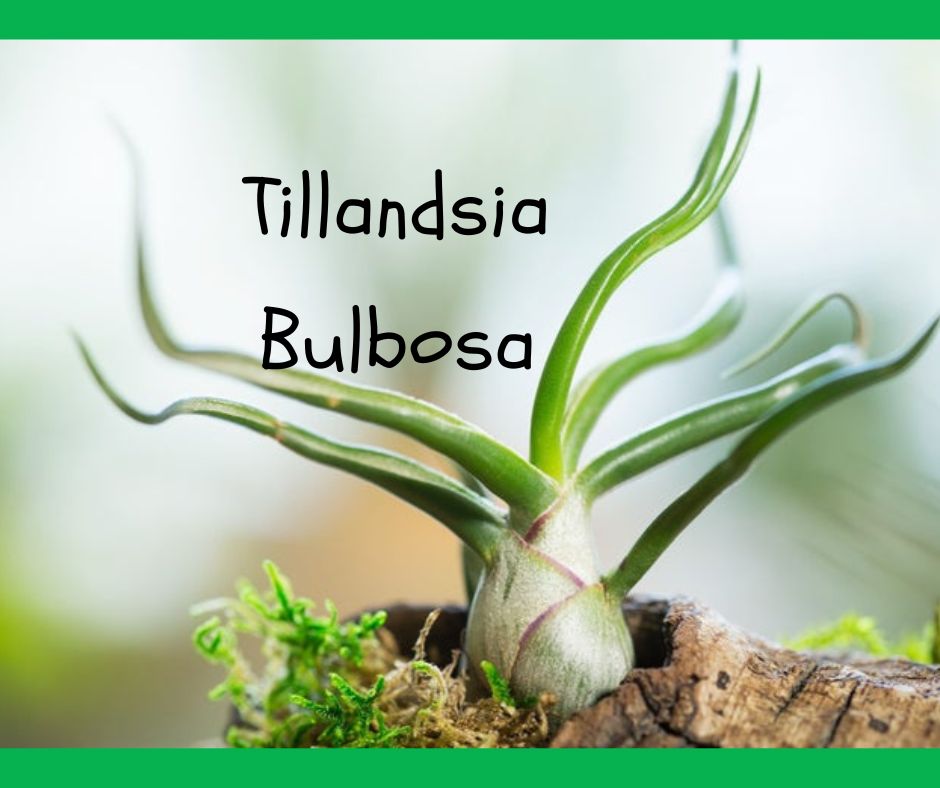
Welcome to the exciting world of air plants! Congratulations on your recent purchase of these unique and fascinating botanical wonders. Air plants, scientifically known as Tillandsia, are a captivating addition to any indoor or outdoor space, requiring minimal care and offering maximum beauty.

As your air plant settles into its new environment, it’s essential to understand its water requirements to ensure it thrives and maintains its stunning appearance. Unlike traditional potted plants, air plants absorb water through their leaves, making the watering process quite different. Finding the right balance between underwatering and overwatering is the key to their success.

In this introduction, we’ll explore the best practices for watering your air plant, how to gauge its hydration needs, and essential care tips to ensure your new botanical companion stays healthy and vibrant for years to come. So, let’s dive into the wonderful world of air plants and learn how to provide the nurturing they need to flourish!

TWO options on watering for your amazing plant: 

  • Mist the Air Plant: Fill a spray bottle with clean, chlorine-free water ( rain water collected or bottled water)and mist the air plant’s leaves thoroughly. Do this 2-3 times a week, depending on the humidity of your environment. The leaves will absorb the water through their trichomes, which are small, hair-like structures that cover the plant’s surface.
  • Soak the Air Plant: Submerge the air plant in a bowl or sink filled with rain or bottle collected  water for about 8-10 minutes every week. Ensure the water is at room temperature. After soaking, gently shake the excess water off the plant and let it dry upside down to avoid water pooling at the base.

In my opinion I love using the soaking method because it works and my plants have flourished over time.  Have I ever left my plant in the water longer than those precious minutes? – Yes (lol) and my plant died, so when doing the soaking method MAKE SURE YOU SET A TIMER! 

Overall, taking care of your air plant is an enriching journey that fosters a sense of mindfulness, appreciation for nature’s wonders, and a more vibrant and sustainable living space. With proper care and love, your air plant will continue to flourish, providing you with endless joy and satisfaction in return.

Making a Kokedama

A Kokedama—a Japanese moss ball—let me introduce you to the ultimate small-space garden. Floating in midair, these plants don’t take up surface space, or even wall space. Plus, you don’t have to shell out money for a pretty container, as each plant is contained in its own moss-covered pod and is suspended from the ceiling using inexpensive twine. If you’re as convinced as we are that this is the gardening solution our tiny homes have been waiting for, follow these steps to make your own.  Choosing a plant for your hanging string garden, pick one that doesn’t require full sun, because moss prefers a shady environment. A plant with a small roots system is also best. Here are some varieties that won’t mind hanging out in a shady spot.

  • Many varieties of fern, including maidenhair ferns and bird’s nest ferns
  • Staghorn ferns
  • Jade
  • Pothos
  • Philodendron
  • Begonias
  • Succulents
  • Spider plants

What You’ll Need

  • A small plant (see our note on picking the right plants, below)
  • Bonsai soil (like this stuff)
  • Peat moss (like this from Home Depot)
  • Clay (such as Bentonite clay, which works as a binding agent)
  • Sheet moss (found at Home Depot)
  • Twine

1. Mix the bonsai soil, peat moss and clay into a ball, following an approximate ratio of 70% bonsai soil and 30% peat moss-clay mixture. Moisten the mix with water so that all of the elements bind together. Creating a soil that won’t fall about, yet isn’t so dense that the plant roots can’t breathe is important for your kokedama to thrive.

2. Using your thumbs, dig out a small hole in the center of the soil ball. Brush any excess soil off the plant roots before tucking them into the hole and molding the soil around the roots.

3. Cover the ball with sheet moss, gently pressing sections of moss into the soil. Don’t worry if it doesn’t stick firmly in place at this point—wrapping with twine (step 4) will help.

4. Wrap the ball with twine, making sure to cover all sides, including the bottom, before securing with a knot. To hang up the kokedama, cut another long piece of twine and tie it onto both sides of the ball.

5. Hang up the Kokedama in a slightly shady spot and mist with water. When it’s time to water your plant, submerge the moss ball in a bucket of water, plant side-up, and allow it to soak up the water for 5 to 10 minutes. Then enjoy!

Plants to grow for cats

Instead of seeing your favorite plants suffer the fate of the curious claw, try growing plants especially appealing to cats, with attractive aromas, chemical curiosities and all-around interest for a cat on the hunt for your houseplants.

Catnip

This member of the mint family has earned its reputation as a favorite for cats. Although its intoxicating effects only affect about 50% of cats, those who love it are sure to let you know. Catnip is nontoxic, easy to grow and drives many cats to joyful frenzy.

Valerian

Its clustered white flowers will attract pollinators to the yard and its root is sometimes employed as a calmative and sleep aid in humans, but this pungent plant is also a stimulant for cats and triggers a response similar to that of catnip. Although valerian is sometimes used in perfumes, some find the odor objectionable.

Cat Thyme

This slow-grower is another surprisingly feline stimulant and is often effective with cats for which catnip has no impact. Blooms in summer with strong-scented pink flowers. 

Licorice Root

Cats love the taste of this familiar root, but it also happens to be very good for their health. An anti-inflammatory, licorice root can sooth an arthritic animal, promotes liver health and can help resolve digestive issues. 

Cat Grass

Cat grass refers to any number of cat-friendly grasses, including wheat, oat and barley grasses. Although these grasses are not stimulants like catnip, cats are drawn to occasionally eat small amounts. Good for digestion, an aid in resolving hairballs and providing nutrients less common in pet foods, cat grass is a easy and attractive way to support kitty health.

Lemongrass

A mild stimulant that offers the same benefits of some of the other cat-appropriate grasses, lemongrass is a favorite to have around for cats and humans alike. Easy to cultivate indoors or out.

Mint

Cats love the smell of mint and mint plants are easy and prolific growers, making it a popular choice when feline destruction is at hand. Cats are more likely to sniff and roll around in mint than eat it, but peppermint may cause an upset tummy in cats if eaten in large amounts. 

By cultivating these plants, cat owners can create an enriching and enjoyable space for their furry friends, promoting their physical and mental stimulation. Moreover, the act of gardening and tending to these plants can be a therapeutic and fulfilling activity for humans as well. Overall, growing catnip, lemon grass, and mint is a wonderful way to enhance the lives of cats and their owners while fostering a deeper connection with nature.

Coding Interface

Forging Better Test Frameworks

Home is Where the Boat Is

Potting, Puttering & Pontooning

Cats and Trails and Garden Tales

Cats, travel, gardens and life in the Pacific Northwest

Leaf And Twig

Where observation and imagination meet nature in poetry.

phillipsplace

A new beginning, mobile home living, adding our style inside and out.

Ruth E. Hendricks

Daily Journal of Life in Pittsburgh

The Haute Mommy Handbook

Motherhood Misadventures + Creative Living

Suzanne's Mom's Blog

Arts, Nature, Good Works, Luna & Stella Lockets & Birthstones

𝑻𝒐𝒓𝒏𝒂𝒅𝒐 𝑶𝒇 𝑪𝒉𝒂𝒐𝒔 🌪

Thoughts, experiences and learnings in a turbulent time

Sarah Rajkotwala - Author & Spiritual Teacher blog

Gardening Fairies Flowers Spirituality Angels Love Joy

Ideas and Advice for How To Live a Joyful and Empowered Life.

All Things Empowering - Healing Ourselves & Earth, Self-Sufficiency, Food Forests, Gardening, Art, Road Trips, Preserving, Foraging, Permaculture, Homesteading and More!

America On Coffee

We’re just inviting you to take a timeout into the rhythmic ambiance of our breakfast, brunch and/or coffee selections. Enjoy!

Heart to Hearth Cookery

Sharing my Experimental Archaeology of Food