Pumpkin Topiary

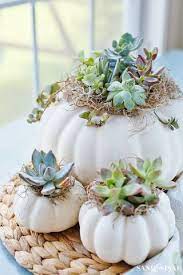
It’s not too late to make a last minute pumpkin project for your porch or for the centerpiece of your halloween party. Fall pumpkin topiary can be an easy decor to  incorporate the fall colors with a variety of pumpkins, dried flowers and garlands. Faux foam pumpkins come in all shapes, sizes and colors and if you don’t see the one you like, you can always create your own with paint colors that are your favorite.  

What you need to start your DIY Project:

Pumpkin Topiary Supplies:

  • 3 or 5 foam pumpkins (in graduated sizes)
  • Spanish Moss or other filler
  • Berry Garland 
  • Dowel Rod
  • Urn or pot
  • Glue Gun
  • Floral Foam
  • Drill and Drill bit

Pumpkin Topiary Instructions:

Step 1) Cut a piece of floral foam to fit in the bottom of the urn.

Step 2) Using a hot glue gun, spread glue all along the bottom of the foam block and press it to the bottom of the urn.

Step 3) Stick dowel rod into the foam block.

Step 4) Using a drill and large drill bit, drill holes in the bottom and top center of the pumpkins for the dowel rod to slide in.  NOTE: Do not drill a hole in the top of the top pumpkin. You wan’t to leave the stem on this one.

Step 5) Place spanish moss or filler on the lip of the urn (no need to glue it down…the pumpkin will hold it in place). Especially if you want to use the urn for something else next spring; just pull the dowel out with the pumpkins and store to put back together next year.

Step 6) Slide the largest pumpkin on the dowel rod first and rest it on the moss.

Step 7) Place some moss and garland on top of the first pumpkin and then slide the next pumpkin on to hold the moss in place.

Step 8) Repeat with the next pumpkin until you are on your last pumpkin.

Step 9) Hot glue moss and garland to place them where you want them if needed.

Now that your little pumpkin project is complete you can show it off on the porch or inside on a table!

Tillandsia ionantha: Air Plant

The Tillandsia Ionantha is originally native to Mexico, Costa Rica, and certain areas of South America.One of the most desirable aspects of the Ionantha air plant is that it is a very hearty plant that will require minimal attention compared to some other varieties of air plants.  While they are a hearty plant, they still do require some attention with regular misting and soakings. 

 The Ionantha varieties love sunlight, so they should also be kept in an area that gets adequate light throughout the day(east/west facing windows are best).  We recommend soaking the plant once or twice a week depending on the environment. It likes warmer, humid conditions but will do just fine in a dryer environment with regular misting. Below are a few questionable questions about this beautiful plant that will help you keep your plant healthy and flourishing.

How do you care for an Ionantha plant?

The Ionantha varieties love sunlight, so they should also be kept in an area that gets adequate light throughout the day(east/west facing windows are best). We recommend soaking the plant once or twice a week depending on the environment, and regular misting as needed.

How big does Tillandsia Ionantha get?

Each Ionantha Tillandsia air plant will range from 2 to 3.5 inches in size. The plants you will receive will most likely arrive with green colored leaves, but these leaves will transition into gorgeous pink and purple colors before blooming into a flower.

How long does Tillandsia Ionantha live?

Life Cycle. Tillandsias are tropical plants that usually live for several years and will bloom and produce flowers only one time during their lifetime. The flowers are striking and brilliantly colored, and the bloom period will last several days to many months, depending on the species.

How do I know if my air plant needs water?

Signs of under-watering your air plant include the leaf tips turning brown or crispy. The natural concave shape of air plant leaves tends to become more exaggerated when under-watered. Unfortunately, if your air plant has been overwatered, it’s often too late to save it.

How fast do ionantha air plants grow?

The quick answer is, Air Plants are slow to grow, and will only bloom once in their life-span! This can take between a year and two years. Today we’ll take a closer look at Air Plant growth and blossoming.

You can read more about air plants in our previous blog post to learn more!

In our Etsy shop: Printhousedesign1 you can purchase these beautiful plants in their own listing or along with a planter. 

Follow the link to see them at our shop: https://www.etsy.com/listing/834531119/small-tillandsia-air-plants-for-indoor

Vegetables that you can regrow from scraps

Which Vegetables Can You Regrow From Scraps?

Here are some of the common vegetables that you can regrow from scraps:

  • Potatoes
  • Sweet Potatoes
  • Onions, Garlic, Leeks and Shallots
  • Celery
  • Carrots

Chunky sections of potato peel or pieces of potato that include an ‘eye’ on them (those small indentations from which the shoots grow) can be replanted to grow new potato plants.

Sweet potatoes can also be regrown with their scraps. If a sweet potato is a little past its best for eating, you can cut it in half and suspend each half using toothpicks or twigs above a shallow container of water.Once the sprouts grow to around 10cm/ 4 inches in height, nip them off and place them with their bases in a container of water. Roots will grow from the base of these shoots. As soon as the roots are growing, you can take these slips and plant them up in the soil.

You can re-grow all of them ( Onions, Garlic, Leeks and Shallots) from the rooting base of the bulb or stem. Simply take a small section of the base of a bulb or stem, with the roots attached, and place it in a shallow dish of water.green material will begin to grow from this base section. These re-sprouting sections can then simply be harvested again. Or you can plant them out in your garden. Onions and garlic will form new single bulbs, while shallots will divide and form clumps, expanding your harvest each year.

Celery is one of the easiest plants to regrow from scraps. You simply have to cut off the bottom of the celery and place it in a shallow container with a little warm water in the bottom. The bowl should be kept in a sunny and relatively warm place.After a week or so, leaves will begin to grow, and you can wait and harvest these as required, or replant the celery in your garden and allow it to grow into another full-sized plant. 

Retaining the tops of carrots (where the leaves and stems join onto the root) will allow you to regrow them. Place the tops in a container of water and new, green tops should begin to grow in a matter of days. You can simply harvest and use these greens as they grow, or you can allow the roots to continue growing until the plants are ready to be transplanted back into the ground.

Starting your windowsill garden is as easy as placing the ends or tops of a few kitchen produce scraps in about an inch of fresh water and setting them in partial sunshine. Your only maintenance is to change the water daily – now you see why this is such a good project for kids.

Benefits with Orange Peel

Apart from eating the juicy fruit or using it to make a healthy juice, you can use the orange peel to stay healthy too. Here are four great healthy beauty tips on using orange peel.

  Create a Body scrub: ..Dried and ground orange peels make the perfect natural body scrub. Not only does it help make your skin silky smooth but it also helps keep it free of any infections. This is because of the peel’s potent antibacterial properties. 

Also, orange peel has skin softening properties too and helps get rid of dead skin and ingrown hair.

Tip to use: Run a warm bath and add some crushed orange peel to it. Avoid adding any other type of soap to the water as this could undo the good that the orange peel will do. Allow the warm water to stand for about 15 minutes before you step in for that relaxing bath.

 Can help rejuvenate you : The citric scent of oranges is known to be very good in relaxing the mind and beating stress. It also helps relieve mild aches and pains in the body that makes it a perfect addition to a relaxing bath or as a part of scented candles. For that perfect stress buster use orange oil and add it as a part of your stress relief strategy.

Can help beat  a cold: According to practitioners of Traditional Chinese Medicine, orange peel has a number of health benefits including the ability to loosen mucus and relieve the symptoms of a cold. Therefore drinking orange peel tea is the perfect natural remedy for an upset stomach, get rid of excessive gas, treat a cold and get rid of congestion. Tip for use: Put some orange peels in a pot of hot water and allow it to stand. Add some honey to this mixture and drink it while it is still warm. Make sure you drink this tea only twice a day.

Lowers cholesterol: Hesperidin, a flavonoid found in the fruit and peel, cuts down lipids in the blood and lowers cholesterol and blood pressure. Drinking water infused with orange and its peel has the ability to lower LDL and it can boost your immunity with vitamin C.

So next time you have an orange don’t throw away the peel use it along with one of these helpful tips. 

Let’s talk about Tuesday… Succulents

Talk about it Tuesday is a theme blog post, where I will share a topic and “You” the viewer leave a question in the comment for me.

Each Tuesday in the month of October, I will share a topic for my viewers to leave only 1 question that is related to that topic. Just like last Tuesday post the topic was “3D Printing”. So if you are curious about that subject, please hop on over to that post and leave a question.

With their striking forms and beautiful colors, an a easy reputation to take care of this Tuesday topic is “SUCCULENTS”… SO what do YOU want to know about this beautiful plant? Please let me know in the comment box below….

Home is Where the Boat Is

Potting, Puttering & Pontooning

Cats and Trails and Garden Tales

Musings on cats, travel, gardens and life

Leaf And Twig

Where observation and imagination meet nature in poetry.

phillipsplace

A new beginning, mobile home living, adding our style inside and out.

Ruth E. Hendricks

Daily Journal of Life in Pittsburgh

The Haute Mommy Handbook

Motherhood Misadventures + Creative Living

Suzanne's Mom's Blog

Arts, Nature, Good Works, Luna & Stella Lockets & Birthstones

𝑻𝒐𝒓𝒏𝒂𝒅𝒐 𝑶𝒇 𝑪𝒉𝒂𝒐𝒔 🌪

Thoughts, experiences and learnings in a turbulent time

Sarah Rajkotwala - Author & Spiritual Teacher blog

Gardening Fairies Flowers Spirituality Angels Love Joy

Ideas and Advice for How To Live a Joyful and Empowered Life.

All Things Empowering - Healing Ourselves & Earth, Self-Sufficiency, Food Forests, Gardening, Art, Road Trips, Preserving, Foraging, Permaculture, Homesteading and More!

AmericaOnCoffee

We’re just inviting you to take a timeout into the rhythmic ambiance of our breakfast, brunch and/or coffee selections. We are happy whenever you stop by.

Heart to Hearth Cookery

Sharing my Experimental Archaeology of Food

The Herb Society of America Blog

Learn • Explore • Grow