Growing Mint

Growing mint is easy!. Learn to plant, grow, and control mint in your garden by following this post below. 

All types of mint (including sweet mint, spearmint, peppermint, and chocolate mint) are fast-growing, spreading plants. You can contain mint in tight places such as between pavers of a walkway where your feet will brush against the leaves to release its fragrance.

Plant mint in spring after the last frost. 

This fast-growing herb can grow just about anywhere and makes an excellent addition to indoor and outdoor gardens. Space mint plants 18 to 24 inches apart. It’s best to grow them in pots to keep them from taking over your garden (even if you’re planting in the ground).Keep soil consistently moist and water when the top inch becomes dry.

 Promote excellent leaf production by regularly feeding with water-soluble plant food. Once plants are established, harvest mint leaves regularly by pinching off the stems.

Harvest mint leaves at any size by pinching off stems. For a large harvest, wait until just before the plant blooms, when the flavor is most intense, then cut the whole plant to just above the first or second set of leaves. In the process, you will remove the yellowing lower leaves and promote bushier growth. Three such harvests per season are typical for mint.

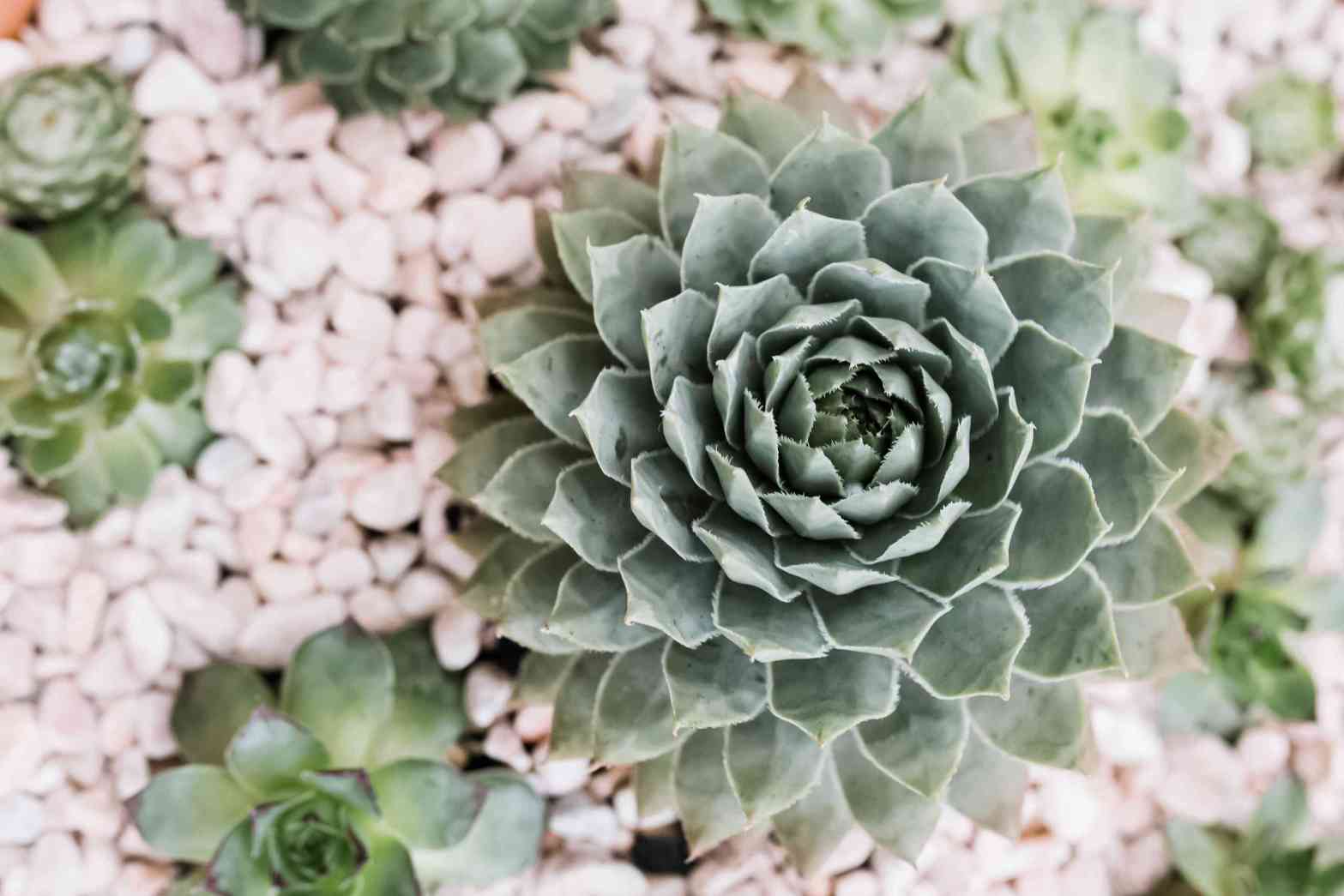
Hens and chicks

Hens and chicks (Sempervivum tectorum) are succulent plants that are low-growing perennials that stay close to the ground as they self-propagate, making them good groundcover plants. These succulents may be known for their hardiness, but it’s worth keeping these tips in mind.

  • Choose a location with full sun. As outdoor succulents, hens and chicks need at least six hours of full sun every day. Adequate sunlight will promote colorful foliage and the propagation of chicks.
  • Plant hens and chicks in sandy soil. Hens and chicks do best in rocky, sandy places, making them ideal for rock gardens. They also do well in flower beds with well-draining soil.
  • Use clay pots. If you choose to grow hens and chicks succulents in a pot, choose a clay pot and potting mix specifically formulated for succulents and cactus plants.
  • Water your plants rarely. These drought-tolerant plants need very little water once they’re mature and can go weeks without watering. Once they’re established, water your hens and chicks only when the surrounding soil dries out—typically once a week in warm climates.

Growing hens and chicks is easy. The plants are readily available in most nurseries, by following the steps above you can create a beautiful succulent garden. 

Ionantha Red/Pink Air Plant

These air plants are absolutely “blushingly” beautiful as they have touches of red and pink which is commonly called “blushing.” These are prone to blooming as well so they are a real show off and perfect for blooming special plant lovers.

The ionantha is a mesic variety of the Tillandsia genus, meaning it’s much more suited to a tropical environment with a high temperature and humidity.

As with all Air Plants, they’re happiest in open terrariums and larger containers with plenty of airflow, but this species can grow in a closed environment with the right care.

Ionantha is one of the most popular air plants.  It is often the first Tillandsia in a beginner’s collection. This is because these grow very easily and also readily produce pups. You will often see these form into clumps of 3-5 plants. These air plants can withstand a variety of conditions, but prefer brighter light levels and routine watering’s. This is one of the air plants that can either be misted, or submerged in water.

Our shop Printhousedesign1 on Etsy will be adding these beautiful air plants this spring. 

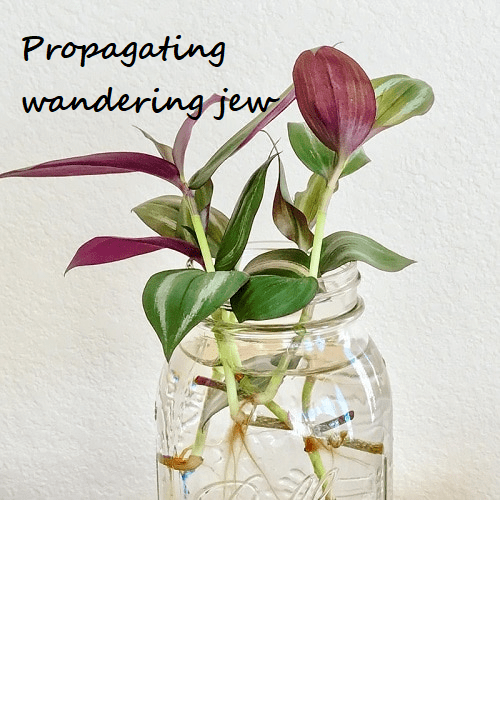
Propagating Wandering Jew

Propagating Wandering Jew in Water is super easy! Follow the given instructions and decorate your home with this stunning vine.

Rooting Wandering Jew Cuttings in Water

The resilient Tradescantia will root from almost any cutting, whether placed in water or in soil. So, starting a wandering Jew in water is a good project for anyone, including children and gardening beginners.You should see new roots begin to emerge within a week or so.  After about two weeks in water or when the new roots are a few inches long, plant your cuttings in an all-purpose potting mix, and care for them by watering weekly. 

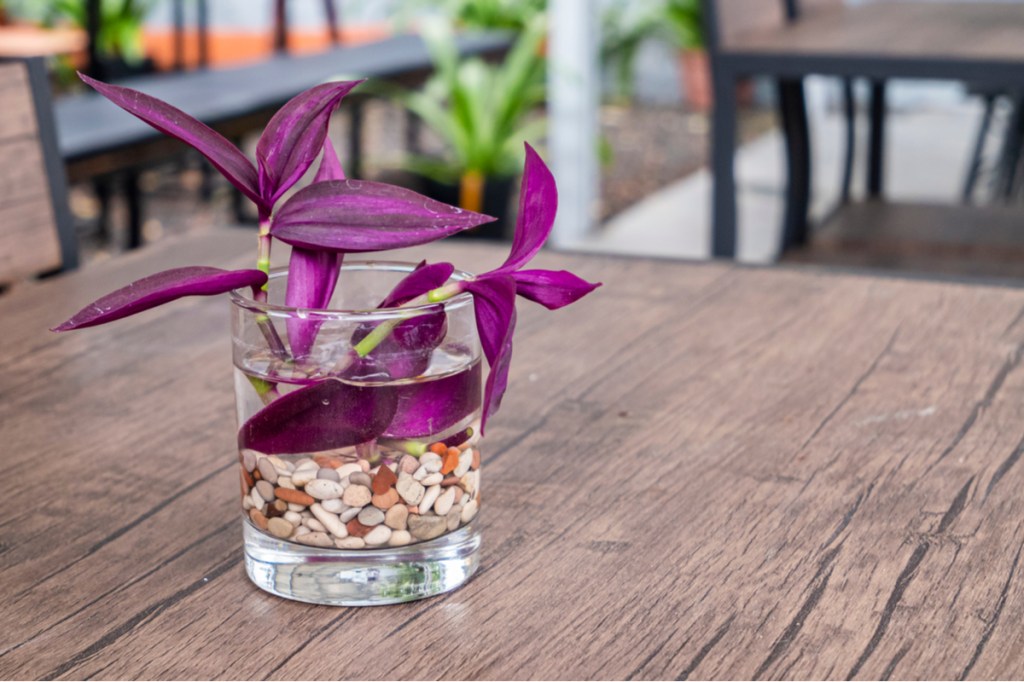
Cut off one of the drooping stems from a houseplant. A cutting of 6 inches is easier to handle than a smaller one, but any length is likely to root as long as you snip just above a leaf or leaf node. That’s where the plant will push new roots. Clip off leaves from the bottom few inches of the cutting, then put the cutting in a jar or glass filled with water. The stem is submerged in water while the leaves are out of the water. It’s fun to use a clear glass or jars to see  the roots growing 

Put the glass on a windowsill out of direct sunlight. Replace the water every few days, checking for roots. You won’t have to wait too long. Once the roots appear and grow to several inches, they are ready to plant in potting soil.

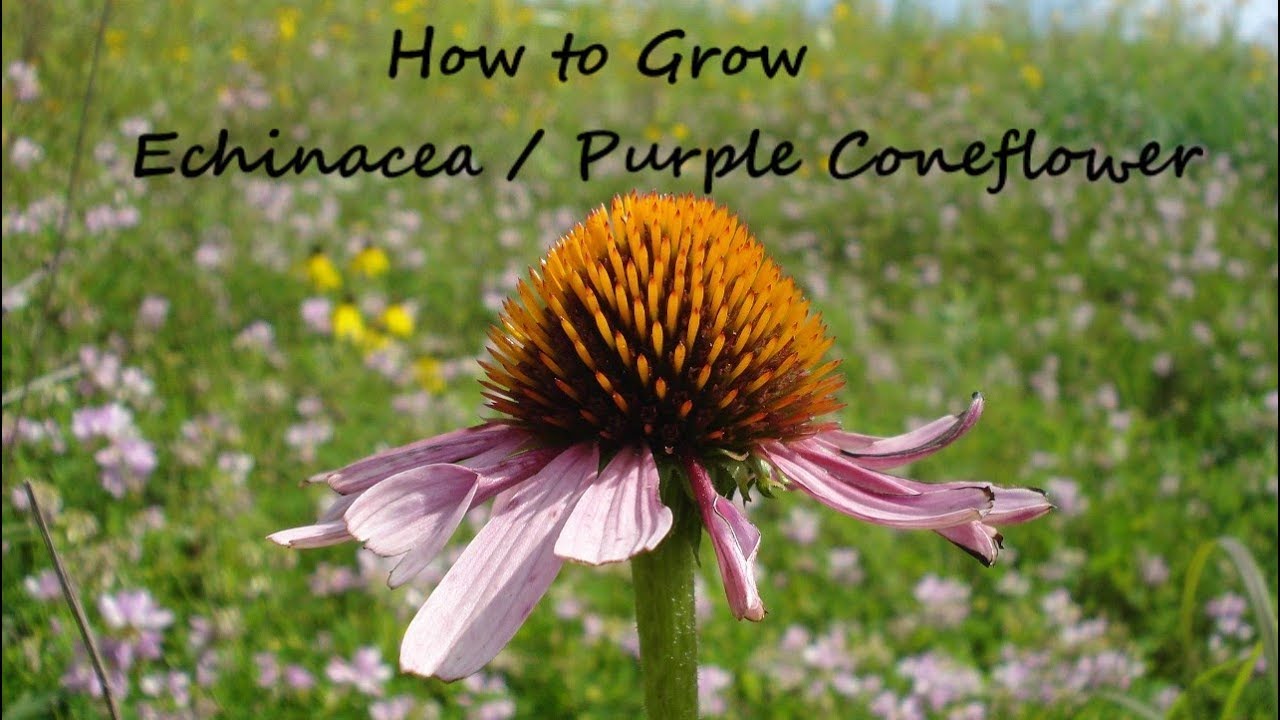
How to grow Echinacea

 These hardy perennial plants are broadly referred to as Coneflowers. They are highly attractive to pollinators and make excellent cut flowers. They look spectacular in mass plantings.

Timing

Sow indoors 8-10 weeks before planting out. If started indoors in late winter, Echinacea may bloom in the first year. It can also be direct sown in early spring or early fall. Germination should occur in 10-21 days.

Starting

Sow seeds shallowly at only 3mm (1/8″) deep. If starting indoors, provide total darkness and a soil temperature of 21-25°C (70-75°F). Once sprouts appear, provide bright indirect light ( near the window ). When sprouts are large enough to move outdoors, plant in a sunny location.

Growing

Space plants at 30-38cm (12-15″) apart in any average, well drained, slightly acidic soil. Water plants regularly for best results, keeping the leaves as dry as possible. Leave seed heads intact over winter to feed birds and provide shelter for beneficial insects.

Coding Interface

Forging Better Test Frameworks

Home is Where the Boat Is

Potting, Puttering & Pontooning

Cats and Trails and Garden Tales

Cats, travel, gardens and life in the Pacific Northwest

Leaf And Twig

Where observation and imagination meet nature in poetry.

phillipsplace

A new beginning, mobile home living, adding our style inside and out.

Ruth E. Hendricks

Daily Journal of Life in Pittsburgh

The Haute Mommy Handbook

Motherhood Misadventures + Creative Living

Suzanne's Mom's Blog

Arts, Nature, Good Works, Luna & Stella Lockets & Birthstones

𝑻𝒐𝒓𝒏𝒂𝒅𝒐 𝑶𝒇 𝑪𝒉𝒂𝒐𝒔 🌪

Thoughts, experiences and learnings in a turbulent time

Sarah Rajkotwala - Author & Spiritual Teacher blog

Gardening Fairies Flowers Spirituality Angels Love Joy

Ideas and Advice for How To Live a Joyful and Empowered Life.

All Things Empowering - Healing Ourselves & Earth, Self-Sufficiency, Food Forests, Gardening, Art, Road Trips, Preserving, Foraging, Permaculture, Homesteading and More!

America On Coffee

We’re just inviting you to take a timeout into the rhythmic ambiance of our breakfast, brunch and/or coffee selections. Enjoy!

Heart to Hearth Cookery

Sharing my Experimental Archaeology of Food