Curio rowleyanus, known as String of Pearls is a curious succulent that grows between rocks and other plants that provide protection from intense arid conditions of the region. In the wild the stems stretch out until they find the ground and root, forming dense covering.
The string of pearls (Senecio rowleyanus)succulent is a show-stopper. With its overflowing vines and bubbly pearl-like leaves, it’s an eye catcher that looks beautiful trailing across a desk or bookshelf or even hanging in a sunny window, where the vines can trail down for interest. Although these plants look delicate, they’re part of the succulent family—a generally easy care plant! It is a vining, flowering succulent native to southwest Africa. Its round leaves, which look like little peas, store water; this makes the plant drought-tolerant and happy hanging in a window of your home. It can also thrive outdoors in an area with light shade.is a vining, flowering succulent native to southwest Africa. Its round leaves, which look like little peas, store water; this makes the plant drought-tolerant and happy hanging in a window of your home.
How to care for string of pearls
If kept indoors, String of pearls prefer bright, indirect light—perhaps by a south-facing window or an area of your home that gets a good amount of sunlight. If they are kept outdoors, they prefer to be in a lightly shaded area in warmer months and brought indoors during the winter.
As with most plants, keep your string of pearls away from air conditioners or other drafty areas. If its leaves start dropping, this might be a sign of chill.
For your watering schedule, since they are drought tolerant, string of pearls prefer to dry out their soil in between each watering. To be sure you’re not overwatering, stick your index finger in the soil and check to see if the top half-inch is dry; only then should you proceed to water it. The little pearl-like leaves hold water and if they are getting the right amount, they’ll stay juicy and bulb-like. Change in shape may indicate over- or under-watering.
Its soil needs to be well-draining, so we suggest using either a succulent potting soil or mixing your own with three parts potting soil and one part sand.
Potential problems with string of pearls
If your pearl-like leaves start looking a little shriveled, they could be reacting to their water levels—you’re either overwatering or underwatering. Remember to water when the top part of the soil is dry; string of pearls plants also enjoy misting their little beads every so often. Younger plants often need more water than older plants.
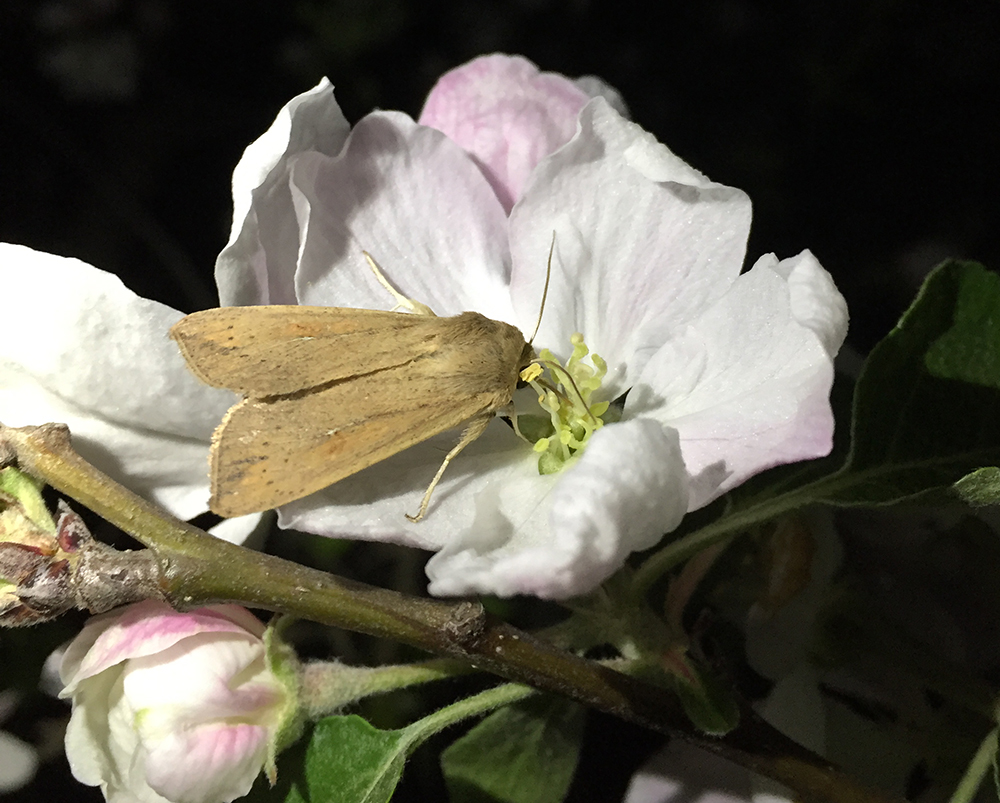
We are familiar with day-blooming flowers and day-visiting insects, bees, butterflies, flies and a few others. Such flowers are likely to produce more nectar at night; they also release aromas that the moths are well attuned to and that enable them to find the flowers
After dark, moths and bats take over the night shift for pollination. Nocturnal flowers with pale or white flowers with heavy fragrance and copious dilute nectar, attract these pollinating insects. Not all moth pollinators are nocturnal; some moths are also active by day.Nocturnal moths are well adapted to colder temperatures; they also have eyes that allow them to fly at night. Fortunately for them there are flowers that bloom at this time. Such flowers are likely to produce more nectar at night; they also release aromas that the moths are well attuned to and that enable them to find the flowers.
You may be lucky enough to have a night time pollinator visitor to your garden if you have moonflowers, evening primroses, Nicotiana or morning glories. It can be quite a treat to see hawk moths on a regular basis visiting your garden; some seem to have a fixed schedule and show up almost daily at their appointed time. They are large, fly silently and unfurl their straw-like tongues in front of long-tubed flowers like the ones mentioned. They look like hummingbirds drinking nectar while suspended in the air. They have handsome patterns on their wings, not as striking as those of butterflies, but very beautiful in a sedate way.
A couple of dawn or dusk pollinators that we are less familiar with is the squash bee; it’s an early riser, following the schedule of squash blossoms and finishing her daily chores just after dawn or at mid-morning when blossoms begin to wilt. They are said to be up before sunrise; however, I have never seen them so early. Maybe I should spend more time in the pumpkin patch and I may catch some of them.A truly nocturnal pollinators of a different stripe, bats. Most cactus bloom at night, they are strongly scented and produce big flowers with abundant nectar, just right for such large fliers. In the absence of bats, the landscapes of the West would be profoundly different, without the rich flora of saguaros, barrel cacti and prickly pears.
So what plants pollinate at night?
Heavy with fragrance, nocturnal bloomers produce a strong, sweet scent during twilight, night or early morning. Evening primrose (Oenothera biennis), Madonna lily (Lilium candidum), night-blooming jasmine (Cestrum nocturnum), and some yucca species draw these pollinators to them. You can purchase moonflower seeds at our Etsy shop to help jump start your night garden & lure in beautiful moths. Follow the link to see: https://www.etsy.com/listing/947182415/moonflower-seeds-
We have some exciting news to share with all of our followers and supporters. We are gradually changing our blog name from Flymeawaycreations.blog TO : the-dirty-hoe.com, so we can expand more platforms in the future. As the sole blogger to our shop I am always thinking more ways on how to reach new followers and supporters while throwing out gardening tips. So within this year we are thinking about starting our own podcast about gardening. This new area of podcasting will be a huge step for myself and my hubby. We have so much to learn before we jump into it, because I don’t think you would want to hear a southern girl rambling on about how she takes care of her family and all her plants that are taking over the house. The new name popped up one day, as I was driving back from a local garden shop with new gardening tools and yes of course plants. Yes, the name is out there and could offend someone, but I see it as a new giant step into my gardening journey. Plus when I do go out to the garden to plant flowers I am always using my little garden hoe and getting dirty!
My QUESTION to all of you …. What would you like to hear on our podcast? What topics do you think we should cover? Also if you listen to podcasts. PLEASE SHARE who , because I would love to expand my listening ears to more cool people.
So PLEASE keep an eye out about our name change for our blog on our Social media platforms:
Facebook, Instagram, Pinterest,& Tiktok
Plus as you follow us ; you can see our cool Etsy shop items that we create and sell
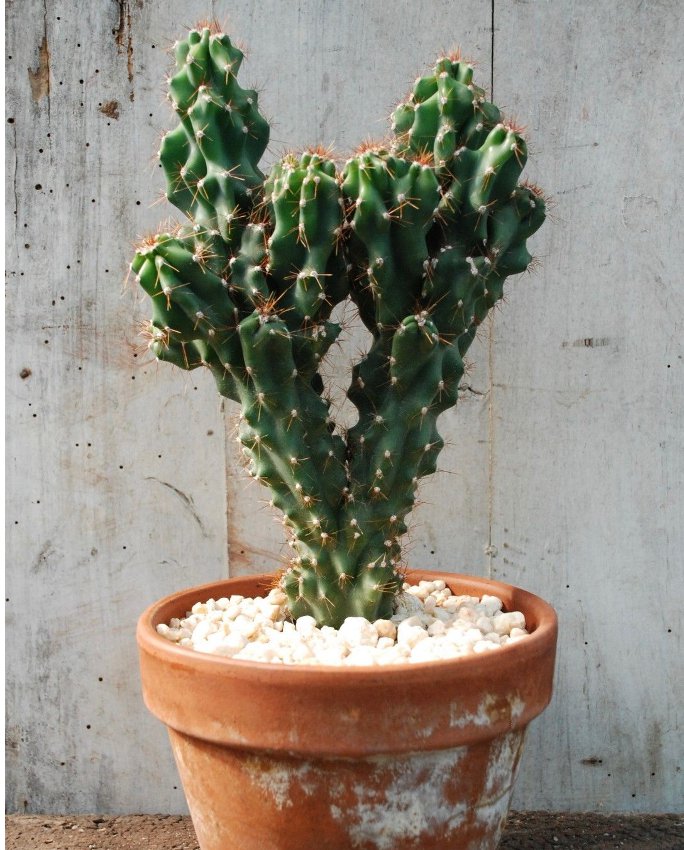
Monstrose apple cactus with undulating, twisting, sculptural stems, this plane of the cereus hildmannianus stands out within the genus.
This beautiful cacti can reach up to 23 ft outdoors, but indoors can vary to smaller size. They can bloom with stunning white flowers, which awaken at night. Attracting pollinating hummingbirds, bats, and insects throughout the night.
How do you take care of a Monstrose cactus?
Light Requirement: Full sun to part day sun. Plants started in lower light levels should be allowed to acclimate to full sun to avoid sunburn. Water needs: Very drought tolerant. Best with deep irrigation every two weeks but it can take more frequent watering in quick draining soils in warm weather.
How do you propagate Monstrose cactus?
When propagating Monstrose Apple Cactus from cuttings, cut a leaf from the mother plant carefully with a clean knife or scissors. Before replanting, wait for a few days to allow it to grow. Use well-draining soil for your new succulent plant. Don’t forget to water when the soil dries out.
How fast does the apple cactus grow?
between two to four feet per year
This plant grows quickly, at between two to four feet per year under optimal conditions. The Peruvian apple cactus flowers in the summertime, and though its flowers are beautiful, they’re also short-lived.
Growing beneficial medicinal herbs will positively thrive in containers placed right on your porch or patio. Many can even double as attractive houseplants, the likes of which may arouse the botanical curiosity of friends and neighbors.
These hand-picked herbs will round out any medicine chest and add beauty to your home. Adaptogens, first-aid herbs, digestives, and relaxing remedies are all represented.
*Please note that this article’s discussion of medicinal uses is introductory in scope. We’ve provided safety guidelines for each plant, but we recommend that you research any new herb and consult your health care providers for possible drug/herb contraindications and precautions before ingesting.
Lavender has a wonderful proclivity for soothing the nerves, and has been used medicinally for centuries as a remedy for digestive issues, headaches, stress, and grief. It is a gentle sedative, which also makes it beneficial for anxiety and insomnia.
Lavender is often used in formula for the herbal treatment of depression as it has more immediate effects as compared to many of the slower-acting tonic antidepressants and adaptogens. I combine lavender with lemon balm (Melissa officinalis) and lemon verbena (Aloysia citrodora) in tea to help lift the spirits.
The flavor of lavender tea is stronger than one might expect: it’s slightly bitter, mildly astringent, and very aromatic. A little goes a long way. Try combining it with rose petals (Rosa spp.), mint (Mentha spp.), chamomile (Matricaria recutita), or passionflower (Passiflora incarnata) for relaxation and decompression. It is generally safe for children and the elderly.
Topically, lavender (as a wash or essential oil) can be healing for burns, wounds, and minor infections. It is soothing, antimicrobial, and pain-relieving.
Don’t forget that lavender is also a culinary herb! Cultivation: Lavender’s beautiful purple spikes and uplifting aroma make it a classic garden darling. English lavender (Lavandula angustifolia) is the most common species grown and used medicinally. However, there are thirty-nine species of lavender, many of which are grown ornamentally! Ask your local herb nursery which varieties or cultivars grow best in your area.
A short-lived perennial, lavender prefers full sun, well-drained soil, and ample airflow. You may want to add perlite, gravel, or sand to lavender’s potting soil to provide ideal growing conditions. And if you live in a region with high rainfall, consider giving the plants cover in a sunny locale so they don’t receive too much water. Bring your lavender plants inside to overwinter—preferably in a place that receives bright, direct light—if your climate experiences hard freezes!
Lemongrass is a popular tea and everyday home remedy for some of the most common health complaints: headaches, stress, anxiety, indigestion, insomnia, coughs, colds, and flu.
It is a staple herb in Brazilian, Caribbean, Chinese, and Indian folk medicines. Much of the contemporary research conducted on lemongrass has centered on the essential oil, which has demonstrated marked antibacterial and antifungal properties.
I use lemongrass as a uniquely delicious medicinal tea. In the summertime, try pairing lemongrass with other citrusy herbs, like lemon balm and lemon verbena, along with hibiscus (Hibiscus sabdariffa), for a refreshing herbal iced tea.
You can add the flavorful “bulbs”—the tender inner base of the stems—to broths, Thai coconut soups, and curries. Teas and broths featuring lemongrass are wonderful for easing the symptoms of colds and flu.
Cultivation: This aromatic tropical grass is often grown as a container plant and brought indoors to be protected during the colder months. Growing it in a pot helps to keep its size manageable, and it’s quite commanding when planted with other ornamental herbs, such as artichoke (Cynara scolymus) and purple sage (Salvia officinalis ‘Purpurascens’).
For a tropical flair, pair with nasturtium (Tropaeolum spp.) and other cascading flowers. Plan to acquire a large pot for lemongrass and its companions!
Lemongrass prefers full sun and soils that drain rapidly—consider adding extra perlite or pine bark fines to your soil mix. Harvest the stems repeatedly throughout the growing season to increase yields and to keep growth in check.
If you have difficulty finding lemongrass plants in your area, you can often obtain pieces of lemongrass stem, with attached roots, from Asian grocers. These can be directly planted in pots or encouraged to root in a glass of water before planting. You can also grow it from seed if you get a head start on the season.
White sage’s medicinal uses are nearly interchangeable with its Mediterranean cousin, garden sage (Salvia officinalis), although the former is more antimicrobial and stimulating than its domestic brethren.
I use a steam inhalation of the leaves to help break up respiratory congestion in both the lungs and sinuses. Try combining it with thyme (Thymus vulgaris) and wild bergamot (Monarda fistulosa) in the steam pot with a few drops of eucalyptus (Eucalyptus globulus) essential oil.
The practice of burning white sage as an aromatic cleansing and purifying agent has been widely adopted by Westerners, to the demise of wild populations which have been overharvested, primarily for sale as “smudge sticks.”
Cultivation: Endemic to southern California and Baja California, white sage has become increasingly rare in its native habitat due to over-gathering. If you enjoy this herb, please consider growing your own supply. Do not gather or purchase wild-harvested white sage. We have a more detailed growing guide (plus recipes!) on the blog.
White sage favors warm, dry conditions. In humid climates, white sage will sometimes develop fungal diseases or rot. I cut off the afflicted area, and it will often make a comeback, but sometimes the whole plant up and dies. Subsequently, I plant more white sage than I ultimately need.
White sage is especially alluring in a terra-cotta or glazed blue ceramic pot. Add extra drainage material to the soil mix, such as coarse sand, perlite, or pine bark fines, and take care not to overwater. White sage is also prone to aphids; if it seems over wilty, look for the little green, red, or black insects on the undersides of the fresh growth. Use insecticidal soap as an organic pest control.
Rosemary not only tastes good in culinary dishes, such as rosemary chicken and lamb, but it is also a good source of iron, calcium, and vitamin B-6.
It is typically prepared as a whole dried herb or a dried powdered extract, while teas and liquid extracts are made from fresh or dried leaves.
Rosemary is a perennial plant (it lives more than 2 years).The leaves are often used in cooking.Possible health benefits include improved concentration, digestion, and brain aging.
Beyond the kitchen shelf and bathroom medicine cabinet your home herbal pharmacy can extend out onto the window sill or patio. Given the right light and watering many medicinal plants will thrive and can be a useful resource to have on hand. Label plants so that when you are harvesting them you know what you are taking for the right remedy. You can find copper garden markers at our Etsy shop to help label your beautiful helpful herbs. Follow the link to see https://www.etsy.com/listing/681882748/6-copper-garden-marker-set-herb-marker
So growing any of the herbs above can bring pleasure and a sense of achievement. If you know of any herb that can be used as a helpful remedy please comment below!
We’re just inviting you to take a timeout into the rhythmic ambiance of our breakfast, brunch and/or coffee selections. We are happy whenever you stop by.





 The-Dirty-Hoe.com