Attracting Hummingbirds to your Garden

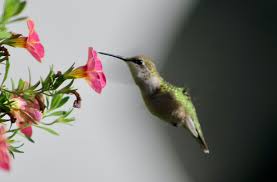
Nectar is the only reason that hummingbirds visit flowers in the first place. They need this sugar solution to fuel their high energy lifestyle. (They flap their wings around 60 times per SECOND)Also, a common trait of many flowers that attract hummingbirds is that they are long and tubular. Insects have a hard time reaching the nectar in these types of flowers, but hummingbirds, with their long beaks and tongues, are perfectly adapted.

I wanted to find hummingbird flowers that were common and typically supplied by your local nursery or easy to buy from a reputable company online. 

Trumpet Vine is an excellent flower to attract hummingbirds (it’s even commonly referred to as “hummingbird vine”), as it features long, tubular, bright flowers with lots of nectar.

It’s native to the southeast United States but is easy to grow in most of the country. And I do mean GROW. It has a reputation for growing like crazy, and I can second that with my first-hand experience. It needs to be trimmed regularly, or it will take over an entire area. The vine gets so big that many birds will even nest in its dense foliage!  It is widely available, and I can always find Trumpet Vine at my local nurseries. Typically, it takes a year or two after planting to start getting bright and beautiful flowers.

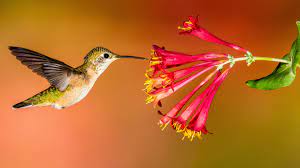
Another vine that is native to the eastern United States, Trumpet Honeysuckle is a favorite of Ruby-throated Hummingbirds. The birds love the bright clusters of red and orange flowers. It has similar features to the Trumpet Vine, and many people get the two mixed up. A benefit of the Trumpet Honeysuckle is that it’s not as aggressive and does not get as big as the Trumpet Vine. Because of this, Trumpet Honeysuckle may fit better in your hummingbird garden.

Bee Balm is a smaller, perennial flower. Hummingbirds, along with bees and butterflies, love visiting these plants to get nectar. It’s native Bee Balm is a smaller, perennial flower. Hummingbirds, along with beBee Balm, is a smaller, perennial flower. Hummingbirds, along with bees and butterflies, love visiting these plants to get nectar. It’s native to eastern North American and the Pacific Northwest. They are easy to grow, deer resistant, and drought-resistant!

If you have ever seen a Rhododendron in full bloom at the end of May, you will agree that their display is incredibly beautiful. You can’t blame hummingbirds for being attracted. One of the most popular plants at any nursery, there are over a thousand different species of Rhododendron that have been identified, with the majority of them originating from Asia.

 But the Rhododendron species that I recommend for hummingbirds is native to North America.

This small flower list is the start to help you attract beautiful hummingbirds to your little flower garden this season. 

Growing Pumpkins for Fall

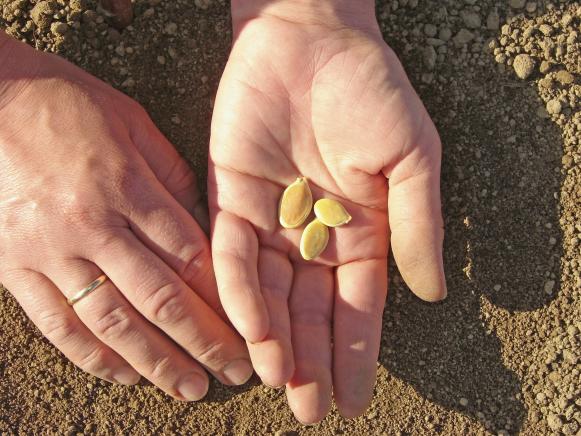
Whether you’re growing miniature pumpkins for tabletop displays or a beefy fruit for spooky carving, learning how to plant pumpkin seeds will improve your odds of success. It’s also critical to know when to plant pumpkin seeds, especially if you’re aiming for a larger-than-life harvest.

Like all seeds, pumpkin seeds need just a few things to get growing. Soil and water jump-start the process. Light is pivotal once leaves appear. The trickiest part is knowing when to plant pumpkin seeds.

If you’re growing a giant that needs 140-plus days to reach its mammoth size, sow seeds from April 25 to May 15. If you garden where those dates still have a frosty feel, start seeds indoors.  Sow traditional field pumpkins or jack o’lanterns into garden soil from May 15 to June 15. For an earlier harvest or perhaps a slightly larger pumpkin, you can start seeds indoors up to two weeks before these dates. Miniature pumpkins don’t need as long a growing season to reach their full potential. Tuck these seeds into garden soil from May 25 to July 1.

Pumpkins dislike cold of any kind, so don’t plant pumpkin seeds directly into garden soil until after all danger of frost is past. It’s a good idea in cooler areas to cover your pumpkin planting spot with black plastic for a few weeks prior to planting. This helps concentrate the sun’s rays to warm soil. At planting time, cut a small X-shaped slit in the plastic and sow seeds through that opening. Watch for seedlings to appear; make sure they’re not hindered by the plastic.

Indoors and out, pumpkin seeds usually germinate within 10 days. If 10 days come and go and you see no signs of growth, consider making a second planting. You can gently try to excavate planted seeds, but if the seed has germinated, you risk damaging emerging roots. In the garden, use a large garden trowel to lift soil gently and inspect it for any sign of the seed or seedling.

The current world record pumpkin title, awarded in 2012, belongs to an orange orb weighing 2,009 pounds. Experts predict that record will hold for years until another perfect pumpkin-growing season arrives! Will you be the next gardener to have the largest pumpkin? 

You can purchase pumpkin seeds at our Etsy Shop: http://www.printhousedesign.com

Small Edible Garden

Getting a Small Kitchen Garden Started can be a fun summer project for your kids or for yourself.

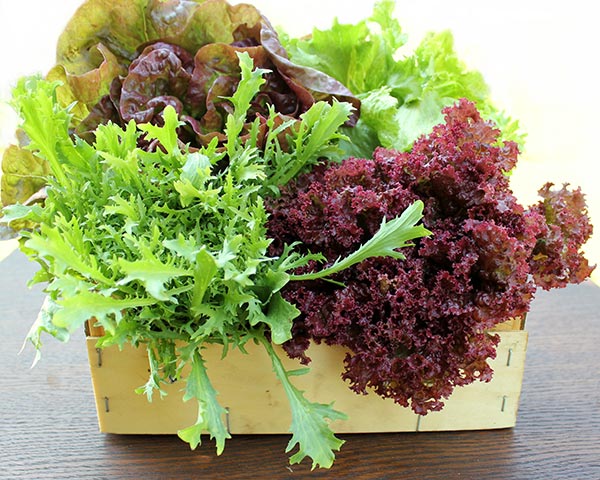
Edible salad gardens in a pot can be a fun filled treat in your kitchen. The yummy greens are planted to the brim with tasty herbs like parsley, chives and spring onions, edible flowers, and baby spinach. I rotate the plants by planting seasonal greens and herbs in the summer and fall.

Clever design tips will help make the most of the space you have.  Lots of plants including vegetables require very little effort but reward you extremely well for a minimal outlay.  There are lots of clever ways to design your space for maximum production, design out problems like weather or nosy neighbors and add beauty, color, fragrance and structure as well as encouraging children to get their hands dirty. Keep it simple and you can fit at least some gardening into your life.  Having an idea of what you want is a good starting point. A few design ideas ( hanging basket with herbs) ( window sill leafy greens) ( medium size container to grow tomatoes on the patio or front porch)

Simple pots of fragrant culinary herbs are a great starting point for your kitchen garden. Such as lavender, rosemary, or mint, and Salad greens can be grown on the windowsill with lots of natural light. One or more large containers on your balcony or veranda can be planted with vegetables; tomatoes, cucumbers, and onions.

 You can also try a mushroom growing kit – these can be grown indoors or outside and will provide you with several flushes of mushrooms.

So whatever you choose to start growing, you’ll get plenty of help right here.  Feel free to ask questions if you need to know more.

If you are ready to get started growing in a pot, make sure you choose the right container and consider when to plant your plants (certain veggies and herbs grow at different seasons.)

How to grow your own pineapple

Did you know you can grow a pineapple from the top (or crown) of the pineapple you bought from the store. It’s easier than opening up a tin of fruit salad, and the good news about growing a pineapple from the top is it doesn’t need much care.

Planting a pineapple top

So, you’ve already got a pineapple and want to know how to grow another one from the top. It’s a few easy steps to growing your pineapple plant.

Step 1 First, you cut off the crown. “If you use tops make sure you remove all the fruit flesh. The stem that is left needs to be bare, dry and clean.”

Step 2 What some people do next is put them in water to ‘root’, but, “In the case of pineapple tops it’s actually better to let it cure or dry for a day or two before planting.”

Step 3 Remove all the bottom leaves and any dead leaves.

Step 4 Fill a pot with soil.

Step 5 Make a hole big enough for the pineapple top and plant it.

Step 6 “They don’t need much water,.” They have very tough leaves so they don’t lose much water through evaporation. They can get by on very little.”

Step 7 once you plant your pineapple it will take some time to grow so patience

Ideal growing conditions

Pineapples grow in the ground but will also flourish in a pot. Taking care of your pineapple plant at home is easy. Pineapples grow slowly and only need watering about once a week.

As long as you plant your pineapple top in good soil and position it in a spot with good sunshine, you’ll see the rewards of your effort in just 15-18 months. (Yes it can take a while, As a general rule, it will take anywhere from 16 to 24 months to begin seeing fruits. If you live outside a tropical area or plan on growing your pineapple indoors, it can take longer. The long duration in which for them to grow is because it takes 200 flowers to develop into one fruit. That means every segment you see on the skin of a pineapple was once a flower. It then formed into a berry which then coalesced with other berries from the flowers on the same stalk to form the pineapple you see.

Iced Tea Recipes For Summer

Maybe it was because it’s what my dad ordered all the time and what we always had available in the fridge, but it holds such positive memories for me from my childhood.

As a kid, I loved all the different flavors of iced teas, though I can bet you I probably added way too much sugar into my iced tea recipes.

One of the best ways to keep healthy and help your body is running efficiently is to make sure you are drinking enough water during the day.  They say you’re supposed to be drinking half your weight, in ounces, of water each day.  That means, if you weigh 140 pounds, you should aim to be drinking 70 ounces of water each day.  This number goes up if you are exercising, but it’s a good way to have a baseline.

I hear from a lot of people they struggle with drinking plain ol’ water each day so they wind up not meeting their daily water requirements.

One tasty way to increase the amount of water you’re drinking is to make healthy iced tea recipes — this allows you some more flavors, but also keeps you hydrated.  You can also choose if you want the added caffeine, or not.

Lemon Basil Iced Tea

I’ve found a new flavor combination I absolutely LOVE and it’s lemon basil.  The combination of the tart lemon and sweet basil is so yummy and goes great in this iced tea.  This is my favorite ice tea recipe right now and is perfect for summer.

Blackberry Mint Iced Tea

Hard to go wrong with fresh summer blackberries and mint leaves, especially when they’re combined with green tea and enjoyed on a hot summer day.

Iced Peach Ginger Tea

Peach and ginger go very well together and create a tart, spicy iced tea recipe that is a great change to your typical iced tea.  This is also a great use of those fresh summer peaches you have on hand.

Ingredients

Lemon Basil Iced Tea

1/2 lemon, thinly sliced

6 fresh basil leaves

2 green tea bags

3 cups hot water

raw honey, optional

Iced Peach Ginger Tea

1 peach, pitted and sliced

2 green tea bags

4 ginger coins

3 cups hot water

raw honey, optional

Blackberry Mint Ice Tea

1/2  cup  fresh blackberries

6 leaves  fresh mint

2  bags green tea

3 cups hot water

raw honey, optional

Instructions

Lemon Basil Iced Tea

Add the lemon slices, fresh basil leaves, and green tea bags to a 1 quart Mason jar or pitcher.

Pour hot water into the mason jar, and allow to steep for 15 minutes. Then, remove the tea bags.

Place into the fridge to completely chill for 3-4 hours for the flavors to release.

Iced Peach Ginger Tea

Add the sliced peach and green tea bags to a 1 quart mason jar or pitcher.

Skewer the sliced ginger coins on a toothpick, if desired, to make them easier to remove later, and then add them to the jar.

Pour the hot water into the mason jar, and allow to steep for 15 minutes. Then, remove the tea bags.

Place into the fridge to completely chill for 3-4 hours for the flavors to release.

Blackberry Mint Ice Tea

Add the fresh blackberries, mint leaves, and green tea bags to a 1 quart mason jar or pitcher.

Pour the hot water into the mason jar, and allow to steep for 15 minutes. Then, remove the tea bags.

Place into the fridge to completely chill for 3-4 hours for the flavors to release.

So next time you want to create a refreshing tea try one of these

Home is Where the Boat Is

Potting, Puttering & Pontooning

Cats and Trails and Garden Tales

Musings on cats, travel, gardens and life

Leaf And Twig

Where observation and imagination meet nature in poetry.

phillipsplace

A new beginning, mobile home living, adding our style inside and out.

Ruth E. Hendricks

Daily Journal of Life in Pittsburgh

The Haute Mommy Handbook

Motherhood Misadventures + Creative Living

Suzanne's Mom's Blog

Arts, Nature, Good Works, Luna & Stella Lockets & Birthstones

𝑻𝒐𝒓𝒏𝒂𝒅𝒐 𝑶𝒇 𝑪𝒉𝒂𝒐𝒔 🌪

Thoughts, experiences and learnings in a turbulent time

Sarah Rajkotwala - Author & Spiritual Teacher blog

Gardening Fairies Flowers Spirituality Angels Love Joy

Ideas and Advice for How To Live a Joyful and Empowered Life.

All Things Empowering - Healing Ourselves & Earth, Self-Sufficiency, Food Forests, Gardening, Art, Road Trips, Preserving, Foraging, Permaculture, Homesteading and More!

AmericaOnCoffee

We’re just inviting you to take a timeout into the rhythmic ambiance of our breakfast, brunch and/or coffee selections. We are happy whenever you stop by.

Heart to Hearth Cookery

Sharing my Experimental Archaeology of Food

The Herb Society of America Blog

Learn • Explore • Grow