Container Gardening for Beginners

Everyone has the time and the space to have a garden. No matter how busy you are or how small your yard or even if you don’t have a yard at all, you surely have room for a plant-filled container or two. Container gardening is quickly becoming one of the most popular growing techniques.

How do I start a container garden?

GARDENING in containers is a fascinating way of growing plants. It has expanded the horizons of gardening for homeowners and often has provided the only way to garden for apartment and condominium dwellers. Planting in containers has also provided a contemporary aspect to gardening. The use of unusual plants in unusual pots and containers provides interest and color to surroundings that were once considered drab. Containers bring plants up close and personal. You can choose the plant, the container, and the location. And when you put them all together, you can stand back and marvel at what you’ve created.

Interesting containers often make plants more picturesque, and the varieties available are almost endless. Color, size and texture are important, but the most important consideration when choosing a container is  whether it has adequate drainage holes. Flymeawaycreations Etsy shop has over 20 different style planter containers that have drainage holes to help water flow for any plant!

Most people fill their containers with plants that grow for a single season; at the end of the season they toss the plants and start with fresh plants for the next round of growing. This is the easiest way to grow plants in containers because you don’t have to worry about the temperature extremes that challenge many plants, especially in regions with cold winters. Fear not: Choosing this option doesn’t mean you sacrifice anything. Some of the biggest, brightest, and longest-blooming flowers are ideal for single-season containers, as are most vegetables. For example, petunias, impatiens, beans, and tomatoes are grown as annuals and enjoyed for a single growing season. They require just a few months of commitment from you.

Helping Your Container Plants Thrive:

Plants in containers need a little more ongoing attention than plants in the ground. Container plants depend on you for their water and nutrients. Poorly drained potting mixture can lead to root problems. Under conditions of excess moisture and poor aeration, roots become stressed and are easily invaded by root rotting fungi. Under these circumstances, plants fail to grow properly or even die. Commercial potting mixtures are ideal for container plants. These are referred to as “soil less mixtures” because they do not contain soil but rather various combinations of minerals and peat moss as well as either per-lite or ground pine bark. The latter two components are used to improve drainage and aeration. The better commercial mixes are also fortified with fertilizer and lime as well as a wetting agent. These mixtures can be found at any local gardening shop, known as “potting soil.” Some plants need full sun to thrive, but any place that has sufficient light to read by is a suitable location for some type of potted plant. The key is choosing the right plant for the spot. The corner of your desk or any sun lit room may be a perfect spot for a small plant. The great thing about growing plants in containers is that you’re not limited by climate, how much space you have, or the plants commonly available at most garden centers.

If you would like to try planting Herbs in the container you will need at least a couple hours of good sun per day. Fill the container with 2-4 inches of compost soil. If you’re planting sprouts, make sure to give them a few inches of space around the roots. If you’re planting seeds, scatter the seeds evenly across the planter. Planting succulents make sure you use a container with a drainage hole in the bottom, and use a sandy and soil mixture. Stay tuned for a new blog regarding Planting succulents!

You can follow the link to Flymeawaycreations shop to see all the different style container planters for any small plant!

www.flymeawaycreations.com

Caring for Cacti

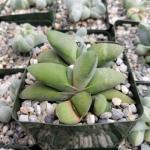
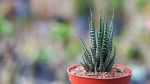
The cactus family includes a large variety of succulent plants that vary size and color. Some grow into tall columns, reaching up to 50 feet high, while others are only a few inches high and well-suited for growing in pots. These mini-cacti generally produce brightly colored flowers and take on interesting shapes. You can buy mini-cacti already potted in small containers at several local gardening shops!

Cacti are quite low-maintenance, making them an ideal plant for new gardeners and a great housewarming gift. The secrets to growing healthy cacti indoors include providing them with plenty of sunlight, not over watering, and using the right soil. The most important thing to remember when choosing a pot for a cactus is drainage. Find a pot with drainage holes in the bottom that will allow excess water to drain out. Cacti also do well in smaller pots, so choose a pot that’s about twice the size of the plant. Flymeawaycreations shop has several planters that work great with small cacti plants! Many of the 3D printed planters that are listed at the shop have drainage holes to help release the excess water.

So where is the best spot for your new little plant? Kitchen and bathroom windows are great for cacti, because they can pull additional moisture from the air as needed. Most species of cacti need several hours of direct sunlight every day. A south- or east-facing window will be ideal for most cacti. However, if the cactus starts to look yellowed, bleached, or orange, it is likely getting too much light, and you should move it to a west-facing window. Some cactus varieties do better with indirect sunlight. If your cactus is turning white, yellowing, or spots are turning orange, it likely means the plant is getting too much sun. Move the cactus to a window that gets less direct sun.

How do you take care of your new cacti plant?

When you get home with your new cacti, first check the soil don’t water if the soil is still moist, as this will cause rot and kill the plant. Over watering


can kill a cactus, but the plant will need weekly watering during active growing periods. Growth phases are typically between spring and fall. When the soil feels dry to the touch, water the plant until the soil is thoroughly damp. Rain water is preferable to tap water, if you can manage to collect and store it.

Remember for the first two weeks after transplanting, from the store bought container to a new planter that you find at Flymeawaycreations or at another shop make sure the soil is damp, but not soaked and find a great location with enough sunlight for your new little plant!


You can follow the link to Flymeawaycreations shop to see all the different designs for your new cactus!

www.flymeawaycreations.com

Gardening with Turtles


There are hundreds of kinds of tortoises and even more kinds of turtles, but my experiences have been limited to but a few. I have found they make excellent garden companions. Did you know that the box turtle can be a great gardener friend? Yes, these beautiful animals can help keep those pests away from your beautiful flowers! The box turtle’s diet can consist of

Slugs

Flies

Grubs

Snails

Grasshoppers

Crickets

Box turtles will eat most bugs; essentially, if they can catch it, they will eat it. The rest is their diet is made up of fungi, moss, and berries.   If you can, please welcome box turtles in your garden. Invite box turtles into your garden by planting their favorite fruits; mulberry, blackberries, and elderberry. In sunny areas, encourage dense clusters of brambles, and let the ripened berries fall. Choose species that fruit at different times during the season. Also be aware that these cute creatures have a well-known penchant for raiding vegetable gardens, especially for cantaloupes and tomatoes, so erect a little box turtle barrier. Leave large, continuous areas of natural leaf litter mulch beneath the trees on your property, where the animals can remain camouflaged and forage for prey. Build brush piles over soft, loose soil by layering branches and leaf litter, where they can spend the night or overwinter. Any moist place, whether swamp, damp forest depression, or simple water garden, will help turtles survive the hottest parts of the day.

Should you be fortunate enough to witness a turtle nesting in your garden, identify and protect the site from any dogs or cats. If you can identify the species of wild turtle that has graced your garden, report it to your local fish and wildlife office. The common box turtle is not so common nowadays. Even these masters of retreat, temperature regulation and patient waiting for dangers to pass are not faring well in a quickly changing climate. Being stolen from the wild to be kept as a pet or sold in a pet store is another major impact that they can’t recover from quickly. Fresh water, and safe corridors for wild turtles to travel to fresh water, is increasingly scarce. Box turtles are listed as vulnerable, one step away from endangered, on the IUCN Red List because of these hazards and more.

So the next time you are in your garden or plan to create one think about this cute slow moving gardener friend!

Flymeawaycreations Etsy shop has two unique 3D printed planters that are designed as a cute bronze colored tortoise and a mint green adorable sea turtle! You can follow the links below to check out both styles!

https://www.etsy.com/listing/667570566/sea-turtle-planter-for-indoor-gardening

https://www.etsy.com/listing/129676347/tiny-tortoise-planter-for-small


Gardening with Birds

Spring means the arrival of flowers and greenery, but it also means the arrival of spring birds too! If you want to attract more birds to your yard this spring, take a peek below at some helpful tips on how to attract spring birds. You will find that with just a few steps, you can create a yard that is bird friendly and inviting.

One helpful tip to bring birds to your home today is growing native plants. With Audubon’s Native Plant Database, you can find the best plants for the birds in your area. Growing bird-friendly plants will attract and protect the birds you love while making your space beautiful, easy to care for

Birds and native plants are made for each other, thanks to millions of years of evolution. Large, colorful fruits feed birds and, in return, birds spread the plant’s seeds far and wide, supporting whole ecosystems. Native plants are also important hosts for protein-rich native insects like butterfly and moth caterpillars, which nesting birds need to feed their growing chicks. For their part, birds have shaped their entire life cycles, including their migrations and feeding habits, around plants.

Sparrows love thickets and tall grass, so plant patches of blackberry thicket and wild grasses to attract them. Blackberries and wild grasses offer fruits and seeds as food, and they also provide nesting habitat, shelter from harsh weather, and foraging grounds where sparrows, along with other birds like warblers and chickadees, can hunt for insects. Willows, sagebrush, and other dense or shrub-like native plants are also good for attracting these birds.

Northern Cardinal, Rose-breasted Grosbeak, and Scarlet Tanager are attracted to elderberries and sunflowers. Sunflowers attract a wide variety of bird species, and so are practically bird feeders that you can grow in your yard.

Colorful finches are attracted to the colorful flowers in the daisy (Asteraceae) family. Daisies, which include sunflowers, thistles, and asters, produce the small seeds favored by finches, and also the downy fibers used to line nests.

Hummingbirds love sweet nectar and wildflowers are a perfect way to bring these tiny birds into your garden!

Don’t forget birds love fresh water to drink and bathe in. Provide fresh water in a bird bath (if you installed a winter heater now is the time to remove it) and add a feature to make the water bubble or trickle. These sounds will let the birds know the water is there. Having water bowls around the yard are also appreciated by birds.


***Flymeawaycreations Etsy shop started this year offering wildflower seed packets for anyone who would love to start a garden to help attract, hummingbirds, butterflies, and bees! Follow the link to see the packets (under $3& free shipping)

https://www.etsy.com/listing/676890803/wildflower-seed-mix-non-gmo-butterfly

There is a nice app that is easy to download onto your phone to help guide you on finding the perfect plants to attract birds in your area it the Audubon Bird Guide app and it is a free! You will have a complete field guide to over 800 species of North American birds, right in your pocket. Built for all experience levels, it will help you identify the birds around you, keep track of the birds you’ve seen, and get outside to find new birds near you.


Gardening with Hedgehogs

Hosting a rich Eco-system will promote natural pest control and a thriving habitat for small critters and for your beautiful flowers! Known as the “Gardener’s friend”, Hedgehogs aren’t just cute, they’re also valuable pest controllers. They love to munch on slugs and other pest, keeping your flowers and herbs blooming throughout the spring, summer, and autumn. The hedgehog is an insectivore with a voracious appetite – an adult can easily eat up to 200g of insects a night! That means it would take a single hedgehog only three months to munch its way through a slug-infested garden.

Leaving an area of your garden wild naturally unkempt is a great way to help wildlife and little hedgehog’s come into your garden. Hedgehogs need three things; food, water and shelter. And pretty much all of those can be achieved with a good compost heap. Hedgehogs and other wildlife can then use fallen leaves, twigs and dead vegetation to build their nests. In the wild areas also provides a home for the insects that hedgehogs and birds love to feed on. Also by creating a pile of old bits of wood can give the hedgehogs somewhere to hide, sleep and hibernate. Choose a quiet spot that is unlikely to be disturbed from November to March as this is when the hedgehogs will be hibernating. Hedgehogs are able to swim, so may be attracted to garden ponds. So if you have a pond, create a sloping edge using rocks or wood so that they can climb out with ease. This will also be useful for frogs and toads.

So this spring when you start your gardening, and would like a little help from a gardener’s friend try to do less gardening. Yes, really. Leave wild patches, plant hedges and, if you have the space (and you dare), leave patches of brambles to grow freely.

Flymeawaycreations shop has a cute hedgehog 3D printed planter to bring a little nature into your home! Follow the link to see the cute fellow!

https://www.etsy.com/listing/671702069/hedgehog-planter-for-succulents

hedgehog

Coding Interface

Forging Better Test Frameworks

Home is Where the Boat Is

Potting, Puttering & Pontooning

Cats and Trails and Garden Tales

Cats, travel, gardens and life in the Pacific Northwest

Leaf And Twig

Where observation and imagination meet nature in poetry.

phillipsplace

A new beginning, mobile home living, adding our style inside and out.

Ruth E. Hendricks

Daily Journal of Life in Pittsburgh

The Haute Mommy Handbook

Motherhood Misadventures + Creative Living

Suzanne's Mom's Blog

Arts, Nature, Good Works, Luna & Stella Lockets & Birthstones

𝑻𝒐𝒓𝒏𝒂𝒅𝒐 𝑶𝒇 𝑪𝒉𝒂𝒐𝒔 🌪

Thoughts, experiences and learnings in a turbulent time

Sarah Rajkotwala - Author & Spiritual Teacher blog

Gardening Fairies Flowers Spirituality Angels Love Joy

Ideas and Advice for How To Live a Joyful and Empowered Life.

All Things Empowering - Healing Ourselves & Earth, Self-Sufficiency, Food Forests, Gardening, Art, Road Trips, Preserving, Foraging, Permaculture, Homesteading and More!

America On Coffee

We’re just inviting you to take a timeout into the rhythmic ambiance of our breakfast, brunch and/or coffee selections. Enjoy!

Heart to Hearth Cookery

Sharing my Experimental Archaeology of Food