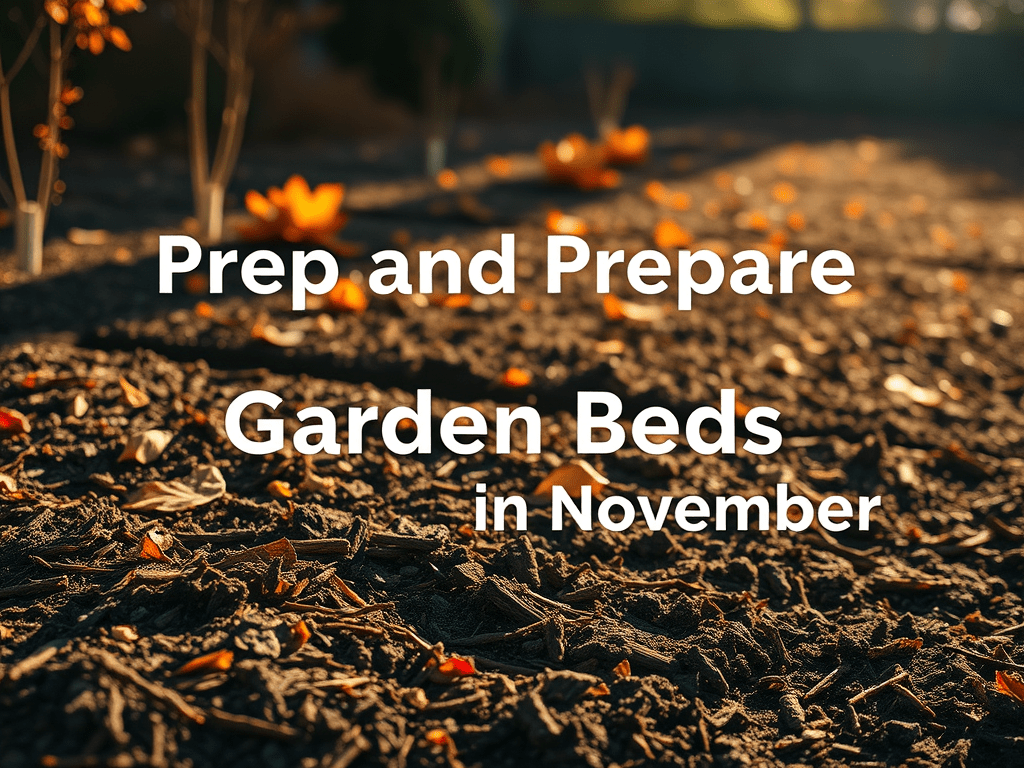
How to Prepare Your Garden for November: Essential Tips for a Flourishing Winter Garden
November signals the last call to ready your garden for winter, protecting plants and soil from cold snaps and frost while setting the stage for a successful spring bloom. Here’s your comprehensive guide to preparing your garden and flower beds for the cooler months ahead.
1. Clean and Tidy Up the Garden
Remove Dead Plants and Debris: Start by clearing out any spent plants, weeds, and garden debris. This keeps pests and diseases from overwintering in your garden and keeps your beds looking neat.
Compost Smartly: Only compost healthy plant material; if plants had any disease or pests, dispose of them to avoid contamination.
2. Prune, Divide, and Transplant
Prune with Care: Trim dead or diseased branches and any stems that need reshaping or reduction. Avoid heavy pruning on flowering shrubs as this may reduce next year’s blooms. Light pruning is suitable for late-season flowering shrubs and perennials.
Divide Perennials: Dig up crowded perennials like daylilies, hostas, and irises and split them into smaller sections. Transplant these divided sections back into your garden or pot them for spring planting.
Transplant Shrubs and Trees: If you need to move any shrubs or trees, November is a great month to do so, while they’re dormant and the ground is cool but not frozen. Prepare new holes and water them in well.
3. Prep and Protect Flower Beds
Add Mulch to Protect Roots: Spread a 2-3 inch layer of organic mulch, such as wood chips, shredded leaves, or straw, around flower beds. Mulch insulates soil and roots, protecting them from sudden temperature drops and retaining moisture.
Insulate Perennial Beds: For plants like peonies and roses, pile extra mulch or compost around the base. Consider using garden blankets or frost covers for tender plants in exposed areas.
4. Winterize Your Soil
Add Compost and Organic Matter: Spread a layer of compost over your flower beds to provide essential nutrients. This organic layer breaks down over the winter and improves the soil structure and fertility.
Cover Crop for Vegetable Gardens: Planting cover crops like clover, rye, or vetch in your vegetable garden replenishes nutrients and protects soil from erosion. In the spring, you can till them into the soil as “green manure.”
5. Plant for Spring Blooms
Add Spring Bulbs: November is the last month to plant spring-blooming bulbs like tulips, daffodils, and hyacinths. Choose a sunny location, plant them at the recommended depth, and water them in to settle the soil.
Consider Winter-Flowering Plants: Pansies, violas, and hellebores are hardy choices that add color to your garden beds during the coldest months.
6. Prepare and Protect Garden Tools
Clean and Sharpen Tools: November is an ideal time to clean your tools, sharpen blades, and treat wooden handles to prevent cracking. Oiling your tools keeps them in excellent shape for spring planting.
Store Tools and Equipment: Store hoses, watering cans, and other garden tools in a frost-free space to prevent rust or cracking. Consider draining hoses and sprinklers to protect them from freezing.
7. Protect Your Garden Wildlife
Set Up Bird Feeders and Shelters: Birds, bees, and other beneficial insects play an essential role in your garden’s ecosystem. Set up bird feeders and insect hotels or leave a few piles of dried leaves for shelter.
Leave Some Flower Heads Standing: Leaving seed heads on plants like coneflowers and sunflowers provides food for birds and beneficial insects over the winter.
8. Wrap Up Your Garden with a Seasonal Plan
Take Garden Notes: Reflect on this season’s successes and challenges. Document any changes you’d like to make for next year, noting which plants thrived, any pests or diseases you encountered, and ideas for new varieties to try.
Consider Early Plans for Next Spring: By having a rough idea of next season’s layout, plants, or projects, you’ll have a more cohesive garden that’s ready to burst with color come spring.
As you wrap up for the season, taking these steps in November will help protect your plants, enrich your soil, and ensure that your garden stays a welcoming place for wildlife over winter. Enjoy a restful season with the knowledge that your garden will be ready to thrive again in spring. Happy gardening!
 The-Dirty-Hoe.com
Thank you for reminding me to clean the bird feeders, all done and filled.
LikeLike