
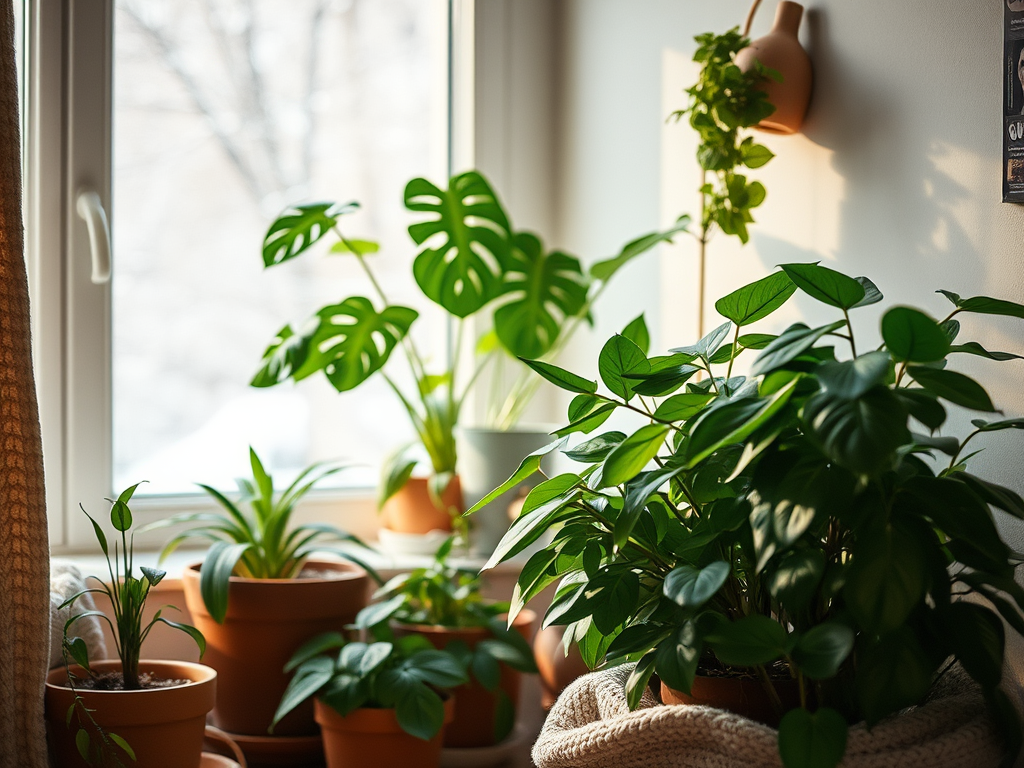
Winter Gardening Hacks: Keeping Your Plants Happy in the Cold
Winter may seem like a quiet season for gardeners, but it’s an opportunity to focus on protecting your plants and preparing for a flourishing spring. Whether you’re caring for indoor houseplants or outdoor perennials, here are some essential winter gardening hacks to ensure your plants thrive even in the chill.
1. Shield Outdoor Plants from Frost
Frost can be a death sentence for sensitive plants. Here are some ways to protect them:
- Mulching: Add a thick layer of organic mulch around the base of your plants. Mulch acts as insulation, keeping the soil temperature consistent and protecting roots.
- Covering Plants: Use frost cloths, old bedsheets, or burlap to cover delicate plants overnight. Make sure the cover doesn’t touch the foliage to avoid frost damage.
- Watering: Moist soil retains heat better than dry soil. Water your plants during the day so the soil can absorb and radiate warmth overnight.
2. Bring Potted Plants Indoors
Potted plants are more vulnerable to freezing temperatures because their roots lack the insulation of the ground. Move them indoors to a sunny spot where they’ll get enough light but stay away from drafty windows or heat vents. For larger pots that can’t be moved easily, wrap the containers with bubble wrap or burlap to insulate them.
3. Adjust Your Watering Schedule
Plants need less water during the winter. Overwatering can lead to root rot, especially for houseplants. Check the top inch of soil before watering—if it’s dry, it’s time to water. For outdoor plants, water early in the day so the soil has time to absorb moisture before temperatures drop.
4. Ensure Proper Lighting for Indoor Plants
Shorter days mean less natural light for your houseplants. To compensate:
- Clean Windows: Dust and grime can block light, so clean your windows regularly.
- Use Grow Lights: If your plants need more light, invest in full-spectrum grow lights to keep them happy.
- Rotate Plants: Turn your plants every week to ensure even light exposure and balanced growth.
5. Prune and Repot as Needed
Winter is an excellent time to prune houseplants and dormant outdoor plants. Remove dead leaves and branches to encourage healthy growth. If your indoor plants are root-bound, consider repotting them into a slightly larger container with fresh potting soil.
6. Create a Humid Environment
Indoor heating can make the air dry, which isn’t ideal for many houseplants. Increase humidity with these tips:
- Group Plants Together: Plants release moisture through transpiration, and grouping them can create a mini humid environment.
- Use a Humidifier: Place a small humidifier near your plants to maintain optimal moisture levels.
- DIY Pebble Tray: Fill a tray with water and pebbles, then place your plants on top. As the water evaporates, it will add humidity to the air.
7. Prep Your Garden for Spring
Winter is also a time to get ahead for spring gardening:
- Plant Bulbs: Many spring-flowering bulbs, like tulips and daffodils, need to be planted in the fall or early winter.
- Order Seeds: Browse catalogs and plan your spring garden layout.
- Maintain Tools: Clean, sharpen, and oil your garden tools so they’re ready for use.
8. Keep Wildlife in Mind
Birds and beneficial insects need shelter and food during winter. Leave seed heads on some of your plants, such as coneflowers, to provide a natural food source. You can also hang bird feeders to attract feathered friends to your garden.
Conclusion
Winter gardening is all about protection, maintenance, and preparation. By following these hacks, you can keep your plants healthy and your gardening skills sharp all season long. As spring approaches, your efforts will be rewarded with vibrant, thriving plants.
What are your favorite winter gardening tips? Share them in the comments below!


Nice tips for gardening in winters. For indoor plants guidance, I want you to check my blogs at https://indoorplantart.com/
LikeLike
Thanks! I will check it out soon!
LikeLiked by 1 person