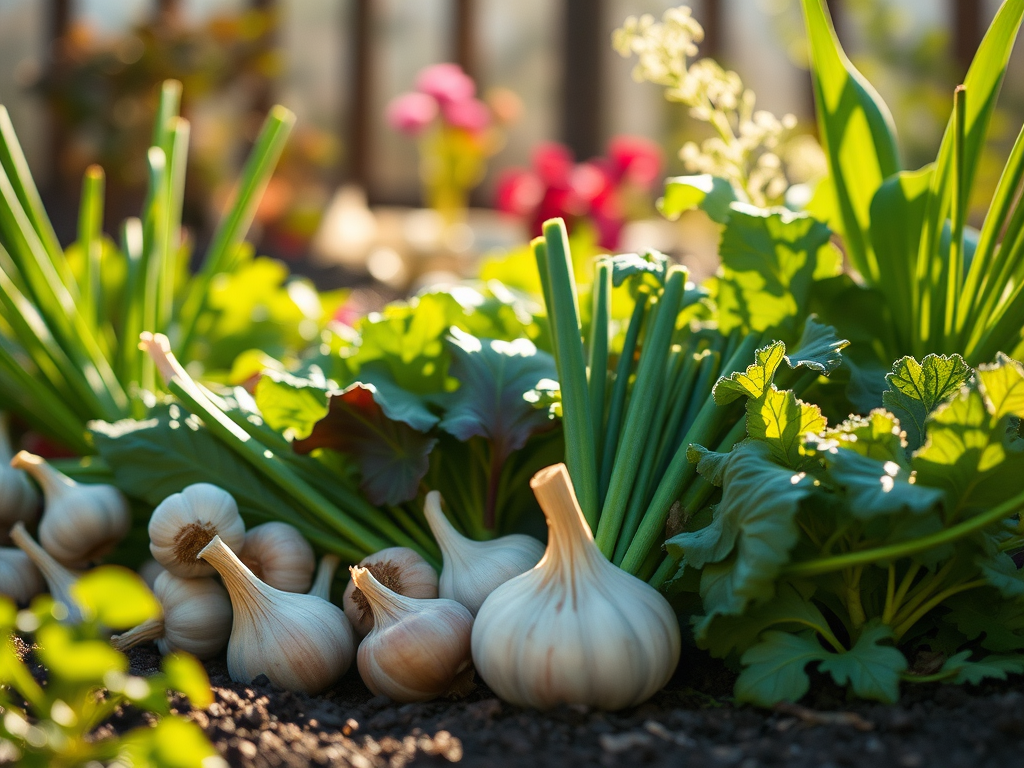
The new year brings fresh opportunities to get a jump-start on the gardening season. Whether you’re in zones 6, 7, or 8, January and February are great months to start planning and planting for a successful year ahead. Here’s a guide to what you can plant outdoors now and what seeds you should start indoors for a head start on spring.
Zone 6 Gardening (Average Last Frost: Mid to Late April)
January:
While outdoor planting is limited, there are a few hardy crops that can be sown:
- Garlic: If you didn’t plant it in the fall, you can still get cloves into the ground if the soil is workable.
- Shallots: Plant in well-drained soil for an early summer harvest.
Indoor Seed Starting (Late January – February):
- Onions and Leeks: Start seeds indoors about 8-10 weeks before the last frost.
- Brassicas: Broccoli, cauliflower, and cabbage can be started indoors now.
- Herbs: Parsley, thyme, and oregano do well when started indoors early.
February:
- Spinach: Sow directly in the garden as soon as the soil is workable.
- Peas: Plant directly outdoors mid to late February for an early harvest.
- Lettuce and Greens: Cold-tolerant varieties can be direct-seeded under row covers.
Zone 7 Gardening (Average Last Frost: Early to Mid-April)
January:
- Garlic and Shallots: If you missed fall planting, January is your last chance.
- Asparagus Crowns: Can be planted now in well-prepared beds.
Indoor Seed Starting (Late January – February):
- Onions and Leeks: Start now for an early summer harvest.
- Tomatoes and Peppers: Start indoors toward the end of February.
- Cool-season Vegetables: Broccoli, cabbage, and kale benefit from an early indoor start.
February:
- Peas: Plant directly outdoors in mid-February.
- Radishes and Carrots: Direct sow in well-drained soil.
- Potatoes: Early varieties can be planted in late February.
Zone 8 Gardening (Average Last Frost: Early to Mid-March)
January:
- Onions and Garlic: If not planted in fall, there’s still time to get them in the ground.
- Shallots: Plant now for a late spring harvest.
- Bare-root Fruit Trees: January is a great time to plant apples, pears, and stone fruits.
Indoor Seed Starting (Late January – February):
- Tomatoes and Peppers: Start indoors by late January for an early jump on the growing season.
- Eggplants: These heat lovers need an early start indoors.
- Herbs: Start basil, chives, and cilantro indoors.
February:
- Leafy Greens: Lettuce, spinach, and mustard greens can be sown directly.
- Carrots and Beets: Direct sow these root vegetables.
- Potatoes: Late February is an ideal planting time.
Indoor Seed Starting Tips for Success
- Use seed trays with good drainage and a high-quality seed-starting mix.
- Provide ample light—use grow lights if natural sunlight is limited.
- Keep soil consistently moist but not waterlogged.
- Harden off seedlings before transplanting them outdoors.
By planning ahead and starting seeds indoors at the right time, you’ll be well on your way to a thriving spring garden. Happy planting!
 The-Dirty-Hoe.com
Woo-hoo! Glad to learn there are a few things I can begin planting right now! Trying to get a head start on my gardens this year!!
LikeLike
Awesome! Let me know how it goes! I will be adding lots of tips throughout the weeks!
LikeLike