
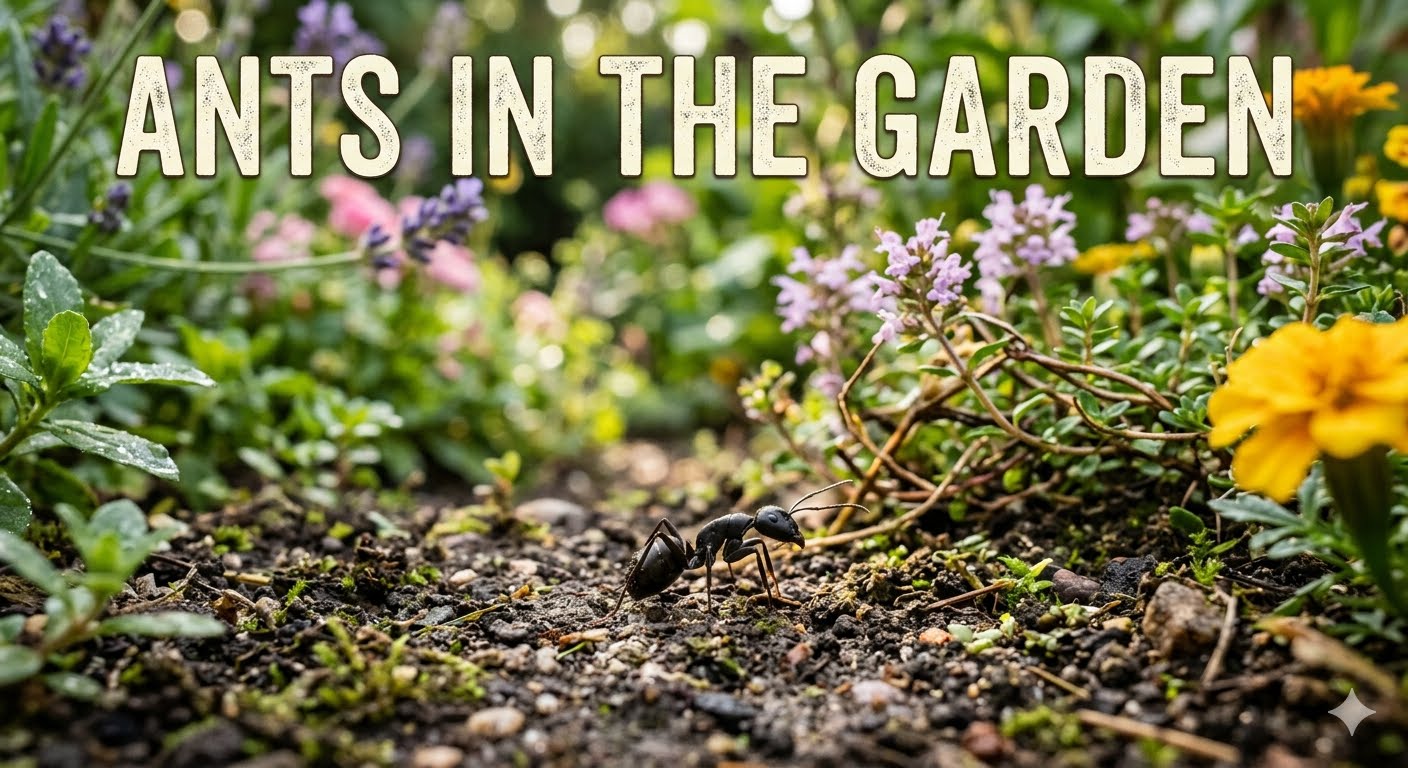
If you’ve ever stepped into your garden and noticed tiny trails of ants marching across the soil, you may have wondered if they are helping or hurting your plants. The truth is — ants can actually be both beneficial and troublesome depending on the situation. These hardworking insects play an important role in nature, but large colonies or certain behaviors can create problems for gardeners.
Let’s dig into the surprising world of ants in the garden and learn how to work with nature while protecting your plants.
Why Ants Can Be Beneficial in the Garden
Not all ants are bad! In fact, many gardeners appreciate ants because they can improve the health of the garden ecosystem in several ways.
1. Ants Help Aerate the Soil
As ants tunnel underground, they loosen compacted soil and create tiny air pockets. This natural digging process allows water, oxygen, and nutrients to move more easily through the soil, helping plant roots grow stronger and healthier.
2. They Clean Up Organic Matter
Ants act like little garden cleaners. They carry away dead insects, fallen leaves, and decaying organic material. This helps break down waste and contributes to a healthier garden environment.
3. Ants Can Help Spread Seeds
Some ants collect seeds and transport them back to their nests. Along the way, a few seeds may get dropped and eventually sprout in new areas of the garden. Certain wildflowers actually rely on ants for seed spreading.
4. They Prey on Harmful Insects
Some species of ants hunt and feed on insect eggs, caterpillars, termites, and other pests that may damage plants. In moderation, ants can help keep parts of the garden balanced naturally.
When Ants Become a Garden Pest
Although ants can provide benefits, they may also create headaches for gardeners when colonies become too large or when ants protect harmful insects.
1. Ants Protect Aphids
One of the biggest problems with ants is their relationship with aphids. Aphids produce a sweet substance called honeydew, which ants love to eat. To protect their food source, ants will actually defend aphids from beneficial insects like ladybugs.
This allows aphid populations to grow quickly and damage garden plants by sucking sap from leaves and stems.
2. Ant Hills Can Damage Roots
Large ant colonies may build tunnels around plant roots, especially in containers or raised beds. Too much tunneling can dry out the soil and weaken young plants.
3. Fire Ants Can Be Dangerous
In warmer climates, fire ants can become a serious issue. Their painful stings can make gardening unpleasant and may even harm pets or wildlife.
4. Ants May Invade Fruits and Flowers
Some ants are attracted to ripe fruits, nectar-rich blooms, or sugary plant secretions. They may crowd flowers, climb vegetable plants, or enter homes from nearby gardens.
How to Deter Ants From Destroying the Garden
If ants are causing problems in your garden, there are several natural and garden-friendly ways to discourage them without harming your plants.
Keep Aphids Under Control
Since ants are often attracted to aphids, managing aphids can greatly reduce ant activity.
Try:
- Spraying plants with water to knock aphids off
- Introducing ladybugs into the garden
- Using neem oil or insecticidal soap
Sprinkle Natural Ant Deterrents
Ants dislike certain strong scents and textures. You can lightly sprinkle around garden beds:
- Cinnamon
- Diatomaceous earth
- Coffee grounds
- Crushed peppermint leaves
These natural options may help disrupt ant trails and discourage nesting.
Avoid Overly Dry Soil
Some ants prefer dry, loose soil for nesting. Regular watering and healthy mulch layers can make garden beds less attractive to large colonies.
Use Mulch Carefully
While mulch benefits plants, thick dry mulch can sometimes hide ant nests. Occasionally fluff or check mulch areas to monitor activity.
Plant Ant-Repelling Herbs
Some herbs may help discourage ants naturally, including:
- Mint
- Lavender
- Rosemary
- Tansy
As a bonus, these herbs also attract pollinators and add beauty to the garden.
Final Thoughts
Ants are a fascinating part of the garden ecosystem. In small numbers, they often help improve soil health and assist with natural cleanup. However, when ants begin protecting aphids or building large colonies around plants, they can quickly become a nuisance.
The key is balance. By observing your garden closely and using natural deterrents when needed, you can protect your plants while still supporting a healthy outdoor environment.
Next time you spot ants marching through the garden, take a closer look — they may be tiny, but they have a big impact on the world beneath our feet.

