A simple guide to Canada’s Plant Hardiness Map, fall planting, and a few hardy herbs to try
Gardening in Canada can be wonderfully rewarding—but if you’ve ever wondered “Will this plant actually survive my winter?”, you’re not alone!
Canada stretches across an enormous range of climates, from mild coastal gardens to areas where winter temperatures can become extremely cold. That’s where the Canadian Plant Hardiness Zone Map becomes one of a gardener’s best tools.
🍁 First, Find Your Canadian Plant Hardiness Zone
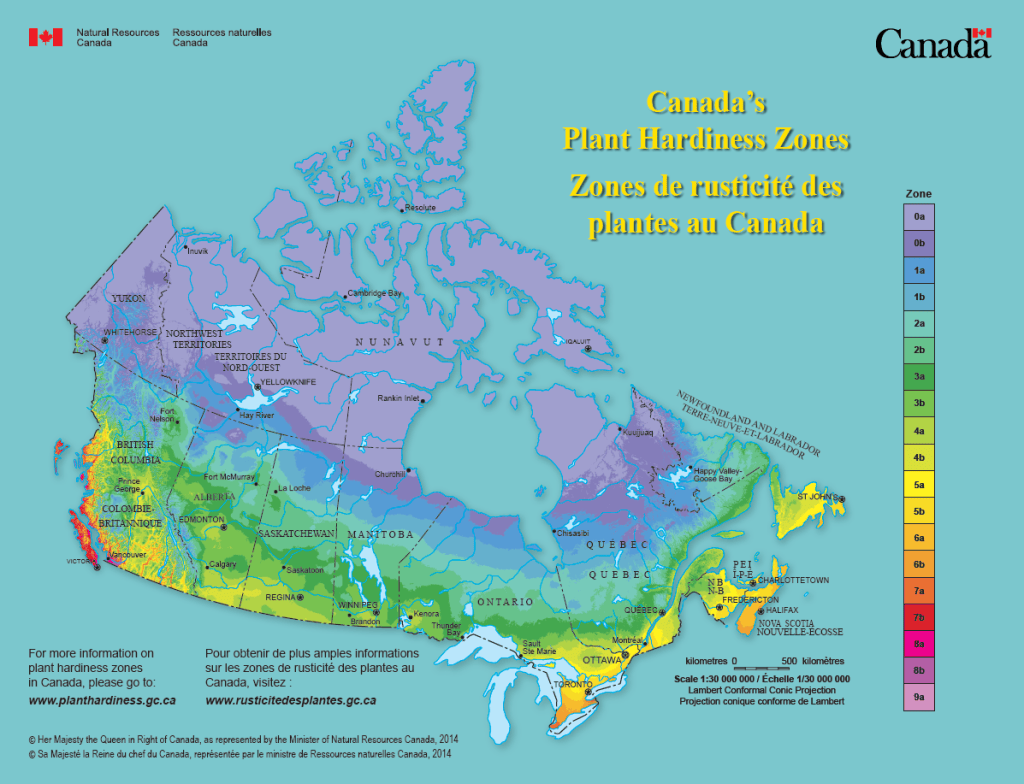
Canada’s Plant Hardiness Map helps gardeners understand which plants are more likely to survive the climate in their area.
The newest Canadian map was updated in 2025 by Natural Resources Canada. It uses several climate factors—including winter temperatures, frost-free periods, rainfall, snow depth and wind—to create a picture of growing conditions across the country.
👉 Explore Canada’s Plant Hardiness Map
Your zone isn’t a guarantee that a plant will thrive, but it’s an excellent starting point when choosing perennials, herbs and other plants for your garden.
🌱 A quick look at the zones
Canada’s map includes zones from 0 through 9, with sub-zones such as 3a, 3b, 4a and 4b.
Generally:
Zones 0–2:
Very cold growing conditions. Gardeners often rely heavily on cold-hardy perennials, protected growing spaces and short-season crops.
Zones 3–4:
Cold winters and relatively short growing seasons. Hardy herbs and cool-season vegetables can be wonderful choices.
Zones 5–6:
A little more flexibility! Many herbs, vegetables, shrubs and perennials can grow successfully with the right conditions.
Zones 7–9:
Longer growing seasons and milder winters allow gardeners to experiment with a wider selection of plants.
Remember that your garden can have its own little microclimate. A sunny wall, sheltered patio or protected raised bed can sometimes give a plant better conditions than the surrounding landscape.
🍂 Fall Gardening in Canada
Don’t put the gardening tools away just because summer is ending!
Fall can be one of the most enjoyable times to garden. Cooler temperatures make outdoor work more comfortable, and many cool-season plants actually prefer autumn weather.
Here are a few plants worth considering.
🥬 Kale
Kale is one of the stars of the fall garden.
It handles cool weather well and can continue producing leaves after many summer vegetables have finished. In colder areas, grow it early enough that plants have time to establish before severe winter weather arrives.
Garden tip: Harvest the outside leaves first and allow the centre of the plant to continue growing.
🥕 Carrots
Carrots love cool growing conditions and can be a great choice for a fall harvest where the growing season allows enough time for the roots to mature.
Loose, stone-free soil will help your carrots develop straight roots.
🌸 Pansies
Want some fall colour?
Pansies are a wonderful choice for containers and garden beds. Their cheerful flowers can brighten up a garden after summer annuals begin to fade.
In milder Canadian areas, pansies may provide colour well into the cooler months.
🌿 A Few Herbs for Canadian Gardens
Herbs are a great way to add a useful little garden to even a small space.
🌿 Chives
Chives are one of the easiest herbs to enjoy year after year.
They form clumps of grassy leaves and produce pretty purple flowers. Once established, they’re a lovely addition to an herb garden, vegetable bed or container.
Try adding chopped chives to potatoes, soups, eggs and salads.
🌿 Thyme
Thyme is a small but mighty herb for the garden.
It’s especially useful in sunny, well-drained areas and can be wonderfully fragrant when brushed against while working in the garden.
Because winter survival varies by variety and location, check your local hardiness zone before treating thyme as a permanent perennial.
🌿 Cilantro
Cilantro is another excellent cool-season herb.
It can be grown during the cooler portions of the growing season and is especially useful for gardeners who want fresh herbs for autumn cooking.
One interesting point: Natural Resources Canada’s plant database lists cilantro across a broad Canadian zone range, but its performance as a garden crop still depends heavily on frost, season length and local growing conditions.
Tip: Sow cilantro successively rather than planting everything at once. That can help keep fresh leaves coming instead of having the whole crop mature at the same time.
🍁 Your Zone Is a Starting Point—Not a Rulebook
One of my favourite things about gardening is that there is always a little experimenting involved.
Your hardiness zone tells you a lot about what plants may survive, but sunlight, soil, moisture, wind, drainage and microclimate matter too.
So before buying that beautiful plant you’ve been eyeing, check:
🌱 Your Canadian hardiness zone
☀️ How much sunlight your garden receives
💧 Whether the soil drains well
❄️ Your area’s winter conditions
🌬️ Exposure to wind
📅 Your local frost dates and growing season
Then choose plants accordingly.
🌿 Happy Fall Gardening, Canada!
Fall doesn’t mean the end of the gardening season—it can be the beginning of another beautiful chapter.