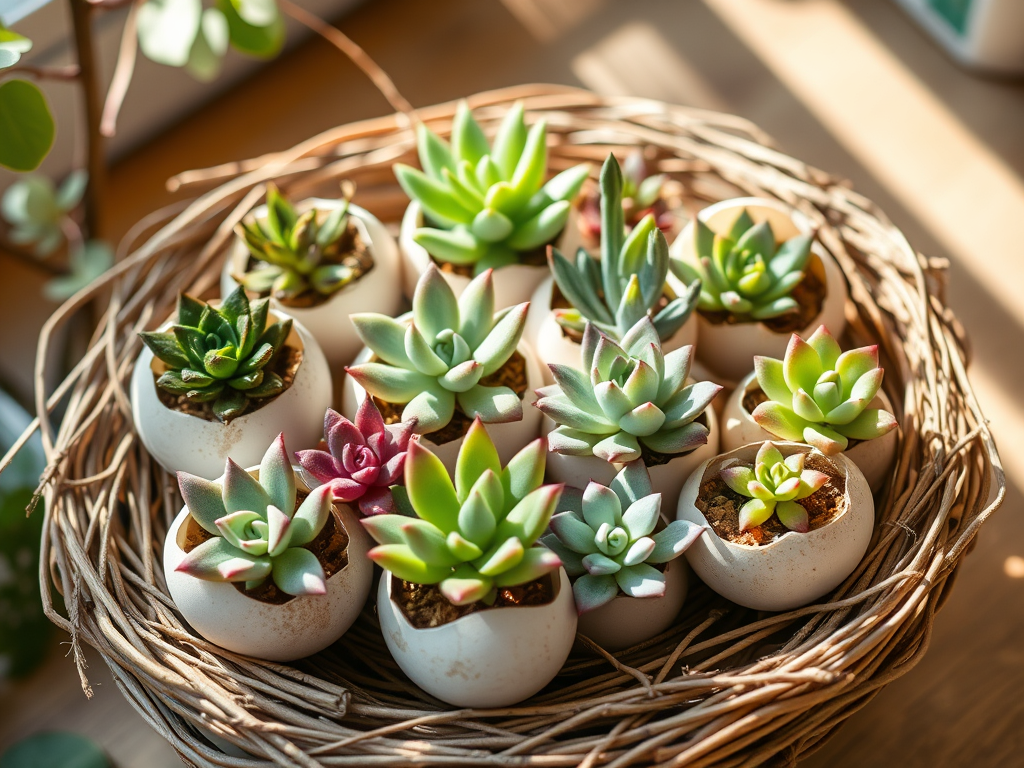
Starting Seeds Indoors in February: What to Plant & How to Do It

February is the perfect time to start seeds indoors, especially if you’re in gardening zones 6-10 and want to get a head start on your spring garden. Starting seeds indoors allows plants to establish strong roots before being transplanted outdoors when the weather warms up.

Vegetables to Start Indoors in February

Tomatoes – Start these 6-8 weeks before the last frost. They need warm soil (70-80°F) and bright light.
Peppers (Bell, Jalapeño, Cayenne, etc.) – Peppers take a long time to grow, so starting early helps. Keep soil warm (75-85°F) for best germination.
Eggplant – Needs 8-10 weeks indoors before transplanting. Prefers warm temperatures.
Lettuce & Leafy Greens (Spinach, Swiss Chard, Kale) – These germinate quickly and can be transplanted outdoors as soon as soil is workable.
Broccoli, Cauliflower, Cabbage, Brussels Sprouts – Cold-hardy crops that should be started 6-8 weeks before transplanting.
Onions (from seeds) – Start early to give them time to grow before transplanting in early spring.
Herbs (Basil, Parsley, Thyme, Oregano, Chives, Dill) – Many herbs grow slowly and benefit from an early start indoors.

Flowers to Start Indoors in February

🌸 Marigolds – Great for companion planting and pest control.
🌸 Zinnias – Need warmth but will reward you with vibrant blooms.
🌸 Snapdragons – Cool-season flowers that take longer to establish.
🌸 Echinacea (Coneflower) – Perennial that benefits from an early start.
🌸 Lupine & Delphinium – Perennials that need stratification (cold treatment) before sprouting.


How to Start Seeds Indoors

🌱 1. Choose the Right Containers

  • Use seed trays, peat pots, or any shallow containers with drainage holes.

🌱 2. Use High-Quality Seed-Starting Mix

  • Regular garden soil is too heavy—use a light, well-draining mix.

🌱 3. Plant Seeds at the Right Depth

  • Check the seed packet for the recommended depth. Most small seeds just need a light covering of soil.

🌱 4. Keep Soil Moist but Not Soggy

  • Mist with water daily or use a humidity dome to retain moisture.

🌱 5. Provide Warmth for Germination

  • Most seeds germinate best at 65-75°F. Use a seedling heat mat for warmth-loving plants like tomatoes and peppers.

🌱 6. Provide 12-16 Hours of Light

  • Place under grow lights or near a sunny window. Without enough light, seedlings get leggy.

🌱 7. Thin Out Seedlings

  • Once they sprout, snip weaker seedlings at the base to allow the strongest to thrive.

🌱 8. Harden Off Before Transplanting

  • About 1-2 weeks before moving outdoors, gradually introduce seedlings to outdoor conditions by placing them outside for a few hours each day.

February is an exciting time to kick off the growing season! 🌱✨ What are you planning to start indoors this month?

🌿 Grow Your Own Basil – The Easy Way!

asil is one of the easiest herbs to grow, whether from seed or by propagation. Here’s how you can start your own fresh basil at home!

Propagating Basil in Water:
1️⃣ Snip a 4-6 inch stem from a healthy basil plant, cutting just below a node.
2️⃣ Remove the lower leaves, leaving only a few at the top.
3️⃣ Place the cutting in a glass of water and set it in a bright spot (avoid direct scorching sun).
4️⃣ Change the water every 2-3 days. In about a week, roots should appear!
5️⃣ Once roots are at least 2 inches long, transfer to soil and watch it thrive.

Growing Basil from Seed:
🌱 Start seeds indoors 4-6 weeks before your last frost date or directly outdoors in warm weather.
🌱 Plant seeds ¼ inch deep in well-draining soil and keep them moist.
🌱 Place in a warm, sunny location (basil loves 6-8 hours of light daily).
🌱 Sprouts appear in 5-10 days—thin seedlings to allow space to grow!

💚 Bonus! Get FREE basil seeds with any purchase at my shop! 🌿 Grab your gardening essentials and start growing today! http://www.printhousedesign.com

How to Grow an Avocado Tree from a Seed

Avocados are delicious, nutritious, and surprisingly easy to grow from seed. Whether you want to add a touch of greenery to your home or dream of one day harvesting your own avocados, starting an avocado plant from seed is a rewarding project. Follow these step-by-step instructions to propagate an avocado seed into a thriving plant and, eventually, a tree.

Materials Needed:

  • One ripe avocado
  • A knife
  • A glass or jar
  • Toothpicks
  • Water
  • A pot with well-draining soil

Step 1: Prepare the Seed

  1. Remove the seed from the avocado, being careful not to damage it.
  2. Rinse the seed thoroughly to remove any remaining fruit.
  3. Identify the top (pointed end) and bottom (flat end) of the seed. The bottom will produce roots, while the top will sprout.

Step 2: Start Water Propagation

  1. Insert three to four toothpicks evenly around the middle of the seed.
  2. Suspend the seed, pointed side up, in a glass of water so that the bottom half is submerged.
  3. Place the glass in a warm, sunny spot, such as a windowsill.
  4. Change the water every few days to prevent mold and bacteria buildup.

Step 3: Root and Shoot Growth

  • After 2-6 weeks, roots will begin to emerge from the bottom, followed by a sprout from the top.
  • Once the roots are 2-3 inches long and a sprout with leaves has developed, the seed is ready for planting.

Step 4: Planting the Avocado Seed

  1. Fill a pot with well-draining soil, ideally a mix of potting soil and sand.
  2. Plant the seed with the top half above the soil line.
  3. Water the soil thoroughly and place the pot in a warm, sunny location.
  4. Keep the soil consistently moist but not waterlogged.

Step 5: Caring for Your Avocado Plant

  • Ensure the plant gets plenty of indirect sunlight.
  • Water when the top inch of soil feels dry.
  • Fertilize every 4-6 weeks during the growing season with a balanced fertilizer.
  • Prune the plant to encourage bushier growth.

Step 6: Transitioning to an Outdoor Tree

  • Once the plant is about 12 inches tall, it can be moved outdoors if you live in a warm climate (USDA zones 9-11).
  • Gradually acclimate the plant to outdoor conditions by placing it outside for a few hours each day.
  • Plant it in a sunny, well-draining spot in the ground.

How Long Until It Produces Fruit? Growing an avocado tree from seed requires patience. It can take anywhere from 5 to 13 years for a seed-grown avocado tree to produce fruit. Even then, the fruit quality may vary compared to commercially grown trees, which are often grafted.

Final Thoughts Propagating an avocado seed is a fun and educational experience that brings a touch of nature into your home. While it takes time for the tree to mature and produce fruit, caring for an avocado plant is a rewarding journey that teaches patience and gardening skills. Happy planting!

How Houseplants Can Improve Your Well-Being

In our fast-paced world, finding ways to boost our mental and physical well-being is essential. One of the simplest and most rewarding ways to do this is by incorporating houseplants into your living space. Owning and caring for houseplants not only adds beauty to your home but also offers a range of mental and physical health benefits.

The Benefits of Houseplants for Well-Being

  1. Stress Reduction: Studies have shown that being around greenery can help lower stress levels and promote relaxation. The act of caring for plants provides a mindful break from our busy lives and encourages a sense of calm.
  2. Improved Air Quality: Certain houseplants are known for their ability to purify the air by absorbing toxins and releasing oxygen. This can lead to better respiratory health and overall well-being.
  3. Boosted Mood and Productivity: Having plants in your home or workspace can enhance your mood, increase focus, and even boost creativity. The presence of greenery fosters a sense of connection with nature, which is especially beneficial for those spending long hours indoors.

3 Easy-to-Care-For Houseplants

If you’re new to plant care or simply looking for low-maintenance options, these three houseplants are perfect choices:

  1. Snake Plant (Sansevieria):
    • Requires minimal watering (every 2-3 weeks)
    • Thrives in low light conditions
    • Improves air quality by filtering toxins
  2. Pothos (Epipremnum aureum):
    • Adaptable to various lighting conditions
    • Only needs watering when the soil is dry
    • Beautiful trailing vines add a touch of nature to any space
  3. ZZ Plant (Zamioculcas zamiifolia):
    • Extremely drought-tolerant
    • Can survive in low-light environments
    • Adds a lush, modern look to your decor

Start a Mini Garden This Spring for Better Well-Being

Spring is the perfect time to embark on a mini gardening journey, whether it’s a few potted herbs on your kitchen windowsill or a small balcony garden. Gardening offers numerous mental health benefits, including:

  • Sense of Accomplishment: Watching your plants grow and thrive brings a sense of achievement and fulfillment.
  • Increased Mindfulness: Gardening encourages you to be present in the moment, focusing on nurturing your plants.
  • Connection with Nature: Spending time with plants fosters a deeper connection with the natural world, which can be incredibly grounding and soothing.

Starting small with a few easy-care plants or herbs can introduce you to the joys of gardening without feeling overwhelming. Whether indoors or outdoors, nurturing plants is a beautiful way to care for yourself while adding life to your surroundings.

So why not bring a little greenery into your life and experience the well-being benefits firsthand?

What to Start Planting in January and February (Gardening Zones 6, 7, 8)

The new year brings fresh opportunities to get a jump-start on the gardening season. Whether you’re in zones 6, 7, or 8, January and February are great months to start planning and planting for a successful year ahead. Here’s a guide to what you can plant outdoors now and what seeds you should start indoors for a head start on spring.


Zone 6 Gardening (Average Last Frost: Mid to Late April)

January:
While outdoor planting is limited, there are a few hardy crops that can be sown:

  • Garlic: If you didn’t plant it in the fall, you can still get cloves into the ground if the soil is workable.
  • Shallots: Plant in well-drained soil for an early summer harvest.

Indoor Seed Starting (Late January – February):

  • Onions and Leeks: Start seeds indoors about 8-10 weeks before the last frost.
  • Brassicas: Broccoli, cauliflower, and cabbage can be started indoors now.
  • Herbs: Parsley, thyme, and oregano do well when started indoors early.

February:

  • Spinach: Sow directly in the garden as soon as the soil is workable.
  • Peas: Plant directly outdoors mid to late February for an early harvest.
  • Lettuce and Greens: Cold-tolerant varieties can be direct-seeded under row covers.

Zone 7 Gardening (Average Last Frost: Early to Mid-April)

January:

  • Garlic and Shallots: If you missed fall planting, January is your last chance.
  • Asparagus Crowns: Can be planted now in well-prepared beds.

Indoor Seed Starting (Late January – February):

  • Onions and Leeks: Start now for an early summer harvest.
  • Tomatoes and Peppers: Start indoors toward the end of February.
  • Cool-season Vegetables: Broccoli, cabbage, and kale benefit from an early indoor start.

February:

  • Peas: Plant directly outdoors in mid-February.
  • Radishes and Carrots: Direct sow in well-drained soil.
  • Potatoes: Early varieties can be planted in late February.

Zone 8 Gardening (Average Last Frost: Early to Mid-March)

January:

  • Onions and Garlic: If not planted in fall, there’s still time to get them in the ground.
  • Shallots: Plant now for a late spring harvest.
  • Bare-root Fruit Trees: January is a great time to plant apples, pears, and stone fruits.

Indoor Seed Starting (Late January – February):

  • Tomatoes and Peppers: Start indoors by late January for an early jump on the growing season.
  • Eggplants: These heat lovers need an early start indoors.
  • Herbs: Start basil, chives, and cilantro indoors.

February:

  • Leafy Greens: Lettuce, spinach, and mustard greens can be sown directly.
  • Carrots and Beets: Direct sow these root vegetables.
  • Potatoes: Late February is an ideal planting time.

Indoor Seed Starting Tips for Success

  • Use seed trays with good drainage and a high-quality seed-starting mix.
  • Provide ample light—use grow lights if natural sunlight is limited.
  • Keep soil consistently moist but not waterlogged.
  • Harden off seedlings before transplanting them outdoors.

By planning ahead and starting seeds indoors at the right time, you’ll be well on your way to a thriving spring garden. Happy planting!

Home is Where the Boat Is

Potting, Puttering & Pontooning

Cats and Trails and Garden Tales

Musings on cats, travel, gardens and life

Leaf And Twig

Where observation and imagination meet nature in poetry.

phillipsplace

A new beginning, mobile home living, adding our style inside and out.

Ruth E. Hendricks

Daily Journal of Life in Pittsburgh

The Haute Mommy Handbook

Motherhood Misadventures + Creative Living

Suzanne's Mom's Blog

Arts, Nature, Good Works, Luna & Stella Lockets & Birthstones

𝑻𝒐𝒓𝒏𝒂𝒅𝒐 𝑶𝒇 𝑪𝒉𝒂𝒐𝒔 🌪

Thoughts, experiences and learnings in a turbulent time

Sarah Rajkotwala - Author & Spiritual Teacher blog

Gardening Fairies Flowers Spirituality Angels Love Joy

Ideas and Advice for How To Live a Joyful and Empowered Life.

All Things Empowering - Healing Ourselves & Earth, Self-Sufficiency, Food Forests, Gardening, Art, Road Trips, Preserving, Foraging, Permaculture, Homesteading and More!

AmericaOnCoffee

We’re just inviting you to take a timeout into the rhythmic ambiance of our breakfast, brunch and/or coffee selections. We are happy whenever you stop by.

Heart to Hearth Cookery

Sharing my Experimental Archaeology of Food

The Herb Society of America Blog

Learn • Explore • Grow