5 Essential Tips for Taking Care of Your Hoya Plant

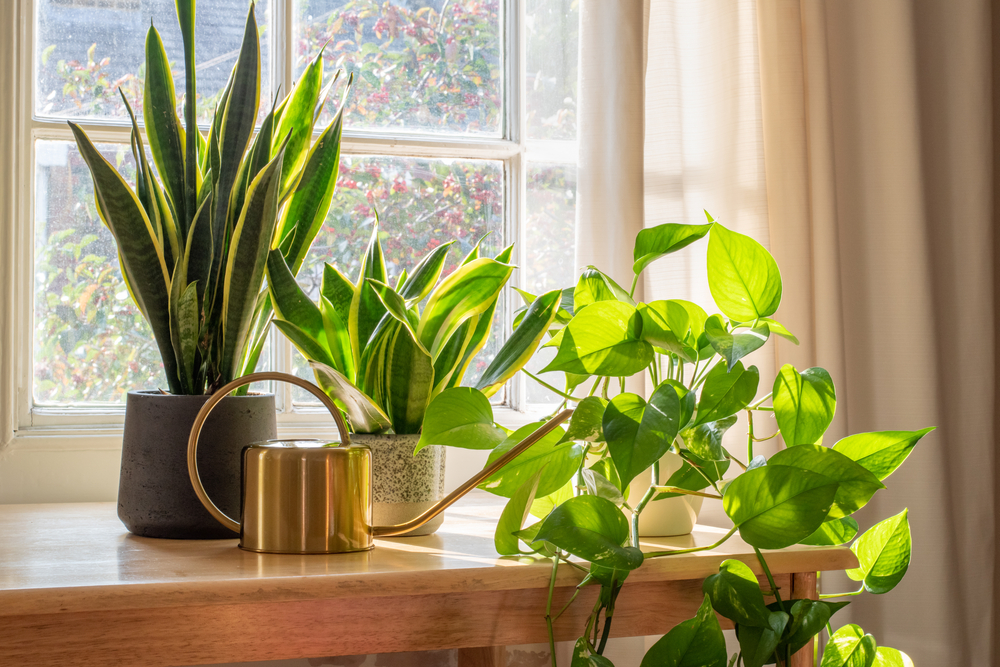
Hoyas, also known as wax plants, are beloved for their waxy leaves, trailing vines, and clusters of sweet-smelling flowers. With the right care, these plants can thrive and add a touch of greenery to any home. If you’re new to Hoya care or just looking for some extra tips, here are five key things to keep in mind.

1. Provide Bright, Indirect Light

Hoyas love light, but direct sunlight can burn their delicate leaves. Place your Hoya near a window with filtered light, such as behind sheer curtains, or in a spot where it can get bright, indirect light for most of the day. East or west-facing windows are usually ideal.

2. Water Sparingly

One of the most common mistakes people make with Hoyas is overwatering. These plants prefer to dry out between waterings. Water your Hoya thoroughly, then wait until the top two inches of the soil are dry before watering again. Be sure to use a well-draining potting mix to avoid waterlogged roots.

3. Maintain Humidity

Hoyas naturally grow in tropical regions, so they appreciate higher humidity levels. While they can adapt to average indoor humidity, boosting the moisture in the air with a humidifier or misting the plant occasionally can help them thrive. Keep the environment around 40-60% humidity, especially during dry seasons.

4. Use the Right Soil

Hoyas need a well-draining potting mix to prevent root rot. A mix designed for cacti and succulents works well, or you can make your own by combining regular potting soil with perlite and orchid bark. This blend ensures the roots stay aerated while still retaining the right amount of moisture.

5. Encourage Flowering with a Fertilizer Boost

While Hoyas are known for their beautiful leaves, they can produce stunning clusters of flowers when given the right care. To encourage blooms, use a balanced liquid fertilizer once a month during the growing season (spring and summer). Reduce feeding during the colder months when the plant naturally slows its growth.


By following these simple tips, your Hoya will not only thrive but could even reward you with gorgeous flowers! Have any more Hoya care questions? Feel free to ask!

Why Watering with Coffee Doesn’t Work—Try Nutrient-Rich Compost Tea Instead!

One popular plant hack that often doesn’t work as well as advertised is watering plants with leftover coffee. While coffee is acidic and could theoretically benefit acid-loving plants like azaleas or ferns, the reality is that the caffeine in coffee can be harmful to many plants. Additionally, the acidity of brewed coffee is often too high, which can alter the soil’s pH and damage the plant’s roots.

A better approach would be to compost coffee grounds, which can provide a slow-release of nutrients when mixed with soil.

Instead, a great way to water plants and provide them with nutrients is by using compost tea. This is a nutrient-rich solution made by steeping compost in water. Here’s why it works well:

  1. Nutrient Boost: Compost tea contains essential nutrients like nitrogen, phosphorus, and potassium that promote plant growth.
  2. Beneficial Microbes: It introduces beneficial microorganisms to the soil, which improve plant health and resilience.
  3. Easy Absorption: The nutrients in compost tea are in liquid form, so they can be quickly absorbed by the plant’s roots and leaves when used as a foliar spray.

To make compost tea:

  • Fill a bucket with water and submerge a small amount of compost in a mesh bag or old sock.
  • Let it steep for 24-48 hours, stirring occasionally.
  • Strain and dilute the mixture (1:10 ratio with water) before applying it to your plants.

Another great option is fish emulsion, a liquid fertilizer derived from fish waste that is high in nitrogen and other nutrients. It’s effective for promoting leafy growth in plants.

Get Ahead With These 5 Emerging Trends in Fall décor

5 Emerging Fall Flower Trends to Use to Decorate the Home This Season

Fall is the season of warm colors, cozy vibes, and nature’s last burst of beauty before winter sets in. This year, flower trends for fall decor are bringing a fresh and exciting approach to creating warm and welcoming spaces. Whether you’re decorating your dining table, entryway, or adding seasonal touches to your home, these trends are sure to inspire your autumnal aesthetic.

1. Moody and Muted Hues

Gone are the days when fall meant only bright orange pumpkins and vivid yellows. This season is all about muted, earthy tones—think dusty rose, mauve, soft burgundy, and faded peach. Flowers like dahlias, ranunculus, and roses in these colors are perfect for creating understated yet elegant arrangements. These muted hues pair beautifully with natural wood and brass elements, making them ideal for adding subtle fall charm to your home decor.

Decor Tip: Place these blooms in antique-style vases or copper containers to amplify the vintage, moody atmosphere.

2. Dried Flowers and Grasses

Dried flowers are making a huge comeback, and fall is the perfect time to incorporate them into your home. Pampas grass, dried hydrangeas, bunny tails, and wheat are all popular choices for adding texture and depth to your decor. The neutral tones and natural feel of these dried elements bring a rustic, cozy vibe that works well with fall’s warm color palette.

Decor Tip: Dried flowers look stunning in tall floor vases or woven baskets. For a modern twist, combine them with fresh blooms for a unique contrast.

3. Ornamental Kale and Cabbage

Yes, you read that right—ornamental kale and cabbage are trending for fall flower arrangements! Their large, sculptural leaves in shades of green, purple, and even white make them a bold statement piece. They’re perfect for adding a natural and unexpected touch to your floral displays. These hearty plants work well in both indoor and outdoor decor, giving a garden-to-table aesthetic.

Decor Tip: Use ornamental kale and cabbage as centerpieces for outdoor dining setups or pair them with other autumn flowers like chrysanthemums and sunflowers for a unique arrangement.

4. Bold Jewel Tones

While muted tones are popular, bold jewel tones are equally emerging this fall. Flowers in rich colors like deep emerald, sapphire blue, amethyst purple, and ruby red are making a splash. Think of using flowers like amaranth, dahlias, and zinnias to bring out these vibrant tones. Jewel tones exude luxury and warmth, making them perfect for creating a dramatic yet inviting atmosphere in your home.

Decor Tip: Combine jewel-tone flowers with velvet fabrics and gold accents for a glamorous fall look.

5. Mini Pumpkins and Gourds in Floral Arrangements

Pumpkins and gourds are a staple of fall decor, but this season they’re being integrated directly into floral arrangements. Mini pumpkins, especially in non-traditional colors like white, pale green, and even blue, can be used as vases or decorative elements in a bouquet. The combination of soft florals and sturdy pumpkins creates a beautiful contrast of textures.

Decor Tip: Hollow out a mini pumpkin and use it as a vase for a small arrangement, or scatter them among flowers in a table centerpiece.


This fall, flower trends are all about combining natural elements with new and exciting ideas. Whether you’re drawn to the moody tones, bold colors, or unexpected additions like ornamental kale, these trends will help you create a warm, stylish, and welcoming home for the season.

Happy decorating! & check out velvet pumpkins at the Shop! http://www.printhousedesign.com

This Little-Known Hack Will Boost Your cut flowers

How to Make Your Cut Flowers Last Longer

There’s nothing like bringing the beauty of fresh-cut flowers into your home! Whether they’re from your garden or a thoughtful gift, keeping them vibrant and fresh can be a challenge. However, with a simple plant hack, you can boost the longevity of your cut flowers and enjoy them for days—even weeks—longer!

Here’s a tried-and-true method to extend the life of your flowers using just a few household ingredients.

The Secret Hack: Sugar and Vinegar Solution

This DIY floral preservative mimics what flowers get from their roots in nature. The sugar nourishes the flowers, while vinegar creates an acidic environment that helps prevent bacteria from growing in the water, which is one of the main causes of wilting.

What You’ll Need:

  • 1 quart (about 1 liter) of lukewarm water
  • 2 tablespoons of white vinegar (or apple cider vinegar)
  • 1 tablespoon of sugar

Instructions:

  1. Start by trimming the stems of your flowers at a 45-degree angle. This helps them absorb water more efficiently.
  2. Mix the vinegar and sugar in the quart of lukewarm water until dissolved.
  3. Pour the mixture into a clean vase.
  4. Place your freshly cut flowers in the vase and arrange as desired.

Bonus Tips:

  • Change the water every two to three days and repeat the sugar and vinegar solution to keep bacteria at bay.
  • Remove any leaves that would be submerged in the water. This prevents decay and bacteria from spreading to the flowers.
  • Keep flowers in a cool spot away from direct sunlight and heat sources, as these can cause them to wilt faster.

Why This Works:

Sugar acts as a food source, providing the nutrients flowers need to stay healthy, while vinegar lowers the pH of the water, inhibiting bacterial growth. Together, they create a perfect environment for cut flowers to thrive, keeping them looking fresh for much longer.

With this simple hack, you can savor the beauty of your flowers for days beyond what you might have thought possible. Give it a try the next time you bring home a bouquet!

Are You Making These 5 -Related Mistakes?

Top 5 Mistakes in Taking Care of Succulents (And How to Fix Them)

Succulents are often regarded as some of the easiest plants to care for. However, even the hardiest plants can suffer if they aren’t given the right conditions. If your succulents aren’t thriving, don’t worry—you may just be making some common mistakes. Let’s dive into the top five mistakes gardeners make with succulents and how to fix them to ensure your plants stay vibrant and healthy.

1. Overwatering

The Mistake: Succulents are drought-tolerant plants that store water in their thick leaves and stems. Overwatering is the most common cause of death for succulents. It leads to root rot, which can kill the plant quickly.

The Fix: Succulents only need to be watered when the soil is completely dry. This can mean watering every 1-2 weeks, depending on your environment. Make sure your pot has drainage holes so excess water can escape. When you do water, soak the soil thoroughly, but let it dry out between waterings.

2. Not Enough Sunlight

The Mistake: Succulents need a lot of sunlight to thrive. Keeping them in low-light areas can cause them to stretch out in search of light, leading to a leggy, weak appearance.

The Fix: Place your succulents in a bright, sunny spot where they get at least 4-6 hours of indirect sunlight a day. If you notice your plant leaning toward the light, rotate the pot every few days to ensure even exposure. If natural light is limited, consider using a grow light to supplement.

3. Using the Wrong Soil

The Mistake: Planting succulents in regular potting soil can trap moisture, leading to root rot and poor drainage.

The Fix: Succulents need well-draining soil to prevent root issues. Use a cactus or succulent-specific soil mix, or create your own by adding sand or perlite to regular potting soil. The key is a fast-draining mix that mimics the natural arid environments succulents are accustomed to.

4. Planting in Pots Without Drainage

The Mistake: While decorative pots without drainage holes may look appealing, they can be a death sentence for succulents. Without proper drainage, excess water collects at the bottom, causing root rot.

The Fix: Always use pots with drainage holes. If you absolutely must use a pot without holes, try to water very sparingly and consider using a layer of pebbles at the bottom of the pot to promote airflow and drainage. However, pots with drainage are always a safer bet.

5. Neglecting Temperature Needs

The Mistake: Succulents are sensitive to extreme temperatures. While they love warmth, extreme cold can kill them, and too much direct heat can cause sunburn.

The Fix: Keep succulents in a moderate temperature range, ideally between 60°F and 80°F (16°C to 27°C). If you live in a cooler climate, bring outdoor succulents inside before temperatures drop below freezing. Likewise, avoid placing them directly in harsh midday sun, which can scorch their leaves.

Bonus Tips for Thriving Succulents:

  • Fertilize Sparingly: Succulents don’t need much fertilizer, but feeding them with a diluted, low-nitrogen fertilizer once in the growing season (spring and summer) can promote healthy growth.
  • Watch for Pests: While pests are rare, mealybugs and other insects can infest succulents. Keep an eye on your plants and treat with insecticidal soap if necessary.

By avoiding these common mistakes and following proper succulent care, your plants will thrive and remain beautiful for years to come! Need a new planter for your succulents? Check out Printhousedesign1 on Etsy for one of a kind 3d printed planters! http://www.printhousedesign.com

Home is Where the Boat Is

Potting, Puttering & Pontooning

Cats and Trails and Garden Tales

Musings on cats, travel, gardens and life

Leaf And Twig

Where observation and imagination meet nature in poetry.

phillipsplace

A new beginning, mobile home living, adding our style inside and out.

Ruth E. Hendricks

Daily Journal of Life in Pittsburgh

The Haute Mommy Handbook

Motherhood Misadventures + Creative Living

Suzanne's Mom's Blog

Arts, Nature, Good Works, Luna & Stella Lockets & Birthstones

𝑻𝒐𝒓𝒏𝒂𝒅𝒐 𝑶𝒇 𝑪𝒉𝒂𝒐𝒔 🌪

Thoughts, experiences and learnings in a turbulent time

Sarah Rajkotwala - Author & Spiritual Teacher blog

Gardening Fairies Flowers Spirituality Angels Love Joy

Ideas and Advice for How To Live a Joyful and Empowered Life.

All Things Empowering - Healing Ourselves & Earth, Self-Sufficiency, Food Forests, Gardening, Art, Road Trips, Preserving, Foraging, Permaculture, Homesteading and More!

AmericaOnCoffee

We’re just inviting you to take a timeout into the rhythmic ambiance of our breakfast, brunch and/or coffee selections. We are happy whenever you stop by.

Heart to Hearth Cookery

Sharing my Experimental Archaeology of Food

The Herb Society of America Blog

Learn • Explore • Grow