Best Fall Veggies to Plant by Growing Zones 6, 7, and 8

As the summer heat begins to wane and the days start to shorten, many gardeners look forward to the cooler temperatures of fall. Fall gardening can be incredibly rewarding, offering a variety of crops that thrive in the cooler weather. Depending on your USDA Plant Hardiness Zone, the best vegetables to plant in the fall can vary. Here, we will explore the top fall vegetables for Zones 6, 7, and 8, along with some states that fall into each zone.

Zone 6

Zone 6 typically experiences a longer growing season than the northern zones but still has to contend with the first frosts arriving in October. This zone includes parts of the following states:

  • MissouriKansasOhio
  • Top Fall Vegetables for Zone 6:
  • Kale: This hardy green thrives in cooler temperatures and can even withstand a light frost, which can make its leaves taste sweeter.Brussels Sprouts: Another frost-tolerant vegetable, Brussels sprouts actually improve in flavor after a frost. Plant them in mid to late summer for a fall harvest.Carrots: Carrots can be planted in late summer for a fall harvest. They benefit from the cooler temperatures, which enhance their sweetness.
  • Zone 7

Zone 7 enjoys a milder climate with a longer growing season, allowing for a wide variety of fall vegetables. States in Zone 7 include:

  • VirginiaTennesseeNorth Carolina
  • Top Fall Vegetables for Zone 7:
  • Spinach: Spinach is an excellent choice for fall planting in Zone 7. It grows quickly and can be harvested well into the cooler months.Broccoli: Broccoli prefers cooler weather and can be planted in late summer for a fall harvest. It is also frost-tolerant.Beets: Beets grow well in the fall and can be harvested before the first hard frost. Both the roots and the greens are edible and nutritious.
  • Zone 8

Zone 8 has a relatively long growing season with mild winters, making it possible to grow many vegetables year-round. States in Zone 8 include:

  • GeorgiaTexasAlabama
  • Top Fall Vegetables for Zone 8:
  • Lettuce: Lettuce varieties such as romaine and butterhead thrive in the cooler temperatures of fall. They can be planted in late summer and harvested throughout the fall.Cauliflower: Cauliflower prefers cooler temperatures and can be planted in late summer for a fall harvest. It is also relatively frost-tolerant.Radishes: Radishes grow quickly, making them an excellent choice for fall planting. They can be harvested in as little as three to four weeks after planting.
  • Tips for Successful Fall Gardening
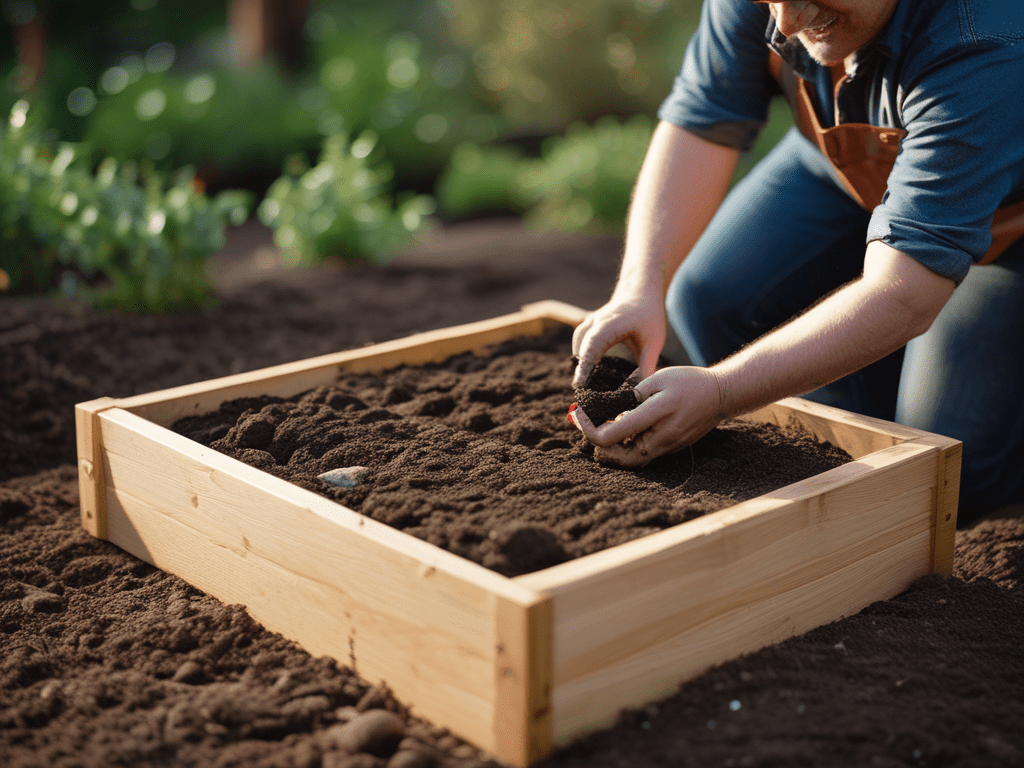
  • Prepare the Soil: Before planting, make sure your soil is well-prepared. Remove any leftover summer crops and weeds, and add compost or organic matter to enrich the soil.Watering: Fall can sometimes bring less rainfall, so make sure your garden is adequately watered. Consistent moisture is key for healthy growth.Frost Protection: Keep an eye on the weather forecast for early frosts. Use row covers or frost cloths to protect your plants if necessary.Succession Planting: To extend your harvest, consider succession planting. This means planting crops at intervals so that you have a continuous harvest throughout the fall.

By choosing the right vegetables for your zone and following these tips, you can enjoy a bountiful fall harvest. Happy gardening!

A Beginner’s Guide to Growing Herbs in Containers

Starting your own herb garden can be a rewarding and delicious experience. Whether you live in a city apartment or have a spacious backyard, growing herbs in containers is a versatile and accessible way to bring fresh flavors to your kitchen. Here’s a guide to help you get started with some of the best herbs for beginners and how to care for them.

Why Grow Herbs in Containers?

Growing herbs in containers offers several benefits:

  • Space efficiency: Perfect for small spaces like balconies or windowsills.
  • Mobility: Easily move your herbs to follow the sun or bring them indoors during cold weather.
  • Control: Better management of soil quality and moisture levels.

Best Herbs for Beginners

  1. Basil
  2. Parsley
  3. Mint
  4. Chives
  5. Thyme

Getting Started

1. Choose the Right Containers

Select containers with good drainage holes to prevent waterlogging. Terra cotta pots are popular for their breathability, but any container with drainage will work.

2. Use Quality Soil

Use a high-quality potting mix designed for containers. Herbs prefer well-draining soil, so consider adding perlite or sand to improve drainage.

3. Planting Your Herbs

Basil: Basil thrives in warm, sunny conditions. Plant seeds or seedlings in a sunny spot and keep the soil consistently moist but not waterlogged. Pinch off the top leaves regularly to encourage bushier growth.

Parsley: Parsley can be grown from seeds or seedlings. It prefers partial to full sun and regular watering. Soak seeds overnight before planting to speed up germination.

Mint: Mint is vigorous and can quickly take over a garden bed, making it perfect for containers. Plant mint in a partially shaded spot and water regularly. It’s best to start with a seedling rather than seeds.

Chives: Chives are hardy and easy to grow. Plant seeds or seedlings in a sunny spot. They prefer well-drained soil and regular watering. Harvest by snipping off the leaves close to the base.

Thyme: Thyme is a drought-tolerant herb that thrives in full sun. Plant seeds or seedlings in a sunny spot with well-draining soil. Water sparingly, allowing the soil to dry out between waterings.

4. Caring for Your Herbs

Watering: Most herbs prefer consistently moist soil, but overwatering can lead to root rot. Water when the top inch of soil feels dry.

Feeding: Herbs generally don’t require much fertilization. A light feeding with a balanced, water-soluble fertilizer once a month during the growing season is sufficient.

Pruning: Regular harvesting encourages new growth and keeps herbs bushy. Pinch off the top leaves and flowers to prevent bolting.

Sunlight: Most herbs need at least 6 hours of sunlight daily. If growing indoors, place them near a sunny window or use a grow light.

Pest Control: Check your plants regularly for pests like aphids and spider mites. Use organic methods such as neem oil or insecticidal soap to keep pests at bay.

5. Harvesting Your Herbs

Harvest your herbs in the morning after the dew has dried but before the heat of the day. Use sharp scissors or pruning shears to avoid damaging the plant. Regular harvesting encourages bushier growth and prevents flowering, which can make some herbs bitter.

Conclusion

Growing herbs in containers is a delightful way to enhance your cooking with fresh flavors while enjoying the satisfaction of nurturing plants. With these tips, you’re well on your way to a thriving herb garden. Happy gardening!

Caring for Swiss Cheese “(Monstera deliciosa)

Caring for a Swiss cheese plant (Monstera deliciosa) involves providing the right conditions to thrive. Here are some tips to keep your Monstera healthy:

  1. Lighting:
    • Provide bright, indirect light. Monstera plants can tolerate low light but will grow more vigorously in brighter conditions. Avoid direct sunlight, which can scorch the leaves.
  2. Watering:
    • Water when the top inch of soil feels dry. Water thoroughly, allowing excess water to drain out of the pot. Avoid letting the plant sit in water, as this can cause root rot. Reduce watering frequency during the winter months.
  3. Humidity:
    • Monsteras prefer higher humidity levels. If your home is dry, especially in winter, increase humidity by misting the leaves regularly, using a humidifier, or placing a tray of water and pebbles near the plant.
  4. Soil and Potting:
    • Use a well-draining potting mix, such as a mix designed for aroids or a combination of regular potting soil, peat, and perlite. Ensure the pot has drainage holes to prevent waterlogging.
  5. Fertilizing:
    • Feed your Monstera once a month during the growing season (spring and summer) with a balanced, water-soluble fertilizer diluted to half strength. Do not fertilize in the winter when the plant’s growth slows.
  6. Pruning and Training:
    • Prune any dead or damaged leaves to encourage new growth. If your Monstera becomes too large or leggy, you can trim back the stems to maintain a more compact shape. Support the plant with a moss pole or trellis to help it climb and grow upright.
  7. Pest Control:
    • Keep an eye out for common houseplant pests like spider mites, aphids, and mealybugs. Treat infestations with insecticidal soap or neem oil and maintain good plant hygiene to prevent issues.

By following these care tips, your Swiss cheese plant should thrive and develop its characteristic fenestrated leaves.

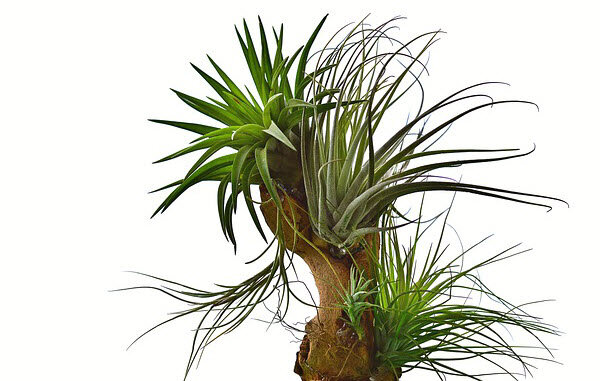
5 tips to keep my air plant healthy

Keeping air plants healthy involves some specific care routines. Here are five tips to help you maintain your air plant’s health:

  1. Proper Watering:
    • Submerge your air plant in water for about 20-30 minutes once a week. In hot, dry climates, you might need to water them more frequently, around 2-3 times a week.
    • After soaking, shake off excess water and allow the plant to dry upside down to prevent water from collecting in the base, which can cause rot.
  2. Adequate Lighting:
    • Place your air plant in bright, indirect light. Direct sunlight can scorch the leaves, while too little light can hinder growth. Near a window with filtered light or under fluorescent lights are good spots.
  3. Air Circulation:
    • Ensure good air circulation around your air plant. Fresh air helps prevent mold and rot. If you keep them in a terrarium or glass container, make sure there are openings for air flow.
  4. Temperature and Humidity:
    • Air plants thrive in temperatures between 50°F and 90°F (10°C and 32°C). They prefer higher humidity but can adapt to drier environments with more frequent misting or watering.
  5. Feeding:
    • Fertilize your air plant monthly during the growing season (spring and summer) with a bromeliad or air plant fertilizer diluted to half strength. Avoid using regular plant fertilizers as they can be too strong.

By following these tips, you can help ensure your air plant stays healthy and vibrant.

Home is Where the Boat Is

Potting, Puttering & Pontooning

Cats and Trails and Garden Tales

Musings on cats, travel, gardens and life

Leaf And Twig

Where observation and imagination meet nature in poetry.

phillipsplace

A new beginning, mobile home living, adding our style inside and out.

Ruth E. Hendricks

Daily Journal of Life in Pittsburgh

The Haute Mommy Handbook

Motherhood Misadventures + Creative Living

Suzanne's Mom's Blog

Arts, Nature, Good Works, Luna & Stella Lockets & Birthstones

𝑻𝒐𝒓𝒏𝒂𝒅𝒐 𝑶𝒇 𝑪𝒉𝒂𝒐𝒔 🌪

Thoughts, experiences and learnings in a turbulent time

Sarah Rajkotwala - Author & Spiritual Teacher blog

Gardening Fairies Flowers Spirituality Angels Love Joy

Ideas and Advice for How To Live a Joyful and Empowered Life.

All Things Empowering - Healing Ourselves & Earth, Self-Sufficiency, Food Forests, Gardening, Art, Road Trips, Preserving, Foraging, Permaculture, Homesteading and More!

AmericaOnCoffee

We’re just inviting you to take a timeout into the rhythmic ambiance of our breakfast, brunch and/or coffee selections. We are happy whenever you stop by.

Heart to Hearth Cookery

Sharing my Experimental Archaeology of Food

The Herb Society of America Blog

Learn • Explore • Grow