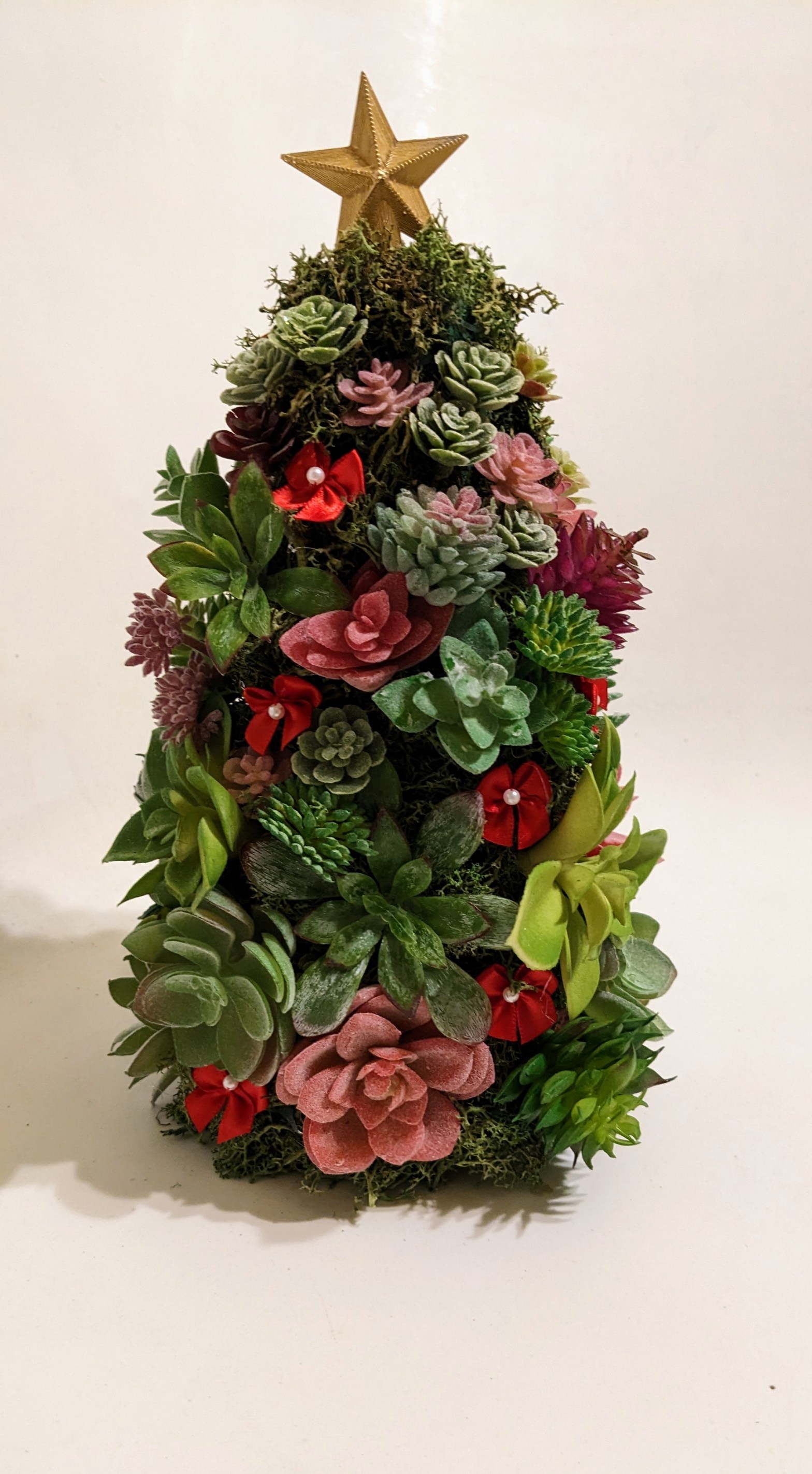
As the crisp autumn breeze begins to sweep through our lives, we’re delighted to welcome you to another edition of our beloved plant newsletter, October is here, and with it comes a whirlwind of excitement! We have some thrilling news and fantastic offerings in store for you this month. Check out the fun newsletter by signing up at https://printhousedesign.aweb.page/p/0af57b2b-75b6-4703-9e77-27ae244cd9e3
New Arrivals Galore!
Get ready to be captivated by the latest additions to our botanical wonderland. This October, we are thrilled to announce a bounty of new items. As of now we are sharing 3 sneak peeks in our newsletter!
Exclusive Coupon Code Alert!
We understand that nurturing your plant passion is not just a hobby but a way of life. To show our appreciation for your continued support, we’re excited to present you with an exclusive coupon code! This month, enjoy incredible savings on your favorite greenery by using our newly unveiled discount code at checkout. Keep reading to find out how to unlock this fantastic offer
Plant Tips & Tricks
Your plant journey is our top priority, and that’s why we’re dedicated to helping you thrive as a plant parent. In this edition, we’re sharing valuable plant care insights, seasonal tips, and troubleshooting advice. Whether you’re a seasoned plant enthusiast or just starting your green adventure, you’ll discover something new to enhance your plant-keeping skills.
Fun DIY Flower Projects
Looking to add a creative twist to your plant care routine? Dive into our exciting DIY flower/ herb projects!
October promises to be an exhilarating month at our plant haven, and we can’t wait to share it all with you. Thank you for being a part of our plant-loving community. We hope you enjoy the October edition of our Shop Newsletter!
Are you a pet owner with a green thumb, constantly on the lookout for houseplants that won’t pose a threat to your furry friends? Look no further than air plants, the perfect addition to your pet-friendly home. These unique and captivating plants not only require minimal care but are also non-toxic to cats and dogs, making them a great choice for both plant lovers and pet enthusiasts.
Why Air Plants are Pet-Friendly:
Air plants, scientifically known as Tillandsia, hail from the bromeliad family and have evolved unique adaptations that set them apart from traditional potted plants. Unlike typical houseplants with soil-bound roots, air plants thrive by absorbing moisture and nutrients through tiny trichomes on their leaves. This distinctive characteristic makes them an excellent choice for homes with curious cats and dogs.
Here’s why air plants are a pet-friendly choice:
Non-Toxic: Air plants are non-toxic to cats and dogs. This means that even if your furry companions happen to nibble on their leaves, it won’t result in any harmful effects. However, it’s still a good practice to discourage pets from chewing on plants whenever possible.
No Soil: Traditional potted plants often contain soil that can be tempting for pets to dig in or ingest. Air plants eliminate this risk, as they don’t require soil, making them a safer option for homes with curious animals.
Now that you know air plants are safe for your pets, let’s talk about how to display them while keeping them out of your pet’s reach.
Pet-Proofing Your Air Plants:
While air plants are non-toxic, it’s essential to prevent your pets from damaging them. Here are some tips to help you display your air plants without tempting your cat or dog:
Elevated Displays: Place your air plants in hanging planters, wall-mounted containers, or high shelves to keep them out of your pet’s reach. Cats may still be curious, so make sure the display is secure and can’t be easily knocked over.
Use Protective Barriers: If you’re worried about your cat getting to your air plants, consider placing them inside decorative cages or terrariums. This allows you to enjoy your plants’ beauty while keeping them safe.
Spray with Bitter Spray: If your pet insists on investigating your air plants, you can deter them by lightly spraying the leaves with a pet-safe bitter spray. The taste will discourage further nibbling.
Provide Distractions: Offer your pets plenty of cat grass or safe dog chews to divert their attention away from your air plants. A well-stimulated pet is less likely to be interested in your plants.
Training and Supervision: Train your pets to respect your plants’ boundaries and supervise their behavior around the plants until you’re confident they won’t pose a threat.
In conclusion, air plants are a fantastic choice for pet owners seeking a safe and stylish addition to their homes. Their unique characteristics and non-toxic nature make them a low-maintenance option that can bring a touch of nature indoors without worrying about your furry friends. By implementing these pet-proofing strategies, you can enjoy the beauty of air plants while keeping them out of your pets’ paws.
String of Pearls (Senecio rowleyanus) is a unique and charming succulent known for its cascading, bead-like foliage that resembles a string of pearls, hence its name. This captivating plant has gained popularity among plant enthusiasts due to its low maintenance requirements and aesthetic appeal. Whether you’re a seasoned plant parent or a beginner, this guide will help you care for your String of Pearls succulent and ensure it thrives in your home.
Choosing the Right Pot and Soil: Before diving into care specifics, start with the basics. Choosing the right pot and soil mix is crucial for your succulent’s health.
Pot: Select a well-draining pot with drainage holes to prevent water from accumulating in the root zone. A shallow, wide pot works well for String of Pearls, as it mimics their natural growth pattern.
Soil: Use a well-draining succulent or cactus potting mix. You can also create your mix by combining regular potting soil with perlite or coarse sand in a 1:1 ratio to improve drainage.
Light Requirements: Proper lighting is essential for the well-being of your String of Pearls.
Bright, Indirect Light: Place your succulent in a location where it receives bright, indirect sunlight. Avoid exposing it to direct sun, which can scorch the delicate leaves.
Adjustable Lighting: If you’re growing your String of Pearls indoors, consider rotating the pot every few weeks to ensure even growth on all sides, as they tend to lean toward the light source.
Watering: String of Pearls is a drought-tolerant succulent, and overwatering is a common issue. Follow these guidelines for watering:
Allow Soil to Dry: Water your plant thoroughly but let the top inch or two of the soil dry out between waterings. Stick your finger into the soil to check for moisture.
Water Sparingly: During the growing season (spring and summer), water sparingly, about once every 2-3 weeks. In the dormant season (fall and winter), reduce watering to once a month or less.
Water from Below: To prevent rot, water from the bottom by placing the pot in a shallow container of water and allowing the soil to soak up moisture through the drainage holes. Empty any excess water after about 30 minutes.
Temperature and Humidity: String of Pearls prefers moderate temperatures and doesn’t tolerate extreme cold or heat. Keep these factors in mind:
Temperature: Maintain a temperature range of 70-80Β°F (21-27Β°C) during the growing season. In winter, it can tolerate slightly cooler temperatures, but avoid frost.
Humidity: These succulents don’t require high humidity levels. Normal indoor humidity is usually sufficient.
Fertilizing: Fertilize your String of Pearls sparingly to support healthy growth. Use a balanced, diluted liquid fertilizer during the growing season, typically once every 4-6 weeks. Avoid fertilizing during the dormant period.
Pruning and Propagation: Pruning your String of Pearls can help maintain its shape and encourage bushier growth. Simply snip off any leggy or dead stems with clean, sharp scissors or pruning shears. You can also propagate new plants from cuttings by placing them in well-draining soil until they root.
Common Issues and Solutions:
Yellowing Leaves: This can indicate overwatering or inadequate sunlight. Adjust your watering schedule and move the plant to a brighter location.
Leggy Growth: If your succulent becomes stretched and leggy, it’s likely not getting enough light. Move it to a brighter spot and trim the long stems.
Pests: Keep an eye out for common pests like mealybugs and spider mites. Treat infestations promptly with neem oil or insecticidal soap.
: Caring for a String of Pearls succulent can be a rewarding and enjoyable experience. With the right pot, well-draining soil, proper lighting, and a balanced watering schedule, you can watch this unique plant thrive and beautify your space with its cascading pearls. Remember, patience and attentiveness are key to the success of your String of Pearls succulent. Enjoy your journey as a succulent enthusiast and relish the beauty of this charming plant in your home.
Let’s dive into how to make and use banana peel water in your garden.
Making banana peel water is a straightforward process. Here’s a step-by-step guide:
Ingredients:
2-3 ripe banana peels
1-liter water
Instructions:
Collect Banana Peels: Save the peels from a few ripe bananas. Ensure they are free from any stickers or residues.
Cut or Break Peels: Chop or break the banana peels into smaller pieces. The smaller the pieces, the faster the nutrients will leach into the water.
Soak Peels: Place the banana peel pieces in a container (a glass or plastic jar works well) and cover them with 1 liter of water.
Let It Steep: Seal the container and allow it to steep for 24-48 hours. During this time, the water will absorb the nutrients from the peels.
Strain and Dilute: After steeping, strain the liquid into another container, removing the banana peels. The resulting liquid is your banana peel water.
How to Use Banana Peel Water
Now that you have your banana peel water, it’s time to use it to boost your plants’ growth:
Dilution: Banana peel water is potent, so it should be diluted before application. Mix 1 part banana peel water with 3 parts plain water to create a well-balanced fertilizer solution.
Watering: Use the diluted banana peel water to water your plants, making sure to soak the soil thoroughly. Apply the fertilizer once every 2-4 weeks, depending on your plants’ specific needs and the growing season.
Foliar Spray: You can also use banana peel water as a foliar spray. Dilute it further (1 part banana peel water to 10 parts water) and spray it directly onto the leaves. This can help your plants absorb nutrients more efficiently.
Caution: While banana peel water is generally safe for most plants, avoid using it on plants that prefer acidic soil conditions, as it may raise the pH level of the soil.
Conclusion
Banana peel water is a fantastic, eco-friendly fertilizer option that can help your plants thrive. By recycling your banana peels into a nutrient-rich solution, you not only reduce waste but also provide your garden with essential minerals for healthy growth. Give this natural fertilizer a try, and watch your plants flourish with the power of potassium, phosphorus, and more β all from a humble banana peel. Your garden and the environment will thank you for it!
Houseplants have a unique way of bringing life and vibrancy into our homes. Not only do they purify the air and enhance our surroundings, but they also respond to the care and attention we provide. While plants don’t have feelings in the same way humans do, they do exhibit sensitivity to their environment. To keep your green companions thriving, consider these essential house plant sensitivity care tips: keeping plants near light sources, maintaining proper soil moisture, using planters with drainage, and even engaging in a little friendly chat with your leafy friends.
Keep Plants Near Light Sources
Light is to plants what food is to humans. It’s essential for their growth and overall health. Different plants have varying light requirements, so it’s important to know your plant’s specific needs. Generally, plants can be categorized into three light groups:
a. Low Light Plants: These plants thrive in indirect or filtered light, making them suitable for rooms with limited natural light, like bedrooms or bathrooms. Examples include snake plants and pothos.
b. Medium Light Plants: These plants need moderate, indirect light and can tolerate some direct sunlight but should be protected from harsh midday rays. Spider plants and peace lilies fall into this category.
c. High Light Plants: These sun-loving plants crave bright, indirect sunlight. They are often placed near south or west-facing windows. Examples include succulents and cacti.
Understanding your plant’s light requirements and placing them accordingly ensures they receive the energy they need for photosynthesis, growth, and overall vitality.
Keep Soil Moist
Proper watering is crucial for maintaining your houseplants’ sensitivity to their environment. Overwatering or underwatering can cause stress to your plants, leading to issues like root rot or dehydration.
To maintain optimal soil moisture:
a. Water According to Plant Needs: Different plants require different watering schedules. Some prefer to dry out between waterings, while others like consistently moist soil. Research your plant’s specific needs.
b. Use Well-Draining Soil: Ensure your plant is potted in well-draining soil to prevent waterlogged roots. A mix of potting soil and perlite or vermiculite often works well.
c. Check Moisture Levels: Stick your finger about an inch into the soil. If it feels dry at this depth, it’s time to water. If it’s still moist, wait a bit longer.
Use Planters with Drainage Holes
Planters with drainage holes are essential for maintaining proper soil moisture and preventing waterlogged roots. When you water your plant, excess water can escape through these holes, ensuring that your plant’s roots don’t sit in standing water, which can lead to root rot.
If you have a decorative planter without drainage, consider using a plastic nursery pot with drainage inside the decorative pot. This allows you to water your plant thoroughly and then remove any excess water that collects in the outer pot.
Talk to Your Plants
Believe it or not, talking to your plants can have a positive effect on their growth. While plants don’t have ears or brains to process words, the vibrations from your voice can create a gentle, nurturing environment. It also encourages you to spend more time with your plants, allowing you to notice any changes or issues sooner.
Talking to your plants can be a calming and mindful practice, fostering a deeper connection between you and your leafy companions.
In conclusion caring for houseplants is not just about providing them with basic needs; it’s also about understanding their sensitivity to their environment and responding accordingly. By keeping your plants near suitable light sources, maintaining proper soil moisture, using planters with drainage, and even engaging in a little conversation, you can ensure that your green companions thrive and bring beauty and vitality to your home for years to come. So go ahead, shower them with love and attention, and watch them flourish!
Weβre just inviting you to take a timeout into the rhythmic ambiance of our breakfast, brunch and/or coffee selections. We are happy whenever you stop by.