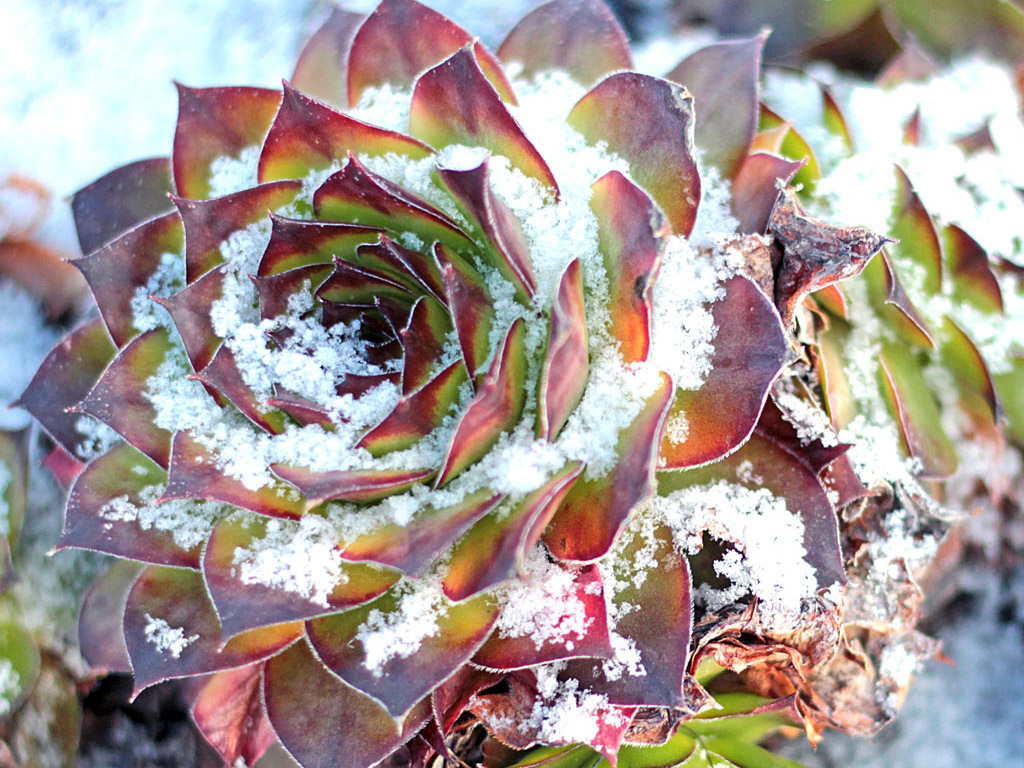
Propagating Christmas Cactus

Did you also know that the Christmas Cactus really isn’t a cactus at all? It’s really a type of succulent. But, it’s not an ordinary succulent that you find growing in sandy soil in hot climates.Christmas Cactus is a relative native to the rainforest of Brazil. And it originally grew in the moss near the tops of the trees in the rainforests of Brazil. As you could imagine, it thrives in humid conditions.

What Is “Propagate”?

Propagating is simply a way to make new plants from an existing plant. There are many different methods for propagating plants. Fortunately, Christmas Cactus happen to be one of the easiest plants to propagate.

Easy steps to propagate your cacti:

Select Cuttings.

Take cuttings that are 2-6 leaf segments or leaves. These segments can be cut or twisted off. To twist off the segments, hold onto the plant segment and then twist the section you want to remove. Again, be sure to select a segment that is 2-6 leaves long. You’ll want one to four cuttings for each pot you plan to grow.

Let Heal.

Once you have cut or removed your cuttings by twisting them off the mother plant, you want to simply lay them some place out of sunlight to let the cutting heal over for a day or two.

Root In Water.

Fill an empty glass jar with about two inches of pebbles or stones. Add enough water that it covers the stones. Then place the cuttings in the jar, with just the very bottom of them touching the water. You’ll still have quite a bit of the cutting in the jar, but only the bottom portion should be in the water.

Place the jar with the cuttings in a window so that it gets indirect sunlight. You should see roots growing in about 1-3 weeks. In the meantime, keep an eye on the water level in the jar and add more water as needed.  You want to be sure to keep the cutting watered.

Ready To Transplant.

I like to wait until the roots are maybe ¼ – ½” long before planting. Once you have roots, select a small flower pot (Christmas Cactus like to be crowded). Fill the bottom of the pot with pebbles for drainage and then fill with a potting soil mix for succulents. Plant each cutting about 1” deep in soil and water.And you’ll probably want to repot your Christmas Cactus every 2-3 years, just to give it a little more room to grow. 

You can propagate your Christmas Cactus in early Spring, or if you have a large  plant that you want to split and repot into two pots then you can do this any time.

Black Friday Deals

The best Black Friday deals 2021: 

Our Online Store has an Amazing Assortment Of Fun and unique 3D printed animal planters for indoor house plants! You can choose from over 50 different styles to match your decor for your home or office.  We are offering Black Friday Deals to make Holiday Shopping easier this season. 

You can also find special holiday cards, ornaments, jewelry, and special gifts by shopping at a few of these stores:

www.printhousedesign.com

https://www.etsy.com/shop/inkwoodco

https://www.etsy.com/shop/FreshMintCoinJewelry

https://www.etsy.com/shop/OrnamentalByJPhelan

http://www.depop.com/gardenocity

LIGHT BULB TERRARIUM

Give a lush look to the interiors of your den with these comprehensive light bulb terrarium how-tos. The eco-friendly projects contribute towards purifying the ambient air owing to the self-sufficient closed ecosystem.

HOW TO MAKE YOUR LIGHT BULB TERRARIUM

What you’ll need

  • 1 lightbulb
  • 1 pair of long tweezers
  • 2 tablespoons of sand
  • A small handful of preserved moss
  • A small handful of reindeer moss
  • A tillandsia (air plant) or Venus fly traps, Pitcher plants, Sundew plants.
  • Small rocks or coloured glass stones

WHAT TO DO

If you really want to make your light bulb terrarium from scratch, you can simply use an old light bulb and clear it out by yourself. But when we say that this will probably involve shards of broken glass and you’ll need to wear protective glasses, you might prefer to take the easy option and buy an ornamental bulb that’s already been prepped.

1. Put two tablespoons of sand into the light bulb. You can buy this from a garden centre. If you’re taking it directly from the beach, be sure to dry it thoroughly first.

2. Place the preserved moss into the bulb and distribute over the sand with the tweezers.

3. Repeat with the reindeer moss.

4. Place your tillandsia or carnivorous  plant inside the bulb.

5. Arrange the rocks or glass pebbles around the plant.

To keep your terrarium in tip-top condition, spritz once a week with a water spray.

TIP FOR KIDS: Terrariums are great little miniature gardens children can enjoy. Make them even more fun by adding a tiny tiny toy animal.

Spanish Moss Care

Locally known as “Spanish Moss” this plant has no relation to the moss family. In fact, Spanish moss is a bromeliad, a specific species of air plant. The botanical name is Tillandsia Usneoides. All the air plants that we sell on our site are in the genus Tillandsia.

Spanish Moss is probably the most common Air Plant in the United States. In fact, I’m sure you’ve probably stumbled upon it… Think of that quintessential southern city. Is it Savannah, Charleston, New Orleans, and Florida. 

Spanish Moss is relatively easy to grow. The most common ways are by division, however there is natural propagation that also occurs from seed. In the springtime, after sending out tiny, inconspicuous blooms, thousands of wispy seeds can depart a single clump, blown about to find other host tree branches. 

Plant care: These will happily grow as long as they are kept in a warm area, have good air circulation and water is provided. The surrounding temperature should be sixty degrees or higher. Partial sun is preferable. Direct hot sun will dry the moss, especially in indoor environments. Watering Spanish Moss is done like other species of air plants, through water baths or misting.

Spanish Moss can be moved outdoors during the warm season. However, if placed too early in the Spring, birds may steal it away as an exotic, cozy nesting material.Spanish moss flowers open in succession over up to four months from spring through fall. Long Spanish moss stems may grow up to 20 feet long and bear flowers at the terminal ends of their feathery branches

The uses for Spanish Moss are varied. It can be used as mulch, a packing material, insulation or for arts and crafts.  At our Etsy shop we give a little bundle of moss to go along with any air plant purchase.

blooming moss

Eco Friendly Gardening

One way to create an eco-garden is by going organic. You can grow fruits, vegetables, flowers, and lawn in a more organic manner by avoiding chemical pesticides and fertilizers. Instead, focus on using non-GMO seeds and organic compost and mulch in your garden. You can also utilize techniques such as companion planting to reduce the need for fertilizers and pesticides in your garden.

With many parts of the US experiencing drought and water shortage, you can make your garden eco-friendly and green without feeling guilty about using municipal water by installing rain water barrels. These are barrels that will collect rain water  and store them for use in the garden. You can install a mechanical sprinkler or hose to the rain water barrel to make watering your garden easier.

Depending on the size of your garden, you can either install a compost pit or a compost bin in your yard. A decorative compost bin is a great way to go organic in even a small yard. Simply keep adding dead garden waste and food scraps from your kitchen into the compost bin and spread the compost on garden beds. Let’s be honest, you do not eat everything. There is going to be left over food and scrapings if you cook at home at all.

An eco-friendly garden will have more natural features and local plants and trees in it. Instead of stocking your garden with exotic plants, plant local varieties of trees, flowers, and vegetables. These are easier to grow and more eco-friendly as they require less chemical fertilizers and pesticides. While an eco-friendly garden can be a challenge to design, the pleasures it provides can be greater. You can be sure that you will not develop allergies to the pesticides and chemicals used in the garden. Moreover, you can use your ingenuity to upcycle, recycle, and repurpose items you have found around the house and yard to create your garden. For instance, instead of uprooting a tree stump after chopping down a dead tree, you could leave the stump in place and design a garden feature around it. 

These tips can jump start an eco way gardening living , you can read more of of our blogs to learn about tiny living with plants and creating a fall gardening palate for your yard.

Home is Where the Boat Is

Potting, Puttering & Pontooning

Cats and Trails and Garden Tales

Musings on cats, travel, gardens and life

Leaf And Twig

Where observation and imagination meet nature in poetry.

phillipsplace

A new beginning, mobile home living, adding our style inside and out.

Ruth E. Hendricks

Daily Journal of Life in Pittsburgh

The Haute Mommy Handbook

Motherhood Misadventures + Creative Living

Suzanne's Mom's Blog

Arts, Nature, Good Works, Luna & Stella Lockets & Birthstones

𝑻𝒐𝒓𝒏𝒂𝒅𝒐 𝑶𝒇 𝑪𝒉𝒂𝒐𝒔 🌪

Thoughts, experiences and learnings in a turbulent time

Sarah Rajkotwala - Author & Spiritual Teacher blog

Gardening Fairies Flowers Spirituality Angels Love Joy

Ideas and Advice for How To Live a Joyful and Empowered Life.

All Things Empowering - Healing Ourselves & Earth, Self-Sufficiency, Food Forests, Gardening, Art, Road Trips, Preserving, Foraging, Permaculture, Homesteading and More!

AmericaOnCoffee

We’re just inviting you to take a timeout into the rhythmic ambiance of our breakfast, brunch and/or coffee selections. We are happy whenever you stop by.

Heart to Hearth Cookery

Sharing my Experimental Archaeology of Food

The Herb Society of America Blog

Learn • Explore • Grow