One question that I get asked a lot from our shop customers is …
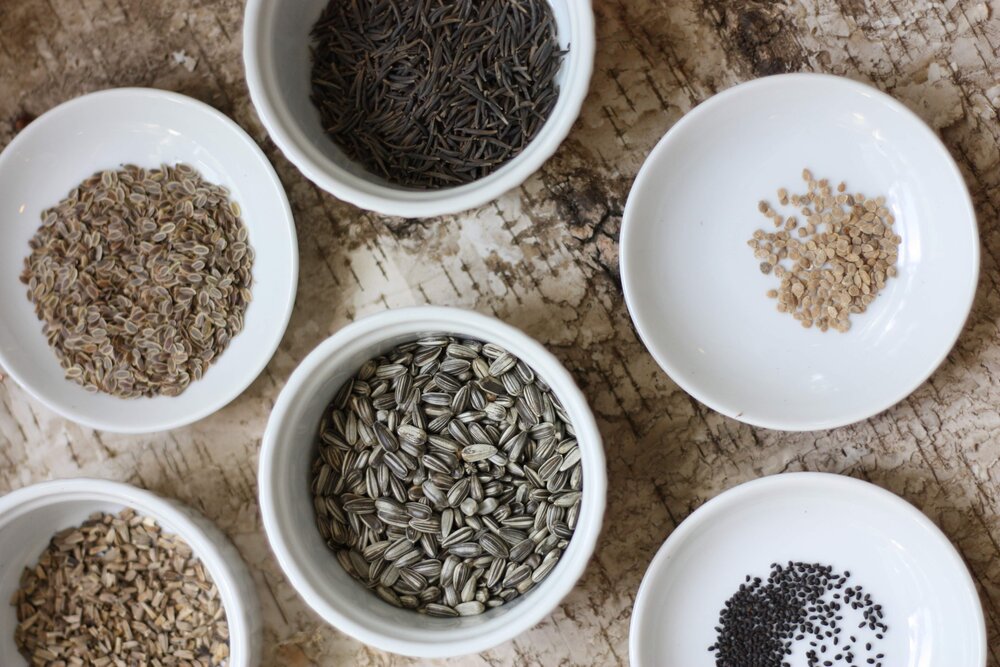
Can I use leftover seeds from last year?
So the answer is Yes, you can use leftover seeds to plant this year as long as they are still viable. The viability of seeds decreases over time, so it’s important to check their viability before planting. There are a few ways you can do this:
The “float test”: Place the seeds in a cup of water. If they sink, they are still viable. If they float, they may not be viable.
The “fold test”: Take a small sample of seeds and fold them in a damp paper towel. Place the towel in a plastic bag and leave it in a warm place for a few days. If most of the seeds have sprouted, they are still viable.
The “germination test”: Plant a small number of seeds in soil or a seed starting mix and keep them moist. If most of the seeds germinate, the rest of the seeds are likely still viable.
If the seeds pass one of these tests, you can plant them as you would any other seeds. It’s a good idea to plant a few extra seeds to compensate for any that may not germinate.
There are a variety of vegetables that you can plant in January, depending on your location and climate. Some vegetables that are well-suited for planting in January include:
Arugula: This cool-season leafy green can be sown directly in the garden.
Radishes: Radishes are fast-growing and can be sown directly in the garden.
Carrots: Carrots can be sown directly in the garden in January in most climates.
Beets: Beets can be sown directly in the garden in January in most climates.
Greens: Many types of greens, such as lettuce, spinach, and kale, can be sown directly in the garden in January.
Peas: Peas can be sown directly in the garden in January in most climates.
It’s always a good idea to check your local gardening zone and consult a gardening calendar or guide specific to your region to determine the best vegetables to plant in January.
What is a garden zone?
A gardening zone, also known as a planting zone or hardiness zone, is a geographically defined area in which a specific type of plant is capable of growing, as defined by the USDA Plant Hardiness Zone Map. The map is based on the average annual minimum winter temperature, divided into 10-degree F zones. The gardening zones are useful for determining which plants will survive the winter in a particular location and can also be used as a guide for selecting plants that will thrive in a specific location. For example, if you live in a region with a gardening zone of 5a, you will be able to grow plants that are hardy in zones 4-5.
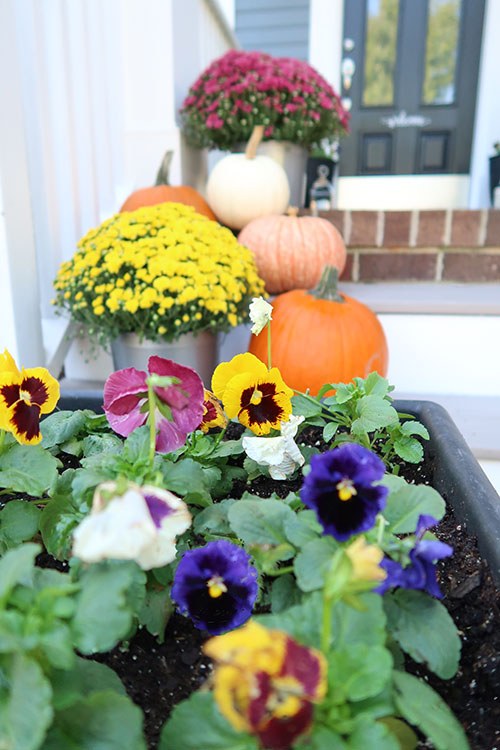
Add 2 fall favorite plants to your patio this season! After a steamy summer, autumn’s cooler air temperatures are easier on both plants and gardeners, but the soil is still warm enough to allow roots to grow until the ground freezes.
One of my fall favorites, Mums aka Chrysanthemums are available in a wide variety of colors, including orange, red, purple, yellow and white. They are easy to take care of and are perennial, so you never need to worry about them not returning the next season. Mums are also fragrant and make great centerpiece flowers. Mums are actually quite easy to grow. They grow best in sunny spots, with well drained soil. I mix compost into the soil, both nourishing the plant and helping to retain moisture near the roots. Although Chrysanthemums do not like to sit in water, they do require deep watering a couple of times a week.
The second fall favorite, Pansy plants (Viola) are cheerful, blooming flowers, among the first of the season to offer winter color in many areas. Growing pansies are commonly seen in late fall and early spring in more northern areas of the United States, while in subtropical areas, pansies bloom throughout the winter. Pansies like full or partial sun, but need cooler temperatures to thrive. The ideal planting site will get morning sun but avoid the heat of the late afternoon. For pansies in containers, if the temperatures are warm, they may even need to be watered twice a day. Always check the soil if in doubt. If the top inch of the soil is dry, you will want to water.
Check your local garden shop for these two fall favorites.
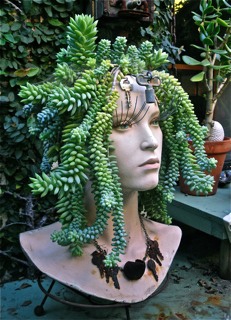
Sedum morganianum, the donkey tail or burro’s tail, is a species of flowering plant in the family Crassulaceae, native to southern Mexico. It is a succulent perennial producing trailing stems up to 60 cm long, with fleshy blue-green leaves and terminal pink to red flowers in summer.
How do you care for a donkey tail succulent?
Whether you want to keep a donkey’s tail indoors or grow it outdoors, make sure to keep your succulent at a shady place that receives bright light in the morning. Moreover, it is important not to overwater this delicate plant or else; its leaves will start shriveling. A Donkey’s Tail plant is non- toxic and safe to have around children and pets.
Unlike many types of succulents, burro’s tail needs a considerable amount of water to keep the leaves attractive and plump. Soak its soil thoroughly and do not water it again until the topsoil dries out completely, especially when kept indoors because it flourishes in the well-drained container. For a more accurate measurement, stick your finger in the water and be sure that it is at least 1-inch deep around your Burro’s tail.
Choosing the right planter for this fun succulent is making sure to use succulent soil and a planter with great drainage holes.
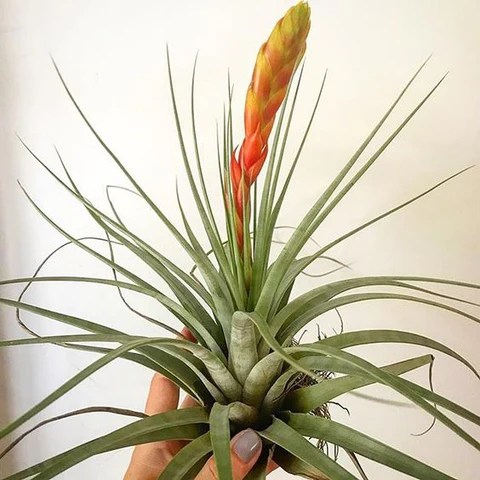
The inflorescences in air plants produce beautiful flowers of different colors.
Still waiting patiently for your Tillandsia to flower and wondering how you can help encourage the process. In an air plant’s life cycle, the bloom phase is the first stage. It marks the beginning of the reproductive process in the air plant in which it produces an inflorescence. Tillandsia produces different types of blooms in over 600 species.
Air plants only bloom once in their lifetime as for the Tillandsia it produces different blooms, many of them producing beautifully colored blossoms that come in a countless of colors ranging from delicate pinks and fiery reds, to bright purples and yellows. As the bloom cycle has completed you may notice some new growth off the side of your air plant. These are baby air plants, commonly called offsets or “pups.” These little babies will eventually mature into their own “adult” air plant.After the pups grow to about 1/3 of the size of the mother plant, you can remove them and this will jump start the pup stage! On average, 1 to 3 pups will be created by the air plant after blooming, depending on the air plant species.
How long does it take for an air plant to bloom? Some plants take longer than others, and can grow for months or even years before they bloom. These larger, slower growing varieties include the xerographica, harrisii, fasciculata, etc. All of these plants will emit a bloom spike that can last months! Some plants such as the stricta, aeranthos, houston, etc. bloom quicker than others and all have stunning blooms.
What special care can you do for a Tillandsia in bloom? First, keep watering and feeding your plant! Nevertheless, you’ll want to take special care when watering blooming air plants not to get the flower wet, so instead of dunking or soaking the whole plant, you can mist the plant. Because if the bloom is submerged in water for too long, it could rot or wilt. A blooming plant may need a little more water than usual since all of its energy is going into the bloom and eventually the pups. Make sure to keep an eye on your plant so that it stays happy and healthy!
Will the mother plant die? Eventually, yes. With proper care, they can last for a long time though but this is perfectly normal. Over time the new offset will take over, and the mother plant will slowly die off as it gives its energy to the pups.
That being said, with proper care, plants will bloom when they are ready, no need to rush it. You can fertilize to promote blooming, but the wait is part of the fun of collecting air plants!