Drying Lavender

Harvest the pretty purple flowers to make dried lavender bunches or dried lavender buds for potpourri or sachets. Drying lavender isn’t difficult. Learn how to dry lavender, my favorite herb to grow and use. 

Drying lavender starts with harvest, and that process varies depending on what you’ll do with your dried lavender. If you plan to make dried lavender bunches, clip lavender flowering stems when blooms are open at the base of the spike or roughly three-quarters of the flowers are open on each stem.  

Cut lavender flowers in the morning after dew has dried. Avoid cutting stems on a rainy day. Flowers dry best—with less chance of mold or mildew—when they’re dry to start. Cut stems on the long side, especially if you’re planning to make a lavender wreath. You can always trims stems after they dry.  

For drying lavender, bundle stems together so that flower heads are lined up. Use two rubber bands per dried lavender bunch—one just beneath the flower heads and one at the base of stems. Hang bundles upside down to dry in a dark, warm spot. Protect drying lavender from sunlight to retain best color, and place a sheet beneath the bundles to catch any buds or blooms that might fall. You should have dried lavender bunches in about seven to 10 days, depending on humidity.  

You can also dry lavender by arranging loose stems in a basket or on a screen. Keep them in a single layer, if possible. In dry climates, gardeners sometimes place loose lavender stems on a sheet or tablecloth on a deck or driveway, covering blooms with another sheet to keep out debris. This method typically takes a week to 10 days to yield dried lavender, depending on relative humidity.  

Soon our Etsy shop will offer dried lavender buds for you to use as a sachets in your dresser drawers to bring a little fragrance to your clothes, or to add to your relaxing bath waters. 

http://www.printhousedesign.com

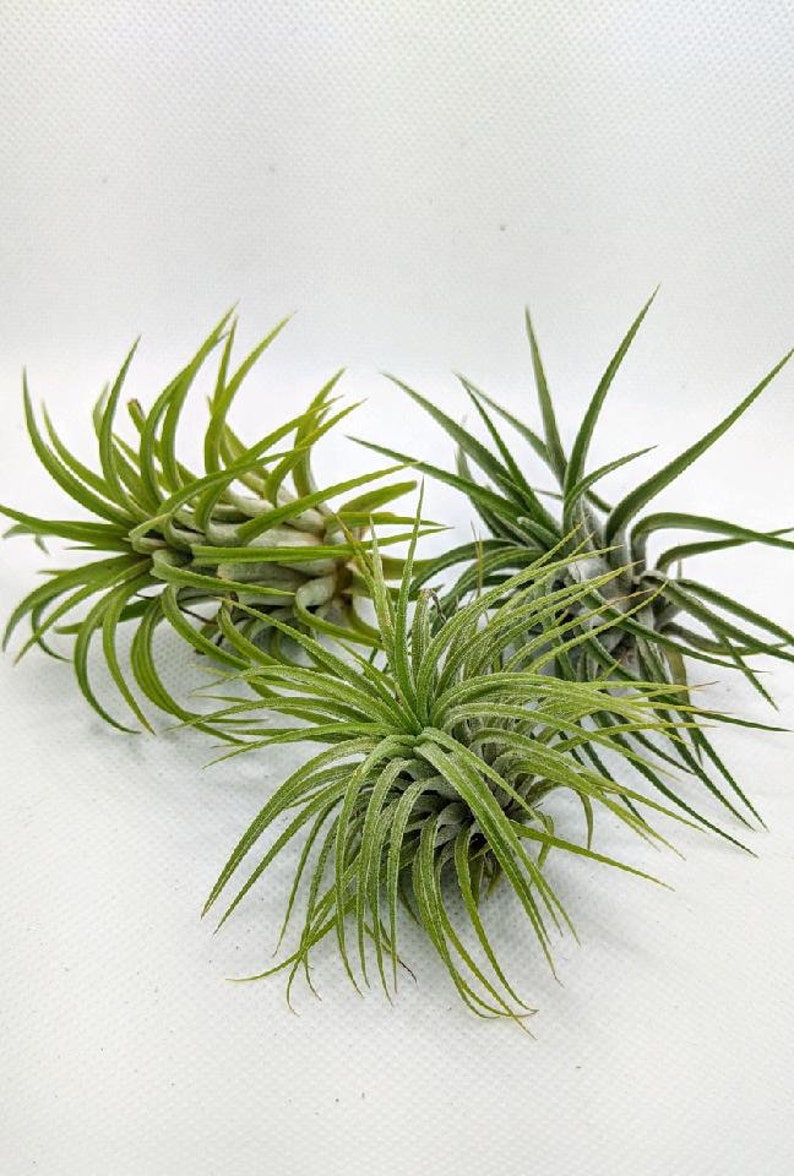
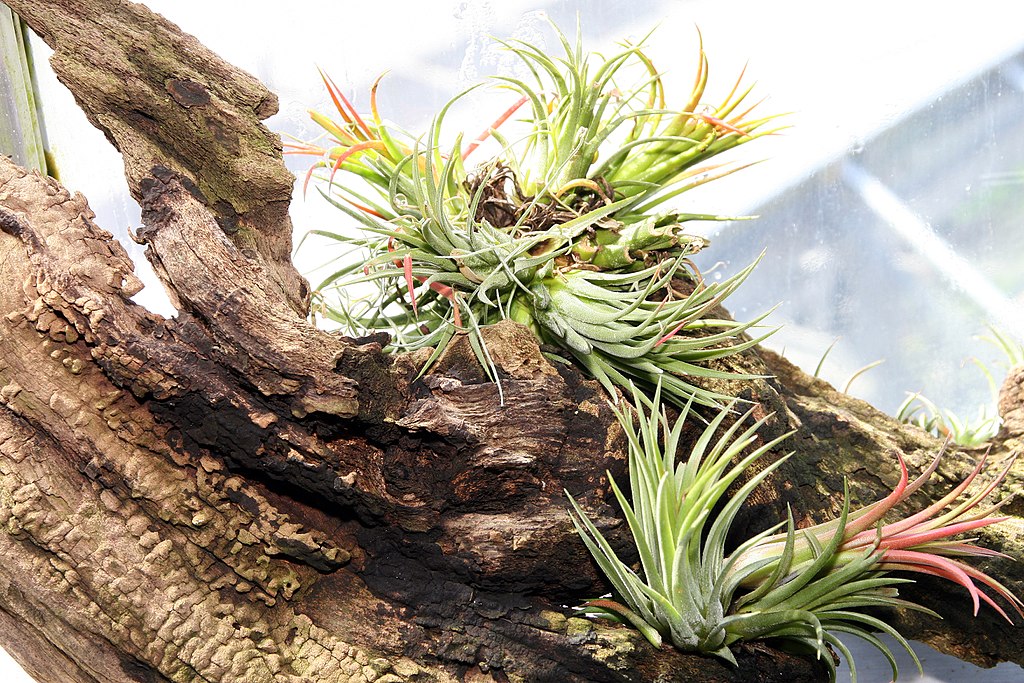
Tillandsia Red Abdita

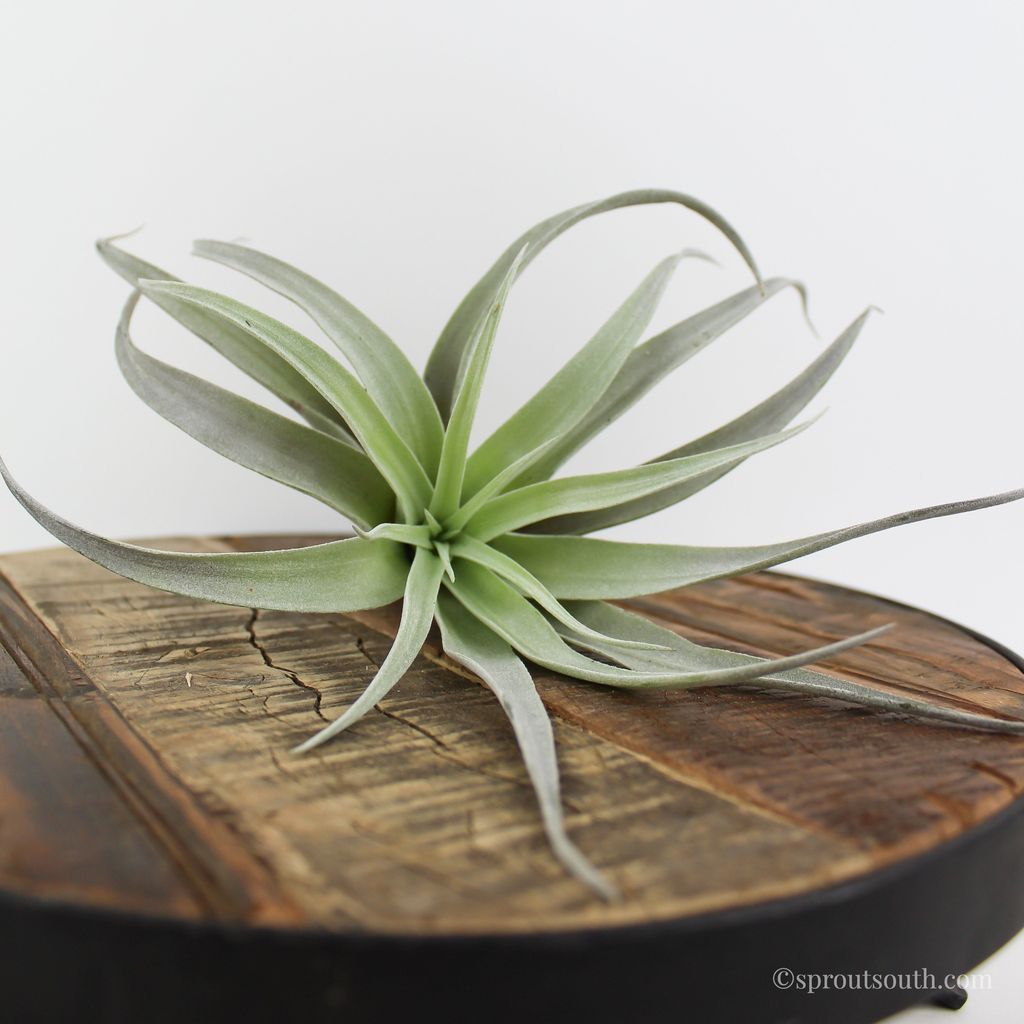
The Tillandsia Red Abdita is native to Mexico and Central America and is one of the few varieties that enjoy both direct and indirect sunlight. The characteristic curly leaves of the Xerographica grow from the center of the plant out and spiral into themselves.

Red Abdita are easy to care for; just give them a soak in water each week for about 9-15 minutes and they will continuously bring the benefits of clean air and beauty to your space. The air plants can be a stunning statement piece in any bright space, they need no soil to grow, so they truly can be put anywhere. They can be hung from walls or set on tables- the possibilities are endless with this easy to care for air plant. 

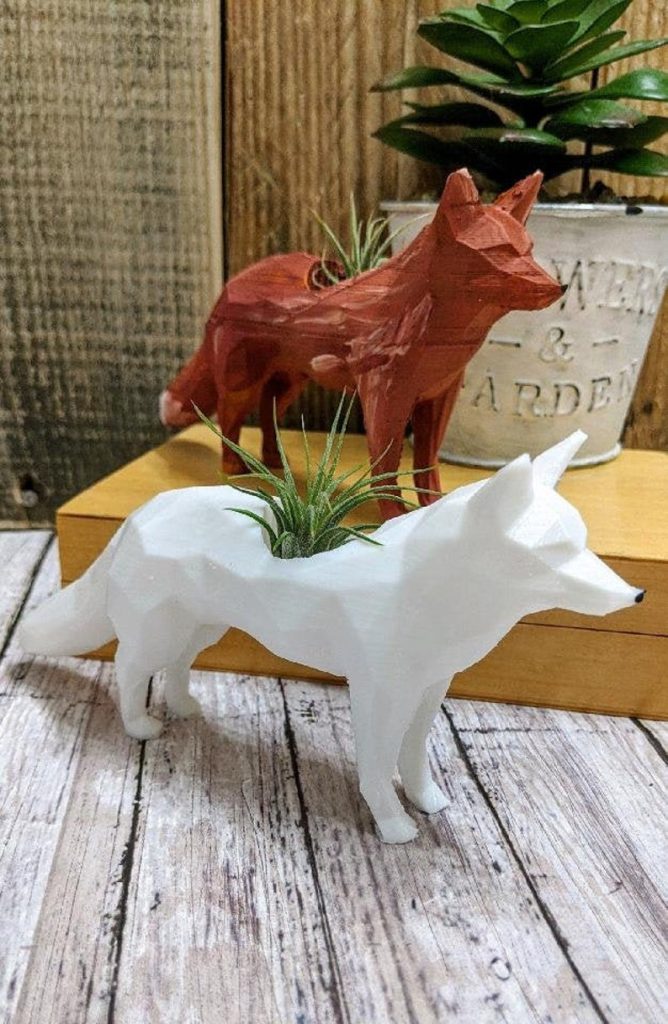
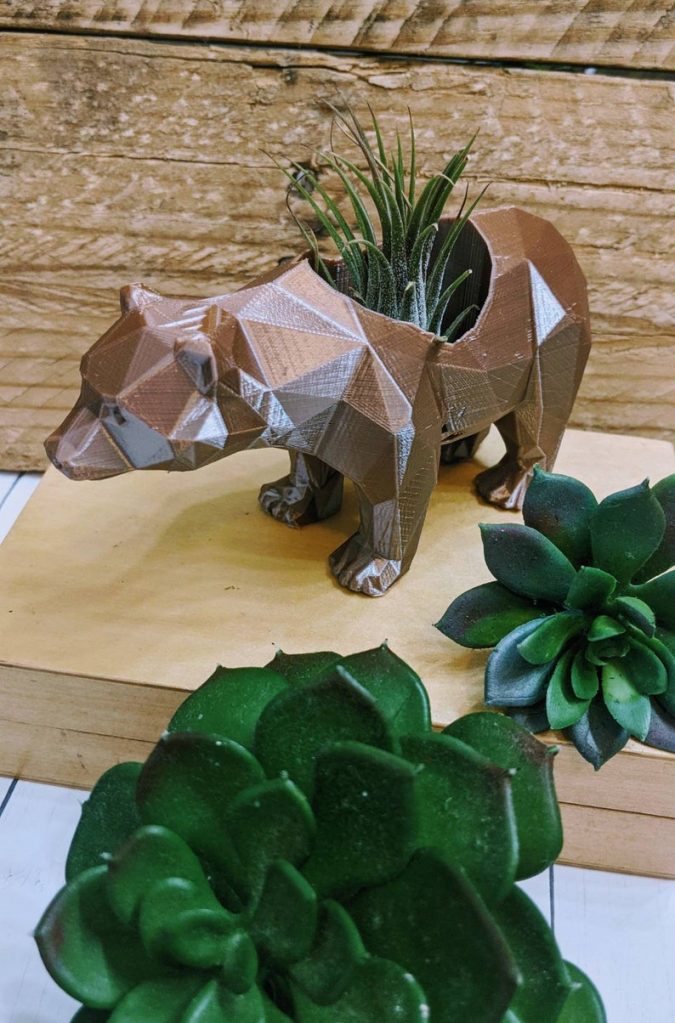
Our Etsy shop offers this beautiful air plant along with a cute 80’s troll as a planter! 

Follow the link to see it at the shop:

https://www.etsy.com/listing/892525877/air-plant-troll-planter-for-indoor

Our Tillandsias’ are placed indoors in a north-facing window area where we can control the temperature to keep the growing space around 60-70 degrees F. We do not suggest growing air plants outdoors when we are experiencing freezing temperatures, however, they can be grown outdoors in the spring and summer! Give this unique air plant a try and experience the beauty and ease this plant will bring to your life.

Wild purslane salad

Wild purslane salad with cucumbers, tomatoes, jalapeño chile, lemon juice and salt

Thick-stemmed ground cover plant with little yellow flowers that takes over the pathways around the garden beds is known as purslane can be a healthy addition to your everyday salad.

Actually,the plant is  pretty, but to the gardening books it’s considered a weed. What a lot of these books don’t tell you is that purslane, the “weed” in question, is being sold at farmers markets to chefs for $7 a pound!

Not only is it edible, something like crunchy, not-as-spicy watercress, but it is packed with vitamins, minerals, and even Omega 3.

The following purslane salad recipe comes from a Mexican recipe book that I picked up on my honeymoon 11 years ago. If you too are incorporating purslane into your cooking, please let us know in the comments how you are using it.

Below is the recipe :

*Especially good served with grilled seafood.

Ingredients

  • 1 large cucumber, peeled, quartered lengthwise, seeds removed and discarded, then chopped
  • 1 medium tomato, chopped
  • 1 bunch purslane, thick stems removed, leaves chopped, resulting in about 1/2 cup chopped purslane
  • 1 minced seeded jalapeno chile pepper
  • 2-3 Tbsp fresh squeezed lemon juice
  • Salt to taste

Mix everything together and enjoy!

Haworthia obtusa succulent

Haworthia obtusa

This is a very popular variety, due to the beautiful transparent lens on the tip of the leaves. Each leaf looks like a drop of water. Once the plant grows about 4” in diameter, it starts growing pup clusters. 

How do you grow Haworthia Obtusa?

Soil: All Haworthias do not like their roots to remain wet for prolonged periods, so their potting soil should be well-drained. Use a commercial succulent potting mix or make your own. Hardiness: Haworthias like warmer temperatures in the summer but cool in the winter. However, they do not like being too cold.

Does Haworthia need sunlight?

Although some Haworthia species can be found in full, bright sun, many live in more protected spots and therefore are adapted to thrive in partial shade (though few look their best without at least some direct sun or bright light). This makes Haworthias well adapted to lower light conditions found in homes.

How often should I water Haworthia?

Water. Because Haworthia store water so efficiently, they do not need to be watered very often. Only water when the soil has been completely dry for a number of days. This may be every two weeks, or in warmer months or warmer climates, it could be more often.

Can you propagate ?

The propagation of these succulent plants is done at repotting time and taking offsets from the mother plant. Utilize sharp scissors or knife to cut the offsets close to the mother plant.

This unique succulent is one of 60 name Haworthia species and 150 named varieties of succulent in this family.

Must have Gardening tools

Keep your garden in top shape with 5 best gardening tools. Whether you have potted plants on your balcony, a patio, or a whole yard for gardening, using the right tools for gardening makes a tremendous difference. The many choices for gardening tools can be a bit overwhelming, and there are lots of unnecessary tools on the market that aren’t worth taking up valuable storage space.

A hand trowel is a must-have multi-purpose tool for digging, scooping soil, removing weeds, and planting. Trowels come in different blade shades, with long or short handles, measuring gauges for seed and bulb depth, hanging holes, and various other features.Depending on your personal strength, a heavier trowel is better because the heft will make it easier for you to break up compacted soil.

For container gardening, a pair of light, all-purpose gardening gloves with nitrile coating is usually sufficient. Backyard gardeners should have both thinner planting gloves as well as a pair of gloves for heavy-duty tasks such as digging and pruning as a layer of protection against blisters, abrasion, and thorns.

A sturdy watering can with at least one gallon (preferably two gallons) capacity should be made of heavy-duty plastic or galvanized steel.What to Look For: Choose one with a detachable rose (the device that makes a soft spray) so that when you detach the rose you can reach the soil around plants without getting them wet.

Those with a yard or large container plants will want something more heavy duty than bypass shears. To cut through thicker materials such as to prune dead twigs and branches, you’ll need anvil pruners.What to Look For: High-end models have replaceable blades

The other long-handled tool essential in backyard gardening is a cultivator that loosens and breaks up crusty soil, and prepares it for watering and incorporating fertilizer. It also helps you remove weeds. The standard handle length is 54 inches, which works well for most gardeners.What to Look For: Cultivators come in several styles; models with a curved hook and narrow sharp pointy end give you the most flexibility when working around plants.

Having the right gardening tools helps you get the job done quicker and more efficiently, with less physical effort and strain on your most valuable and indispensable gardening tools—your hands and back!

Home is Where the Boat Is

Potting, Puttering & Pontooning

Cats and Trails and Garden Tales

Musings on cats, travel, gardens and life

Leaf And Twig

Where observation and imagination meet nature in poetry.

phillipsplace

A new beginning, mobile home living, adding our style inside and out.

Ruth E. Hendricks

Daily Journal of Life in Pittsburgh

The Haute Mommy Handbook

Motherhood Misadventures + Creative Living

Suzanne's Mom's Blog

Arts, Nature, Good Works, Luna & Stella Lockets & Birthstones

𝑻𝒐𝒓𝒏𝒂𝒅𝒐 𝑶𝒇 𝑪𝒉𝒂𝒐𝒔 🌪

Thoughts, experiences and learnings in a turbulent time

Sarah Rajkotwala - Author & Spiritual Teacher blog

Gardening Fairies Flowers Spirituality Angels Love Joy

Ideas and Advice for How To Live a Joyful and Empowered Life.

All Things Empowering - Healing Ourselves & Earth, Self-Sufficiency, Food Forests, Gardening, Art, Road Trips, Preserving, Foraging, Permaculture, Homesteading and More!

AmericaOnCoffee

We’re just inviting you to take a timeout into the rhythmic ambiance of our breakfast, brunch and/or coffee selections. We are happy whenever you stop by.

Heart to Hearth Cookery

Sharing my Experimental Archaeology of Food

The Herb Society of America Blog

Learn • Explore • Grow