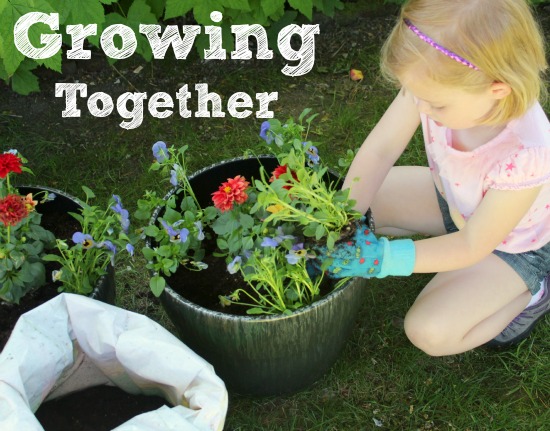
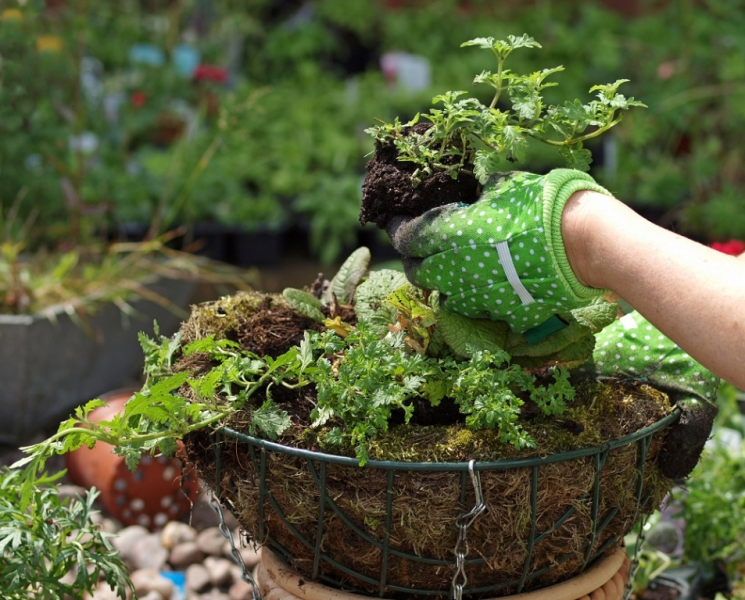
Planting up a mix of edible plants in a hanging basket can be a rewarding activity that you can share with your children or your loved one. Children of all ages can help plant and watch the plants grow in the summer and throughout the fall.
Getting started:
Plant combinations in one basket can create a delicious salad or a fruity snack. Such as a few strawberries, edible flower petals, feathery dill and leafy basil. To make caring for the planted basket even more child friendly, hang it eye- level so that everyone can see the plants growing. Children can also help with watering, collecting the petals, strawberries, or leaves from the basil.
Watering and feeding
The dill provides edible foliage and also grows quickly so is ready first and gives children a quick reward. A couple of marigolds will provide plenty of edible petals, which add a vivid orange color to any salad. Hanging baskets can dry out easily because of wind, sun, so adding compost soil to the dirt mixture can help. You can also hang your basket indoors in the kitchen for an easy way to add a few leaves or petals to any meal.
More edible suggestions
Tomatoes, such a single plant, can be planted ( cherry tomatoes) easy for little ones to pick and eat.
Lettuce needs plenty of moisture for the leaves to be sweet and tender.
Mint is one of the most popular herbs for kitchen gardeners because they can quickly harvest while cooking. You can grow most herbs from seeds or starter plants. If you’re starting from seeds, keep in mind that most herbs don’t like waterlogged soil, so it’s best to use a spray bottle instead of a nozzle to water your containers.
Most varieties of peas are easy to grow, and a great plant to start with your children. Peas grow quickly, providing an immediate reward. Plant peas in well-draining soil, and within just a few weeks you’ll be peas-fully shelling and snacking.
All of these plants are easy to grow, requiring little garden know-how and very little legwork. Keep in mind that these plants require well-draining soil. If you use a pot, make sure you have a tray underneath to collect water. Place your plants in areas with plenty of sunlight and remember to harvest regularly for the freshest and tastiest results.
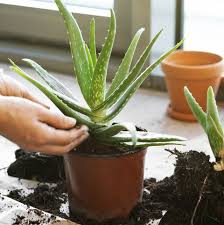
Aloe vera is a succulent plant species of the genus Aloe. The plant is stemless or very short-stemmed with thick, greenish, fleshy leaves that fan out from the plant’s central stem.
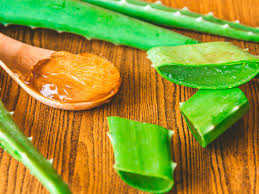
Aloe vera is gel from the leaves of aloe plants. People have used it for thousands of years for healing and softening the skin.
Planting tip for Aloe
Water aloe vera plants deeply, but infrequently. …
To ensure that you’re not overwatering your plant, allow the top third of potting soil to dry out between watering.
Aloes prefer dry soil conditions, and should be watered sparingly, particularly in winter when sunlight becomes scarcer. Watering once a week should be sufficient in warmer months, and about once every two weeks in winter.
Do you have any plant tips using or taking care of aloe? if so, post in the comments
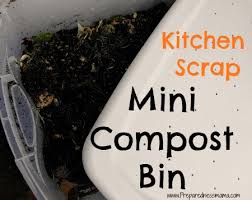
Starting your own indoor compost bin ranks on the easier side of home projects. All you’ll need is a suitable compost bin and all those food scraps from the kitchen that would normally go to waste. Time and nature take care of the rest.
Knowing how to keep a well-balanced compost bin will be your first line of defense in creating a bin that has little to no smell. Adding items to the compost bin that certainly shouldn’t be there, or adding the wrong balance of organic materials, will create an unpleasant odor that could make indoor composting impossible.Your compost bin needs five major components: Greens, browns, water, air, and soil.
Example of Greens: could use veggie leftovers, fruit waste like apple cores and banana peels, eggshells and even old bread. Anything , as long as it’s somehow plant-based. Animal products like meat and dairy should be kept out of the bin, as those will immediately lead to a smell.
Example of browns:anything carbon-rich, like coffee grounds, tea leaves, dry grass/leaves and untreated paper (like coffee filters). A general rule is a 2:1 green to brown ratio, but ratio estimates vary dramatically. If your pile is slimy, add more browns. If your pile is dry and slow to compost, add more greens.
Example of water: should be slightly damp, but not soaking, to the touch. Usually, kitchen scraps can keep this level of moisture, but you should check to make sure the compost pile isn’t drying out. Spray with water if the pile is dry.
Example of air: allow aerobic breakdown of the scraps in a way that doesn’t lead to a foul odor. Estimates vary for when you should turn your compost pile, but a general estimate is that you should turn it once or twice per week for decent aeration.
Example of soil:You’ll only need one scoop from outdoor dirt.
Follow our simple directions to create a compost bin that can turn everyday waste into fertile soil for your garden or indoor plants.
Materials
Sealable container
Drill
¼-inch drill bit
Charcoal air filter (optional)
Tape or glue
Scissors
Decorative scrapbook paper
Instructions:
Locate a sealable container you can use as a kitchen compost bin. Coffee containers, metal tins, plastic ice cream containers and small buckets all make great options
Use your drill and ¼-inch drill bit to create a series of holes in the lid of the container to allow air to circulate
Measure the height and circumference of your container, and use scissors to cut scrapbook paper to the appropriate dimensions. Wrap the scrapbook paper around the container and glue or tape in place
Store your compost bin somewhere you’ll remember to fill it, like under the kitchen sink or in a closet, cabinet, pantry or garage. Every other day, give it a shake or a stir to help circulate air
BEST MATERIALS FOR COMPOST
Flowers
Leaves
Paper towel rolls
Egg shells
Nut shells
Seafood shells
Coffee grounds
Lint
Pencil shavings
Old spices
Stale bread
Tea bags and grounds
Fruit and vegetable peels
Shredded paper: napkins, mail, tissues, newspaper and paper towels
Ideas to use your compost by freshening up your garden from flowers to shrubs, mix your compost into the soil that surrounds the base of plants in your garden. Also you can use your compost to feed your houseplants. Provide a fresh dose of nutrients for houseplants by blending compost into the top 1-2 inches of soil. Flower boxes, hanging flowers and patio plants can also benefit.
Frogs and other amphibians are important creatures, essential to our ecosystem. Providing them with a safe space in your garden is a great way to support their numbers while also gain the benefits of their pest-eating tendencies.
The best way to encourage frogs to visit your garden is by building a pond. Ponds are vital for amphibians as they are where they reproduce. Frogs rely on a network of ponds so that they can move safely between habitats, so the more ponds in your neighborhood that are readily available, the better.
There are a few key things to remember when building a pond:
Build your pond in an area with partial sun/partial shade and make it around 60cm deep.
Ensure at least one side of your pond slopes to a shallow area, to allow frogs to enter safely. If this isn’t possible, adding a ramp or stones and rocks (which the frogs can use as ‘stepping stones’) works too.
Provide vital cover around the pond edges with plants, rocks and vegetation. These areas will also work as habitats for wildlife visiting the pond.
Steer clear of introducing fish into your pond – they eat frogspawn and tadpoles and therefore should be avoided if you’re looking to make a pond for frogs.
Toads/ Frogs like damp, cool spots and therefore need access to areas nearby the pond where they can hide away from the sun and potential predators. Give them places to hide by creating messy areas full of leaves, log piles and vegetation. Alternatively, placing some plant pots on their sides and partially burying them will provide much-needed shelter for any frogs visiting your garden. Chemicals are a big no-no if you want to attract frogs to your garden. This is because frogs breathe and drink through their skin, so they are particularly sensitive to toxic chemicals. As frogs eat the majority of pests anyway, there is no need for pesticides in a frog-friendly garden.
Why attract frogs/ toads to the garden?
By attracting frogs and other amphibians to your garden, you are effectively providing them with a place to live and breed. While frogs might seem in abundance in certain areas, their numbers are actually in decline due to loss of breeding habitat – many ponds are often filled for building development. By building a pond in your garden you can help bring those numbers up and encourage biodiversity.
Another benefit of attracting frogs to your garden is that they are excellent pest-eaters. Frogs, newts, and toads are all brilliant at gobbling up slugs, snails and other invertebrates, so you can count on them to keep your garden pest-free.
Adding a frog house to the garden can help keep your little frogs stay safe. Place it on bare ground out of direct sunshine, near a pond or damp area of the garden. Many amphibians will also appreciate the addition of moss or stones to the inside of the house to keep it cool and humid.
You can find several frog house ideas on Pinterest, you can follow our Gardening board to see ideas!
Frogs like damp, cool spots and therefore need access to areas nearby the pond where they can hide away from the sun and potential predators. Give them places to hide by creating messy areas full of leaves, log piles and vegetation. Alternatively, placing some plant pots on their sides and partially burying them will provide much-needed shelter for any frogs visiting your garden. Chemicals are a big no-no if you want to attract frogs to your garden. This is because frogs breathe and drink through their skin, so they are particularly sensitive to toxic chemicals. As frogs eat the majority of pests anyway, there is no need for pesticides in a frog-friendly garden.
Why attract frogs to the garden?
By attracting frogs and other amphibians to your garden, you are effectively providing them with a place to live and breed. While frogs might seem in abundance in the UK, their numbers are actually in decline due to loss of breeding habitat – many ponds are often filled for building development. By building a pond in your garden you can help bring those numbers up and encourage biodiversity.
Another benefit of attracting frogs to your garden is that they are excellent pest-eaters. Frogs, newts, and toads are all brilliant at gobbling up slugs, snails and other invertebrates, so you can count on them to keep your garden pest-free.
Adding a frog house to the garden can help keep your little frogs stay safe. Place it on bare ground out of direct sunshine, near a pond or damp area of the garden. Many amphibians will also appreciate the addition of moss or stones to the inside of the house to keep it cool and humid.
You can find several frog house ideas on Pinterest, you can follow our Gardening board to see ideas!
Feeling Goth or Dark Chic? Plants of darker shade have an exotic appearance that appeals to many people. If you are among those who are attracted to black plants, then having one indoors can definitely bring a little dark drama in your home.
The dark purple variegated foliage crisscrossed by red stems make this plant a showstopper. This rare peperomia variety likes partial shade and not too much water. You should also avoid frequent re potting, but do make sure it has enough room to grow.
Unlike most leafy houseplants, this is a slow-growing plant, and it will usually remain compact, which makes it perfect for small spaces such as windowsills or desks.
However, if you do set it on a windowsill, make sure it’s not a south-facing one. Keeping the plant in relative shades prevents it from becoming bleached. There are over 1000 cultivars of peperomia, so hunting for your desired color combo might turn into quite an adventure.
Aeonium “Black rose” will thrive in full sun and well-drained soil.
While you can give it water once a week during long and sunny summer days, aeonium should be allowed to rest during winter, so it’s best to reduce watering to once a month. However, don’t let it go thirsty for too long, because it might start losing lower leaves around the rosettes if it dries out too much. Make sure you check the soil before watering it, if the soil is dry to the middle of the container, then its time to water it. Aeonium can grow up to 30 cm (12 inches) tall, though it rarely reaches this length when it is grown indoors. The dark burgundy rosette needs at least a few hours of full sun to keep its dark appearance, so if you’re growing it in the shade, aeonium will turn reddish-purple.
Alocasia plants thrive outdoors, and they make excellent statement pieces in a garden. Their thick-veined and almond-shaped leaves can get very large in a south-facing garden. Lately, alocasia plants, also known as “elephant ears,” are becoming popular as indoor plants. Unfortunately, this comes with the undesired side-effect of making them hard to find in stores or from online retailers.
If you can’t find the black velvet plant , then I would suggest buying Alocasia Polly instead – its dark green foliage is beautiful and the plant is much easier to find online.
Alocasias will thrive in a warm and humid environment, so placing it close to a cooking area – or the shower – might be your best bet to keep this plant happy.
Begonia “Black fancy” will not break your heart. In fact, it will reward you with light-pink flowers in early spring. Like all begonias, it does best in bright light in a warm and humid spot (if you keep it indoors, that is). This rhizomes hybrid with medium sized black leaves will stay compact and bushy, if you pinch the flowers once they’re spent.
So when you want to add a little drama to your indoor plants try one of these cool black dramatic houseplants for any room.
We’re just inviting you to take a timeout into the rhythmic ambiance of our breakfast, brunch and/or coffee selections. We are happy whenever you stop by.