Vertical Garden trend

When you lack garden space, you still have plenty of vertical space. There are plenty of vegetables you can grow vertically in small areas. Vertical gardening is growing plants on a support such as a stake, trellis, cage, or fence. Pole beans, peas and tomatoes are commonly grown this way. But other vining crops such as cucumbers, squashes—both summer and winter, and melons can also be grown vertically. Not only does it add a visual aspect and beauty to your garden, but it also helps increase air circulation and decrease pests and diseases. Healthy vegetable plants produce larger harvests, so you can expect quite a bounty from these plants.

Not all vegetables grow vertically, so I picked the best choices to add to your garden.

Types of peas – snow peas, snap peas, and garden peas – grow well vertically. They don’t require any fancy kind of support system. It can be as simple as a twin trellis. Pea plants have tiny, delicate tendrils that carry the vines upwards, gripping onto any support type. It doesn’t take much work from you, and pea plants are vigorous growers. My kids love to eat garden peas off the vine, but pea plants can cover an entire arch with long, delicate vines filled with blossoms and pods.

You should know that pea plants are a cool-season crop, so they should only be grown in the spring and fall times. In the summer, you can replace them with pole beans or any other vining crop.

Green beans, wax beans, and French filet beans grow vertically, climbing up any strong trellis that you can create. Some plants easily reach 8-10 feet high. The bonus of growing pole beans rather than bush beans is that pole beans produce all growing season.

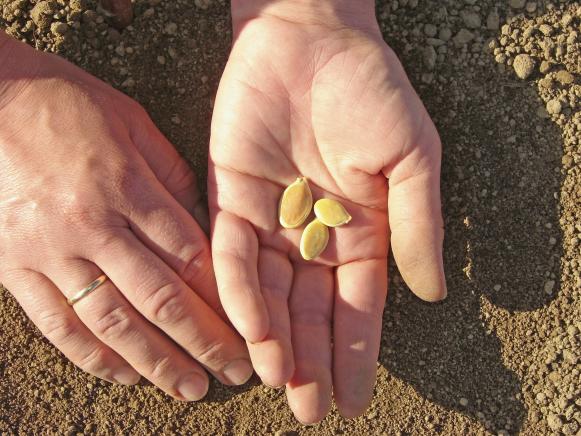
Try growing small pumpkins vertically, , such as baby pumpkins, on different support systems. You do need to make sure whatever vertical support you select is strong enough to handle the weight.

Vining tomatoes can be trained to grow up a vertical structure. Unlike determinate or bush tomatoes, these types continue to grow from the tip of the plant, and they handle structures like cages or poles.

Summer squash plants, like zucchini, love to spread out and take up valuable space in your garden. They tend to spread over to neighboring plants and choke them out.

Many summer squash varieties are bush or semi-vining plants, which can be hard to train on a trellis. A few types produce more massive vines that can be grown vertically. Remember that these plants aren’t natural climbers, but they’re natural vines. You will need to weave the vines around whatever support system you use regularly. Twine can be used to secure the vines.

These are a few veggie plant ideas to start your own vertical garden, be creative and find something that works for you and your unique situation. Growing a vertical vegetable garden is the perfect way for urban gardeners and others to still enjoy a bountiful harvest of freshly grown vegetables without taking up their already limited space.

Types of Air Plants

If you have an air plant, one of the most important things you can learn about it is exactly what type of air plant you own! Believe it or not, there are dozens of varieties of Tillandsia, and they often have their own individual care needs. Here’s how to identify air plants and care for them.

Air plants just about the coolest and most versatile indoor plants you can adopt. The Tillandsia species doesn’t require soil to grow, as they absorb water through their leaves. Even more fun? There are many different types of air plants! They come in a ton of different sizes and shapes, ranging from tiny delicate cones to huge thick tentacles. Often when people refer to air plants, they don’t know which type of air plant they have. This is crucial info to have, as the different varieties often have different care needs.

Getting to Know the Air Plant Varieties

The T. stricta ‘Black Tip’ is a small-to-medium sized dark green air plant with vertical, pointed leaves that deepen in color at the ends.

Special Notes: this is considered one of the easiest air plants to grow, so it’s great for beginners.

T. ionantha v. rubra

This type of air plant is a small, ball-shaped air plant with bright green leaves that deepen to a crimson color in the center of the plant. It is heavily covered in trichomes, giving it a fuzzy appearance. ( these are found at our shop on Etsy: www.printhousedesign.com)

T. ionantha ‘Conehead’

The Conehead air plant is large and shaped like a spiky pinecone. The foliage blushes bright red when flowering, and it produces a beautiful purple flower spike. The leaves grow more upright than many other air plants, giving it its characteristic compact cone shape.

T. tectorum (AKA Snowball)

The snowball is a fluffy, white air plant with hair on their leaves called trichomes that give it the attractive snowball effect. It comes from Peru where it prefers a drier climate. Snowball won’t do as well in a hot, humid climate so this is a perfect indoor air plant. T. tectorum is rare, and therefore quite a bit more expensive than some other varieties.

Special Notes: give T. tectorum lots of air circulation and let it dry well between watering. Only bathe this air plant and save the misting for humidity-loving varieties.

T. xerographica (AKA the King of Tillandsias)

There’s a good reason this is known as the King of Tillandsias! It is a very large (up to three feet in diameter!) rosette-shaped air plant with silvery-blue leaves. T. xerographica is native to dry forests of Mexico, El Salvador, and Guatemala.

Tillandsia bulbosa really don’t require much water to thrive. If they need additional water, a (very) light misting should be sufficient. For open terrariums and vivarium’s you may need to mist them once every few days.

DIY Planter Ideas

Plants are beautiful elements of décor that are eco-friendly and sustainable. The pots that are used to hold these living beauties are a different story. In most cases the plant comes with a thin plastic planter that does not look great and is also not durable. Instead of going shopping for a new planter, consider these 10 ways to take items you already have and up-cycle it into a gorgeous and creative planter. 

A water can planter: It is a popular look to fill a backyard with typical gardening tools as lawn decor, and we see why! Taking gardening elements and turning them into planters is an adorable way to use an old item in a creative and eco-friendly way. Use a watering can or old wheelbarrow as a new planter to complete this look for yourself. 

Tires are ideal resources to repurpose because they are durable, large, and usually free! In addition, tires are horrible to just throw away. By repurposing tires into large planters, you are doing so much more for the environment and benefiting your yard as well!

Take an old chandelier and show it some love with a new coat of paint and plants. This look is perfect to fill with a plant similar to ivy that will hang down from the planter chandelier. This planter will shine in your outdoor or indoor living space!  

Toolboxes, tackle boxes, and suitcases seem like they are already planters ready to display our gorgeous new plants with style and flare! 

A stackable, modern, and creative approach to planters is by reusing cement cinder blocks. These blocks can be painted or stacked to fix any space perfectly. The touch part is deciding where you want the planters to go, and how you will customize them to fit your desired style!

Basket planters, these can be used hanging or sitting on the patio.

You can also find very unique animal planters at Printhousedesign.com from ocean theme to woodland theme. These planters are perfect for small succulents or air plants.

How to water succulents

Succulents store extra water in their leaves, stems, or roots, which gives them the ability to survive a while between waterings (sometimes a month or more). Because they have a reputation for being drought-tolerant and growing in dryer climates many people don’t realize that when you bring them into your home or garden, they still need to be watered regularly. In order to keep your succulents thriving it’s not a good idea to force them to go without water for weeks or months at a time. 

Giving these water-thrifty plants little splashes of water here and there won’t work, give them a good soaking until water runs out the drainage holes at the bottom of the pot. Be sure to empty the extra moisture from the saucer beneath the plant pot; too much wetness will rot the roots. Then let the soil dry out completely before watering again. Check the soil a week after watering; if it still feels moist, wait another week.

Watering succulents outdoors ….
Summer is a good time to move your potted succulents outdoors. Though they love sun, give them a chance to acclimate to outdoor conditions by placing them in a partially shaded area before moving to a sunnier location. Keep them out of morning sunlight and late afternoon intense sun. Outdoor plants generally need more water than indoor plants. Again, your conditions will dictate how often succulents will need water. Start by checking on a weekly basis, paying attention to the condition of the potting soil and whether it’s bone dry or still has some moisture. Succulents (and cacti) grown in shallow containers may need water every few days.

These little watering tips should  help you with your favorite succulent.

Gardening Hacks

Gardening Hacks can be a great way to help you along your planting and taking care of your veggies and flower garden this season. Below I have listed eight different and useful garden hacks for this gardening season.

Coffee grounds are an excellent addition to your gardening routine. You can use them indirectly in your compost, fertilizer, or mulch. Plus, they are a wonderful deterrent to add around your garden edge to keep critters away from your plants. This is one of the best garden hacks that is practically free!

This hack is something I love! Add coffee filters into the bottom of your planters before adding soil. They allow water to soak through, but keep the soil in the pot rather than falling out through the holes. This saves your outdoor space and is ideal for keeping mud out of your house if you have indoor plants.

Since my family eats so many eggs, it’s easy to throw those eggshells right into the compost to help add richness to our natural fertilizers. That’s not the only use for them! We also save a few to use for starting seedlings in the springtime and to use as mulch around trees and bushes. They are a wonderful addition to our garden routine and even benefit the wildlife as many birds and wild animals will eat the shells instead of our garden.

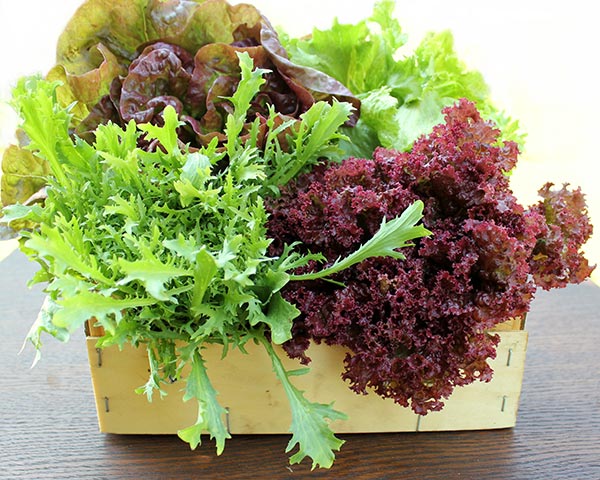
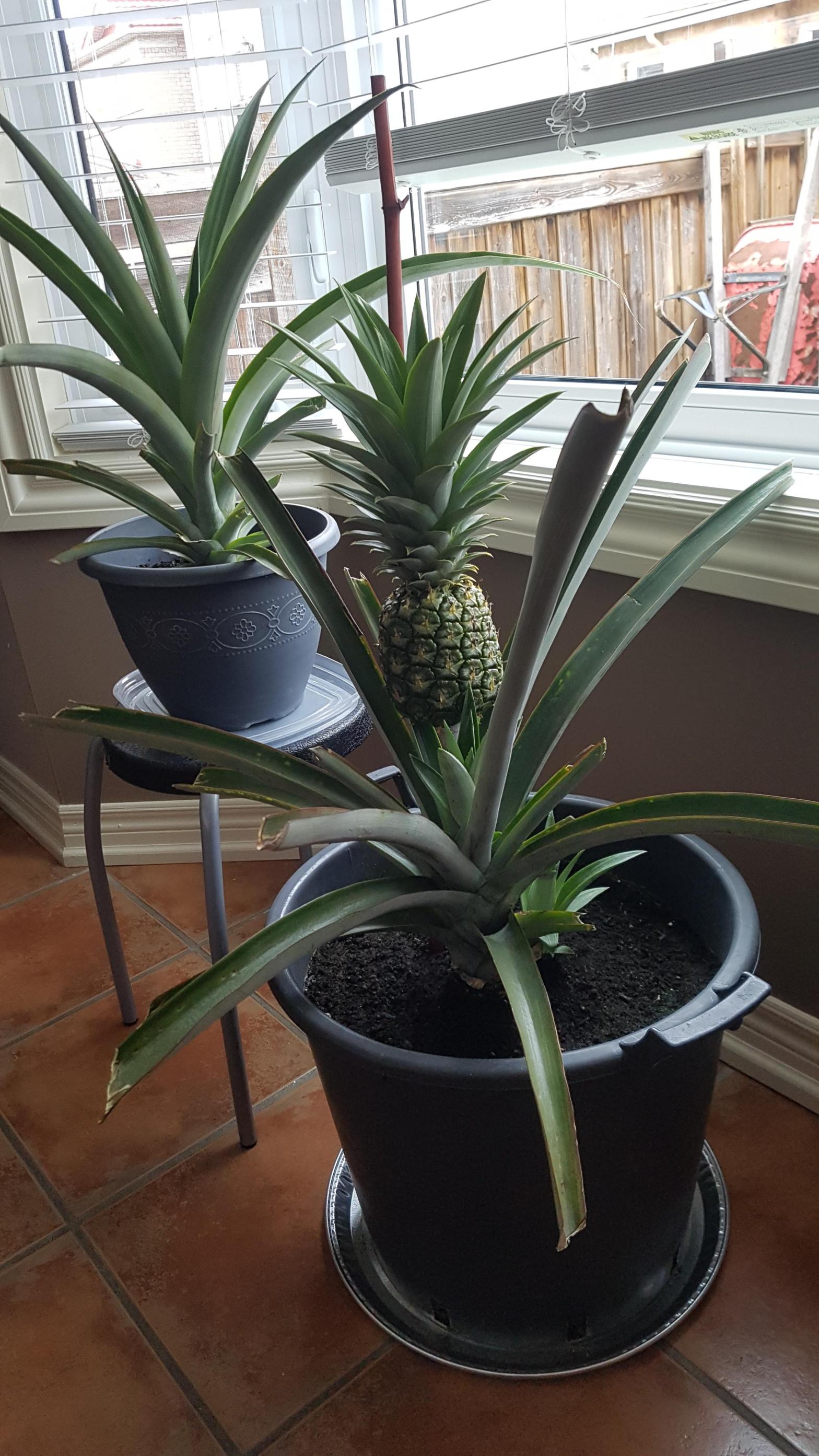
One of my favorite hacks for gardening is to regrow vegetables from end pieces soaked in water! Tons of regular vegetables from the grocery store can be regrown with fresh new produce just by placing the root into water.  It is easy to regrow lettuce, onions, and other small vegetables or herbs. You can follow this link to see over 20 different vegetables to grow in water.

https://www.diyncrafts.com/99203/home/gardening/27-plants-and-fruits-you-can-grow-in-water

Deterring birds away from your planted veggies this hack is all about training birds to not go after your red fruits and vegetables.  Hang a red ornament or red rock around your tomatoes or strawberries. The birds they will try to peck at the rock or ornament, and the result is unpleasant so they don’t do it again.

Fill a laundry basket with soil and utilize the existing holes for growing plants. This works best with berries, but can also be used for a number of plants. Add in flowers, potatoes, strawberries, and even peppers to this basket and create a pretty and useful addition to your garden.

Have an old pair of blue jeans that are too small or have holes in them? Turn them into an easy useful garden apron with just a few cuts of your scissors. This can be done completely no-sew, or you can add a few extra additions like a fabric top or a pretty belt if you wish.

Gardening isn’t just about putting seeds into the dirt. There are many pieces to the puzzle of how to make your garden produce large amounts of vegetables or fruits. Mulch around the plants is just one of the factors to consider, and there are a variety of options in this post to help you know how best to mulch around your garden.

I hope these 8 gardening hacks can help you create a fun and useful garden this year!

Home is Where the Boat Is

Potting, Puttering & Pontooning

Cats and Trails and Garden Tales

Musings on cats, travel, gardens and life

Leaf And Twig

Where observation and imagination meet nature in poetry.

phillipsplace

A new beginning, mobile home living, adding our style inside and out.

Ruth E. Hendricks

Daily Journal of Life in Pittsburgh

The Haute Mommy Handbook

Motherhood Misadventures + Creative Living

Suzanne's Mom's Blog

Arts, Nature, Good Works, Luna & Stella Lockets & Birthstones

𝑻𝒐𝒓𝒏𝒂𝒅𝒐 𝑶𝒇 𝑪𝒉𝒂𝒐𝒔 🌪

Thoughts, experiences and learnings in a turbulent time

Sarah Rajkotwala - Author & Spiritual Teacher blog

Gardening Fairies Flowers Spirituality Angels Love Joy

Ideas and Advice for How To Live a Joyful and Empowered Life.

All Things Empowering - Healing Ourselves & Earth, Self-Sufficiency, Food Forests, Gardening, Art, Road Trips, Preserving, Foraging, Permaculture, Homesteading and More!

AmericaOnCoffee

We’re just inviting you to take a timeout into the rhythmic ambiance of our breakfast, brunch and/or coffee selections. We are happy whenever you stop by.

Heart to Hearth Cookery

Sharing my Experimental Archaeology of Food

The Herb Society of America Blog

Learn • Explore • Grow