
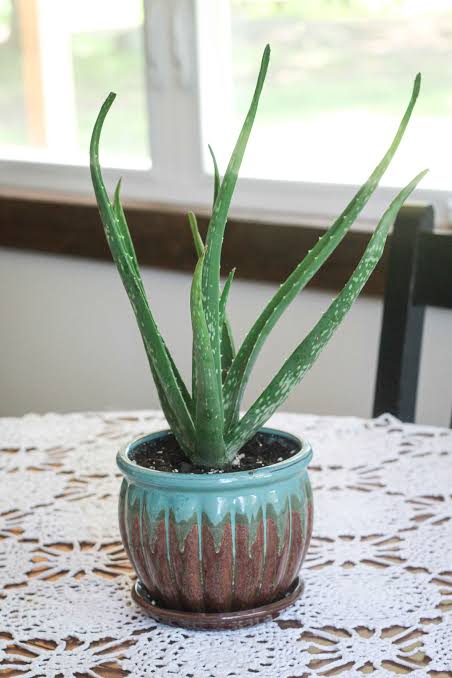
Aloe vera is one of those wonderfully easygoing plants that doesn’t ask for much—but as the seasons change, your aloe’s care routine should change, too. 🍂☀️
As fall arrives and daylight hours become shorter, aloe vera naturally slows its growth. During winter, it may enter a period of dormancy, meaning it uses less water and grows very little. This is completely normal! The biggest mistake we can make during this quiet season is treating our aloe like it is still actively growing in summer.
Here are a few simple ways to help your aloe stay healthy and happy until spring.
🍂 Fall: Start Slowing Down
In the fall, begin reducing how often you water your aloe. Cooler temperatures and shorter days mean the soil takes longer to dry, so your plant doesn’t need water as frequently.
If your aloe has been growing outdoors, bring it inside before temperatures get too chilly. Aloe vera is sensitive to cold and should be protected from frost; Missouri Botanical Garden recommends bringing outdoor plants indoors before nighttime temperatures drop below about 50°F.
Fall is also a good time to move your aloe to the brightest location in your home.
☀️ Give Your Aloe Plenty of Light
Aloe loves bright light year-round. A south- or west-facing window is an excellent location indoors, although a bright east-facing window can work as well.
Because winter days are shorter, your aloe may not receive as much light as it did during summer. Watch for leaves becoming pale, stretched, or unusually floppy—these can be signs that your plant needs more light.
Garden tip: Rotate your aloe every week or two so all sides of the plant receive good exposure and it grows more evenly.
If your home doesn’t get enough natural light, a grow light can help supplement what your aloe is missing.
💧 How to Water Aloe in Fall & Winter
This is where a little restraint goes a long way!
Aloe vera is a succulent, so its thick leaves store water. Overwatering is much more dangerous than underwatering, particularly during the cooler months.
Before watering, check the soil with your finger. Allow the soil to dry thoroughly between waterings. When it is time to water, give the plant a good, thorough drink and allow excess water to drain completely through the drainage holes.
Then—and this is important—don’t leave your aloe sitting in water.
During fall and winter, you may find that watering every 3–4 weeks or even less frequently is enough, depending on the temperature, light, pot size, and how quickly the soil dries. There isn’t a perfect calendar schedule; the soil itself is your best guide.
🌱 A Simple Aloe Watering Rule
If the soil is still damp → wait.
If the soil has dried thoroughly → water deeply, then let it drain.
If you’re ever unsure whether it’s time to water, waiting a few extra days is usually safer than adding more water.
❄️ Winter Aloe Care
Think of winter as your aloe’s slow season.
Your plant may barely grow, produce fewer—or no—new leaves, and generally look like it is taking a little vacation. That’s okay!
During winter:
- Keep your aloe in the brightest spot possible.
- Water much less frequently than you would during summer.
- Allow the soil to dry thoroughly between waterings.
- Never allow the pot to sit in standing water.
- Keep it away from cold drafts and freezing temperatures.
- Skip heavy feeding while the plant is dormant.
Aloe tolerates dry indoor air quite well, so you don’t need to mist it or add extra humidity.
🪴 Don’t Forget the Pot!
Good drainage is one of the secrets to keeping aloe happy. Choose a pot with drainage holes and use a well-draining cactus or succulent potting mix. This allows excess moisture to escape instead of lingering around the roots.
Aloe really doesn’t want “wet feet.” Too much moisture around the roots can lead to root rot, especially when growth has slowed down.
🌸 Let Your Aloe Rest
One of the best things you can do for your aloe this fall and winter is leave it alone a little more.
We often think a plant needs more attention when it isn’t growing, but with aloe, the opposite is often true. Give it bright light, well-draining soil, occasional deep watering when the soil is dry, and protection from cold.
Then, when spring arrives and the days become longer, you’ll likely see your aloe wake back up with fresh growth. 🌱
Remember: Aloe doesn’t need to be pampered—it needs the right conditions. Less water, plenty of light, and a little seasonal patience can help your aloe thrive year after year.
🌿 Garden Question
Do you have an aloe vera plant at home?

