
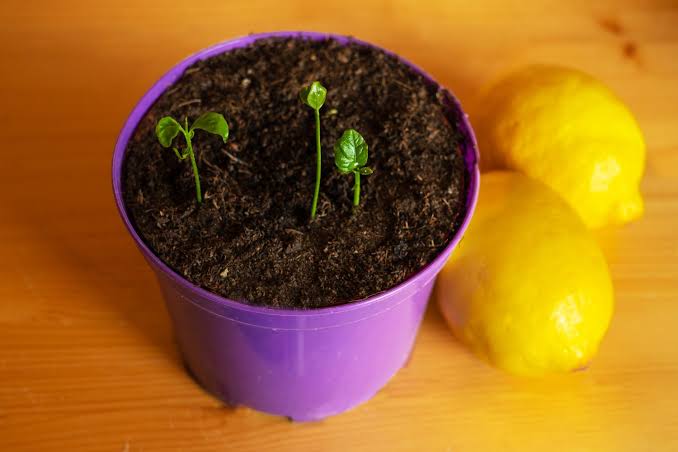
Have you ever wondered if you could grow your very own lemon tree from a lemon you bought at the grocery store? Good news—you can! With a little patience, sunshine, and the right care, that tiny lemon seed can become a beautiful little citrus tree for your home or patio.
Growing a lemon tree from seed is one of those gardening projects that feels almost magical. You start with something most people would simply toss into the compost bin, tuck it into some soil, and eventually watch a tiny green sprout emerge.
But there is one thing every gardener should know before getting started: a seed-grown lemon tree is a long-term gardening project. It can take several years to reach fruiting size, and seed-grown citrus may not produce fruit exactly like the parent lemon. If your main goal is harvesting lemons quickly, a grafted or established Meyer lemon tree is a better choice.
If you’re gardening for the fun of it, though, growing one from seed is absolutely worth trying!
🌱 What You’ll Need
You don’t need fancy equipment to start your lemon tree.
Gather:
- 🍋 A fresh lemon with healthy, plump seeds
- 🪴 A small pot with drainage holes
- 🌱 Well-draining potting mix
- 💧 Water
- ☀️ A warm, bright location
- 🌿 A larger container for transplanting later
For the best chance of germination, choose fresh, healthy-looking seeds directly from the fruit. Rinse away the sticky fruit pulp before planting. Fresh citrus seeds can germinate in warm, moist conditions, often within a few weeks.
🍋 Step 1: Remove and Clean the Seeds
Cut open your lemon and look for several plump, healthy seeds.
Carefully remove them and rinse them under water to remove as much fruit pulp as possible.
Don’t allow the seeds to dry out completely. Fresh citrus seeds tend to perform best when planted soon after removing them from the fruit.
Garden tip: Plant several seeds instead of just one. Not every seed will germinate, and growing a few gives you a better chance of ending up with a strong little seedling.
🌱 Step 2: Plant Your Lemon Seeds
Fill a small container with a lightweight, well-draining potting mix.
Make a small hole and plant the seed approximately ½ inch deep. Cover it gently with soil and water thoroughly.
The soil should be moist but not soggy.
Place your pot somewhere warm and bright. Citrus seeds appreciate warmth while they’re getting started, so avoid putting the container in a chilly location.
Then comes the hardest part of gardening…
Wait! 🌱
Depending on conditions, lemon seeds may sprout within several weeks, although some can take longer.
☀️ Step 3: Give Your Seedling Plenty of Light
Once your little lemon sprout appears, give it as much bright light as you can.
Lemon trees are sun-loving plants, and good light becomes especially important as the tree develops and eventually produces flowers and fruit. Meyer lemon trees grown in containers generally perform best with several hours of direct sunlight each day.
A sunny south-facing window can work well indoors.
If your home doesn’t receive enough natural sunlight, a grow light can help supplement the available light.
💧 Step 4: Water Carefully
One of the easiest ways to get into trouble with container-grown citrus is watering too much.
Lemon trees like moisture, but their roots don’t want to sit in constantly soggy soil.
Allow the surface of the potting mix to dry somewhat before watering again, then water thoroughly and allow excess water to drain away. Overwatering can damage roots and contribute to leaf and fruit drop.
Remember: Your pot absolutely needs drainage holes.
🪴 Step 5: Move Your Lemon Tree Into a Larger Pot
As your seedling grows, its roots will eventually need more room.
When the plant has become established, transplant it into a slightly larger container filled with fresh, well-draining potting mix.
Don’t immediately put a tiny seedling into an enormous pot. A container that’s too large can hold excess moisture around the roots.
As the tree grows, gradually increase the container size.
For long-term container growing, Meyer lemons are particularly popular because they remain relatively compact compared with many other citrus trees.
🌿 Feeding Your Lemon Tree
Once your lemon tree is actively growing, it will appreciate regular feeding.
Use a fertilizer formulated for citrus and follow the label directions carefully. Citrus trees have a relatively high nutrient demand during active growth.
Avoid the temptation to think “more fertilizer means more lemons.”
It doesn’t.
Too much fertilizer can actually cause problems, so follow the recommended application rate.
🌸 When Will My Lemon Tree Produce Lemons?
Here’s where patience becomes your best gardening tool.
A lemon tree grown from seed may take many years to reach fruiting age, and the resulting fruit isn’t guaranteed to match the lemon from which you collected the seed. One extension expert notes that seed-grown Meyer lemons can take around 10 years to fruit.
That means this isn’t quite the same as planting a tomato seed and harvesting tomatoes later in the summer.
Think of it as a garden heirloom project.
You’re growing a tree and watching it develop over time.
If you want fruit sooner, purchasing an established, grafted citrus tree is usually the better route. Dwarf citrus trees are also available specifically for container growing.
🍋 Want Better Chances of Growing Fruit?
If your goal is eventually harvesting lemons from your patio or indoor garden, consider an Improved Meyer Lemon.
Meyer lemons are especially popular with home gardeners because they can be grown successfully in containers, produce fragrant flowers, and have fruit that’s generally sweeter and less acidic than standard lemons.
They are also self-pollinating, meaning you don’t need a second lemon tree simply for pollination.
When grown indoors, however, you may need to help pollinate the flowers by gently brushing pollen between blossoms with a small, soft paintbrush.
🏡 Growing Lemon Trees Indoors
Lemon trees can make beautiful houseplants when given the right conditions.
Choose a bright location with plenty of sunlight. Keep the plant away from cold drafts and heating vents, and pay attention to watering during the winter when growth slows.
If your tree spends the warmer months outdoors, transition it gradually when moving it back inside. Sudden changes in light and temperature can cause leaf or fruit drop.
And don’t be surprised if your lemon tree suddenly fills your home with the most wonderful citrus blossom fragrance.
Those little white flowers can be one of the best parts of growing citrus! 🌸🍋
🌳 A Lemon Tree Is a Long-Term Garden Project
Growing a lemon tree from seed isn’t necessarily about getting a basket of lemons next season.
It’s about the experience.
It’s watching a tiny seed crack open.
It’s seeing the first green leaves appear.
It’s moving that little seedling into its first real pot.
And years later, you may look at that tree and remember the lemon you ate when this whole adventure began.
That’s one of the reasons I love growing plants from seed.
A seed may look small and insignificant, but inside it is the beginning of something much bigger.
🍋 My Lemon-Growing Tips
☀️ Give it light: Lemon trees need plenty of bright light for strong growth and fruit production.
💧 Don’t overwater: Moist, well-draining soil is much better than constantly soggy soil.
🪴 Give roots room: Move your tree into progressively larger containers as it grows.
🌿 Feed during active growth: Use a citrus fertilizer according to the label.
🌸 Be patient: Seed-grown citrus can take years to produce fruit.
🍋 Consider Meyer lemon: If fruit is your ultimate goal, an established or grafted Improved Meyer lemon is generally a more predictable choice for container growing.

