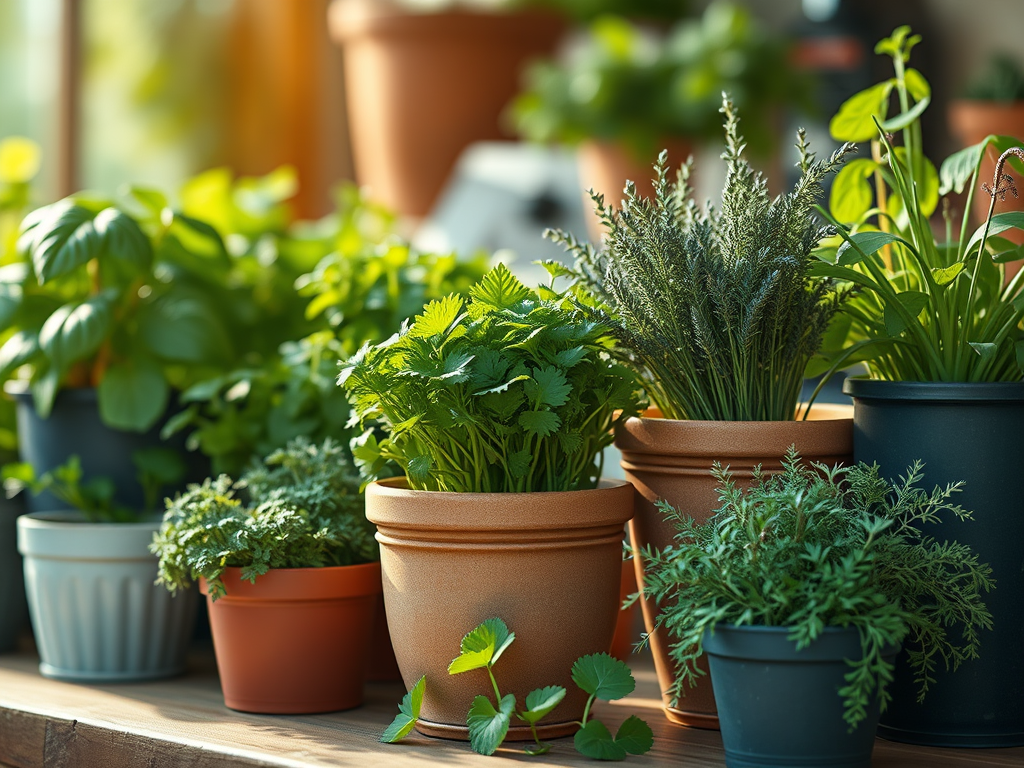
How to Propagate Rosemary

Rosemary is one of those herbs that wants to be shared 🌿—and propagating it is surprisingly easy. If you’ve got one healthy plant, you can turn it into many with just a little patience.

How to Propagate Rosemary (Step-by-Step)

What you’ll need:

  • A healthy rosemary plant
  • Clean scissors or garden snips
  • A small jar of water or a pot with well-draining soil
  • Optional: rooting hormone (not required)

1. Take a Cutting

Choose a soft, flexible stem (new growth works best). Snip a 4–6 inch piece just below a leaf node. Avoid woody, brown stems—they’re slower to root.

2. Prep the Cutting

Strip the leaves from the bottom 2 inches of the stem. This is where roots will form. Keep the top leaves intact.


3. Root It (Two Easy Methods)

Water Method (great for beginners):
Place the cutting in a jar of water, making sure no leaves sit below the water line. Set it in a bright spot with indirect light. Change the water every few days. Roots usually appear in 2–4 weeks.

Soil Method (stronger roots long-term):
Dip the cut end in rooting hormone (optional), then plant it into a small pot filled with well-draining soil. Lightly water and keep the soil slightly moist—not soggy.


4. Give It the Right Environment

Rosemary loves warmth and light. Place cuttings near a sunny window or under grow lights. Avoid harsh, direct sun until roots form.


5. Transplant & Grow

Once roots are about 1–2 inches long, transplant water-rooted cuttings into soil. After a few weeks, you’ll have a sturdy new rosemary plant ready for the garden or a sunny windowsill.


Pro Tip 🌱

Spring and early summer are the best times to propagate rosemary, but indoor propagation works year-round if your plant is healthy.

Before you know it, you’ll have enough rosemary for cooking, gifting, and maybe even a little herbal magic ✨

Garden books to help a beginner plan and grow a successful spring garden

Here are 4 highly-recommended garden books to help a beginner plan and grow a successful spring garden—great for everything from soil prep and seed starting to planting schedules and plant care:

🌱 1. The Vegetable Gardener’s Bible by Edward C. Smith

A go-to classic for new gardeners, this book breaks down soil preparation, raised bed gardening, organic techniques, and plant care in a way that’s easy to follow. It also includes profiles of popular vegetables and how best to grow them. Healthy Green Savvy

🌼 2. Rodale’s Basic Organic Gardening

Perfect if you want to grow healthy plants the natural way. It covers essentials like choosing plant varieties, preparing soil, watering, weed and pest control, and general seasonal to-dos—a gentle but thorough introduction. Healthy Green Savvy

🌿 3. Plant Grow Harvest Repeat by Meg McAndrews Cowden

This one gives practical, seasonal guidance with sowing charts and garden planning tips keyed to the real rhythms of the growing year—very helpful for planning a spring garden and keeping it productive through the seasons. Hachette Book Group

🍅 4. Veg in One Bed: How to Grow an Abundance of Food in One Raised Bed, Month by Month by Huw Richards

Focused on simplicity and manageable space, this book walks you through a month-by-month gardening plan that’s awesome for beginners and helps take some of the guesswork out of what to do and when for your spring planting. Brick Street Home


Quick tip: For beginners, having one general guide (like The Vegetable Gardener’s Bible) plus a seasonal planner (like Plant Grow Harvest Repeat) makes spring garden prep feel way less overwhelming.

Here are some great flower-focused garden books perfect for beginners who want to plan and grow a blooming beautiful spring garden 🌸:

📚 Flower Gardening Beginners Should Love

🌼 Floret Farm’s Cut Flower Garden by Erin Benzakein
One of the most recommended books for new flower gardeners. It walks you through planning, growing, harvesting, and even arranging beautiful flowers — with tons of inspiring photos and beginner-friendly tips. Tree Care Zone+1

🌸 The Flower Gardener’s Bible: A Complete Guide to Colorful Blooms All Season Long by Lewis and Nancy Hill
A classic all-in-one guide that helps you choose flowers, prep soil, plant for blooms all season, and care for your flower beds. It’s full of practical advice and covers loads of varieties. Simply Smart Gardening

🌷 Flower Gardening for Beginners by Amy Barene (or similar beginner guides)
Straightforward, step-by-step instructions for planning your plot, choosing flower varieties, understanding soil and climate needs, and growing thriving blooms. BookAuthority

🌾 Floret Farm’s A Year in Flowers by Erin Benzakein
More than just a growing guide, this one celebrates flowers through the seasons — giving you inspiration, seasonal planting advice, and projects for harvesting and arranging your blooms.

As spring approaches, the right garden book can be just as important as the right seeds. Whether you’re dreaming of rows of fresh vegetables, a cutting garden full of blooms, or a simple backyard oasis, these beginner-friendly books offer guidance, inspiration, and the confidence to get growing. Start small, learn as you go, and don’t be afraid to get your hands dirty — every garden begins with curiosity and a little patience. Here’s to a season of fresh starts, muddy boots, and watching your garden come to life. 🌱🌸

Ladybugs in Winter: Why They Visit Your Home & Why Gardeners Love Them!

If you’ve spotted a bright little ladybug crawling along your window or wall this winter, you’re not alone. As temperatures drop, these tiny garden heroes go on the hunt for warmth—and sometimes our cozy homes look like the perfect winter hideaway.

Why Ladybugs Come Inside in Winter

Ladybugs (also called lady beetles) are not pests—they’re survivors. When cold weather arrives, they naturally seek shelter to overwinter. In the wild, they tuck themselves into tree bark, leaf piles, rock crevices, or logs. In neighborhoods, homes can accidentally mimic those safe spaces.

Sunny walls, windows, attics, and cracks around doors often attract them. Once inside, they’re simply resting—not breeding, biting, or causing harm.

What It Means When You See Ladybugs Indoors

Seeing ladybugs indoors during winter is a seasonal behavior, not a sign of an infestation. It often means:

  • The weather shifted quickly
  • Your home has warm, sunlit entry points
  • Ladybugs nearby are looking for a safe place to wait out the cold

They’re harmless and usually just a little lost.

How to Gently Remove Ladybugs From Your Home

Because ladybugs are beneficial insects, it’s best to treat them with care. Avoid sprays or squishing—they release a yellow defense liquid that can stain and attract more insects.

The gentle way to relocate them:

  1. Use a cup and paper – Gently trap the ladybug and slide paper underneath.
  2. Vacuum with care – If needed, use a handheld vacuum and release them outside when temperatures rise.
  3. Move them outdoors – Place them in a sheltered spot like leaf litter, under shrubs, or near mulch.
  4. Seal entry points – Caulk cracks and weather-strip doors to prevent future visitors.

If it’s extremely cold outside, you can place them in a ventilated container in a cool garage or shed until warmer weather returns.

Why Ladybugs Are Garden Superheroes

Ladybugs are one of the most beloved beneficial insects—and for good reason.

🐞 They eat aphids, mites, and soft-bodied pests
🐞 A single ladybug can eat thousands of pests in its lifetime
🐞 They help reduce the need for chemical pesticides
🐞 They support a healthy, balanced garden ecosystem

When spring arrives, ladybugs wake up hungry and ready to protect your plants naturally.

A Little Reminder From Nature

Ladybugs remind us that even the smallest creatures have an important role. If one wanders into your home this winter, think of it as a tiny gardener taking a rest before spring’s busy season. 🌿🐞

Winter Sowing with Ziplock Bags: A Simple January Seed-Starting Method

f you’re itching to garden in January but your beds are frozen solid, winter sowing is your new best friend. Using clear ziplock bags, you can start hardy flower seeds outdoors—even in the cold—without grow lights, heat mats, or complicated setups.

This method mimics nature: seeds experience cold, moisture, and light, then sprout when the timing is just right. It works beautifully in planting zones 6, 7, and 8, making it perfect for late winter gardeners who want a head start.


Why Try Winter Sowing?

  • No indoor grow lights needed
  • Stronger, cold-hardy seedlings
  • Less damping-off and leggy growth
  • Perfect for gardeners short on space
  • A fun, low-cost winter garden project

Supplies You’ll Need

Nothing fancy—chances are you already have most of this at home:

  • Clear ziplock bags (quart or gallon size)
  • Seed-starting mix or light potting soil
  • Flower seeds (see January-friendly list below)
  • Permanent marker (for labeling)
  • Spray bottle with water
  • A tray, bin, or shallow box for holding bags upright
  • Optional: scissors or a pin for drainage holes

Flowers to Start in January (Zones 6–8)

These flowers love cold exposure and are perfect for winter sowing:

Great Cold-Hardy Choices

  • Sweet peas
  • Poppies
  • Larkspur
  • Bachelor’s buttons
  • Calendula
  • Nigella (Love-in-a-Mist)
  • Alyssum
  • Violas & pansies

Perennials That Benefit from Cold Stratification

  • Echinacea (coneflower)
  • Black-eyed Susan
  • Yarrow
  • Milkweed
  • Lupine
  • Columbine

If a seed packet says “sow early” or “needs cold stratification,” it’s a green light for winter sowing.


Step-by-Step: How to Winter Sow in Ziplock Bags

1. Prep the Soil

Add 1–2 inches of damp (not soggy) potting soil mix to the bottom of your zip lock bag. Think wrung-out sponge, not mud pie.

2. Sow the Seeds

Sprinkle seeds on top of the soil and gently press them in. Tiny seeds stay on the surface; larger seeds can be lightly covered.

3. Label Everything

Write the plant name and date directly on the bag. Future you will be very grateful.

4. Add Air & Drainage

Snip a tiny corner off the bottom or poke a small hole for drainage. Leave the bag slightly open at the top to allow airflow and prevent mold.

5. Set Them Outside

Place the bags upright in a tray or bin and set them outdoors in a protected spot—against a fence, on a porch, or near a shed. They need exposure to winter temperatures and natural light, but not harsh wind.

6. Let Nature Do Its Thing

Snow? Perfect. Rain? Even better. Check occasionally to be sure the soil stays lightly moist.


What Happens Next?

As winter fades into early spring, you’ll notice condensation inside the bags, followed by tiny green sprouts 🌱
Once seedlings have several true leaves and outdoor temperatures stabilize, you can transplant them directly into the garden or into pots.

No hardening off required—these seedlings are already tough.


A Few Helpful Tips

  • Avoid direct, scorching sun once spring hits (bags can overheat)
  • If mold appears, open the bag wider for airflow
  • Start checking daily once temperatures warm
  • Don’t rush transplanting—slow and steady wins here

Final Thoughts

Winter sowing with ziplock bags is equal parts practical and joyful. It lets you garden through winter, saves money, and produces hardy plants that thrive once planted out.

If January feels too quiet in the garden, this is your sign to grab some seeds, step outside, and start growing—snowflakes and all 🌸❄️

A Little Garden Magic for Your Last-Minute Shopping 🌿

If you’re staring at your to-do list thinking, “I forgot one more gift…”—take a deep breath. You’re not behind. You’re right on time.

I’m sharing a last‑minute shopping sale that makes gifting (or treating yourself) easy, cozy, and full of garden charm.

🌱 The Sale Details

For a short time, enjoy:

  • 15% OFF the entire shop
  • FREE shipping on all garden planters

No codes to remember. No hoops to jump through. Just simple savings and thoughtful finds.

🎁 Thoughtful Gifts That Feel Personal

Garden-inspired gifts have a way of feeling special. They’re not just things—they’re moments. A planter on a sunny windowsill. A tiny plant that becomes part of someone’s daily routine. A handmade piece that brings a smile every time it’s noticed.

Whether you’re shopping for:

  • The plant lover who already has “too many plants” (as if that’s a thing)
  • A friend who loves cozy, nature-inspired decor
  • A teacher, neighbor, or host who deserves a heartfelt thank-you
  • Or yourself—because you absolutely count

This sale is the perfect chance to snag something meaningful without the last-minute stress.

🌼 Why Garden Gifts Are Always a Win

Plants and planters are gifts that keep on giving. They grow, they change, and they quietly remind us to slow down and care for something living. In a busy season, that’s a pretty beautiful thing to give.

Plus, with free shipping on all garden planters, your gift arrives without extra cost—one less thing to worry about.

⏰ Don’t Wait Too Long

This is a last-minute sale, which means it won’t be around forever. If something has been sitting in your favorites or you’ve been meaning to grab a piece for your home, now’s the moment.

Thank you for supporting small, creative, garden-loving businesses—every order truly means the world.

Happy shopping, and may your days be filled with a little extra green magic 🌿

Shop at the link: https://www.etsy.com/shop/Printhousedesign1

Home is Where the Boat Is

Potting, Puttering & Pontooning

Cats and Trails and Garden Tales

Musings on cats, travel, gardens and life

Leaf And Twig

Where observation and imagination meet nature in poetry.

phillipsplace

A new beginning, mobile home living, adding our style inside and out.

Ruth E. Hendricks

Daily Journal of Life in Pittsburgh

The Haute Mommy Handbook

Motherhood Misadventures + Creative Living

Suzanne's Mom's Blog

Arts, Nature, Good Works, Luna & Stella Lockets & Birthstones

𝑻𝒐𝒓𝒏𝒂𝒅𝒐 𝑶𝒇 𝑪𝒉𝒂𝒐𝒔 🌪

Thoughts, experiences and learnings in a turbulent time

Sarah Rajkotwala - Author & Spiritual Teacher blog

Gardening Fairies Flowers Spirituality Angels Love Joy

Ideas and Advice for How To Live a Joyful and Empowered Life.

All Things Empowering - Healing Ourselves & Earth, Self-Sufficiency, Food Forests, Gardening, Art, Road Trips, Preserving, Foraging, Permaculture, Homesteading and More!

AmericaOnCoffee

We’re just inviting you to take a timeout into the rhythmic ambiance of our breakfast, brunch and/or coffee selections. We are happy whenever you stop by.

Heart to Hearth Cookery

Sharing my Experimental Archaeology of Food

The Herb Society of America Blog

Learn • Explore • Grow