Bring Your Garden to Life with a Bee Hotel

f you’re looking for a simple, meaningful way to support your garden (and the environment), adding a bee hotel is a beautiful place to start. These charming little structures aren’t just decorative—they play a powerful role in helping pollinators thrive right in your backyard.

Why Add a Bee Hotel?
Bee hotels provide safe nesting spaces for solitary bees, like mason bees and leafcutter bees. Unlike honeybees, these gentle pollinators don’t live in hives—they need small, protected spaces to lay their eggs. By offering them a home, you’re helping increase pollination in your garden, which leads to healthier plants, bigger blooms, and better harvests. It’s a win-win for you and nature.

The Benefits You’ll Notice
Once your bee hotel is in place, you may start to see more activity around your flowers, herbs, and vegetables. These hardworking pollinators improve fruit and vegetable production and help flowers grow fuller and more vibrant. Plus, it’s a joy to watch them come and go—your garden becomes a living, buzzing ecosystem.

Where to Place Your Bee Hotel
Location matters! For the best results:

  • Choose a sunny spot that gets morning light
  • Mount it about 3–5 feet off the ground
  • Keep it sheltered from strong wind and heavy rain
  • Place it near flowering plants so bees have easy access to food

A fence, tree trunk, or garden post works perfectly. Think cozy, dry, and sun-kissed.

A Beautiful Addition with Purpose
Not only are bee hotels functional, but they also add a rustic, nature-inspired touch to your outdoor space. If you’re ready to welcome more pollinators into your garden, Printhousedesign1 offers handmade bee hotels crafted with care—perfect for both beginner gardeners and seasoned green thumbs. Follow the link to see it at the shop:

https://printhousedesign1.etsy.com/listing/4485870975

Adding a bee hotel is one small step that creates a big impact. Your garden will thank you—and so will the bees. 🌸🐝

🌿 Top 10 Fairy Garden Plants for a Magical Mini Garden

There’s something so special about creating a fairy garden—it’s like building a tiny world full of wonder right in your own backyard or on your porch. The secret to making it truly magical? Choosing the right plants.

Fairy garden plants should stay small, have interesting textures, and be easy to care for. Whether you’re creating a woodland scene or a sunny little fairy village, these 10 plants are perfect additions to bring your miniature garden to life.

🌱 1. Baby Tears

Why it works: Creates a soft, moss-like carpet—perfect for fairy lawns.

Planting:
Plant in shallow containers or shaded garden spots with moist, well-draining soil.

Care Tips:

  • Prefers bright, indirect light
  • Keep soil consistently moist
  • Mist occasionally to keep it lush

🌸 2. Miniature Roses

Why it works: Tiny blooms that look straight out of a fairy tale.

Planting:
Use rich, well-draining soil in containers or garden beds.

Care Tips:

  • Needs full sun (at least 6 hours)
  • Water when the top inch of soil is dry
  • Deadhead to encourage more blooms

🌿 3. Creeping Thyme

Why it works: Fragrant and low-growing—perfect for fairy pathways.

Planting:
Plant in sandy, well-drained soil, great between stepping stones.

Care Tips:

  • Loves full sun
  • Drought-tolerant once established
  • Trim lightly to keep it compact

🌵 4. Mini Succulents

Why it works: Unique shapes add a whimsical, almost “otherworldly” feel.

Planting:
Use cactus or succulent soil with excellent drainage.

Care Tips:

  • Needs bright light to full sun
  • Water only when soil is completely dry
  • Avoid overwatering

🌼 5. Sweet Alyssum

Why it works: Soft clusters of tiny flowers add a dreamy touch.

Planting:
Plant in well-draining soil from seeds or starter plants.

Care Tips:

  • Grows in full sun to partial shade
  • Water moderately
  • Trim after blooming for more flowers

🌿 6. Irish Moss

Why it works: A cushiony, green mat that fills in spaces beautifully.

Planting:
Best in cool areas with moist, well-drained soil.

Care Tips:

  • Prefers partial sun
  • Keep soil evenly moist
  • Great between stones and décor

🌱 7. Dwarf Mondo Grass

Why it works: Looks like tiny forest grass—perfect for borders.

Planting:
Plant in clusters for a natural, layered look.

Care Tips:

  • Thrives in shade to partial sun
  • Moderate watering
  • Very low maintenance

🌸 8. Polka Dot Plant

Why it works: Bright, spotted leaves add fun pops of color.

Planting:
Use well-draining potting soil in containers.

Care Tips:

  • Prefers bright, indirect light
  • Keep soil slightly moist
  • Pinch back to keep it full and bushy

🌿 9. Mini Ferns

Why it works: Adds that enchanted woodland feel.

Planting:
Plant in rich, moist soil with good drainage.

Care Tips:

  • Loves shade and humidity
  • Keep soil moist but not soggy
  • Great for shaded fairy gardens

🌼 10. Dwarf Marigolds

Why it works: Bright, cheerful blooms that bring warmth and color.

Planting:
Plant in sunny spots with well-drained soil.

Care Tips:

  • Needs full sun
  • Water moderately
  • Helps repel pests naturally

✨ Creating Your Fairy Garden Magic

When designing your fairy garden, think like a storyteller. Mix textures, layer heights, and leave space for tiny pathways, fairy homes, and little surprises.

A few simple tips:

  • Choose a mix of groundcovers, small flowers, and statement plants
  • Keep everything in scale (tiny leaves = more magical feel)
  • Use containers with drainage
  • Don’t overcrowd—fairies need room to wander too

🌼 Final Thoughts

Fairy gardens aren’t just for decoration—they’re a creative escape, a way to slow down, and a little reminder that magic can grow anywhere.

Whether you’re building one for your porch, your garden, or even a gift, these plants will help you create a space that feels alive, peaceful, and just a little enchanted.

Creeping Thyme

https://images.openai.com/static-rsc-4/IzpRGN0K-EtC2OGxDod4e6JIAP82Wyh4KtSWd4_f3DolpmG7PaRe9vDQozaZAyPR1v6uhtXX9CbNLM_-Gd8nRq26UqetPgfF7R-w7F-FuMq8-MpeHbZR-1IdOhO1bnf4RAdfjxwOJNm5bhZRUKWP3Nlw9pmpUX93d8LwfrseouMSuzVVcPMhMwVxxsEK1o4n?purpose=fullsize
https://images.openai.com/static-rsc-4/PENDohd90-zrbLrXpk6uAprDqKE7jOMpRpbUG33U_WCml8Kr0goKz_lC6D7fwOCE7AWojVPq4WMkUPn-TbdpN6xiqcgXvP7U0x_LfVydcN-zDznmusuvHXi_pPTVFSRJr2NFmWP1A1p5VcdKXwc6Iv8R5fxdbDyRGVztFqP8isAChqKJ2m5M7WlZw_kSDGIK?purpose=fullsize

Mini Succulents (like Echeveria & Haworthia)

https://images.openai.com/static-rsc-4/kG08CQyi6Nadbju37FKOnNrHG19hhs72i8mzd6k-SwJrn7lG--wMb83KrQSJCtT0_ReeIVId9eYeNlkMH3LbOWL48BDkbqu2NXEbwp3FJUXpky60g-_wlHDS9rLHtzWPC2_r_xmTornbYnq_-eShs5Bip_LnU2MZ_GbcKgfgQhQJTfwtjNcm14ry1n1Qxvir?purpose=fullsize
https://images.openai.com/static-rsc-4/49vl3xuDCVWnp3RqLznXAHJ4QfkTh1uwfCg0xJSd5RCwqxqs-Yfl9HEYoEUFN0CtPegnTloO3cfIWR574iEneg9n79kLiLiNKKCGMYEQsi0iONmQy2gtQ95meogWzQ3ziWHm-PfeUuSK79XQNgoF90M-KoYTH6cE6nwtQcSyYddtTsLFh5VRmHNTi92HfcTC?purpose=fullsize

Mini Ferns (like Button Fern)

https://images.openai.com/static-rsc-4/dzuS6qiVKRf9pz88o0s1gT6r6fBL55lV3dLwWjsfdlGiyqxt-YM7QSwl73QOz1qJ9HKeq42YsIzMF5NTp__yt5IynTAzp5YT_IglW8ETCzWFZKc38Zxg9ivaAY19BwTQFOqfouNf7s8OIVwWUTbhkTnlEHgEA88hBGZk0KqA6PSwuQjFdg28-ry1aw9uJpg2?purpose=fullsize
https://images.openai.com/static-rsc-4/AJmR21yq1fhua6Wtjoll_yp7hAyxHvjcxZSEryry9ctVsRbg1Q76i4xmyRkf2mAK8MhIwowvPyJpZTcdgyDJ-MmTY-5Z90i60UeRJYJe6CAnGvGPYbfQICoR_ilj_TLPSWgfSFKI4wOQtZOhCnohpEilwnbQVYnWpoMUuL-LpBwFCZVB4uTQud9TUIKfV8NM?purpose=fullsize

🌱 Grow a Salad Garden in a Raised Bed: Lettuce, Tomato & Basil Guide

There’s something magical about stepping outside and picking your own salad straight from the garden. With just one raised garden bed, you can grow a beautiful, productive mix of lettuce, tomatoes, and basil—plus a few flowers that help everything thrive.

If you’re just getting started, raised beds make gardening easier, neater, and more successful (especially in Texas heat!).


🪴 Why Use a Raised Garden Bed?

Raised beds give you:

  • Better drainage (no soggy roots!)
  • Easier weed control
  • Warmer soil for faster growth
  • A tidy, organized garden space

I personally use 8 aluminum raised garden beds that I found on Amazon—they’re durable, lightweight, and perfect for beginners or seasoned gardeners.

👉 https://www.amazon.com/Land-Guard-Galvanized-Planter-Vegetables/dp/B09C8HR4Z9/ref=sr_1_8?crid=24WUACFAVAV9A&dib=eyJ2IjoiMSJ9.it8rQG_BfAuUnpFlpJkjH-I4NBU2HgUG4I3gDkVlUZQEXZYcKiKx01J4FJfauJy_DLVaZ4p4FAKfGPuBYnVRDJZ9abJCIvY2rdl5F0vmzBoFnVQqjKRaFnYXo3Eo4Niy2vhYRiBfj2TcnOAvzNe-VSRteqEljWaIE3sdWKwXv3fn2_IXt9KG1PH-pofNoehSrrUWDNfEC9Jc-u7B0DuX00cWE-8yS09GDBWhPLUuJr5J6i4RbajGm1SkAUOws_RZWWX4dytnmaFNLir9gZNaCx6sHcpUor2osyD4Yxt9RKk.Kqb0_qGZ8A_RpJwh-OpNPzermLw–XtY_xL7vWzwwek&dib_tag=se&keywords=raised%2Bgarden%2Bbed&qid=1775674850&sprefix=raised%2Bgarden%2Bbed%2Caps%2C209&sr=8-8&th=1

☀️ What You’ll Need to Grow

For this raised bed garden, you’ll plant:

🥬 Lettuce (Cool & Fast Growing)

  • Great for early spring and partial shade
  • Harvest outer leaves continuously

🍅 Tomatoes (Your Garden Star)

  • Needs full sun and support (cage or stake)
  • Produces all summer long

🌿 Basil (Perfect Companion)

  • Loves heat and sun
  • Improves tomato growth and flavor

🌼 Add Flowers for a Healthier Garden

Mixing flowers into your raised bed isn’t just pretty—it’s powerful.

Here are a few easy companions:

  • Marigolds – repel pests like aphids and nematodes
  • Nasturtiums – attract beneficial insects and deter bugs
  • Calendula – brings in pollinators

🧑‍🌾 Raised Bed Layout (Simple & Productive)

Here’s an easy layout for a standard 4×8 raised bed:

[ BACK OF BED - FULL SUN SIDE ]   🌻     🍅     🍅     🌻
(flowers) (tomato) (tomato) (flowers) 🌿 🌿 🌿 🌿
(basil) (basil) (basil) (basil) 🥬 🥬 🥬 🥬 🥬 🥬 🥬 🥬
(lettuce rows)[ FRONT OF BED - EASY ACCESS SIDE ]

🌟 How It Works:

  • Back row: Tomatoes (tall plants won’t shade others)
  • Middle row: Basil (loves being near tomatoes)
  • Front row: Lettuce (easy to harvest + gets partial shade from taller plants)
  • Corners/edges: Flowers for pest control and pollinators

💧 Care Tips for Success

  • Water consistently – Raised beds dry out faster
  • Mulch the soil – Helps retain moisture
  • Harvest often – Especially lettuce and basil to encourage growth
  • Feed your plants – Use a gentle organic fertilizer every few weeks

Harvest & Enjoy

  • Pick lettuce leaves as needed (cut-and-come-again style)
  • Harvest basil often to keep it from flowering
  • Let tomatoes fully ripen on the vine for best flavor

Before you know it, you’ll have everything you need for fresh salads, homemade pasta sauces, and summer meals straight from your garden.

Growing Oregano: A Simple Guide to a Flavorful Herb Garden Favorite

Oregano is one of those herbs that quietly becomes the star of the garden 🌿 It’s hardy, fragrant, and gives you that “I could cook something amazing right now” feeling just by brushing past it.

If you’re looking for an herb that’s easy to grow, drought-tolerant, and packed with flavor, oregano deserves a spot in your garden. Whether tucked into a container on your porch or spreading happily in a garden bed, oregano brings both beauty and usefulness to your space.

Let’s walk through how to grow, care for, and harvest this kitchen essential.


🌱 Getting Started: Planting Oregano

Oregano thrives in warm, sunny conditions and doesn’t ask for much—perfect for beginner gardeners or anyone wanting a low-maintenance herb.

Where to Plant:

  • Full sun (at least 6–8 hours daily)
  • Well-draining soil (this is key—oregano dislikes soggy roots)
  • Works beautifully in containers, raised beds, or borders

How to Plant:

  • Start from seeds, cuttings, or small nursery plants
  • Space plants about 8–10 inches apart
  • If planting in containers, choose one with drainage holes and a light potting mix

👉 Tip: Oregano actually grows more flavorful in slightly poor soil—no need to over-fertilize!


💧 Oregano Care Tips

This herb is wonderfully forgiving, but a few simple habits will keep it thriving.

Watering:

  • Water when the soil feels dry to the touch
  • Avoid overwatering—oregano prefers things a bit on the dry side

Pruning:

  • Regular trimming encourages bushy growth
  • Don’t let it get too woody—snip often!

Feeding:

  • Skip heavy fertilizers
  • Too many nutrients can reduce the intensity of flavor

Temperature:

  • Loves warm weather
  • In cooler climates, it can be grown as an annual or brought indoors

🌿 Growing Oregano in Containers

Oregano is perfect for porch gardening—something your readers will love.

  • Use a medium-sized pot (6–10 inches deep)
  • Pair it with herbs like thyme or basil for a mini kitchen garden
  • Place near your door so you can snip fresh leaves while cooking

✂️ How to Harvest Oregano

Harvesting oregano is where the fun really begins.

When to Harvest:

  • Start once the plant is about 4–6 inches tall
  • Best flavor comes just before it flowers

How to Harvest:

  • Cut stems just above a leaf node
  • Never remove more than ⅓ of the plant at once

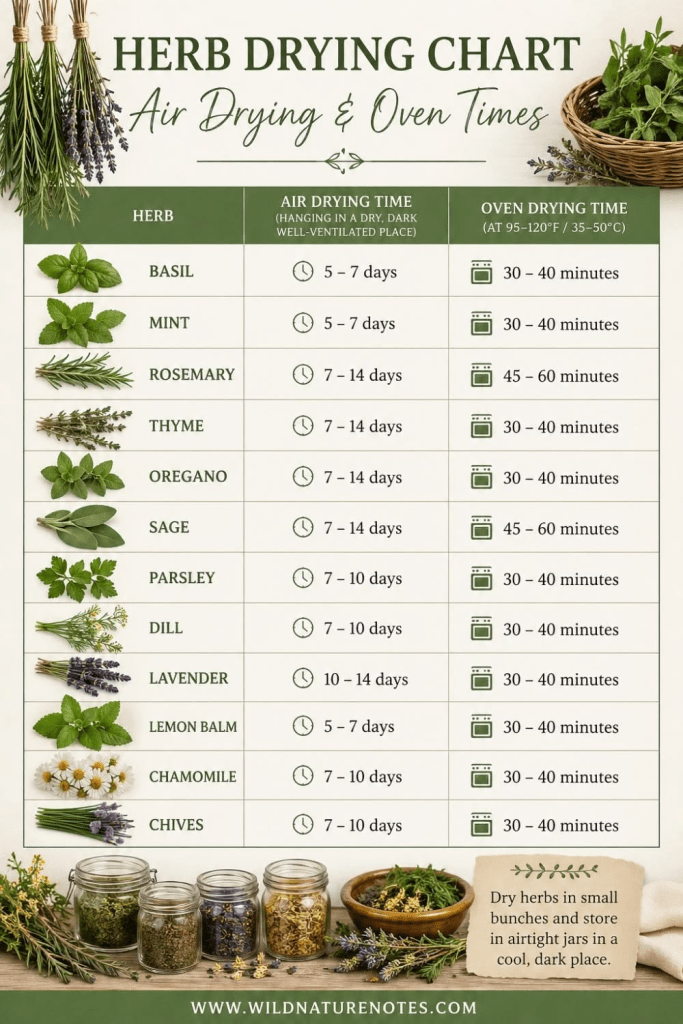
For Drying:

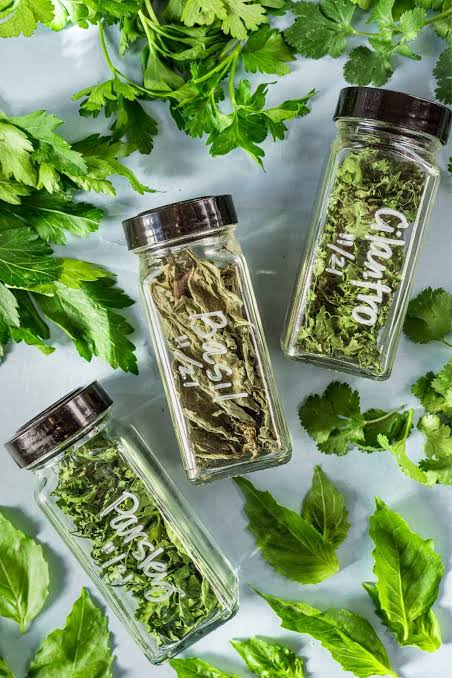
  • Bundle stems and hang upside down in a dry, airy space
  • Once dried, crumble leaves and store in an airtight container

👉 Fresh oregano is bold, but dried oregano becomes even more concentrated—perfect for cooking!


🌼 Bonus: Let It Flower!

If you let some oregano bloom, you’ll get:

  • Pretty soft purple or white flowers
  • A magnet for pollinators like bees and butterflies 🐝

It’s a win-win for both your garden and the environment.

Oregano is one of those herbs that gives back more than it asks for. With just sunlight, a little water, and occasional trimming, you’ll have a steady supply of fresh flavor right at your fingertips.

Whether you’re growing it for your kitchen, your pollinators, or simply the joy of tending something green—oregano fits right in.

🌿 April Garden Newsletter: Container Gardening Edition 🌿


Hello garden friend,

April is that sweet spot where everything feels possible—sunshine lingers a little longer, soil warms up, and your porch is just begging for a little life. This month, we’re diving into container gardening, perfect for porches, patios, and small spaces (or just adding charm right outside your door).


🌱 Start Your Porch Herb Container Garden

Creating a porch herb garden is one of the easiest and most rewarding ways to grow something useful and beautiful.

What you’ll need:

  • Containers with drainage holes (mix of pots adds character!)
  • Good-quality potting soil (light and well-draining)
  • Herbs (start with small plants or seeds)
  • A sunny spot (6+ hours of sunlight)

Easy herbs to grow together:

  • Basil
  • Mint (keep in its own pot—it spreads fast!)
  • Thyme
  • Rosemary

How to plant:

  1. Fill your container with potting soil, leaving about 1 inch at the top.
  2. Gently place your herb plant in the soil.
  3. Fill around it and lightly press down.
  4. Water thoroughly until it drains from the bottom.

💡 Tip: Group your containers together for a lush, layered look—and easier watering.


🥕 4 Easy Vegetables to Grow in Containers (Perfect for April)

If you’re ready to grow your own food, these beginner-friendly veggies thrive in containers this time of year:

1. Lettuce 🥬
Fast-growing and perfect for shallow containers. Harvest leaf by leaf for weeks!

2. Radishes 🌶️
Ready in as little as 3–4 weeks. Great for impatient gardeners (we’ve all been there).

3. Spinach 🌿
Loves the cool spring weather and grows well in partial sun.

4. Cherry Tomatoes 🍅
Plant now for a summer harvest. Use a small cage or stake for support.

💡 Tip: Use deeper pots (at least 10–12 inches) for tomatoes, and smaller containers for leafy greens.


🐣 Natural Easter Egg Dye (Garden-Inspired!)

Skip the store-bought kits this year and try a beautiful, organic egg dye using ingredients you may already have in your kitchen or garden.

🌈 Natural Dye Colors:

  • Pink/Red: Beets
  • Yellow: Turmeric
  • Blue/Purple: Red cabbage
  • Orange: Onion skins

🥚 How to Dye Eggs Naturally:

  1. Chop your plant material (about 1 cup per color).
  2. Add to a pot with 2 cups of water and 1 tablespoon vinegar.
  3. Simmer for 15–30 minutes.
  4. Strain the liquid into a bowl and let cool.
  5. Add hard-boiled eggs and let sit for several hours (or overnight for deeper color).

✨ The longer they soak, the richer the color—and each egg turns out uniquely beautiful.


🌼 April Garden Notes

  • Water containers more often as temps rise (they dry out faster than garden beds).
  • Rotate pots weekly so plants grow evenly.
  • Don’t be afraid to mix flowers in with your veggies—container gardening is as much about beauty as it is harvest.

April is all about fresh starts and small wins—whether it’s a pot of basil on your porch or your first homegrown salad. Start simple, enjoy the process, and let your garden grow with you.

Happy planting 🌿

Coding Interface

Forging Better Test Frameworks

Home is Where the Boat Is

Potting, Puttering & Pontooning

Cats and Trails and Garden Tales

Musings on cats, travel, gardens and life

Leaf And Twig

Where observation and imagination meet nature in poetry.

phillipsplace

A new beginning, mobile home living, adding our style inside and out.

Ruth E. Hendricks

Daily Journal of Life in Pittsburgh

The Haute Mommy Handbook

Motherhood Misadventures + Creative Living

Suzanne's Mom's Blog

Arts, Nature, Good Works, Luna & Stella Lockets & Birthstones

𝑻𝒐𝒓𝒏𝒂𝒅𝒐 𝑶𝒇 𝑪𝒉𝒂𝒐𝒔 🌪

Thoughts, experiences and learnings in a turbulent time

Sarah Rajkotwala - Author & Spiritual Teacher blog

Gardening Fairies Flowers Spirituality Angels Love Joy

Ideas and Advice for How To Live a Joyful and Empowered Life.

All Things Empowering - Healing Ourselves & Earth, Self-Sufficiency, Food Forests, Gardening, Art, Road Trips, Preserving, Foraging, Permaculture, Homesteading and More!

America On Coffee

We’re just inviting you to take a timeout into the rhythmic ambiance of our breakfast, brunch and/or coffee selections. Enjoy!

Heart to Hearth Cookery

Sharing my Experimental Archaeology of Food