Native Texan Flowering plants

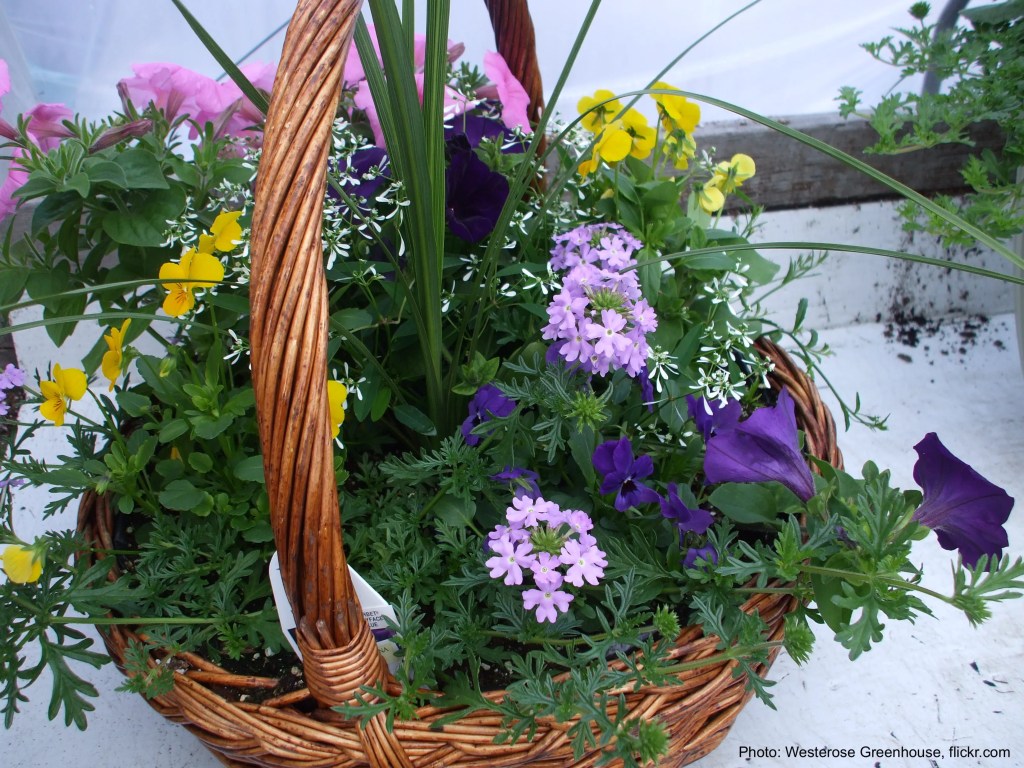
 Did you know that Texas is home to 5000-6000 species of native plants. As a state,  it is responsible for the conservation of approximately a quarter (25%) of the North American native flora. There are many  Perennials that are native to Texas, such as; Angel Trumpet, Blackfoot Daisy, and Coneflower, and Calylophus which can be grown within your garden beds to add a beautiful pop of color! 

The  Angel Trumpet is commonly grown as ornamentals in frost-free climates and in greenhouses. The large pendulous flowers have a fused trumpet-shaped corolla and can be white, cream, yellow, orange, red, pink, or greenish in color. The flowers of some species can reach up to 50 cm (20 inches) in length. Most species are fragrant at night and attract moths for pollination, though the red angel’s trumpet lacks scent and is pollinated by hummingbirds.  The Blackfoot daisy is a slowly creeping perennial that blooms almost full time! Blackfoot daisies like alkaline soils. It’s great for rocky areas and to complement other low-water use plants. It loves full sun, but also does well in light shade. The plant can get 6 to 12 inches tall.One of the best flowering perennials for sunny sites, echinacea, commonly called coneflower is native to Texas. They are heat and drought resistant, easy to grow, bloom for months, make great cut flowers, and attract birds and pollinators. Calylophus berlandieri (Sundrops) A long living evergreen, low-growing woody-based perennial (technically a subshrub) that grows to 1 foot tall and spreads to nearly 3 feet wide with dark green narrow fine-textured soft foliage and bright yellow 1 to 2 inch wide flowers in spring and early summer. 

These  Texan native flowering plants can be perfect for any small garden and actually can grow well in other warm spring and summer states.  You can read more about coneflowers in a previous blog :  https://the-dirty-hoe.com/2021/08/31/planting-echinacea/

We are Moving!

We have exciting news to share with all of our followers! Our shop is taking the leap to move from the coast of NC to the country life in TX. Our Etsy shop has huge plans to grow bigger in Texas, ( seems right since everything is bigger in Texas-LOL) After we are settled we will be joining farmers and vendor markets to sell locally. For the meantime we are having a short Home SALE this weekend ( 5/27–5/30). Our shop will also take a mini break JUNE 6th-20th for the move and for us to settle in at Cooper Texas.

http://www.printhousedesign.com

Window sill Garden

Growing vegetables indoors is impractical without an expensive greenhouse — except for herbs, which grow big enough for a satisfying harvest with minimal space or attention. 

A large south-facing window is ideal for an indoor herb garden, as most varieties require at least four to six hours of direct sunlight each day to thrive (mints can get by on less). Lacking this, you must supplement the available natural light with artificial light or the plants will quickly become stunted. Herbs like basil, thyme, oregano, mint, chives, savory and dill are the best herbs to grow with limited space. Rosemary, lavender and sage are options if you have a bit more room.

Indoor herbs, it’s not always enough to simply water when the soil is dry. For best results, mimic rainfall by spraying down the leaves in the kitchen sink once a week. Alternatively, spritz the foliage with a misting bottle every few days. Feed every few weeks with a natural liquid fertilizer; products intended for houseplants are generally sufficient. If insects like aphids or whiteflies appear, spray them with diluted soapy water — find our instructions for this all-natural insecticide here.
You can check out our Facebook page to see a step by step post on creating a window sill gardening! https://www.facebook.com/printhousedesign1.0

Old man Cactus

Old Man Cactus is one of the easier cactuses to care for, especially when you follow these easy care instructions. The name is unique because it  gets its name thanks to the long, white hair-like hair that stands out of the spiked column that makes up the whole plant. 

By placing the cactus in your home with as much light as possible. I would suggest placing your plant in a South-facing window. Think of the window that gets a lot of sun. The more suited the window is. If you manage to give the plant enough light, the thicker and longer their hairs will be.  When watering the cactus, be sure to wait at least several days before watering again. A good rule of thumb is waiting for the soil to dry out completely. One of the most common reasons why the Old Man Cactus dies is because people tend to over-water their plants. You mustn’t water your succulents when you feel the soil is still wet. A great idea would be planting your succulent in well-draining succulent soil.The Old Man Cactus is a slow-growing cactus, so it might take several years for your plant to grow up a pot size. When you finally re pot, be sure to change the soil as well. 

The plant thrives on warm, dry air with enough sunlight. The long hairs you notice standing out of the plant are there to cool the plant down. As the plant grows, it will grow slowly if planted in a pot while when grown outdoors, it can reach up to 13m (45 feet). Most people prefer growing the Old Man Cacti indoor, where it will stay small and easy to care for.

By following the steps above you should have a thriving and cool cactus in your home!

Growing Mint

Growing mint is easy!. Learn to plant, grow, and control mint in your garden by following this post below. 

All types of mint (including sweet mint, spearmint, peppermint, and chocolate mint) are fast-growing, spreading plants. You can contain mint in tight places such as between pavers of a walkway where your feet will brush against the leaves to release its fragrance.

Plant mint in spring after the last frost. 

This fast-growing herb can grow just about anywhere and makes an excellent addition to indoor and outdoor gardens. Space mint plants 18 to 24 inches apart. It’s best to grow them in pots to keep them from taking over your garden (even if you’re planting in the ground).Keep soil consistently moist and water when the top inch becomes dry.

 Promote excellent leaf production by regularly feeding with water-soluble plant food. Once plants are established, harvest mint leaves regularly by pinching off the stems.

Harvest mint leaves at any size by pinching off stems. For a large harvest, wait until just before the plant blooms, when the flavor is most intense, then cut the whole plant to just above the first or second set of leaves. In the process, you will remove the yellowing lower leaves and promote bushier growth. Three such harvests per season are typical for mint.

Home is Where the Boat Is

Potting, Puttering & Pontooning

Cats and Trails and Garden Tales

Musings on cats, travel, gardens and life

Leaf And Twig

Where observation and imagination meet nature in poetry.

phillipsplace

A new beginning, mobile home living, adding our style inside and out.

Ruth E. Hendricks

Daily Journal of Life in Pittsburgh

The Haute Mommy Handbook

Motherhood Misadventures + Creative Living

Suzanne's Mom's Blog

Arts, Nature, Good Works, Luna & Stella Lockets & Birthstones

𝑻𝒐𝒓𝒏𝒂𝒅𝒐 𝑶𝒇 𝑪𝒉𝒂𝒐𝒔 🌪

Thoughts, experiences and learnings in a turbulent time

Sarah Rajkotwala - Author & Spiritual Teacher blog

Gardening Fairies Flowers Spirituality Angels Love Joy

Ideas and Advice for How To Live a Joyful and Empowered Life.

All Things Empowering - Healing Ourselves & Earth, Self-Sufficiency, Food Forests, Gardening, Art, Road Trips, Preserving, Foraging, Permaculture, Homesteading and More!

AmericaOnCoffee

We’re just inviting you to take a timeout into the rhythmic ambiance of our breakfast, brunch and/or coffee selections. We are happy whenever you stop by.

Heart to Hearth Cookery

Sharing my Experimental Archaeology of Food

The Herb Society of America Blog

Learn • Explore • Grow