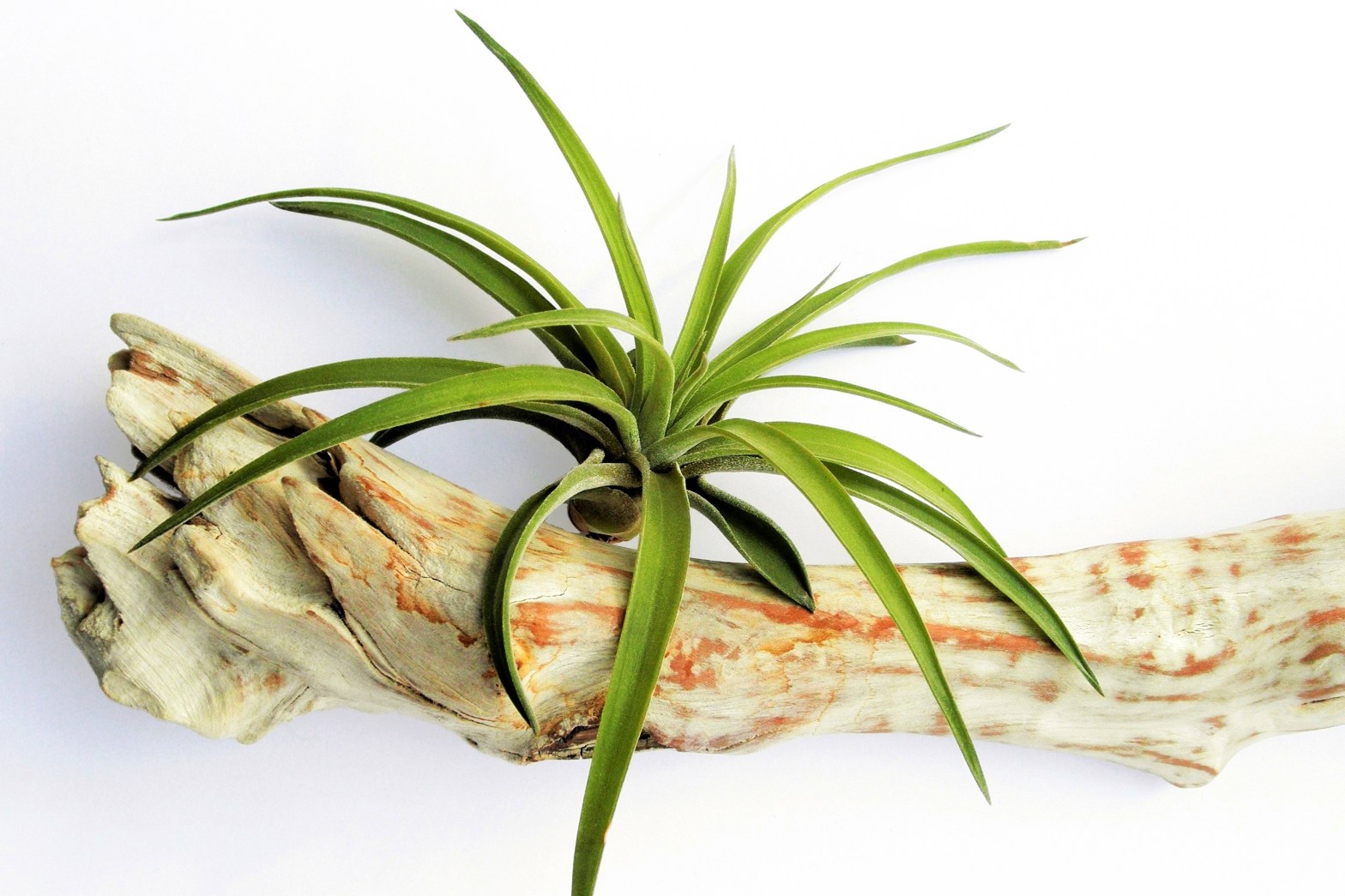
Talk about Tuesday: Air Plants

This Tuesday and for the next Tuesdays in the month of October I will be posting only a topic and I would love for my followers and viewers to comment in the comment box a question that would be related to the topic. Each week the topic will change and I will be collecting all the questions to answer them in a podcast that will be aired in November or December.

This Tuesday Topic is all about Air Plants

What would you like to know about air plants? Please leave your question in the comment box!

Growing Aloe Indoors

Aloe is extremely low maintenance, adds beauty to your home or office, and also contains a skin-soothing gel. So how do you grow Aloe? 

Where to Grow Aloe

This moisture-rich plant thrives outdoors year-round only in the very warmest regions (zones 9 to 10). In other areas, aloe grows best indoors as a houseplant, with some gardeners moving it outdoors for summer. Indoors, place aloe in a spot with bright indirect light during the warmer seasons of the year. A table near an east- or south-facing window works well. In southern and high desert regions, provide protection from direct sun during the hottest months.

What soil to use

grow aloe in pots filled with fast-draining potting soil, such as Miracle-Gro® Cactus, Palm & Citrus Potting Mix, formulated especially for container growing. For in-ground beds, mix 3 inches of Miracle-Gro® Garden Soil for Cactus, Palm & Citrus in with the top 6 to 8 inches of native soil.Planting aloe is best done when the plant is actively growing, usually when the surrounding air and soil are warm and days are long. Use a pot that is only an inch or two larger than the pot the aloe came in. Ideally, roots should fill about two-thirds of the pot. Having less potting mix means it will dry faster, making it less likely that root rot (caused by excess moisture) will be a problem. In zones 9 to 10, be sure outdoor plants are established before severe heat arrives. A good time for planting aloe in these zones is in early fall, after intense heat breaks, while soil is still warm. Space plants 24 to 36 inches apart to allow ample room for spreading.

How to Water Aloe

Aloe thrives in dry soil, plus it stores water in its leaves, so it doesn’t need a lot of additional water. In fact, overwatering is the top reason aloe plants die. When growing aloe indoors, water every two weeks (even less in the winter). When growing aloe in pots outdoors, expect to water more often, maybe once a week.

How to Harvest Aloe

The clear gel inside an aloe leaf is used for its soothing, anti-inflammatory, and wound-healing properties. To harvest aloe, break or cut a piece off the tip of the lowermost leaf. The cut leaf may ooze for a short time, but a natural latex within the aloe should seal things within a few hours. When you need more, take another piece off the same leaf until it’s all used up.

If you need a lot of the clear gel, pick an entire leaf. Slice off the outer spiky edges, and peel away the green top of the leaf to expose the gel. Store the harvested leaf, wrapped in plastic, in the fridge for up to two days. An aloe plant makes an attractive potted plant when it’s not harvested regularly. If you like the look of this succulent, consider growing aloe in two different pots—one for medicinal use and one for beauty. You can find cute aloe planters to start your aloe garden at our Etsy shop: follow the link: www.printhousedesign.com

Fishbone Cactus Care

Fishbone cacti are quite easy to take care of and reward you with fast growth. They are also super easy to propagate making them a great gift for friends and family. Below you will find all the information you need to care for your plant.

Light source: Fishbone Cacti adapt well to a mix of light levels and can easily thrive in bright, indirect sunshine as well as medium light too. Their flat leaves mean they have adapted to soak in as much sunlight as possible so are a great choice for most plant parents. They can deal with some direct sunshine but burn easily so be cautious. If they get the right level of sunlight over the year, your Fishbone Cactus will reward you by flowering so it is definitely worth keeping an eye on those light levels.

Watering: Fishbone Cacti are native to more tropical climates, rather than the desert so it is best to water it slightly more than your other cacti types. Make sure their soil is able to dry out between waterings as Fishbone Cactus plants don’t like to be sat in water too much. Adjust your watering schedule throughout the year so that the potting mix isn’t too soggy during autumn and winter.

High humidity:  Fishbone Cacti thrive in humid environments so are best placed in the bathroom or kitchen where humidity levels are naturally higher due to showering and cooking. Misting, using pebble trays or buying a humidifier are the easiest ways for you to increase the humidity for your Cactus.

 Repotting: Every year or so, it may be time to repot your Fishbone Cactus as it can become unstable and stressed if root bound for too long. Make sure to handle the plant carefully when repotting to avoid any damage to the root system or leaves. Check to see if the roots are popping out from the top or bottom of the pot as this is a telltale sign that you need to repot your plant.

Safe for pets: Another great thing about Fishbone Cacti is that they are completely non-toxic for dogs and cats so you don’t need to worry about it being near your beloved furry friends. Although they don’t have super sharp spikes like a lot of other cacti, Fishbone Cacti do have small spines that can cause irritation so wear gloves when handling. 

We will post next week about propagating this beautiful cactus!

Pruning & Care for Air plants

Like any other plant, air plants also need pruning for appropriate maintenance. It helps them to get rid of brown and dead leaves that hamper healthy growth. Air plants are generally known for being low maintenance and easy plants to care for. With a little trimming and pruning, you can help them maintain their beauty.

Pruning Roots-Air Plants do have tiny roots that seek to anchor themselves for support. These can be trimmed away without causing the plant any harm. 

Shedding leaves- Air plants produce new leaves from their center, so its normal for the older outer leaves to gradually dry out and drop off. You can actually remove any dry leaves by gently pulling them downwards, but if you can completely remove it, that means the leaf is still healthy and needs to be left alone. If your air plant is shedding lots of leaves, it is likely due to unsuitable light, temp, or humidity. 

Curling leaves- This is a typical sign of dehydration and indicates that you  need to water your plant more frequently.

Soft brown areas & rotting- If you find your air plant suddenly turning brown at the base and the leaves are falling apart, it could be a build up of water that has led to rot. Sadly, there is nothing you can do to save it at this stage. For future plants, remember to make sure after watering that you place your plant upside down to dry ( if you soak your plant). 

These are a few tips to help keep your air plant flourishing. You can read more about watering and taking care of air plants in several earlier blog posts in our garden blog. 

If you have any questions about your plant- leave a question in the comment box.

Talk about it Tuesday: Indoor Composting

This Tuesday and for the next Tuesdays in the month of October I will be posting only a topic and I would love for my followers and viewers to comment in the comment box a question that would be related to the topic. Each week the topic will change and I will be collecting all the questions to answer them in a podcast that will be aired in November or December.

This Tuesday Topic is all about getting dirty in the kitchen… Indoor Composting 

Home is Where the Boat Is

Potting, Puttering & Pontooning

Cats and Trails and Garden Tales

Musings on cats, travel, gardens and life

Leaf And Twig

Where observation and imagination meet nature in poetry.

phillipsplace

A new beginning, mobile home living, adding our style inside and out.

Ruth E. Hendricks

Daily Journal of Life in Pittsburgh

The Haute Mommy Handbook

Motherhood Misadventures + Creative Living

Suzanne's Mom's Blog

Arts, Nature, Good Works, Luna & Stella Lockets & Birthstones

𝑻𝒐𝒓𝒏𝒂𝒅𝒐 𝑶𝒇 𝑪𝒉𝒂𝒐𝒔 🌪

Thoughts, experiences and learnings in a turbulent time

Sarah Rajkotwala - Author & Spiritual Teacher blog

Gardening Fairies Flowers Spirituality Angels Love Joy

Ideas and Advice for How To Live a Joyful and Empowered Life.

All Things Empowering - Healing Ourselves & Earth, Self-Sufficiency, Food Forests, Gardening, Art, Road Trips, Preserving, Foraging, Permaculture, Homesteading and More!

AmericaOnCoffee

We’re just inviting you to take a timeout into the rhythmic ambiance of our breakfast, brunch and/or coffee selections. We are happy whenever you stop by.

Heart to Hearth Cookery

Sharing my Experimental Archaeology of Food

The Herb Society of America Blog

Learn • Explore • Grow