Garden Glow: The Magic of Fireflies and How to Welcome Them to Your Flower Garden

There’s something undeniably magical about fireflies flickering across a summer garden. These enchanting insects, also called lightning bugs, bring a warm, nostalgic glow to twilight evenings — but did you know they’re also helpful allies in the garden? In this post, we’ll explore how fireflies glow, whether they benefit your garden, and how you can create an inviting space to attract them.

How Do Fireflies Glow?

Fireflies produce light through a natural chemical reaction known as bioluminescence. This occurs in a special organ in their lower abdomen where oxygen combines with a substance called luciferin (yes, it shares a root with the Latin word for “light”) in the presence of the enzyme luciferase, along with magnesium and ATP (a form of energy). The result? A cold, efficient light that gives off almost no heat — perfect for their nighttime activities.

Most firefly flashes are not random — they’re part of a complex communication system, especially for mating. Each species has its own pattern of flashes and timing. Some species also glow as larvae to deter predators and signal toxicity.

Are Fireflies Beneficial to the Garden?

Yes! Fireflies — especially in their larval stage — are excellent little garden helpers. Here’s how:

  • Natural Pest Control: Firefly larvae are voracious predators. They feed on garden pests like slugs, snails, aphids, and soft-bodied insects. A garden with a healthy population of fireflies may notice fewer issues with these pests.
  • Pollination Support: While fireflies aren’t major pollinators, the adults sometimes visit flowers for nectar or pollen, offering a small bonus to your blooms.
  • Biodiversity Indicator: A presence of fireflies often indicates a healthy, moist, and pesticide-free environment — a good sign for your overall garden ecosystem.

How to Attract Fireflies to Your Flower Garden

If you’d like to enjoy the twinkling light show of fireflies in your own backyard, here are some ways to make your garden more welcoming:

1. Turn Off the Lights

Artificial lighting can disrupt fireflies’ ability to find mates. Keep your garden dark at night or switch to soft, motion-sensor lighting.

2. Skip the Chemicals

Pesticides and chemical fertilizers can harm fireflies, especially their delicate larvae. Use natural pest control methods and opt for organic compost to feed your soil.

3. Create a Moist Habitat

Fireflies love damp environments. Consider:

  • Adding a small pond or water feature.
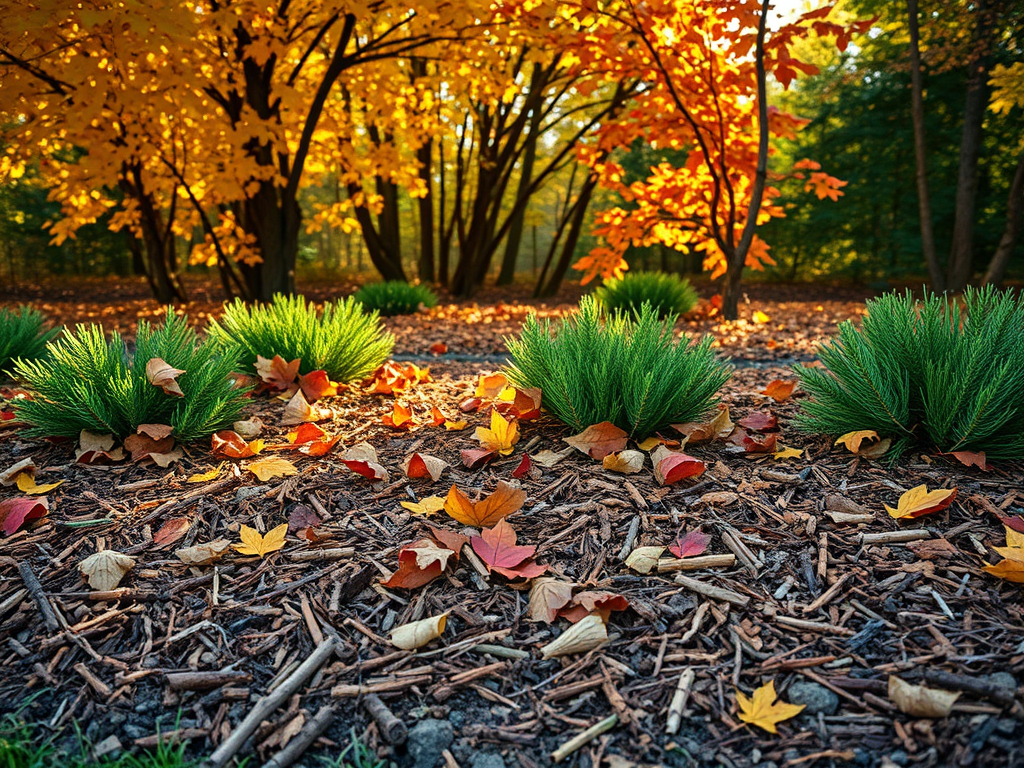
  • Keeping areas of moist mulch or leaf litter where larvae can thrive.
  • Watering in the evening to help keep humidity levels up.

4. Grow Native Plants

Planting native wildflowers and grasses not only supports pollinators but also provides shelter and habitat for fireflies. Let part of your garden grow a little wild and weedy — they love long grass and low vegetation.

5. Leave Some Logs or Leaf Piles

Fireflies lay their eggs in leaf litter, compost piles, or rotting wood. Resist the urge to clean up every garden corner — those “messy” areas can be essential breeding grounds.


Final Glow

Inviting fireflies into your flower garden is a win-win: you’ll enjoy a magical summer light show and support a natural ally in pest control. By creating a dark, damp, and chemical-free space filled with native plants, you’ll be giving fireflies the perfect invitation to stay and shine.

So next time you see those soft flickers at dusk, smile — your garden just got a little more magical.

Have you seen fireflies in your yard yet?

Title: The Art of Air Plants: Light, Watering, and Pruning Tips for a Thriving Display

If you’ve ever wanted a low-maintenance plant that feels more like living art than traditional greenery, air plants (Tillandsia) are calling your name. These fascinating epiphytes don’t need soil to survive, which opens the door to creative displays in glass globes, driftwood, seashells, wall frames—you name it.

But while they may seem carefree, air plants still need some TLC to stay healthy and happy. In this post, let’s dig into the essentials of air plant care: light, watering, and a little pruning.


🌞 The Best Light for Air Plants

Air plants love bright, indirect light. Think east- or west-facing windows where morning or afternoon sun filters in, but not so much that the plants bake. Too much direct sun (especially through glass) can scorch their leaves, while too little light will leave them dull, limp, or even rotting from the base.

Quick tip: If your air plant is indoors and light is limited, a full-spectrum grow light is a great option. Just be sure to keep it on for 10–12 hours a day to mimic natural sunlight.


💧 How to Water Air Plants the Right Way

Unlike traditional houseplants, air plants absorb water through their leaves, not roots. The best way to hydrate them is with a good soak.

Here’s a watering routine that works for most homes:

  • Once a week, submerge your air plants in room-temperature water for 20–30 minutes.
  • After soaking, shake off excess water and let them dry upside down on a towel in a bright spot with good air circulation.
  • In hot, dry, or air-conditioned spaces, misting 1–2 times a week between soaks helps keep humidity levels up.
  • Skip the faucet or softened water—filtered or rainwater is best for preventing mineral buildup.

Warning sign: If your air plant’s leaves start curling inward or turning crispy at the tips, it’s probably thirsty. If it turns mushy at the base, you may be overwatering or not allowing it to dry properly.


✂️ Pruning & Grooming Your Air Plants

Air plants don’t need pruning in the traditional sense, but a little grooming helps them look their best and stay healthy.

Here’s how to prune your air plant:

  • Remove dead or brown leaves by gently pulling them away at the base or snipping them off with clean scissors.
  • Trim off dry leaf tips if they’ve browned, cutting at a slight angle to keep a natural look.
  • If your air plant blooms (usually once in its lifetime), enjoy the show! After flowering, the bloom will dry out—snip it off when it’s completely spent.
  • Some air plants produce “pups” (baby plants) after blooming. You can remove them when they’re about ⅓ to ½ the size of the parent plant or leave them attached to grow into a clump.

Final Thought: Make Air Plants a Living Part of Your Décor

With just a little care, air plants will reward you with years of beauty. Whether nestled in a shell, perched on a piece of wood, or hanging in a glass orb, these easygoing wonders are perfect for gardeners of all levels.

Have a favorite way to display your air plants? Share it with us in the comments below—we’d love to see how you style your Tillandsia!

Naturally Bug-Free: Plant These Herbs and Flowers to Repel Pests in Your Garden

Nothing ruins a peaceful moment in the garden faster than a swarm of buzzing pests. While store-bought sprays and candles can help, there’s a more natural—and beautiful—way to keep bugs at bay: planting insect-repelling herbs and flowers. Not only do these plants deter unwanted pests, but they also add color, fragrance, and beneficial properties to your garden.

Here are seven powerful bug-repelling plants every gardener should consider:


🌼 Chrysanthemums

Chrysanthemums, or mums, are more than just vibrant fall blooms—they contain pyrethrin, a natural compound used in many insect repellents. Pyrethrin targets the nervous system of insects like mosquitoes, ants, ticks, fleas, and even Japanese beetles. Plant mums around your garden beds or near entryways to create a natural barrier against pests.


🌻 Marigolds

Marigolds are not only cheerful and easy to grow, but their distinct scent deters aphids, mosquitoes, nematodes, and whiteflies. French marigolds, in particular, are known for their pest-repelling properties. Plant them near tomatoes and peppers to protect your vegetables and attract pollinators at the same time.


🌿 Rosemary

This woody herb does double duty in the kitchen and the garden. Rosemary’s strong aroma confuses and repels bugs like mosquitoes, cabbage moths, and carrot flies. It thrives in sunny spots and well-draining soil—great for borders or containers.


🌱 Peppermint

The sharp scent of peppermint is overwhelming to pests like ants, spiders, aphids, and even mice. Peppermint spreads easily, so it’s best grown in containers to prevent it from taking over. Crushed leaves can also be rubbed on skin for a quick natural mosquito deterrent.


🌾 Lemongrass & Citronella

Lemongrass and citronella are often confused, but both are effective natural bug repellents thanks to their citronella oil, a key ingredient in many commercial mosquito repellents. These tropical grasses grow tall and bushy and thrive in warm climates. They’re especially useful around patios and outdoor seating areas.


🌿 Thyme

Thyme is another kitchen favorite with strong bug-repelling abilities. Lemon thyme, in particular, is great at keeping mosquitoes away. You can crush a few leaves to release its citrusy scent while you work in the garden or before heading out for a walk.


Tips for a Bug-Free Garden Design

  • Plant in layers: Create borders of marigolds or mums, with rosemary and thyme tucked closer to your walkways or seating areas.
  • Grow in containers: Herbs like peppermint and lemongrass thrive in pots and are easy to move where needed.
  • Crush and release: To activate the oils, crush the leaves gently as you brush past them or harvest for bundles.
  • Companion plant: Use these herbs and flowers alongside your veggies to protect them naturally.

Final Thoughts

Nature has its own defense system—you just have to know what to plant. These bug-repelling herbs and flowers offer a safe, eco-friendly alternative to harsh chemicals. By adding them to your garden, you can enjoy your outdoor space with fewer interruptions from unwanted pests.

So dig in, get planting, and let your garden protect itself the natural way!

“From Bloom to Seed: A Beginner’s Guide to Saving Marigold, Basil, and Chive Seeds”

The Magic Inside a Marigold: A Beginner’s Guide to Saving Seeds”

One of my earliest gardening memories was stumbling upon what felt like treasure: a dried marigold flower. As I gently pulled it apart, dozens of slender seeds spilled into my palm. I couldn’t believe my luck—free seeds! I planted one, and when that first seedling sprouted, I was hooked.

There’s something magical about growing a plant from a seed you saved yourself. It connects you to the full cycle of gardening, from bloom to seed to bloom again. Whether you’re growing flowers or herbs, saving seeds is easy, satisfying, and cost-effective.

Let’s dig into how to save flower seeds—starting with marigolds—and then explore how to harvest seeds from two kitchen garden favorites: basil and chives.


🌼 How to Save Flower Seeds (Like Marigolds)

Many annual flowers produce seeds that are simple to collect and store. Marigolds are a perfect beginner’s choice.

Here’s how to harvest marigold seeds:

  1. Let them dry: Allow the flower heads to die and dry on the plant. The petals will turn brown and papery.
  2. Pick and pull: Gently remove the dried head and pull it apart. Inside, you’ll find dark, arrow-shaped seeds attached to the base.
  3. Dry and store: Lay the seeds out on a paper towel for a few days to ensure they’re completely dry. Store in a labeled envelope or small jar in a cool, dry place.

🌼 Bonus Tip: This same process works for zinnias, cosmos, calendula, and many other easy-to-grow annuals.


🌿 How to Harvest Basil Seeds

Basil is a must-have herb, and saving seeds from your healthiest plant ensures flavorful future harvests.

Steps to collect basil seeds:

  1. Let it flower: Choose one or two plants to let bolt (flower and go to seed). The flowers are small and white or purple.
  2. Watch the seed heads: Once the flowers fade, they’ll form small brown seed pods.
  3. Harvest: Snip off the seed heads when they are fully brown and dry. Gently crush them over a bowl or paper to release the tiny black seeds.
  4. Separate and store: You can use a sieve or blow gently to remove the chaff. Store dry seeds in a labeled envelope or glass container.

🌿 Note: Basil is a warm-season plant, so only collect seeds from mature plants late in the season before frost.


🌱 How to Harvest Chive Seeds

Chives are another kitchen staple, and they make seed-saving simple.

Here’s how:

  1. Let them bloom: Allow the pretty purple pom-pom flowers to fully bloom and fade on the plant.
  2. Dry and shake: Once the flowers dry and start to brown, shake or gently crush them over a container. You’ll see tiny black seeds fall out.
  3. Store: Dry for a day or two and store in an airtight container, out of direct sunlight.

🌱 Chive Tip: If you leave a few seeds to drop naturally, they often self-seed and pop up the next spring!


✨ Why Save Seeds?

Saving seeds not only saves money—it also helps you:

  • Grow varieties you love year after year
  • Share plants with friends and family
  • Become more self-sufficient as a gardener

Plus, it’s just plain fun. There’s something endlessly rewarding about holding a tiny seed in your palm, knowing the potential it holds.

So next time a flower fades or an herb bolts—don’t toss it. Take a closer look. Your next garden might be hiding right inside.

🌱 Companion Planting: All You Need to Know to Have a Thriving Garden

If you’re looking to boost your garden’s productivity, reduce pests, and grow healthier plants—companion planting is your new best friend. This time-tested gardening technique pairs certain plants together to help each other thrive. It’s nature’s version of a buddy system, and it’s surprisingly simple once you understand the basics.

Let’s dig into what companion planting is, why it works, and how you can start using it to create a vibrant, more self-sufficient garden.


🌿 What Is Companion Planting?

Companion planting is the practice of growing different plants together for mutual benefit. These plant pairings can:

  • Improve growth through natural soil enhancement
  • Repel pests without the need for chemical pesticides
  • Attract pollinators and beneficial insects
  • Provide natural support or shade
  • Suppress weeds and reduce disease spread

It’s not magic—it’s just understanding plant relationships and using them to your advantage.


🥕 Classic Companion Planting Pairs That Work

Here are some tried-and-true combos that can make a big difference in your garden:

🍅 Tomatoes + Basil

This classic duo doesn’t just taste great together—it grows great together. Basil helps repel aphids, whiteflies, and tomato hornworms while improving the flavor of your tomatoes.

🥕 Carrots + Onions

Carrots love being near onions because the strong onion scent confuses carrot flies. In return, carrots help break up the soil for onions.

🥔 Potatoes + Beans

Beans fix nitrogen in the soil, giving potatoes a nutrient boost. Bonus: bush beans can deter Colorado potato beetles.

🥒 Cucumbers + Nasturtiums

Nasturtiums act like a trap crop for aphids and beetles, luring pests away from your cucumbers while attracting pollinators.

🌽 Corn + Beans + Squash (“The Three Sisters”)

This Indigenous technique has stood the test of time. Corn provides a trellis for beans, beans fix nitrogen for all three, and squash shades the soil to keep weeds down.


🚫 What NOT to Plant Together

Just like some people don’t get along, not all plants make good neighbors. Avoid these combinations:

  • Tomatoes + Corn: Both attract similar pests like the corn earworm.
  • Onions + Beans: Onions can stunt bean growth.
  • Cabbage + Strawberries: They compete for space and nutrients.

🐝 Companion Plants That Attract Pollinators & Beneficial Insects

Want more bees, butterflies, and ladybugs in your garden? Plant these:

  • Calendula: Attracts aphid-eating insects
  • Borage: A pollinator magnet and great for tomatoes and strawberries
  • Dill & Fennel: Attract predatory wasps and lacewings
  • Yarrow: Improves soil and attracts beneficial insects

🌼 Companion Planting Tips for Success

  1. Start small: Try a few companion combos each season.
  2. Mix flowers, herbs, and vegetables: Diversity is key to pest control and pollination.
  3. Rotate crops each year: This helps prevent disease buildup.
  4. Observe and adjust: Every garden is unique, so watch what works best for you.

🌿 Final Thoughts

Companion planting is more than a gardening trend—it’s a sustainable and natural way to help your garden flourish. With a bit of planning and experimentation, you’ll reduce pests, increase yields, and enjoy a more beautiful and resilient space.

Ready to plant some partnerships? Grab your seeds, pick a few pairings, and watch your garden grow—together!

Home is Where the Boat Is

Potting, Puttering & Pontooning

Cats and Trails and Garden Tales

Musings on cats, travel, gardens and life

Leaf And Twig

Where observation and imagination meet nature in poetry.

phillipsplace

A new beginning, mobile home living, adding our style inside and out.

Ruth E. Hendricks

Daily Journal of Life in Pittsburgh

The Haute Mommy Handbook

Motherhood Misadventures + Creative Living

Suzanne's Mom's Blog

Arts, Nature, Good Works, Luna & Stella Lockets & Birthstones

𝑻𝒐𝒓𝒏𝒂𝒅𝒐 𝑶𝒇 𝑪𝒉𝒂𝒐𝒔 🌪

Thoughts, experiences and learnings in a turbulent time

Sarah Rajkotwala - Author & Spiritual Teacher blog

Gardening Fairies Flowers Spirituality Angels Love Joy

Ideas and Advice for How To Live a Joyful and Empowered Life.

All Things Empowering - Healing Ourselves & Earth, Self-Sufficiency, Food Forests, Gardening, Art, Road Trips, Preserving, Foraging, Permaculture, Homesteading and More!

AmericaOnCoffee

We’re just inviting you to take a timeout into the rhythmic ambiance of our breakfast, brunch and/or coffee selections. We are happy whenever you stop by.

Heart to Hearth Cookery

Sharing my Experimental Archaeology of Food

The Herb Society of America Blog

Learn • Explore • Grow