Edible Flowers in your Garden

Taking a look at the plantings that already exist on your property, you can learn that many of them are, in fact, tasty edibles, they’re just not the same ones you’d find in the grocery store. For instance, Hostas and peonies, for example, are both considered delicacies in Japan. Knowing that several plants in your existing perennial beds are edible is also handy to bring them into kitchen and in your daily meals.

When I was a small child, I loved going to the back of our property and pick berries from the bushes. I also helped my mom collect dandelions to make certain desserts and use in our salads.

Below is the list of different flowers that are edible and that you might find in your own flower garden.

ANISE HYSSOP

A favorite of the bees, Anise Hyssop has a wonderful scent that fills the garden in midsummer. The flowers and leaves have a delicate black licorice flavor that’s pleasant but not overwhelming. They’re tasty fresh, or you can add anise hyssop blossoms to baked goods

BEGONIA

With a bright citrus taste and a hint of sour, begonias are a flavorful edible flower that’s quite versatile. They can be eaten alongside savory or sweet dishes equally well. Note that begonia blossoms and leaves are tasty raw, and that the stalks can be cooked like rhubarb.

CARNATIONS

While they are a high spray crop commonly used in floral arrangements, they can be grown without any chemicals in an organic manner…and that’s the best place to try eating them.Carnations can be used in many of the same ways as roses, and they impart a sweet/spicy flavor, along with their perfumed aroma.

CLOVER

Red clover and white clover are both sweet edible flowers that can be harvested in huge quantities in the summer months. The flowers themselves can be dried and ground to make clover flour, which adds nutrition and helps extend flour supplies during tough times.

The base of each clover flower produces a bit of sweet nectar, and many country kids know how to harvest clover flowers, peel back the leaves and get a drop of sweet honeydew from each flower.

DAYLILIES

Most foragers know those wild daylilies are a special summertime treat, but that same treat that they hunt over hill and dale for in the countryside is likely growing in your suburban backyard. The unopened flower buds are commonly fried into fritters or added to stir-fries.

There are so many edible flowers, this is just a few from my favorite flowers!

What’s your favorite edible flower? Did I miss any?  Leave me a note in the comments.

carnation in icecream

Planting Succulents

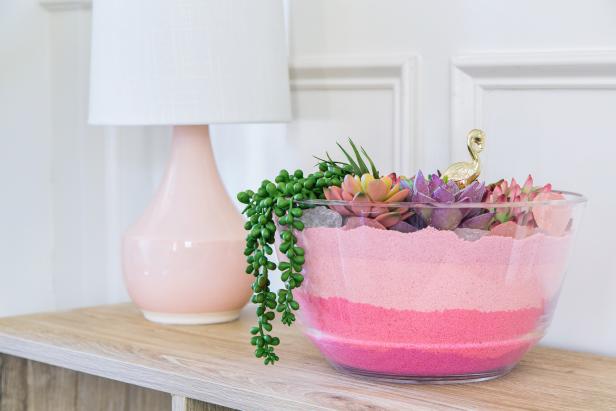
Are you  adding new succulent plants to your indoor collection and are curious about when is the best succulent planting time. We’ll answer your question of “when do I plant succulents” and add some tips on keeping your new plantings healthy and happy!

Nevertheless of the suitable planting time for your area, never leave a just purchased succulent in a pot of soggy soil. Home improvement and big box stores often soak containers to this point, and it can be deadly for the succulent plant. If this happens to you, un pot and gently remove all the wet soil you can and then let the roots dry out for a few days. Repot the plant into dry cactus soil and wait a week or two before watering.

Never plant succulents on hot, sunny days. Do it in the evening and, when possible, wait for a cool overcast day to do your outdoor planting. Even though succulents can live in the hot sun and extreme heat, they prefer being planted in gentler weather. If you’re in an area with warm temperatures year round and sizzling heat in the summer, plant succulents in late winter to early spring. Make sure you plant into soil with modified drainage. If you will be growing succulents in different climates, such as those with below freezing winters, make sure nighttime temps are above the 45 degrees F. (7 C.) range before planting outside. Many of these plants are cold hardy, such as sempervivums and sedums, (types of succulents)  and can exist in much lower temperatures. However, they will establish a good, healthy root system more quickly when planted in warmer temps.

Definitely look at the plant tag that is usually provided with your succulent to see what your succulent needs. Also by researching your plants and pay attention to the area where you plant your succulent or cactus, making sure it is close to what your plant needs.

Succulents can thrive indoors year-round and can live outdoors in most climates. The easiest way to grow and propagate these plants isn’t through planting seeds, but by taking cuttings from established plants. Planting them yourself gives you better creative control over how your arrangement looks, and is an inexpensive introduction to gardening.  You can also start your new succulent from Succulent cuttings or leaves. If you don’t have them from a cutting you took, you can get them from Amazon and several sellers on Etsy. Preparing your succulents is the most important part of this process. You want to make sure that you have enough of the stem to plant beneath the soil to support the plant. Remove any extra leaves from the bottom of the stem. For larger cuttings, about an inch of bare stem is fine, and you can use less for smaller cuttings.

Next, look at the bottom of your cutting. The plants should have a “callous” on them, meaning that the bottom of the plant has dried out. This forms a few days after cutting the succulent, so you should wait a few days before planting freshly cut succulents. You can speed up this process by leaving the cutting on a paper towel or paper bag for the end to dry faster. The great thing about succulents is that you can plant their leaves, too, so save the leaves you removed from the stem. Make a small hole in the soil, about an inch deep. Place your cutting into the depression, and cover with soil. Succulents don’t usually need a lot of water, but while they are establishing their roots, you’ll need to water them every 2-4 days, depending on how dry the soil gets. Don’t be surprised if you see the leaves start to look a little dried out at first, this is the plant using it’s stored energy resources while it builds new roots. In about four weeks you’ll start to see new growth. Once the plants have established their roots and begin to grow, switch to weekly watering or only when the soil is dry!

From Garden to Kitchen.. Edible Flowers

There are many garden flowers you can eat. However, before you consume just any flower, take heed of these guidelines: Eat flowers only when you are positive that they are edible. Some flowers look VERY similar. Be sure to have a positive ID first.

Only eat flowers that were grown organically. Many plants you purchase from retailers have been sprayed with pesticides.

Thoroughly wash all flowers before you consume them.

For most flowers, only consume the petals.

If in doubt that the flower is edible, skip it.

I am sharing a few edible flowers that are growing in my flower garden right that work great in the kitchen!

Nasturtiums

This is a popular edible flower that takes well to containers. Nasturtiums are available in trailing or upright varieties and their color range is reminiscent of a brilliant sunset (think oranges, reds, and yellows). All parts of a nasturtium are edible: petals, leaves, and seeds. They have a peppery, spicy flavor; a cross between watercress and a radish.

Roses

The ideal flower of love, roses offers a sweet flavor with a slight spice. The intensity of flavor will depend on type, color, and soil conditions. The darker the petals, the more pronounced the flavor. All roses are edible, but before consuming, remove the bitter white portion of the petals and definitely stay away from the thorny stems!

Lavender

I’m sure you are familiar with the soothing properties of lavender’s scent. The flowers of this popular herb are used for a multitude of beauty products. Like all herb flowers, lavender blooms are edible. They have a distinctive floral taste with a hint of rosemary/mint combo. Use sparingly in sweet dishes; a little goes a long way. I love making Lavender lemonade in the summer!

Squash Blossoms

The blooms of all types of squash are edible, but the most popular ones come from the male flower of the zucchini and crookneck squash. The blooms have a mild squash taste and can be eaten raw in a salad or stuffed with ricotta and batter fried.

Pansy

These cool-weather colorful flower can add brightness to planters, lollipops, ice cubes, AND cupcakes! They have a sweet, grassy/green flavor. They come in a plethora of color ranges, which makes them a fun flower to use to decorate cakes and as garnishes.

This list is just the tip of the iceberg of edible flowers. Remember to do your research before you eat any flower. Also, just because you can eat them doesn’t mean you should. Sometimes consuming vast amounts of blooms will not sit too kindly in your digestive tract.

Air Plants!

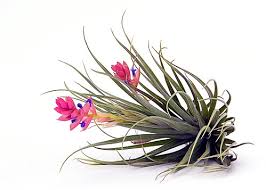
Air plants known as Tillandsia, is the largest genus in the bromeliad family. There are more than 600 known species and countless hybrids. They’re native to Central and South America and even a small part of the Southern US. Air plants are usually divided into two categories: mesic and xeric, and much of what puts them in one category or the other are the quantity and size of their trichomes

Trichomes are the raised hair or scale-like structures all air plants have that cover the surfaces of their leaves to be able to extract the moisture and nutrients that come their way as well as reflect sunlight in desert conditions for xeric species. The more fluffy and gray a tillandsia looks, generally the more sun and heat it can take. (This is true of other plants with gray, fuzzy leaves as well.)

Mesic tillandsia are native to moderately humid regions like Central and South American rainforests. They prefer more filtered light than xeric types. The leaves of mesic air plants are deeper green and smoother due to smaller and fewer trichomes. 

Xeric air plants are from drier, more desert-like climates. Their leaves have a higher concentration of trichomes that are larger in size compared to the mesics, giving them a gray or fuzzy appearance. Often their leaves are wider to allow more surface area for absorbing water and light.

Mesic air plant – Tillandsia bulbosa. have smooth, green leaves and can be found at Flymeawaycreations Etsy Shop.

Tillandsia are epiphytes, which means they typically live on on a branch, trunk, rock, or other place that isn’t soil so they aren’t saturated in water for long. They aren’t parasitic and cause no harm if growing on another plant. Tillandsia roots are purely for attachment to tree branches or moss surface they chose to attach to. So getting their roots wet is pointless. If you purchase any air plant at Flymeawaycreations Etsy Shop, your air plant comes along with moss to help the roots attach and for the plant to thrive!

Air Plant Light

Where to put your air plants to keep them healthy? Tillandsia prefer bright, filtered light. According to Flymeawaycreations Shop which sells air plants and air plant planters, keeping them no more than 10” away from of a window indoors or a full-spectrum artificial light works well. Also sitting on a covered patio with little sunlight, the plant will thrive as well.

Air Plant Watering

When it comes to tillandsia, there are some who swear by misting, others by soaking, or a combination. I will lay it out it from the get-go; I fall into the soaking camp. I have a couple of reasons why I think this is easier and more practical.

If you choose to mist, in order to give your tillandsia enough moisture, misting needs to happen roughly every other day, depending on your tillandsia type and your conditions.

If you have just one tillandsia, that may be a realistic schedule to stick to. Just keep your mister nearby, whip it out and mist every other day or so.

However, after starting out with just one tillandsia, you may find that they mysteriously start multiplying. By this I mean you start acquiring more. And then you start to scatter them around the house because you fall in love with their quirky appearance and find they enhance your sense of green well being and your home decor.

Now that we’ve discussed all about how to care for your air plants, let’s have some fun displaying our air plants! Flymeawaycreations Shop is all about bringing the indoors inside and nature-inspired design and decor. Visit the shop today! http://www.flymeawaycreations.com

Socially Distanced Halloween

Some of the best parts of Halloween are canceled this year due to the pandemic — like trick-or-treating and in-person costume parties — but, decorating your house, apartment, or yard  is a safe alternative to those higher-risk activities. And being stuck at home is as good a reason as any to step it up a notch from the usual crazy inflatables and cheap cobwebs. To help you find the best Halloween lights, yard decorations, props, turning your home into a haunted house, both inside and out. I have given a few tips of spooky, décor for sale online.

Best cobwebs and Lighting

Creepy Cloth, which is basically loosely woven, cheesecloth like material that you can drape over lamps, doorways, and furniture or even use as a backdrop for your virtual Halloween zoom gatherings!

Lighting  is another easy way to create a spooky atmosphere, both indoors and out. “Darkness can play at an advantage. When it comes to creating dimmer lighting indoors — even if it’s just for the benefit and fright of immediate members of your household — all you need to do is replace your regular bulbs with super-low-watt versions, or colored light bulbs, such as purple or orange.

Cost-effective Halloween props

The best deal, however, is probably the skeletons, which are durable and attractive. It can be lightweight and it accepts paint, it’s easy to add things to it. You can dress them up, and it doesn’t take a whole lot to stand them up.  If you want to spook out your patio or covered porch, check out Zombie or Skull 3D printed planters at Flymeawaycreations Shop where these fun planters are small but can creep out any space by adding fun succulents, cacti, or mum flowers to them. Also you can’t forget pumpkins, you can create spooky jack o lanterns by carving a creative face or a spooky scene. If you are not the best carver, then Flymeawaycreations Etsy Shop has cute mini Jack o lanterns that are 3D printed and work great next to the front door with fun Halloween décor. Also the Shop has solid 3D printed white and black glittery pumpkins to choose from.

There’s a Halloween decorating style for everyone and you can find any of these fun items on online shops like Etsy, Amazon, or even Target!

Fun Lighting for the yard or patio!
Find any of these at Flymeawaycreations.com
Home is Where the Boat Is

Potting, Puttering & Pontooning

Cats and Trails and Garden Tales

Musings on cats, travel, gardens and life

Leaf And Twig

Where observation and imagination meet nature in poetry.

phillipsplace

A new beginning, mobile home living, adding our style inside and out.

Ruth E. Hendricks

Daily Journal of Life in Pittsburgh

The Haute Mommy Handbook

Motherhood Misadventures + Creative Living

Suzanne's Mom's Blog

Arts, Nature, Good Works, Luna & Stella Lockets & Birthstones

𝑻𝒐𝒓𝒏𝒂𝒅𝒐 𝑶𝒇 𝑪𝒉𝒂𝒐𝒔 🌪

Thoughts, experiences and learnings in a turbulent time

Sarah Rajkotwala - Author & Spiritual Teacher blog

Gardening Fairies Flowers Spirituality Angels Love Joy

Ideas and Advice for How To Live a Joyful and Empowered Life.

All Things Empowering - Healing Ourselves & Earth, Self-Sufficiency, Food Forests, Gardening, Art, Road Trips, Preserving, Foraging, Permaculture, Homesteading and More!

AmericaOnCoffee

We’re just inviting you to take a timeout into the rhythmic ambiance of our breakfast, brunch and/or coffee selections. We are happy whenever you stop by.

Heart to Hearth Cookery

Sharing my Experimental Archaeology of Food

The Herb Society of America Blog

Learn • Explore • Grow