Iced Tea Recipes For Summer

Maybe it was because it’s what my dad ordered all the time and what we always had available in the fridge, but it holds such positive memories for me from my childhood.

As a kid, I loved all the different flavors of iced teas, though I can bet you I probably added way too much sugar into my iced tea recipes.

One of the best ways to keep healthy and help your body is running efficiently is to make sure you are drinking enough water during the day.  They say you’re supposed to be drinking half your weight, in ounces, of water each day.  That means, if you weigh 140 pounds, you should aim to be drinking 70 ounces of water each day.  This number goes up if you are exercising, but it’s a good way to have a baseline.

I hear from a lot of people they struggle with drinking plain ol’ water each day so they wind up not meeting their daily water requirements.

One tasty way to increase the amount of water you’re drinking is to make healthy iced tea recipes — this allows you some more flavors, but also keeps you hydrated.  You can also choose if you want the added caffeine, or not.

Lemon Basil Iced Tea

I’ve found a new flavor combination I absolutely LOVE and it’s lemon basil.  The combination of the tart lemon and sweet basil is so yummy and goes great in this iced tea.  This is my favorite ice tea recipe right now and is perfect for summer.

Blackberry Mint Iced Tea

Hard to go wrong with fresh summer blackberries and mint leaves, especially when they’re combined with green tea and enjoyed on a hot summer day.

Iced Peach Ginger Tea

Peach and ginger go very well together and create a tart, spicy iced tea recipe that is a great change to your typical iced tea.  This is also a great use of those fresh summer peaches you have on hand.

Ingredients

Lemon Basil Iced Tea

1/2 lemon, thinly sliced

6 fresh basil leaves

2 green tea bags

3 cups hot water

raw honey, optional

Iced Peach Ginger Tea

1 peach, pitted and sliced

2 green tea bags

4 ginger coins

3 cups hot water

raw honey, optional

Blackberry Mint Ice Tea

1/2  cup  fresh blackberries

6 leaves  fresh mint

2  bags green tea

3 cups hot water

raw honey, optional

Instructions

Lemon Basil Iced Tea

Add the lemon slices, fresh basil leaves, and green tea bags to a 1 quart Mason jar or pitcher.

Pour hot water into the mason jar, and allow to steep for 15 minutes. Then, remove the tea bags.

Place into the fridge to completely chill for 3-4 hours for the flavors to release.

Iced Peach Ginger Tea

Add the sliced peach and green tea bags to a 1 quart mason jar or pitcher.

Skewer the sliced ginger coins on a toothpick, if desired, to make them easier to remove later, and then add them to the jar.

Pour the hot water into the mason jar, and allow to steep for 15 minutes. Then, remove the tea bags.

Place into the fridge to completely chill for 3-4 hours for the flavors to release.

Blackberry Mint Ice Tea

Add the fresh blackberries, mint leaves, and green tea bags to a 1 quart mason jar or pitcher.

Pour the hot water into the mason jar, and allow to steep for 15 minutes. Then, remove the tea bags.

Place into the fridge to completely chill for 3-4 hours for the flavors to release.

So next time you want to create a refreshing tea try one of these

Sandy Soil Plants

Choosing plants for sandy soil may initially feel somewhat limited, but gardeners can enhance their landscapes through the incorporation of hardy native plants. In general, plants that grow in the sand will require less maintenance from homeowners as they become established and naturalize in the landscape. Sandy soil has its advantages. It drains well, is easy to dig in and warms up faster in spring than clay soils, meaning that plants start growing earlier – but there are fewer species adapted to it compared to other soil types.

Here are just a few examples of flowers adapted to growth in sandy soil:

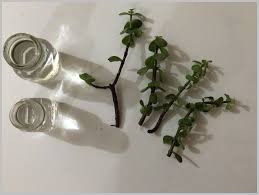
Succulents: Sedum is a hardy succulent that can be used as ground cover. It can grow without much water, in poor soil, and in intense sun and heat.

Salvia is a plant that can tolerate a lot of heat and dry soil while attracting butterflies and other pollinators. They prefer well-drained soil, which helps them thrive in sandy soil

Cosmos:  this plant can easily handle harsh conditions including drought and poor soil, so if you need a flowering annual that can attract butterflies, birds, and bees, then this may be an option.

Russian Sage: This purple sage actually prefers dry conditions, so it will thrive in sandy soil in growing zones five through 10. It is also a plant that does not require a lot of water or sun. They do spread, so you may need to prune and separate the plant.

Cosmos: This plant can easily handle harsh conditions including drought and poor soil, so if you need a flowering annual that can attract butterflies, birds, and bees, then this may be an option. They tend to grow best in zones two through 11.

Larkspurs can grow anywhere from one to seven feet in height. These plants can tolerate dry soil, but you will want to combine it with mulch. This plant grows best in zones two through 10, and they prefer shady conditions.

Plants that deter Bugs

Whether you want to keep mosquitos out of your yard or harmful pests out of your vegetable garden, there are natural ways to repel bugs that don’t involve citronella candles or pesticides.

 Basil: This easy-to-grow culinary herb doubles as a repellent for houseflies and mosquitoes. Plant basil in pots and place them around patios to form a protective barrier.

Bay leaf: Bay is slow-growing repellent plant and common ingredient in soups and stews. Bay leaves also repel flies, cockroaches, and ants. As an alternative to growing your own bay leaf plant, you can also purchase bay leaves at the grocery store and sprinkle pieces of the leaves around pest-heavy areas of your garden.

Chives: When planted in your garden, this allium plant deters Japanese beetles, carrot flies, aphids, mites, and even rabbits.

Chrysanthemums: Since they naturally contain a compound called pyrethrum that’s common in many artificial insect repellents, chrysanthemums are an effective way to deter pesky insects like spider mites, silverfish, Japanese beetles, ants, bed bugs, roaches, and fleas.

Dill: Planting dill is a way to repel bugs like spider mites, squash bugs, and aphids from your vegetable garden. A word of warning: Dill is known to attract tomato hornworms, so keep dill away from your tomato plants.

Garlic: This pungent allium plant is a bug repellent for carrot flies, cabbage worms, slugs, and aphids.

Geraniums: An iconic flower popular for flower beds and hanging baskets, geraniums deter many types of insects, including mosquitoes and leafhoppers.

Lemongrass: This attractive, tall-growing ornamental grass is a common ingredient in herbal teas. It contains a fragrant citronella oil that acts as a mosquito repellent.

Lemon thyme: Often grown for culinary purposes, lemon thyme helps keep mosquitoes at bay. Its tiny flowers also attract bees which help the pollination of surrounding plants.

Marigolds: The aroma of marigolds repels mosquitoes, aphids, and rabbits.

Mint: The essential oils found in mint plants—as well as other members of the mint family, like sage, peppermint, hyssop, lemon balm, oregano, and catnip—are all worthy mosquito repellents. Studies have indicated that catnip essential oils are more effective at repelling mosquitos than the chemical DEET, which is used in most synthetic insect repellents. Learn how to grow mint in your home garden here.

Nasturtiums: Nasturtiums are known as a “trap crop” because instead of repelling pests, they attract them to their own leaves. This means bugs like cabbage moths and aphids will focus on the nasturtiums instead of crops like cabbages, tomatoes, and beans. This makes nasturtiums a popular flower to plant along the border of vegetable gardens.

Pest-repelling plants can be both fragrant and beautiful. Try planting a few of these in your garden to keep the bug population in check.

Cat- Friendly Garden

Creating a cat-friendly garden can be easy and fun, if you have outdoor cats. You can create plenty of structures for climbing and plants that are safe for them to nibble on. They also have multiple dirt-filled areas in which to “relieve” themselves. Of course, this type of setup may not be for everyone, so here are some other cat-friendly garden ideas.

First and foremost, cats are naturally curious with a need for exploration. Choosing a location in the backyard just for them can help keep your furry friends appeased. They love to climb, hide, and pounce. With this in mind you will want to include climbing structures like cat posts, fencing, and trees.

Create designated play areas for younger felines and don’t forget to include mounds of dirt, mulch, or sand for them as well. Cats typically go potty in the same place, so this can help deter them from going into your prized garden spaces Choosing plants for your cat’s garden space must be done with care. Hardy, but safe, plants are obviously an important consideration. Since cats enjoy chasing things, those that attract butterflies may be a good choice. In fact, attracting insects in the cat garden is a good thing in that you want to avoid using any toxic pesticides that could be harmful.

Cat-Friendly Plants for the Garden A number of plants may not be suitable for your feline and may even is poisonous, so choose your plants carefully.

Here are some plants you can add to create safe gardens for cats: Herbs, flowers and foliage plants Catnip (Nepeta cataria)- probably one of the more obvious choices for a cat garden, this plant is found to be highly attractive to cats, even inducing a sense of euphoria when around the plant.

Cat grass– cat grass is normally a variety of several grasses that cats may nibble on, but oat grass (Avena sativa) or wheatgrass (Triticum aestivum) are the two most popular.

Asters– these plants require little maintenance and are just right for adding dense cover for a cat’s hunting expeditions.

 Blue mist shrub (Caryopteris)- this flowering shrub is highly attractive to pollinators and provides plenty of privacy and shelter for cats.

 Sunflowers– nothing is more charming in the garden, or easier to grow, than sunflowers. These large plants will provide plenty of cover while the blooms offer something to play with when added near climbing structures.

Cosmos– yet another fun plant for cats, this one offers wispy growth, wonderful color, and great screening, which your cats will appreciate.

Cats are wonderful. Plants are wonderful. Let’s all enjoy them together and make this a purr-fect world.

Bug Hotel for your Garden

If you are an organic gardener like me, then you will want to be sure that there is a place in your garden for beneficial insects to lodge for this upcoming fall and winter. Why start now? Creating a bug hotel this summer can jumpstart your garden army that helps to keep the bad bugs under control. Setting up different protected areas in your bug hostel will let the bugs find a room that suits them and prepare it as they wish. Placing a bug abode in the garden increases the chances that beneficial insects will naturally visit. Also known as bug hotels, bug boxes, and bug houses, these human-made structures offer several benefits. In addition to their decorative qualities, they help supplement the increasing loss of natural habitats.

Attracting Ladybugs

Ladybugs like to overwinter as large groups in between dry plant material. Some twigs packed together give the ladybugs plenty of room to squeeze in and wait for warmer days and eating aphids. Read more about attracting ladybugs as garden helpers in this post:

Attracting Beetles, Spiders, Lacewings, and Friends

Many other insects will have all sorts of different nesting needs. By providing a variety of plant material in your bug hotel you will encourage all sorts of garden friends to lodge. How can you be sure that you are only providing shelter for beneficial insects? Well, you can’t. It’s a tough world out there and at times bad bugs (earwigs – yuck!!) will move in. Some may even eat their neighbors. You can’t control what happens in the bug hostel, just trust that if you provide enough space for the good guys, you can create balance in the garden.

How to build your insect home

Choose a good spot for your insect home. Firstly, because most insects like cool, moist conditions, so a shady area next to a hedge or under the tree works well. Secondly, make sure the home has a firm base, because it will end up quite heavy. Thirdly, choose a spot where the insect home can remain for at least this winter.

Create a structure with pallets. Layer old pallets on top of each other as tall as you’d like the insect home to be – ours are around eight pallets high, but five will do. Place any larger pallets at the bottom. Check the pallets don’t wobble; secure each to the one below (with string, wire or pull ties) if you need to.

Fill in the gaps with other materials. There are no rules as to how you fill the empty pallets, but here are some ideas to attract different insects:

Dead wood makes a great home for wood-boring beetles, such as the majestic stag beetle, and their larvae. It also supports fungi, which can break down the natural material. Centipedes and woodlice can burrow under the bark.

Hollow stems, canes, and holes drilled into blocks of wood are all ideal spots for solitary bees to lay their eggs. These bees help pollinate flowers (so helping your plants produce vegetables) in the garden. Because solitary bees like sunny spots, place these on the sunniest side of the insect home.

Stone and tiles provide lovely cool, moist conditions for frogs and newts. They might be best lower down, on the shadiest side of the insect home.

Hay and straw give insects a good place to burrow and hibernate.

Dry leaves provide homes for insects, just like leaf litter on the forest floor. Ladybirds hibernate here over winter – and they’re great for eating aphids in the garden.

Rotting wood and bark is where beetles, centipedes, spiders and woodlice love to be. Because woodlice and millipedes break down woody plant material, they’re an important part of your garden recycling system.

Corrugated cardboard rolled up inside a lemonade bottle will attract lacewings, which are really good at eating pests.

Have you created a bug hotel? If so, please share below!

Coding Interface

Forging Better Test Frameworks

Home is Where the Boat Is

Potting, Puttering & Pontooning

Cats and Trails and Garden Tales

Cats, travel, gardens and life in the Pacific Northwest

Leaf And Twig

Where observation and imagination meet nature in poetry.

phillipsplace

A new beginning, mobile home living, adding our style inside and out.

Ruth E. Hendricks

Daily Journal of Life in Pittsburgh

The Haute Mommy Handbook

Motherhood Misadventures + Creative Living

Suzanne's Mom's Blog

Arts, Nature, Good Works, Luna & Stella Lockets & Birthstones

𝑻𝒐𝒓𝒏𝒂𝒅𝒐 𝑶𝒇 𝑪𝒉𝒂𝒐𝒔 🌪

Thoughts, experiences and learnings in a turbulent time

Sarah Rajkotwala - Author & Spiritual Teacher blog

Gardening Fairies Flowers Spirituality Angels Love Joy

Ideas and Advice for How To Live a Joyful and Empowered Life.

All Things Empowering - Healing Ourselves & Earth, Self-Sufficiency, Food Forests, Gardening, Art, Road Trips, Preserving, Foraging, Permaculture, Homesteading and More!

America On Coffee

We’re just inviting you to take a timeout into the rhythmic ambiance of our breakfast, brunch and/or coffee selections. Enjoy!

Heart to Hearth Cookery

Sharing my Experimental Archaeology of Food