
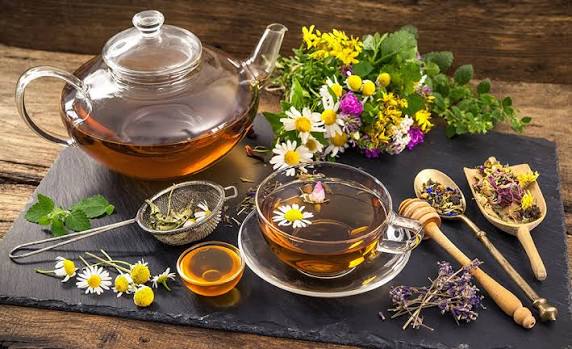
There’s something extra special about walking into your garden, snipping a few fresh herbs, and turning them into a warm cup of tea. 🌱🫖
An herbal tea garden doesn’t have to be large or complicated. In fact, you can grow many tea herbs right in containers on your porch, patio, or even in a sunny kitchen window.
Whether you’re a seasoned gardener or just getting started, these five easy-to-grow plants are wonderful choices for creating your own little tea garden.
🌿 1. Mint
Mint is one of my favorite plants for an herbal tea garden—and it’s incredibly easy to grow!
There are many varieties to choose from, including peppermint, spearmint, chocolate mint, and apple mint. Fresh mint leaves make a wonderfully refreshing tea, while dried leaves can be stored and enjoyed throughout the year.
Growing tips:
- 🌱 Grow in full sun to partial shade.
- 💧 Keep the soil consistently moist but not soggy.
- 🪴 Mint spreads quickly, so growing it in a container is often the best choice.
- ✂️ Harvest young leaves and stems regularly to encourage fresh growth.
Tea tip: Add a handful of fresh mint leaves to hot water and let them steep for about 5–10 minutes. Add a little honey for a refreshing afternoon drink.
🌼 2. Chamomile
If you want your tea garden to be both beautiful and useful, don’t skip chamomile!
Chamomile produces adorable little daisy-like flowers with white petals and yellow centers. Once the flowers open, they can be harvested and dried for tea.
Growing tips:
- ☀️ Give chamomile plenty of sunshine.
- 🌱 Plant in well-draining soil.
- 💧 Allow the soil to dry slightly between waterings.
- 🌼 Harvest flowers when they are fully open and dry.
Chamomile tea has a delicate, floral flavor and is a lovely choice for a relaxing evening cup.
Garden bonus: Chamomile flowers also attract pollinators, making them a lovely addition to a wildlife-friendly garden.
🍋 3. Lemon Balm
Want your tea garden to smell like sunshine?
Plant some lemon balm!
This member of the mint family has bright green leaves with a wonderful lemony fragrance. Simply brush against the leaves and you’ll understand why it belongs in the garden.
Growing tips:
- ☀️ Grow in full sun to partial shade.
- 💧 Keep the soil evenly moist.
- ✂️ Harvest leaves frequently to encourage new growth.
- 🪴 Like mint, lemon balm can spread, so containers can help keep it contained.
Fresh lemon balm leaves make a light, citrusy herbal tea. Try combining lemon balm with mint for a refreshing garden-to-cup blend.
🌺 4. Lavender
Lavender brings beauty, fragrance, and a calming floral flavor to your tea garden.
Look for culinary varieties such as English lavender (Lavandula angustifolia) when growing lavender specifically for tea.
Growing tips:
- ☀️ Give lavender plenty of full sun.
- 🌱 Use well-draining soil.
- 💧 Avoid keeping the soil constantly wet.
- ✂️ Harvest flower stems when the buds are beginning to open.
A little lavender goes a long way when making tea because its flavor can become strong and floral. Start with a small amount and adjust to your taste.
Lavender is also one of those plants that earns its place in the garden simply because it looks gorgeous swaying in the breeze and buzzing with bees.
🌿 5. Holy Basil (Tulsi)
If you’re looking for something a little different, add holy basil, also known as tulsi, to your tea garden.
Tulsi has an aromatic, slightly spicy flavor and is traditionally enjoyed as an herbal tea.
Growing tips:
- ☀️ Give it plenty of sunlight.
- 🌱 Plant after the danger of frost has passed.
- 💧 Water when the soil begins to dry.
- ✂️ Pinch the growing tips regularly to encourage a bushier plant.
Harvest the leaves and young stems throughout the growing season. You can use them fresh or dry them for later.
Tulsi is also a beautiful herb for pollinator gardens, with flowers that can attract bees and other beneficial insects.
🫖 How to Start Your Herbal Tea Garden
You don’t need a huge garden bed to grow these herbs.
Try creating a small tea garden in five containers, with one plant in each pot. Place them somewhere convenient—right outside your kitchen door, on a sunny patio, or along your porch.
Choose attractive pots and add simple plant markers so your little tea garden becomes part garden, part décor.
🌱 A Simple Tea Garden Layout
Pot 1: Mint
Pot 2: Chamomile
Pot 3: Lemon Balm
Pot 4: Lavender
Pot 5: Holy Basil
Before you know it, you’ll have a collection of herbs ready to harvest whenever you’re craving a cup of garden-grown tea.
🌿 Fresh or Dried?
One of the best things about growing your own tea herbs is that you can enjoy them fresh during the growing season and dry the leaves and flowers for winter.
To dry herbs, harvest them on a dry morning after the dew has disappeared. Remove damaged leaves, bundle small amounts together, and hang them somewhere warm, dry, and well-ventilated away from direct sunlight.
Once completely dry, store your herbs in airtight containers away from heat and light.
Then, when winter arrives and your garden is sleeping, you can open a jar of summer herbs and make yourself a little cup of sunshine. ☀️🫖
🫖 Create Your Own Garden-to-Cup Ritual
Growing an herbal tea garden is about more than just growing plants. It gives you a reason to slow down, spend time in your garden, and enjoy something you’ve grown with your own hands.
Start with one or two herbs if you’re short on space. Add more each season as your tea garden grows.
And don’t be afraid to experiment!
Try combinations like:
🌿 Mint + Lemon Balm – bright and refreshing
🌼 Chamomile + Lavender – floral and soothing
🌿 Holy Basil + Mint – aromatic and refreshing
🍋 Lemon Balm + Chamomile – light and citrusy
Your garden can become your very own tea pantry—one little plant at a time.
Happy gardening, and happy sipping! 🌱🫖

