How to Replant Grocery Store Herbs & Keep Them Growing

If you’ve ever brought home a fresh herb plant from the grocery store—basil, rosemary, mint, cilantro—and watched it slowly wilt on your windowsill, you’re not alone. The good news? Those little pots are meant to be replanted, and with a few simple steps, you can turn them into long-lasting, productive herb plants.

Let’s walk through how to replant grocery store herbs and actually use them successfully in your kitchen and garden.


Why Grocery Store Herbs Struggle

Most grocery store herbs are grown fast and crowded. What looks like one plant is often many seedlings packed tightly together, all competing for water, nutrients, and space. They’re also grown in lightweight soil that dries out quickly.

Replanting gives your herbs room to breathe—and that’s the key to keeping them alive.


What You’ll Need

  • Your grocery store herb plant
  • A pot with drainage holes (or a garden spot outdoors)
  • Fresh potting soil (not garden dirt)
  • Scissors or garden snips
  • Water

Step 1: Gently Remove the Herb from Its Pot

Turn the pot upside down and gently squeeze the sides. Slide the plant out, supporting it at the base. Don’t worry if some soil falls away—that’s normal.

Take a look at the roots. You’ll likely see a tight root ball or several plants tangled together.


Step 2: Separate the Plants (Optional but Recommended)

For herbs like basil, cilantro, parsley, and dill, gently tease the roots apart with your fingers. You can usually divide one pot into 2–4 smaller plants.

Woody herbs like rosemary, thyme, and sage don’t always need dividing, but loosening the roots slightly still helps.


Step 3: Repot with Fresh Soil

Fill your new pot with fresh potting soil and make a small hole in the center. Place the herb inside, covering the roots completely but keeping the stems above the soil line.

Gently press the soil down (no packing!) and water thoroughly until water drains from the bottom.


Step 4: Choose the Right Spot

Most herbs love:

  • Bright light – a sunny windowsill or porch
  • 6+ hours of sunlight if outdoors
  • Good airflow (especially indoors)

Avoid placing herbs right next to cold windows or heating vents.


Step 5: Water the Right Way

Herbs prefer even moisture, not soggy soil.

  • Stick your finger into the soil
  • If the top inch feels dry, it’s time to water
  • Always empty saucers so roots don’t sit in water

Overwatering is the #1 herb killer.


How to Harvest Without Hurting the Plant

Harvesting actually helps herbs grow bushier—when done correctly.

  • Snip stems above a leaf set
  • Never remove more than ⅓ of the plant at a time
  • For basil, pinch the top growth to prevent flowering

Regular, gentle harvesting keeps your plant productive.


Best Herbs to Start With

If you’re new to herbs, these are forgiving and rewarding:

  • Basil
  • Mint (best in its own pot!)
  • Rosemary
  • Thyme
  • Chives

Final Tip: Think of Grocery Store Herbs as Starters

Those herbs aren’t meant to stay in their tiny pots forever. Think of them as starter plants—a jumping-off point for a beautiful, useful herb garden right in your kitchen or backyard.

With a little care and a quick replant, you’ll have fresh herbs ready whenever you cook—and that’s a win for any gardener. 🌱

How to Read a Gardening Zone Map (and Use It to Grow Colorful Flowers & Tasty Herbs)

Starting your first garden can feel a little like learning a new language. Seed packets have numbers, plant tags mention “zones,” and suddenly everyone’s talking about maps. The good news? Once you understand the gardening or planting zone map, everything else gets so much easier—and your plants will thank you for it.

Let’s break it down step by step.


What Is a Gardening / Planting Zone Map?

A gardening zone map (often called a USDA Hardiness Zone Map) shows which plants are most likely to thrive in your area based on average winter temperatures.

The map divides the country into numbered zones, usually ranging from Zone 1 (coldest) to Zone 13 (warmest). Each zone represents a 10°F difference in winter lows.

👉 Think of your zone as your garden’s climate personality.


How to Find Your Planting Zone

Finding your zone is simple:

  1. Search online for “USDA Planting Zone Map”
  2. Enter your ZIP code
  3. Your zone number will pop up (for example: Zone 7b)

That’s it! Write it down or save it—you’ll use this number often when choosing plants.


How to Read the Map (Without Overthinking It)

Each zone may have a letter (like 7a or 7b).
For beginners, the number matters most.

  • Lower numbers = colder winters
  • Higher numbers = milder winters

When a plant label says:

Hardy in Zones 6–9

That means it can survive winters in those zones. If your zone falls in that range, you’re good to grow it!


How to Use Your Zone to Pick the Best Flowers 🌸

Choosing flowers that love your zone sets you up for success—more blooms, less stress.

Cooler zones (Zones 3–6):

  • Coneflowers
  • Black-eyed Susans
  • Peonies
  • Lupine
  • Calendula

Milder to warm zones (Zones 7–9):

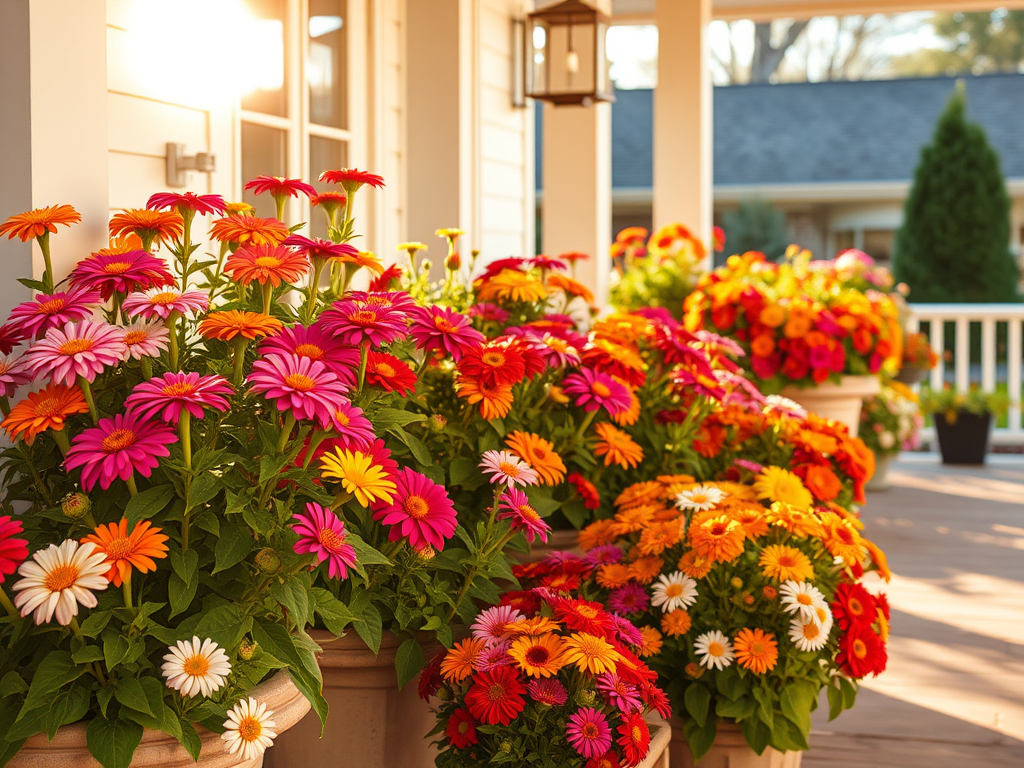
  • Zinnias
  • Cosmos
  • Sunflowers
  • Salvias
  • Marigolds

Warm zones (Zones 9–10+):

  • Lantana
  • Pentas
  • Celosia
  • Portulaca

✨ Tip: Annual flowers (those grown from seed each year) are especially forgiving for first-time gardeners and bloom fast.


Using Your Zone to Grow Flavorful Herbs 🌿

Herbs are beginner-friendly and perfect for small gardens, containers, or windowsills.

Hardy herbs (great for many zones):

  • Chives
  • Thyme
  • Oregano
  • Mint (best in pots!)

Warm-weather favorites:

  • Basil
  • Cilantro
  • Dill

Perennial herbs (come back each year in the right zones):

  • Rosemary (Zones 7–10)
  • Lavender (Zones vary by type—check labels)
  • Sage

Your zone helps you know:

  • Which herbs can survive winter outdoors
  • Which ones should be grown as annuals or brought inside

A Quick Reminder for New Gardeners

Your planting zone tells you about cold tolerance, not everything about your garden.

Also consider:

  • Sunlight (full sun, part shade, shade)
  • Soil type
  • Water needs

When you match zone + sunlight + water, plants thrive—and gardening becomes way more fun.


Final Gardening Encouragement 🌼

Learning your planting zone is like unlocking a garden shortcut. It saves time, money, and frustration—and helps you grow flowers that burst with color and herbs that taste amazing.

Start small, grow what works for your zone, and remember: every gardener was a beginner once.

Happy planting! 🌱

Air Plants Made Easy: How to Create a Glowing Terrarium Look (Plus Simple Care Tips)

Air plants have a quiet magic about them. No soil, sculptural leaves, and just enough wild personality to feel like living art. The terrarium style in the photo—gold geometric glass, soft stones, glowing lights, and lush air plants—is a perfect example of how simple elements can come together to create something truly special.

Let’s walk through how to create this look step by step, then finish with easy air plant care so your display stays happy and healthy.


Why Air Plants Are Perfect for Terrariums

Air plants (Tillandsia) don’t need soil, which makes them ideal for glass containers and decorative displays. They absorb moisture and nutrients through their leaves, not roots, allowing you to design freely without worrying about drainage or mess.

This makes them perfect for:

  • Glass terrariums
  • Tabletop décor
  • Giftable plant displays
  • Low-maintenance plant lovers

Supplies You’ll Need

To recreate this look, gather the following:

  • A glass geometric terrarium (open or vented)
  • 1–2 medium air plants (like Tillandsia ionantha or xerographica)
  • Decorative stones or crystal chips (white or clear work beautifully)
  • Preserved moss (green or chartreuse adds contrast)
  • Battery-operated fairy lights
  • Tweezers or small tongs (optional but helpful)

Step-by-Step: Creating the Look

Step 1: Prepare the Base

Start by adding a thin layer of decorative stones to the bottom of the terrarium. This creates visual weight and reflects light beautifully, especially when paired with fairy lights.

💡 Tip: Keep the layer shallow—air plants don’t need depth, just design balance.


Step 2: Add Fairy Lights

Gently coil the fairy lights inside the terrarium, tucking the wire along the edges or around the base. Leave the battery pack outside or discreetly hidden behind the display.

This soft glow adds warmth and turns your terrarium into an evening statement piece.


Step 3: Place the Moss

Add small sections of preserved moss around the stones. Don’t pack it tightly—think soft, natural clusters. The moss adds texture and gives the arrangement a forest-floor feel without holding moisture against the plants.


Step 4: Position the Air Plants

Nestle your air plants gently on top of the stones and moss. Let their leaves arch naturally—avoid forcing them into place.

For balance:

  • Place the larger air plant slightly off center
  • Use a smaller plant or moss to fill visual gaps

Air plants love airflow, so make sure they’re not pressed against the glass.


Step 5: Final Touches

Adjust the lights, fluff the moss, and rotate the terrarium until it looks good from all angles. The gold frame, glowing lights, and soft greenery should feel airy, not crowded.


Air Plant Care: Keep It Simple

Once your terrarium is styled, caring for air plants is refreshingly easy.

Light

  • Bright, indirect light is best
  • Near a window with filtered sunlight works great
  • Avoid harsh, direct sun through glass—it can scorch leaves

Water

  • Remove air plants from the terrarium to water
  • Soak in room-temperature water for 20–30 minutes once a week
  • Gently shake off excess water
  • Let them dry completely before returning them to the terrarium

⚠️ Never leave air plants sitting in water or return them wet to a closed container.


Airflow

Air plants need good airflow to stay healthy. If your terrarium is mostly closed, remove the plants regularly for watering and drying.


Signs of a Happy Air Plant

  • Firm, open leaves
  • Subtle color changes (some blush pink before blooming)
  • New leaf growth from the center

If leaves curl tightly or feel dry, increase watering slightly.

This style of air plant terrarium isn’t just décor—it’s a tiny ecosystem that brings warmth, light, and nature indoors. Whether you place it on a shelf, coffee table, or desk, it’s a beautiful reminder that plants don’t need soil to thrive.

Simple. Sculptural. And full of life. 🌱

How to Propagate Rosemary

Rosemary is one of those herbs that wants to be shared 🌿—and propagating it is surprisingly easy. If you’ve got one healthy plant, you can turn it into many with just a little patience.

How to Propagate Rosemary (Step-by-Step)

What you’ll need:

  • A healthy rosemary plant
  • Clean scissors or garden snips
  • A small jar of water or a pot with well-draining soil
  • Optional: rooting hormone (not required)

1. Take a Cutting

Choose a soft, flexible stem (new growth works best). Snip a 4–6 inch piece just below a leaf node. Avoid woody, brown stems—they’re slower to root.

2. Prep the Cutting

Strip the leaves from the bottom 2 inches of the stem. This is where roots will form. Keep the top leaves intact.


3. Root It (Two Easy Methods)

Water Method (great for beginners):
Place the cutting in a jar of water, making sure no leaves sit below the water line. Set it in a bright spot with indirect light. Change the water every few days. Roots usually appear in 2–4 weeks.

Soil Method (stronger roots long-term):
Dip the cut end in rooting hormone (optional), then plant it into a small pot filled with well-draining soil. Lightly water and keep the soil slightly moist—not soggy.


4. Give It the Right Environment

Rosemary loves warmth and light. Place cuttings near a sunny window or under grow lights. Avoid harsh, direct sun until roots form.


5. Transplant & Grow

Once roots are about 1–2 inches long, transplant water-rooted cuttings into soil. After a few weeks, you’ll have a sturdy new rosemary plant ready for the garden or a sunny windowsill.


Pro Tip 🌱

Spring and early summer are the best times to propagate rosemary, but indoor propagation works year-round if your plant is healthy.

Before you know it, you’ll have enough rosemary for cooking, gifting, and maybe even a little herbal magic ✨

Garden books to help a beginner plan and grow a successful spring garden

Here are 4 highly-recommended garden books to help a beginner plan and grow a successful spring garden—great for everything from soil prep and seed starting to planting schedules and plant care:

🌱 1. The Vegetable Gardener’s Bible by Edward C. Smith

A go-to classic for new gardeners, this book breaks down soil preparation, raised bed gardening, organic techniques, and plant care in a way that’s easy to follow. It also includes profiles of popular vegetables and how best to grow them. Healthy Green Savvy

🌼 2. Rodale’s Basic Organic Gardening

Perfect if you want to grow healthy plants the natural way. It covers essentials like choosing plant varieties, preparing soil, watering, weed and pest control, and general seasonal to-dos—a gentle but thorough introduction. Healthy Green Savvy

🌿 3. Plant Grow Harvest Repeat by Meg McAndrews Cowden

This one gives practical, seasonal guidance with sowing charts and garden planning tips keyed to the real rhythms of the growing year—very helpful for planning a spring garden and keeping it productive through the seasons. Hachette Book Group

🍅 4. Veg in One Bed: How to Grow an Abundance of Food in One Raised Bed, Month by Month by Huw Richards

Focused on simplicity and manageable space, this book walks you through a month-by-month gardening plan that’s awesome for beginners and helps take some of the guesswork out of what to do and when for your spring planting. Brick Street Home


Quick tip: For beginners, having one general guide (like The Vegetable Gardener’s Bible) plus a seasonal planner (like Plant Grow Harvest Repeat) makes spring garden prep feel way less overwhelming.

Here are some great flower-focused garden books perfect for beginners who want to plan and grow a blooming beautiful spring garden 🌸:

📚 Flower Gardening Beginners Should Love

🌼 Floret Farm’s Cut Flower Garden by Erin Benzakein
One of the most recommended books for new flower gardeners. It walks you through planning, growing, harvesting, and even arranging beautiful flowers — with tons of inspiring photos and beginner-friendly tips. Tree Care Zone+1

🌸 The Flower Gardener’s Bible: A Complete Guide to Colorful Blooms All Season Long by Lewis and Nancy Hill
A classic all-in-one guide that helps you choose flowers, prep soil, plant for blooms all season, and care for your flower beds. It’s full of practical advice and covers loads of varieties. Simply Smart Gardening

🌷 Flower Gardening for Beginners by Amy Barene (or similar beginner guides)
Straightforward, step-by-step instructions for planning your plot, choosing flower varieties, understanding soil and climate needs, and growing thriving blooms. BookAuthority

🌾 Floret Farm’s A Year in Flowers by Erin Benzakein
More than just a growing guide, this one celebrates flowers through the seasons — giving you inspiration, seasonal planting advice, and projects for harvesting and arranging your blooms.

As spring approaches, the right garden book can be just as important as the right seeds. Whether you’re dreaming of rows of fresh vegetables, a cutting garden full of blooms, or a simple backyard oasis, these beginner-friendly books offer guidance, inspiration, and the confidence to get growing. Start small, learn as you go, and don’t be afraid to get your hands dirty — every garden begins with curiosity and a little patience. Here’s to a season of fresh starts, muddy boots, and watching your garden come to life. 🌱🌸

Home is Where the Boat Is

Potting, Puttering & Pontooning

Cats and Trails and Garden Tales

Musings on cats, travel, gardens and life

Leaf And Twig

Where observation and imagination meet nature in poetry.

phillipsplace

A new beginning, mobile home living, adding our style inside and out.

Ruth E. Hendricks

Daily Journal of Life in Pittsburgh

The Haute Mommy Handbook

Motherhood Misadventures + Creative Living

Suzanne's Mom's Blog

Arts, Nature, Good Works, Luna & Stella Lockets & Birthstones

𝑻𝒐𝒓𝒏𝒂𝒅𝒐 𝑶𝒇 𝑪𝒉𝒂𝒐𝒔 🌪

Thoughts, experiences and learnings in a turbulent time

Sarah Rajkotwala - Author & Spiritual Teacher blog

Gardening Fairies Flowers Spirituality Angels Love Joy

Ideas and Advice for How To Live a Joyful and Empowered Life.

All Things Empowering - Healing Ourselves & Earth, Self-Sufficiency, Food Forests, Gardening, Art, Road Trips, Preserving, Foraging, Permaculture, Homesteading and More!

AmericaOnCoffee

We’re just inviting you to take a timeout into the rhythmic ambiance of our breakfast, brunch and/or coffee selections. We are happy whenever you stop by.

Heart to Hearth Cookery

Sharing my Experimental Archaeology of Food

The Herb Society of America Blog

Learn • Explore • Grow