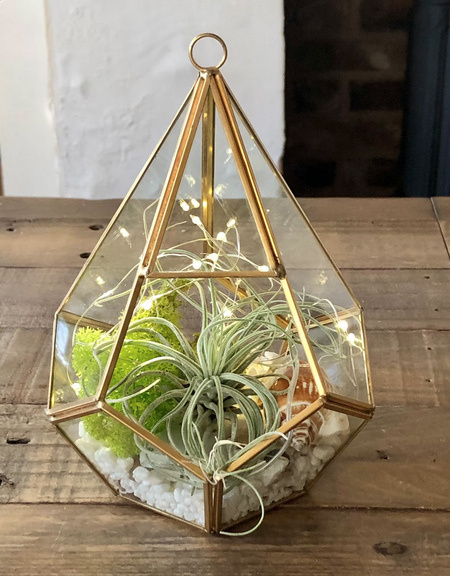
“Start Your Week with a Little Fall Garden Inspiration”

Monday Motivation: Fall Is for Fresh Starts

Hi garden friends,

Happy Monday! As the air cools and leaves begin to fall, it’s the perfect reminder that every season — and every gardener — gets a fresh start.

Fall might look like the end of the growing season, but beneath the soil, there’s a lot of life quietly preparing for spring. Roots are stretching, bulbs are settling in, and seeds are storing up energy for what’s ahead.

🌷 Your garden is proof that growth doesn’t stop — it just changes.

So whether you’re planting new bulbs, tidying up garden beds, or simply enjoying the crisp air and golden leaves, take a moment to celebrate the beauty of slow growth. This is your season to plant intention, nurture rest, and prepare for brighter blooms ahead.

Here are a few small ways to keep your green spirit growing this week:
🍂 Plant a few tulip or daffodil bulbs — a promise to your future self.
🌿 Clean and store your garden tools for next season.
🌻 Start a gratitude list for the plants that brought you joy this year.

Let’s carry that same patient energy into our week — steady, grounded, and full of quiet hope. Wishing you a beautiful Monday full of calm, color, and cozy garden dreams.

Popular Gardening Tip for October: Mulching for a Healthy Fall Garden

As the days grow shorter and the crisp autumn air sets in, October is the perfect time to give your garden a little extra care before winter arrives. One of the most popular — and effective — gardening tips this month is mulching.

Mulching might not sound as exciting as planting new blooms, but it’s one of the most beneficial things you can do for your garden in fall. Here’s why gardeners love this October task:


🌾 Why Mulching in October Matters

As temperatures start to dip, mulch acts like a warm blanket for your plants. It helps:

  • Regulate soil temperature — keeping roots warm during cool nights.
  • Retain moisture — fall winds can dry out soil quickly, and mulch keeps the ground hydrated.
  • Suppress weeds — saving you time and effort come spring.
  • Add nutrients — organic mulches, like leaves or straw, break down over time to enrich your soil.

🍁 What to Use as Mulch

You don’t need to buy fancy materials — fall gives you plenty of free options! Try using:

  • Shredded leaves (just run over them with your mower first!)
  • Pine needles
  • Compost
  • Wood chips or bark

Spread about 2–3 inches of mulch around your garden beds, but keep it a few inches away from the base of your plants to prevent rot.


🌿 Bonus Tip: Don’t Bag Those Leaves!

Instead of bagging fallen leaves, shred and reuse them as mulch or add them to your compost pile. They’re nature’s gift to your garden — rich in organic matter and full of nutrients.


🌻 Wrap-Up

Taking time to mulch this October sets your garden up for success through the colder months. When spring returns, you’ll find healthier soil, fewer weeds, and plants ready to thrive.

So grab your rake, gather those leaves, and tuck your garden in for the season — it deserves it!

How to Grow and Care for Orchid Cactus

If you’re looking for a truly stunning plant that rewards patience with breathtaking blooms, the Orchid Cactus is a must-have. Known for its large, exotic flowers that resemble orchids, this tropical cactus is a showstopper in any indoor garden or greenhouse. Though it might look high-maintenance, it’s actually easy to grow once you understand its needs.


🌿 What Is an Orchid Cactus?

The Orchid Cactus (Epiphyllum) is a tropical cactus native to Central and South American rainforests. Unlike desert cacti, it grows on trees (epiphytic) and thrives in filtered light and humidity. Its long, flat, leaf-like stems can trail beautifully from hanging pots or baskets, making it an ideal plant for dramatic indoor displays.


🌱 How to Grow an Orchid Cactus

1. Choose the Right Pot & Soil

  • Select a pot with good drainage. Orchid cacti dislike soggy roots.
  • Use a well-draining mix — one part orchid bark, one part perlite, and one part cactus soil works perfectly.
  • Avoid compact soils; their roots need airflow and moisture balance.

2. Light Requirements

  • Bright, indirect sunlight is best. Too much direct sun can scorch the stems, while too little light may prevent blooming.
  • An east or north-facing window is ideal.

3. Watering Routine

  • Water when the top inch of soil feels dry.
  • During active growth (spring and summer), keep soil lightly moist — not soggy.
  • In fall and winter, reduce watering to allow a rest period.

4. Temperature & Humidity

  • Prefers temperatures between 60–75°F (15–24°C).
  • Likes moderate humidity — a pebble tray or humidifier can help if indoor air is dry.

🌼 How to Make Your Orchid Cactus Bloom

The true magic of an orchid cactus is in its blooming season, typically in late spring to summer. The flowers are short-lived but absolutely breathtaking.

Blooming Tips:

  1. Provide Bright Indirect Light: Too little light is the top reason orchid cacti don’t bloom.
  2. Feed During Growth: Use a balanced, diluted fertilizer (10-10-10 or orchid fertilizer) every 2–4 weeks in spring and summer.
  3. Give It a Cool Rest: In winter, let the plant rest in a cooler room (around 50–60°F) with less water and no fertilizer. This rest period encourages bud formation.
  4. Don’t Move It Once Buds Form: Moving or rotating the plant can cause buds to drop before they open.

🌱 Propagation: How to Grow New Plants

Orchid cacti are easy to propagate from stem cuttings.

Steps:

  1. Cut a healthy, 6-inch stem segment with clean shears.
  2. Let the cutting dry for a few days so the cut end calluses over.
  3. Plant the cutting in a small pot with a slightly damp cactus or orchid mix.
  4. Keep it in bright, indirect light and mist occasionally to maintain humidity.
  5. Roots should form within 4–6 weeks. Once established, treat it like a mature plant.

🌸 Common Orchid Cactus Care Tips

  • Prune after flowering to encourage new growth and shape the plant.
  • Avoid overwatering — this is the most common issue.
  • Support long stems with a trellis or let them trail naturally for a cascading effect.
  • Re-pot every 2–3 years to refresh soil and promote healthy growth.

In conclusion, the Orchid Cactus may seem exotic, but it’s surprisingly easy to care for once you understand its rhythm. With the right balance of light, moisture, and rest, you’ll be rewarded with stunning, fragrant blooms that make every effort worthwhile.

Whether you’re a houseplant enthusiast or just starting out, this tropical beauty adds an unforgettable touch of the rainforest to your home.

Creative Planter & Container Ideas for Fall Porches 🍂

When autumn arrives, our porches become the perfect place to celebrate the season’s colors and textures. Adding fall-inspired containers not only brings warmth to your entryway but also creates a welcoming space for family and guests. This season, think beyond the traditional terracotta pot—there are plenty of creative and unique containers you can use for your fall porch display. Here are three fun ideas, along with the best plants to pair them with and tips for care.


1. Rustic Apple Crates Turned Planters

Container Idea: Wooden apple crates or vintage produce boxes bring instant rustic charm. You can either line the inside with landscape fabric and soil or set smaller pots directly inside.

Plant Pairings:

  • Ornamental cabbages and kales for bold texture
  • Pansies for pops of vibrant fall color
  • Creeping Jenny or ivy to spill over the edges

Care Tips:

  • Place crates in a sunny to partly shaded area for best bloom and color.
  • Water consistently but avoid overwatering since crates often drain quickly.
  • Refresh spent blooms to encourage more flowers.

2. Repurposed Lanterns as Mini Planters

Container Idea: Oversized lanterns (with the glass removed or left in) make charming mini greenhouses for fall porch displays. Use them to hold smaller pots or plant directly inside with good drainage.

Plant Pairings:

  • Succulents like hens-and-chicks for a low-maintenance look
  • Small mums for bursts of orange, yellow, or burgundy
  • Dwarf ornamental grasses for a touch of height

Care Tips:

  • Ensure proper drainage—add gravel at the base if planting directly in.
  • Water lightly, especially if using succulents (they don’t like soggy soil).
  • Rotate lanterns to give all sides of the plants some sun.

3. Vintage Wheelbarrow Fall Garden

Container Idea: An old wheelbarrow makes a statement piece for your porch or walkway. Fill it with potting soil or arrange multiple pots inside for a layered, mobile display.

Plant Pairings:

  • Pumpkins and gourds mixed with trailing vines
  • Chrysanthemums for bright fall blooms
  • Heuchera (coral bells) for striking foliage color

Care Tips:

  • Position in full sun to part shade depending on your chosen plants.
  • Water deeply once or twice a week, letting the soil dry a bit between waterings.
  • Mix in fall décor like corn stalks, pinecones, or fairy lights for extra charm.

General Fall Plant Care

  • Sunlight: Most fall plants thrive in full to partial sun, so place containers where they get at least 4–6 hours of light.
  • Watering: Cooler temps mean plants don’t dry out as quickly—check soil moisture before watering.
  • Fertilizer: Add a slow-release fertilizer at planting time to keep blooms and foliage strong throughout the season.
  • Season Extension: As frost approaches, cover plants at night or bring containers closer to the house for added warmth.

🍁 With a little creativity, your porch can become a cozy fall showcase. Whether you repurpose old crates, lanterns, or a wheelbarrow, pairing them with colorful seasonal plants will bring life and charm to your outdoor space all season long.

Monstera Plant Care Guide: How to Grow the Iconic “Swiss Cheese Plant”

Few houseplants are as instantly recognizable as the Monstera deliciosa. With its lush green leaves and dramatic natural fenestrations (those eye-catching holes and splits), the Monstera has earned its place as a must-have in homes and offices. While it looks tropical and exotic, it’s surprisingly easy to care for once you know the basics.

Let’s dive into how to keep your Monstera thriving, from light and watering to propagation and overall care.


☀️ Light Needs

Monsteras love bright, indirect light. Think of the dappled sunlight they’d get under a jungle canopy. Too much direct sun can scorch their leaves, while too little light may cause them to grow leggy and produce fewer splits.

  • Best spot: Near an east-facing window or a few feet back from a south or west window.
  • Low light warning: Monsteras can survive lower light, but growth will slow, and leaves may stay small without splits.

💧 Watering Tips

Monsteras prefer soil that’s lightly moist but never soggy.

  • Check first: Stick your finger 1–2 inches into the soil. If it feels dry, it’s time to water.
  • Water thoroughly: Give the plant a deep drink until water drains from the bottom of the pot, then empty the saucer.
  • Winter care: In cooler months, reduce watering as growth slows.

👉 Overwatering is the most common mistake—watch for yellowing leaves as a sign of too much water.


🌱 Propagation

Monsteras are easy to propagate, which makes them great for sharing with friends.

  1. Find a node: Look for a stem section with a leaf and an aerial root (those little brown nub-like roots).
  2. Cut below the node: Use clean, sharp scissors or shears.
  3. Root in water or soil:
    • Water method: Place the cutting in a jar of water, changing the water every few days until roots are a few inches long.
    • Soil method: Plant directly in moist, well-draining potting mix, keeping it humid until roots establish.

🌿 General Care Tips

  • Soil: Use a chunky, well-draining mix (potting soil + perlite + orchid bark works well).
  • Humidity: Monsteras enjoy extra humidity but adapt fine to average homes. A pebble tray or occasional misting can help.
  • Fertilizer: During spring and summer, feed monthly with a balanced houseplant fertilizer.
  • Support: As Monsteras grow, they often need a moss pole or trellis to climb on—just like in the wild.

✨ Final Thoughts

Caring for a Monstera is rewarding because it responds quickly to good care, showing off new leaves with each growth spurt. With proper light, the right watering schedule, and occasional pruning or propagation, your Monstera will become a stunning, statement-making plant that can live for decades.

Home is Where the Boat Is

Potting, Puttering & Pontooning

Cats and Trails and Garden Tales

Musings on cats, travel, gardens and life

Leaf And Twig

Where observation and imagination meet nature in poetry.

phillipsplace

A new beginning, mobile home living, adding our style inside and out.

Ruth E. Hendricks

Daily Journal of Life in Pittsburgh

The Haute Mommy Handbook

Motherhood Misadventures + Creative Living

Suzanne's Mom's Blog

Arts, Nature, Good Works, Luna & Stella Lockets & Birthstones

𝑻𝒐𝒓𝒏𝒂𝒅𝒐 𝑶𝒇 𝑪𝒉𝒂𝒐𝒔 🌪

Thoughts, experiences and learnings in a turbulent time

Sarah Rajkotwala - Author & Spiritual Teacher blog

Gardening Fairies Flowers Spirituality Angels Love Joy

Ideas and Advice for How To Live a Joyful and Empowered Life.

All Things Empowering - Healing Ourselves & Earth, Self-Sufficiency, Food Forests, Gardening, Art, Road Trips, Preserving, Foraging, Permaculture, Homesteading and More!

AmericaOnCoffee

We’re just inviting you to take a timeout into the rhythmic ambiance of our breakfast, brunch and/or coffee selections. We are happy whenever you stop by.

Heart to Hearth Cookery

Sharing my Experimental Archaeology of Food

The Herb Society of America Blog

Learn • Explore • Grow