Medusa Air Plants

The Tillandsia plants or air plants have become widely popular in the modern home gardening scene. They have become home gardener’s favorite choice of plants. This is in thanks to their ease of care, ability to grow soil-less, and their creative displays.They are perfect for those who love the look of greenery in heir homed decor but don’t have too much time on their hands.

Not just that, this family of plants is huge. With over 650 different species such as the Medusae air plant that we are focusing on in this post.

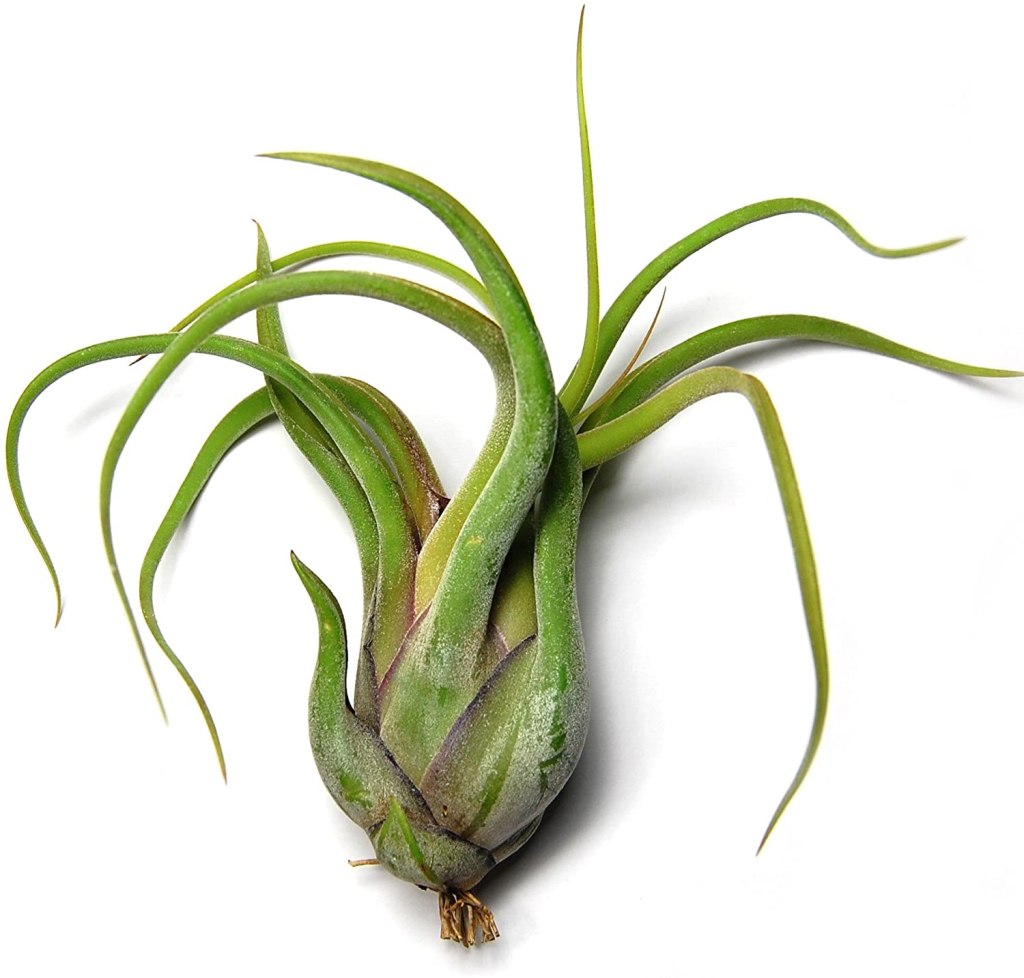
The scientific name of the plant is Tillandsia Caput Medusae. That said, it’s also known as Medusa’s head, medusa plant or the octopus plant. This plant is native to Central America and Mexico, where they grow on tree branches located in areas of strong sun. This fuzzy looking Tillandsia is silvery green in color with hues of purple throughout the base extending up towards the leaves. The Tillandsia caput medusae are xeric air plants which means that they can handle more direct sunlight and less water than other air plant varieties. Fun fact: these fascinating plants are ageotropic, which means that they will grow straight even when mounted horizontally or upside down. They do not turn or grow in response to gravity as many plants do.

The plant is a flowering plant that blooms in early summer when growing in its natural habitat. When cultivated, its flowering period is usually in spring to early summer. The vibrant violet-pink flowers are about 3.2 centimeters long. They arise from red inflorescences that are digitate and unbranched. They also produce pups or offsets after blooming.

Medusae Care

Tillandsia Caput Medusae plants are very easy to care for like other species of this family. They will not need you to take follow any complicated or lengthy care routines. Here are some of the requirements for this striking plant.

Water

The Medusa plant doesn’t need too much water. Unlike other air plants, it doesn’t even prefer to be soaked in water. You should use misting or spraying to water this plant. Mist it 2-3 times during summers and focus on the head of the plant rather than the bulbous base. There is good chance water will get trapped in the base of the plant, so you should allow the plant to dry completely.

If you do soak them, keep the soak short (say 10-15 minutes) and make sure to turn the plant upside down and shake it. During winters, you can reduce the misting to once a week or adjust the frequency if you feel like the plant is starting to wilt. If the leaves of the Medusa plant begin to curl, this indicates that the plant requires water.

Light

This plant prefers bright light with some shade. If you provide it with some morning and evening sun but not direct or against a shade, it works well. Putting it near a north-facing window that’s curtained is the ideal location for the Medusa plant.

Tillandsia Caput Medusae is an eye-catching sight with its leaves twirling in an extraordinary fashion. With a little care and attention that this plant demands, it can add uniqueness to your indoor locations, whether on a bookshelf or an end table. Do you want to add a Tillandsia caput medusae to your plant collection? Check out our shop link to grab one today:

http://www.printhousedesign.com

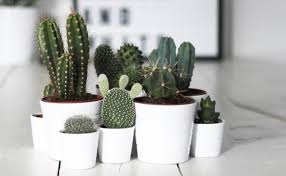
Cactus care guide

There are more than 2000 species in the cactus family, and while most have similar care, be sure to find info specific to the plants you choose. These tips will give you a general idea of how to take care of your favorite cacti.

Light: Direct sun; some species will do fine with very bright indirect light.

Water: water the cacti when soil is dry all the way to the bottom.

Soil: use fast-draining potting mix, like cactus/ succulent soil.

Search for hundreds of cacti and learn key information about each including photos, sun needs, water needs, hardiness zones, soil pH and so much more. Your ultimate cacti guide by following the link below:

The round type cactus: the most common is the Echinocactus grusonii. In addition to the columnar shape of the Cereus, the other typical cactus shape is round. Among the globular cacti the Echinocactus are very popular and representative, and in particular the Echinocactus grusonii.

The 10 Most Popular On Earth

Easter cactus.

Old lady cactus.

Bunny ear cactus.

Blue columnar cactus.

Star cactus.

Barrel cactus.

Fairy castle cactus.

Saguaro cactus.

How long can a cactus live for?

In the wild cacti can live for hundreds of years. Indoors they may survive for 10 years or more. The trouble with old ones is that every single knock, scratch or blemish they get stays with them, so they tend to look less appealing as they get older.

What is the easiest cactus to grow?

Orchid Cacti (Epiphyllum Oxypetalum)

This gorgeous blooming variety is one of the easiest types of cactus to grow. Its leaves are beautifully colored, and it can grow up to 10 feet tall with enough space and the right conditions.

Does Cactus purify air?

Cacti is the best in reducing radiation and bacteria.

In addition, cacti absorbs carbon dioxide at night to release oxygen. Putting cacti in the room is helpful in sleeping and supplementing oxygen.

If you are looking for a plant that will add a bit of a desert charm to your space and an easy one to take care of, then get yourself a cactus. They do not require much care, which makes it an ideal choice for someone with a busy lifestyle. Plus, they only require some basic maintenance, whether they are grown in an indoor setting or outdoors, as long as you know that you’re doing. But in case you don’t, then we got you covered with all the tips above.

If you want to try to grow your own cactus, then you can stop by Printhousedesign.com and pick up your own packet of cacti seeds!

Best low-light indoor plants

Looking for the best low-light indoor plants that will thrive in a dim area of your home?

There are plenty of indoor plants out there that are easy to care for, forgiving, and low-light tolerant. Some even do better in shadier spaces, if you can believe it. If you’re not a full-blown plant parent yet because you haven’t found the right low-maintenance greenery, then you’re in the right place. We’ve compiled a list of the best plant varieties that won’t want anything to do with your already-crowded windowsill—or at the very least, houseplants that can handle being in a shady corner of your space even if they prefer brighter conditions.

Rattlesnake plant is native to the jungles of Brazil and will add a touch of the tropics to any home with its bright-green topside leaves that contrast beautifully with the rich purple undersides. The rattlesnake plant needs a rich and humid environment, so try to replicate this as closely as possible. The lighting condition: “Keep your rattlesnake plant in a shady spot with indirect sunlight, as too much sunshine can discolor the leaves, turning them brown and crispy.”

Perhaps one of the most diverse of the Ficus family, the weeping fig gets its name from the narrow, arrow-like leaves that line the delicate woody stems. “These are a great plant for beginners, but remember that with Ficus benjamina, much like a larger tree, the leaves will drop in winter, which is normal.”The lighting condition: “The weeping fig will enjoy basking in a few hours of morning sun, but move it before the sun gets too strong, and keep away from the afternoon sun.”

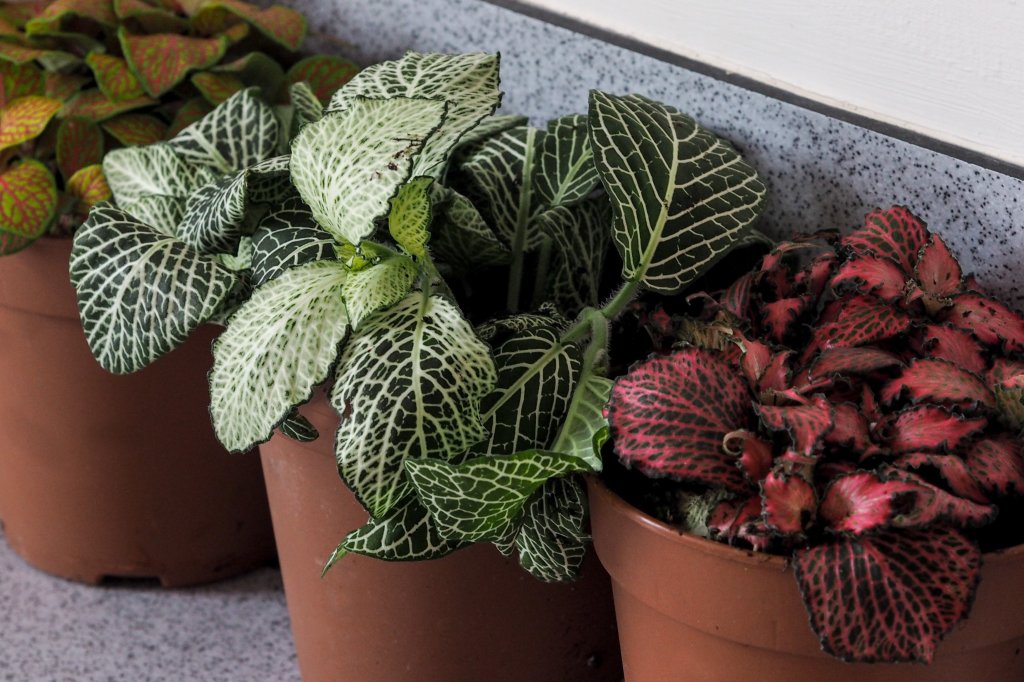
With its remarkable painterly leaves, the Fittonia is well-favored among the smaller trailing houseplants, “They are, however, not the easiest to keep alive in normal home conditions, as they like constant humidity, so they will be at their best housed in a terrarium or bottle garden.”

The lighting condition: “Native to the jungles of Peru, the Fittonia is found under the canopy of other plants and is used to having dappled light, so keep your Fittonia out of direct sunshine and place in a shady spot. Too much sunlight can bleach the leaves and fade their bright pink veins.”

Pretty slow-growing, this bushy plant will eventually reach around 4 to 6 inches in height. The Peperomia will produce curious ‘rat-tail’ stalks from the base, which do not necessarily flower but do add a funny feature to the plant!”The lighting condition: “In its natural habitat, this plant would be found under trees in a bright but shady spot, so it is best to try to replicate this in your home. As it is small, you could easily place it under a taller plant to shield it from direct sun, which can scald the leaves and leave permanent damage.”

Take into consideration these low light plants listed above when you want to add an easy care plant in your home with little sun light.

Humidity and plants

Humidity is often a missing element in the environment we except plants to thrive in. Many houseplants are tropical and live in naturally humid conditions. While some plants can do fine without humidity, even in dry climates, most will thrive best with some added humidity.  As an added bonus, humidity is also a beneficial to humans it can help with respiratory health and dry skin. Understanding how to add humidity to your environment will give you a wider range of options when choosing your plants to bring home.

A few misconceptions of humidity:

“Misting occasionally creates humidity”- TRUTH: Misting can create a temporary humidity, but for lasting water vapor in the air, this is not enough. Misting can also cause problems with leaves.

“humidity is hard to provide”- TRUTH: Some plants do need an extreme level of humidity, which can be a challenge to provide, but for many plants that benefit from humidity, something as simple as a pebble tray or a small humidifier can be enough.

“Humidity is the same as dry heat”- TRUTH: While many people just think of heat when they hear humidity, this term actually refers to water vapor in the air. Both warm and cool climates can be humid, though warm air can hold more water vapor than cool air.

There can be ways to add humidity in your home for your plants. Three simple ways is naturally humid room, for example the bathroom is a good place for your plant to have a boost of humidity.  A pebble tray is simple to make and is easy way to provide humidity for a single plant. The most effective way to add moisture to the air , especially if you have several plants that need it is adding a humidifier.

Here is a list of plants that need that extra bit of humidity to help them thrive!

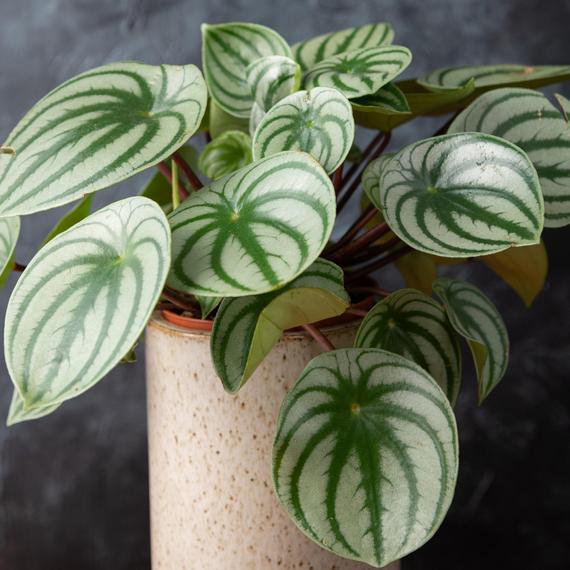
Pilea Peperomioides thrives in tropical environments, making it the perfect bathroom plant candidate. However, it will do better in a bathroom that has a window with bright to indirect light. Also referred to as a pancake or a UFO plant, the plant has flat, round leaves.

The golden pothos will make itself and all its vines at home in your bathroom, where it will thrive in a more humid environment (the tips of its leaves will turn brown if the air is too dry!). This plant can handle anywhere from low to bright sunlight, so long as the light is indirect.

The stunning calathea plant in medium indirect light and a moderate to a more humid environment, and it’s sure to do well. Think of it as a symbiotic relationship: Your bathroom’s environment will help it live a healthy life, and its beautiful foliage will give your bathroom new life, too.

If you love the whimsical, secret garden vibes of ivy outside, why not bring that same aesthetic into your bathroom with English Ivy? With a classic British countryside charm, potted English Ivy is super resilient and grows pretty much wherever it can find room to do so. This plant likes medium light and humidity.

Orchids are a little fussy when it comes to watering, but even though they prefer their soil to be on the drier side, they also like humidity—they are tropical plants, after all. Orchids tolerate low light but will fare much better in brighter indirect light, so they’re better kept on your bathroom windowsill.

Just choose the right varieties for your space, and these humidity-loving plants will be content.

Propagating Jade Plants

“The Jade plant is one of the easiest plants to grow and care for. So are you wondering “can jade plants grow in water?”

 A  jade plant can be propagated and grow in water either by the stem or leaf propagation. After the new plant develops roots in water it can grow and stay in water indefinitely or transferred to the soil. That said, let’s dive into why you should try it. And how you can do so.

There are two methods of jade plant’s water propagation. The first one is stem propagation. Cut part from your established jade plant’s stem and place in water vase.

The taken part should have at least 2 inches bare stem and at least 2 leaves. The second method is the leaf method.

When starting a jade plant from a leaf, start by selecting a healthy leaf from the plant. Snip the leaf from the plant. The next step in propagating jade plants from leaves is to lay the jade leaf onto a potting mixture of half vermiculite or perlite and half soil. Water the potting mixture once after you lay the jade leaf down and water sparingly until the leaf puts out roots.

Once the leaf has taken root, the leaf will start to grow plantlets, or tiny plants, from the edges of the leaf that touch the soil. It should take anywhere from two weeks to two months for plantlets to appear. Once the plantlets are a few inches (7.5 to 10 cm.) tall, you can treat them as normal jade plants. Growing jade plants from cuttings or leaves is easy to do. Knowing how to root jade plant cuttings and leaves can help you to make more plants for friends and family. Good luck with starting a jade plant in your garden.

Home is Where the Boat Is

Potting, Puttering & Pontooning

Cats and Trails and Garden Tales

Musings on cats, travel, gardens and life

Leaf And Twig

Where observation and imagination meet nature in poetry.

phillipsplace

A new beginning, mobile home living, adding our style inside and out.

Ruth E. Hendricks

Daily Journal of Life in Pittsburgh

The Haute Mommy Handbook

Motherhood Misadventures + Creative Living

Suzanne's Mom's Blog

Arts, Nature, Good Works, Luna & Stella Lockets & Birthstones

𝑻𝒐𝒓𝒏𝒂𝒅𝒐 𝑶𝒇 𝑪𝒉𝒂𝒐𝒔 🌪

Thoughts, experiences and learnings in a turbulent time

Sarah Rajkotwala - Author & Spiritual Teacher blog

Gardening Fairies Flowers Spirituality Angels Love Joy

Ideas and Advice for How To Live a Joyful and Empowered Life.

All Things Empowering - Healing Ourselves & Earth, Self-Sufficiency, Food Forests, Gardening, Art, Road Trips, Preserving, Foraging, Permaculture, Homesteading and More!

AmericaOnCoffee

We’re just inviting you to take a timeout into the rhythmic ambiance of our breakfast, brunch and/or coffee selections. We are happy whenever you stop by.

Heart to Hearth Cookery

Sharing my Experimental Archaeology of Food

The Herb Society of America Blog

Learn • Explore • Grow