Importance of Outdoor play

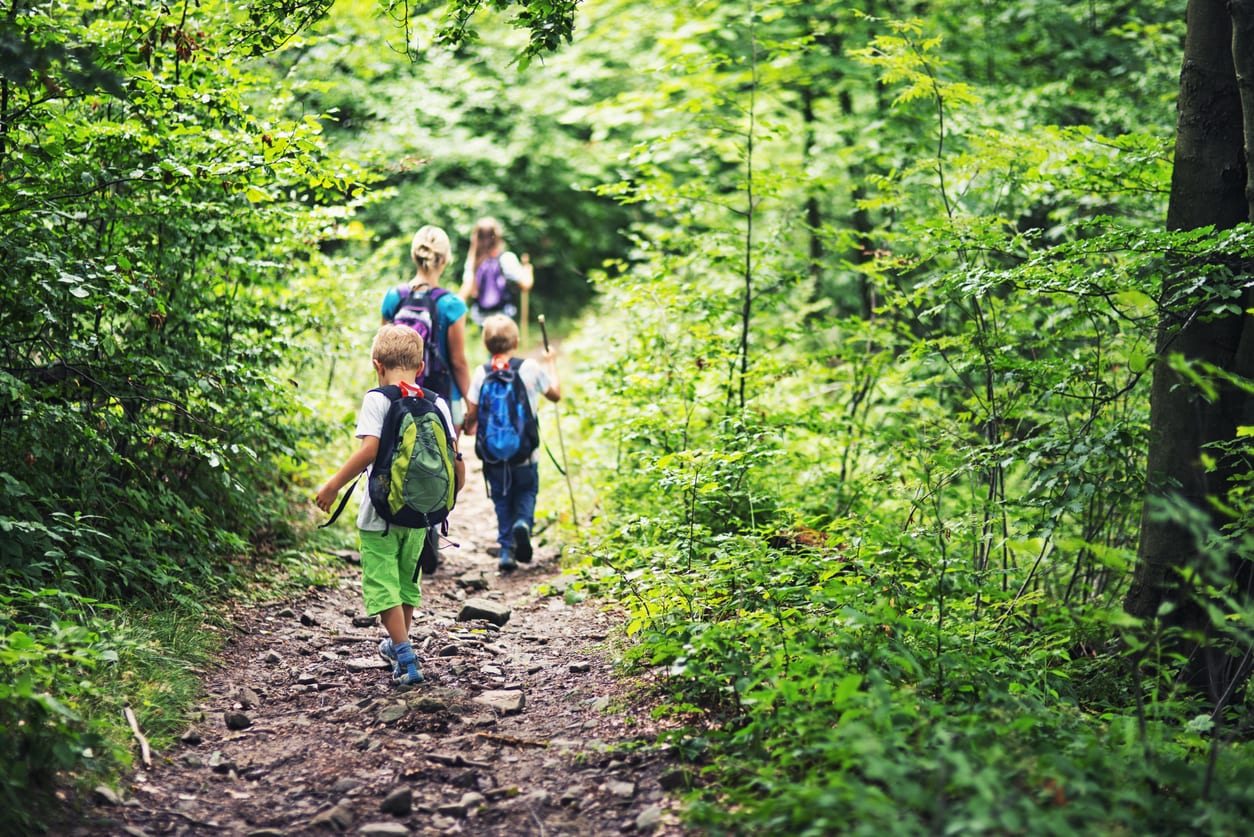
Summer is the perfect season to let children play outside. While the weather is nice, it’s a perfect chance to encourage your child to show self-efficacy through independent play, develop muscle tone and coordination, and use his or her creativity and imagination. Playing outdoor games can be a brilliant way to enhance learning abilities in kids.

Outdoor play is not only beneficial, but also crucial for the brain’s healthy development. During independent play, with little structure or rules, children solve complex social and emotional problems with little outside assistance. The children are the ones who will need to make the critical decisions for what they feel the rules and limitations should be for their games or activities, which in turn improves children’s negotiating and social skills.

Obesity is a growing concern, so what better way to combat this issue than through fun, healthy outdoor play? Through the simple act of playing, children are running, jumping, climbing, squatting, and rolling. Exerting their bodies is a form of fun, informal exercise. For children with special needs, outdoor play is especially critical in core muscle development, small motor skill refinement, and increasing coordination. Children need to navigate obstacles, maintain appropriate space around other children, and use their strength to throw, catch, manipulate objects or tackle a jungle gym.

Our world is changing, and not for the better. If a child grows up never walking in the woods, digging in soil, seeing animals in their habitat, climbing a mountain, playing in a stream, or staring at the endless horizon of an ocean, they may never really understand what there is to be lost. The future of our planet depends on our children; they need to learn to appreciate it.

When you tell your child to “Go outside and play”, you’re not just getting him or her out of the house and out of your hair. You’re also promoting healthy brain development, as well as a good workout for your child’s body.


Follow the link to my Pinterest board and you can find fun outdoor summer activities for all age children:

https://pin.it/f7fnn4ejqwb36g

Making an Indoor Fairy Garden

Miniature gardens filled with fairies, gnomes, and cute little fairy houses offer children an enchanted play space to develop their creativity and imagination. Add a bit of magic to your favorite indoor potted plants by adding fairy accessories from a local craft shop or creating your own with a little bit of glue and imagination to create a one of a kind fairy garden for any child or a kid at heart!  In this blog I will describe how to create an indoor little fairy garden by using a few materials and show you some ideas to create a fairy garden by just adding homemade/bought accessories to your potted plants.

First, some of the materials that you will need to create a fairy garden

(1)Large container

Potting soil

(2-3)Small plants (indoor plants) & rocks or pebbles

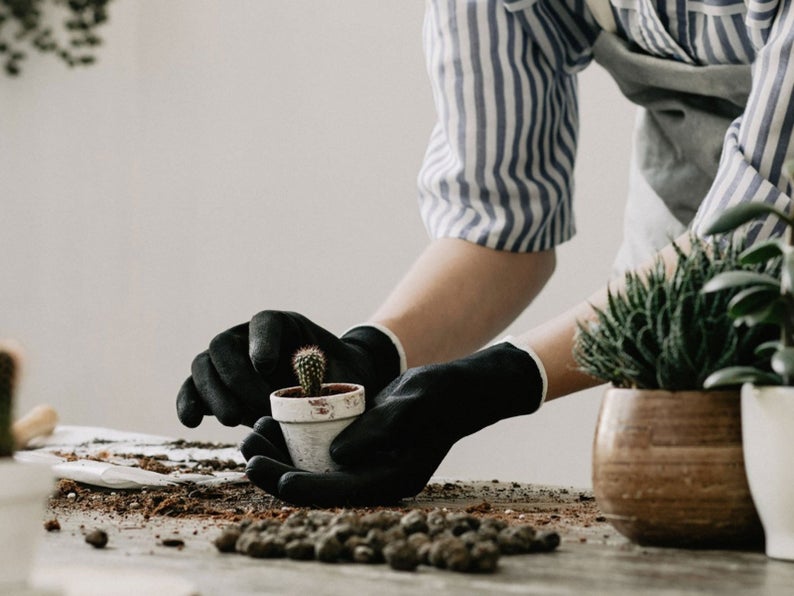
First decide what type of container you would like, this is up to you, A few of my  favorite fairy garden container ideas is a large round planter, clay pot, glass container, or small metal container.  Then you will put your soil into your fairy garden using an organic potting soil for best results. Choose some of your larger plants and furniture as “anchor points” for your design. Next, add in our secondary plants and pieces and make sure everything that needs to be is planted in the soil.  This is where you can add fun flowering plants or even plant flowering seeds and watch them grow in your garden! You can use colored aquarium gravel or small pebbles to cover the soil and give your fairy garden a finished look. You can use two tone colored pebbles to create a path through the garden leading to her home. If your container is large enough, you can make different scenes in your fairy garden, such as a sitting area for your fairy or different little paths throughout the garden. Fill in the areas that you molded to be rivers, ponds, walkways, and paths. Any of the elements below can be added to finish these features:

stones

pebbles

glass gems

sea glass

wood slices


With a little hot glue, a few craft supplies and some potted plants, you can create a beautiful indoor fairy garden that’s perfect for every season. Click through this gallery for fun ideas and inspiration to get started on your own fairy garden.

You can also find flowering seeds; wildflowers, lavender, and sunflowers at Flymeawaycreations Etsy shop. Here is the listing for one type of flowering seeds:

https://www.etsy.com/listing/700786585/english-lavender-seeds-organic-for-herb

Also when visiting Flymeawaycreations shop you can find a very unique 3Dprinted fairy house to add to your garden! This adorable home features a small door for any fairy to enter and rest for the night. The complete home is 3D printed with biodegradable PLA material and hand painted olive green with a touch of gold sparkles! The house is shaped in a dome to help blend into the flower garden and sparkles in the sun or moon light to attract any passing fairy!

You can find it here by following the link:

https://www.etsy.com/listing/710169825/fairy-garden-house-3d-printed-for?ref=shop_home_active_3&frs=1

Hope this blog can help you start your very own little fairy garden!

This slideshow requires JavaScript.


Planting Lavender

Lavender is a flowering plant in the mint family that’s easily identified by its sweet floral scent. I have several lavender plants planted in my garden because I love the fragrance and using it in several dessert recipes! This beautiful herb can be found in many gardening shops for you to replant or start from scratch by planting the seeds!  Below I have a few tips on how to plant, care, and harvest this special herb.

Tips for How to Plant and Care for Lavender

Lavender should be planted in the spring. You can wait until summer or fall, but the earlier the better to ensure the plants are strong enough to survive the upcoming winter. Ideally, you should allow about two to three feet between each plant, and don’t plant in areas that receive a lot of moisture. This is a low-maintenance plant, so you only need to water about once or twice a week as the plants start to grow, and then slowly cut, watering to every two to three weeks. In a formal garden, lavender may be clipped to form a low hedge or an aromatic border along a path. In a rock garden, a single plant or just a few plants may be used to great effect as an accent. Lavender also grows quite well in containers. In the Deep South, it actually does better in pots, as it benefits from improved drainage and air circulation. While the plants thrive in arid Western climates, they are usually considered annuals in the South. Remember that lavender needs good drainage and good air circulation. Do not over-water, and allow the soil to dry before watering again. When there is a lot of heat and humidity, fungus can attack the plants, turning the leaves brown. To minimize the chance of having such a problem, mulch with pebbles or sprinkle sand around the base of the plant. Bugs are a nuisance during the summer and warmer months. You might be happy to learn that lavender may act as a natural bug repellent, keeping away a variety of critters, like flies, mosquitoes, and moths.

Harvesting

Begin harvesting when about half of the buds open. Cut the stems long for easy bundling, and then place the lavender bundles in a cool, dark place to dry. However, avoid clipping more than every third stem to keep the plant looking full. Flowers will keep their perfume for months when you harvest just before they are entirely open. To dry flowers, gather a bunch of stems and hang them upside-down in a dark, well-ventilated place to preserve color and keep the stems from molding.

Using  Lavender

Fresh flowers may be used in sauces, marinades, and desserts. Handle fragile dried blossoms with care and use them in teas, salts, potpourri, sachets, and crafts. Also, you can place lavender in different areas around the house to help freshen the smell of a stale room. This can include the laundry room, the garage, and closets. Or dab a little bit of the essential oil on your finger and place some of the oil around your neck for a natural perfume.You’ll find that lavender is also an ingredient in some soap, lotions, and body washes. These products can leave your skin moisturized and promote calm, relaxing feeling after bathing.

You can find lavender seed packets available at Flymeawaycreations Etsy shop to help you start planting your flowering garden!

https://www.etsy.com/listing/700786585/english-lavender-seeds-organic-for-herb

Planting Lavender

Etsy Title and Listing Tips

Starting an Etsy shop or that you have one and having trouble driving traffic to your listings and your shop? This topic “Etsy title & listings” is a trending topic that is always coming up in Etsy discussion forums or Etsy group pages on Facebook. Many people struggle on what or how to word their listings to get get even noticed in the Etsy search. For myself, I also struggled with my shop, but after hard work and learning tips and listening to advise from well established Etsy shop owners I have tripled my sales from starting out to this year and hoping to reach higher on the following year. In this blog I will give helpful tips on strategies that you can implement within your shop to help improve your listing search and hopefully get more sales.

The first strategy that I will discuss is: Title

Your title for each listing needs to be short, clear, and descriptive. This will make it clear for shoppers to understand what you are selling by glancing at your title. You need to use one keyword( one of your tags) to start the beginning of your title. (For example: 3D Printed) starts most of my title listing items, because I create 3D printed planters for air plants or succulents. Since there are so many competitors on Etsy you want to make your title stand out and read clear for the shopper to click on your item rather than your competitor.  Do not write long titles, this will cause your item to get lost in the search results, don’t stuff key words (tags) in the title either, this will confuse the shopper and cause her/him to scroll pass your listing.

Second strategy is: Categories

When you are adding an item to your shop you will see the tab category, make sure to add many relative options as possible in this area that relates to your item. This area will give you a better chance of being found in the search results by adding the right category that matches to your item. Also categories act like tags, so don’t use a category work as a tag, because it would be a duplicate. (For example: my category would be gardening, so I would not use gardening as a tag).

Third strategy is: Attributes 

So attributes is within the categories section. This is where you can select material, color, size, or pattern for the item that you are listing. When filling out this section it helps your item bump up in the search. Try to use as many attributes to describe your item, but don’t repeat these words in your 13 tags, because it will just be a duplicate. (For example: I am tweaking this section in my shop, by adding the measurements for my listing item)

Fourth strategy is Listing Descriptions 

For your listing description you want to provide value, and describe everything about the item for the shopper. The first 155 characters of the description is very important, this is what is viewed  when searching on google or any search engine when looking for an item that you want to buy. You want to use your main key word in the beginning of your short description. Also you should  add your tag words in a complete sentence to describe your item that you are selling, making sure it flows and make sense to the buyer as well. By doing this, it will help boost your item in the search results too. Another tip make sure you are detailed in the description by adding measurements, or if the customer can request another color, or this item is made to order.  You can also add a back link to another item in your shop showing the customer that you have another similar item or an item that would work well with it. (For example: one of my listings I have a hanging planter that can work well with any small plants or could be a starter planter for indoors, so I have a back link for the customer to buy flowering seeds to plant inside the planter if they choose too.)

By following these helpful strategy tips in this blog, should give you a boost in your listing views and hopefully more sales! I will be adding more helpful Etsy strategy blogs soon to my page. If you haven’t read the Selling at Craft fairs blog, and thought about branching your shop out to craft fairs or vendor markets then that blog should give you a few tips on how to get started! You can find that certain blog as an older blog at the beginning of my blog post.

Also you can visit my Etsy shop by following the link to see how I have my listings and titles written out, plus to see the cool 3D printed planters that I create!

http://www.Flymeawaycreations.com

blog


6 Mosquito Repellent Plants for your Garden

Spring & summer is the time for those pesky mosquito’s to ruin your outdoor activities. Did you know there are several beautiful plants that can be beneficial in your container garden or flower garden to reduce the sight and presence of mosquito’s?  I have listed six different plants that work great in your garden to help repel those insects.

A great mosquito repellent plant, Lemon grass has also been known to ward off other insects such as white flies which can be pesky in the vegetable garden. However, be careful if planting in the ground as their root system can take over your vegetable roots so either plant at a distance or plant in pots around your veggie garden. ­­­­Lemongrass is more of a tropical plant.  However, for locations that are colder during the winter, you can grow it in patio planters and bring it indoors during the colder months. Or just treat it like an annual plant and replant it each year.

Besides being an awesome mosquito repellent plant, Marigold plants are also great at repelling various insects and, because of that, are often used in vegetable gardens around tomatoes and peppers to help reduce insects that may destroy those plants. Marigolds also ward off deer, rabbits and other rodents.

Lavender, also known, in the mint family it’s also a perennial and loves full sun.Besides used as a great mosquito repellent around your yard, lavender has a beautiful scent when the flower spikes are dried. Use the dried flowers in a dried flower arrangement or as a potpourri.

Rosemary ,this plant is actually considered an evergreen shrub that will flower during the spring and summer months. This versatile plant is also drought resistant and does well in pots and in the garden especially repelling mosquito’s.  On top of all that, one of the most popular uses of rosemary is right in the kitchen where you can use it fresh from the garden to season meats and vegetables or dry the rosemary leaves to store for extended use.

Peppermint, also known in the mint family it is very similar to Lemon Balm in that it grows and spreads very quickly so it’s best to grow this plant in a container. It also enjoys the shade and more moist soil. This plant can help reduce mosquito’s and it also can be enjoyed in tea, salads, and a garnish in meals.

Citronella, a citrus-scented geranium, this is a great patio plant, especially in containers. Be careful not to over-fertilize because too much nitrogen can reduce the fragrance of the leaves. Although the oil from crushed leaves may have some ability to discourage mosquitoes, the plants alone are grown more for their refreshing scent than as a mosquito repellent. Place citronella near a gate or path where you brush against the leaves as you walk by, or in a pot where children can rub the leaves to enjoy their fragrance. Plants are vigorous growers and drought tolerant. Be sure to move indoors before frost.

So the next time you visit a garden shop, keep these plants in mind to add to your patio or flower garden, so you can enjoy your spring and summer evenings outside. Flymeawaycreations Etsy shop has lavender seeds available to buy in single packets or in bulks for you to plant in your garden indoors or outdoors.

Follow the link to visit the shop to find the lavender seeds and more flowering seeds plus garden décor!

www.flymeawaycreations.com

Home is Where the Boat Is

Potting, Puttering & Pontooning

Cats and Trails and Garden Tales

Musings on cats, travel, gardens and life

Leaf And Twig

Where observation and imagination meet nature in poetry.

phillipsplace

A new beginning, mobile home living, adding our style inside and out.

Ruth E. Hendricks

Daily Journal of Life in Pittsburgh

The Haute Mommy Handbook

Motherhood Misadventures + Creative Living

Suzanne's Mom's Blog

Arts, Nature, Good Works, Luna & Stella Lockets & Birthstones

𝑻𝒐𝒓𝒏𝒂𝒅𝒐 𝑶𝒇 𝑪𝒉𝒂𝒐𝒔 🌪

Thoughts, experiences and learnings in a turbulent time

Sarah Rajkotwala - Author & Spiritual Teacher blog

Gardening Fairies Flowers Spirituality Angels Love Joy

Ideas and Advice for How To Live a Joyful and Empowered Life.

All Things Empowering - Healing Ourselves & Earth, Self-Sufficiency, Food Forests, Gardening, Art, Road Trips, Preserving, Foraging, Permaculture, Homesteading and More!

AmericaOnCoffee

We’re just inviting you to take a timeout into the rhythmic ambiance of our breakfast, brunch and/or coffee selections. We are happy whenever you stop by.

Heart to Hearth Cookery

Sharing my Experimental Archaeology of Food

The Herb Society of America Blog

Learn • Explore • Grow